
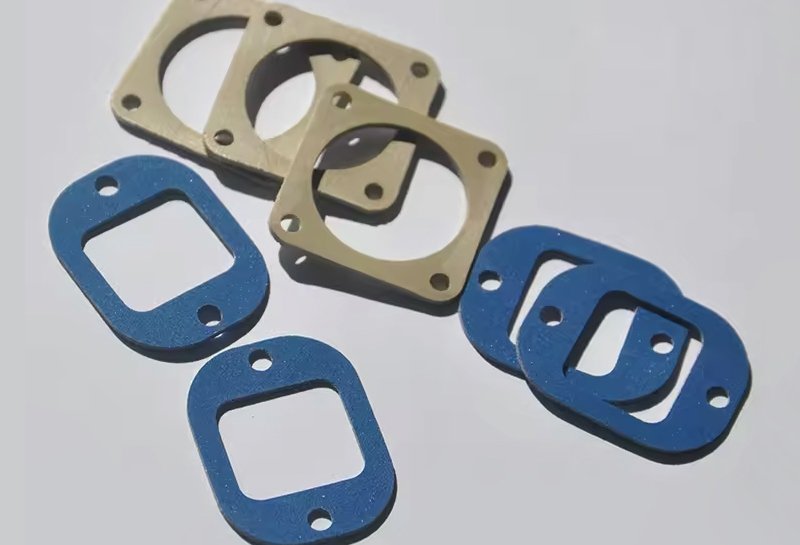
What are EMI Gaskets?
EMI gaskets are conductive sealing parts used around openings, doors, seams, connector interfaces, and enclosure joints. Their job is simple: keep unwanted electromagnetic signals from entering or leaving an electronic device.
For product designers, an EMI gasket is not only a piece of silicone rubber. It is part of the shielding system. It must close the electrical gap between mating surfaces. In many designs, it also needs to seal against dust, water, vibration, or repeated assembly.
Conductive silicone and fluorosilicone are common choices for EMI shielding gaskets. These materials combine elastomeric sealing with conductive fillers such as silver, aluminum, nickel, copper, or nickel-graphite. The right choice depends on the enclosure design, frequency range, closure force, plating system, and service environment.
EMI Shielding
EMI means electromagnetic interference. It covers unwanted electrical or magnetic energy that can disturb electronic equipment.
RFI means radio-frequency interference. It is a type of EMI within the radio-frequency range. In practical gasket design, the two terms are often discussed together. A material used to shield against EMI will often help with RFI as well, but the required shielding performance still depends on frequency, enclosure design, contact pressure, and surface conductivity.
The gasket alone does not create a complete shield. It works with the metal housing, plating, fasteners, seams, and grounding path. If any part of that path has poor contact, the shielding effect can drop.
Where EMI Comes From
EMI can come from many sources. Some are natural, but many are created by modern electronic systems.
Common sources include:
- Cellular networks and mobile devices.
- Wi-Fi and wireless communication systems.
- Ignition systems.
- Power lines and power converters.
- Microwave equipment.
- High-frequency industrial equipment.
- Computers, control boards, and similar electronics.
- Radar, antennas, and radio communication equipment.
As more products use sensors, wireless modules, fast processors, and compact circuit layouts, EMI shielding is no longer limited to defense or radio systems. It now appears in consumer electronics, medical devices, automotive electronics, industrial controls, and aerospace hardware.
Common EMI Gasket Materials
The base material gives the gasket its shape, flexibility, compression behavior, and environmental resistance. Conductive fillers or conductive surfaces create the shielding path.
Conductive Silicone
Silicone is one of the most common base materials for EMI gaskets. It is flexible, easy to mold, easy to die cut, and stable across a broad temperature range.
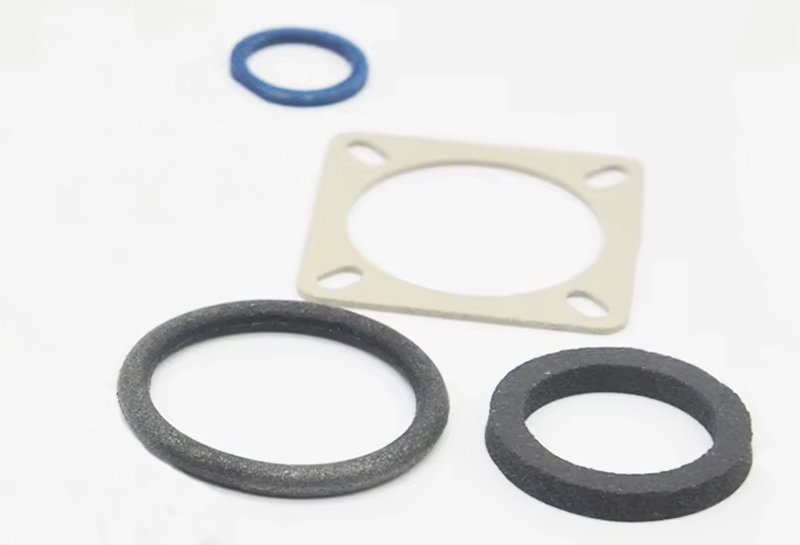
To make silicone conductive, the compound is filled with conductive particles. Common filler systems include silver-plated aluminum, silver-plated copper, nickel-graphite, carbon, and other metal or metal-coated particles.
Conductive silicone works well in many electronic devices and connector interfaces. It is especially useful when the gasket also needs compression recovery, softness, and sealing against dust or light moisture.
Standard silicone is not the best choice for long-term contact with fuels, mineral oils, and many hydrocarbon solvents. In those cases, fluorosilicone is often a better option.
Key features of our custom silicone rubber EMI gaskets can include:
- Operating temperature from -40 C to +160 C; selected products can reach up to 200 C.
- Good flame resistance, with options that meet UL 94 V-0.
- Shore A hardness from 60 to 75.
- Good tensile strength.
- Reliable EMI shielding performance.
- Environmental sealing capability.
- Custom shapes, with vulcanized processing or splicing support.
Conductive Fluorosilicone
Fluorosilicone solves many of the fluid-resistance limits of standard silicone. It keeps much of silicone’s flexibility and temperature stability, while improving resistance to fuels, oils, and harsh fluids.
This makes conductive fluorosilicone useful in aerospace, defense, automotive, and other applications where EMI shielding and fluid exposure appear in the same design.
The same filler families used in conductive silicone can also be used in fluorosilicone, depending on the required shielding level and galvanic compatibility.
Conductive EPDM
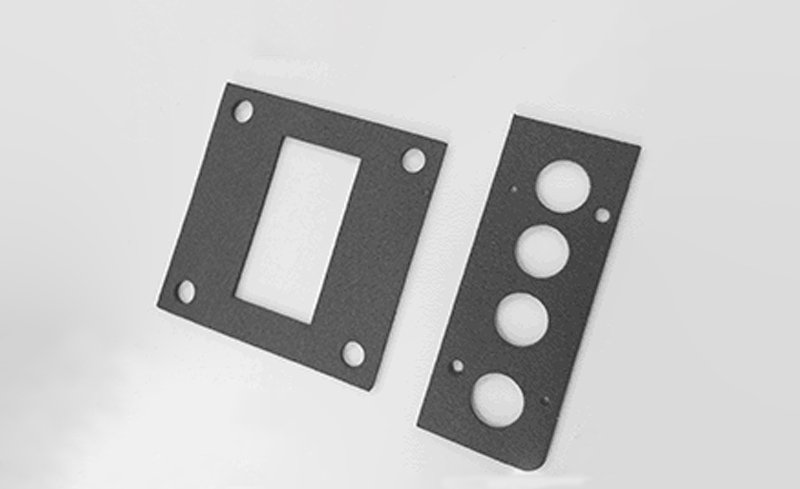
EPDM is a synthetic rubber known for weather, ozone, water, and outdoor aging resistance. It can be useful for external enclosures and outdoor equipment.
EPDM is not a good choice for oil and fuel exposure. It also has a lower upper-temperature range than many silicone grades. When EMI shielding is needed in outdoor but oil-free service, EPDM may be worth reviewing.
Fabric Over Foam
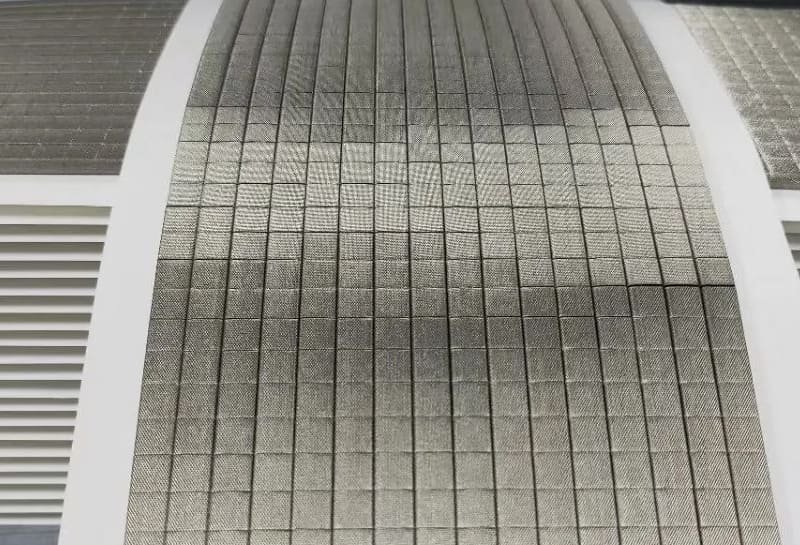
Fabric over foam gaskets use a soft foam core covered with conductive fabric or mesh. This structure supports low closure force. It can work well on light doors, covers, and access panels where the housing cannot apply much compression load. These gaskets are not usually chosen for strong environmental sealing. Water, abrasion, and repeated handling should be reviewed carefully.
Beryllium Copper
Beryllium copper is a spring metal used in EMI fingers, clips, and contact strips. It can provide strong electrical contact and high shielding performance over many opening and closing cycles.
It does not behave like an elastomer gasket. If the design also needs dust, water, or pressure sealing, it may need to be paired with a separate environmental gasket.
EMI Gasket Manufacturing
The best process depends on gasket shape, material, volume, shielding target, and assembly method.
| Process | Best For | Design Notes |
|---|---|---|
| CNC cutting | Prototypes, small batches, fast design checks | No hard tooling; useful before final die or mold investment |
| Die cutting | Flat gaskets, high repeatability, medium to high volume | Supports PSA backing, kiss-cut parts, bolt holes, slots, and nested layouts |
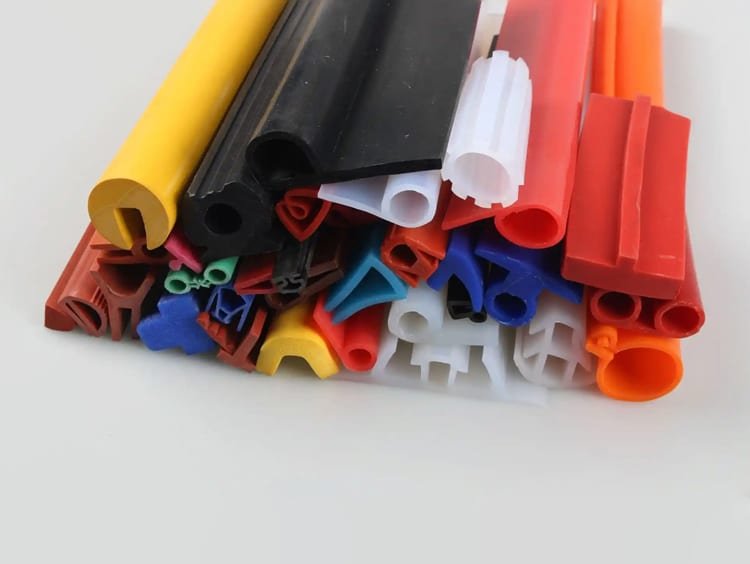
| Extrusion | Long seals, flange seals, groove seals, continuous profiles | Common profiles include solid O, hollow O, D, P, E, U, solid square, and hollow square |
| Compression molding | Three-dimensional gaskets, custom ribs, bosses, and molded features | Helps reduce waste when conductive compounds are expensive |
CNC Cutting
CNC cutting uses controlled cutting tools to cut gasket material into the required shape. It is useful for prototypes, low-volume work, and early design validation.
This process can reduce lead time when the design is still changing. It also avoids the cost of a dedicated die or mold during early development.
Die Cutting
Die cutting is a strong option for flat EMI gaskets made from conductive silicone sheet, fluorosilicone sheet, foam, or fabric-over-foam material.
Once the design is fixed, die cutting is fast and repeatable. It can support small lots or very high production volumes. It can also create bolt holes, slots, specific corner radii, and nested part layouts.
Conductive pressure-sensitive adhesive, or PSA, can be added to help assembly. Kiss cutting can leave each gasket on a release liner, making it easier for operators to peel and place parts on the line.
For flat shielding gaskets, die cutting often provides a practical balance of cost, speed, and accuracy.
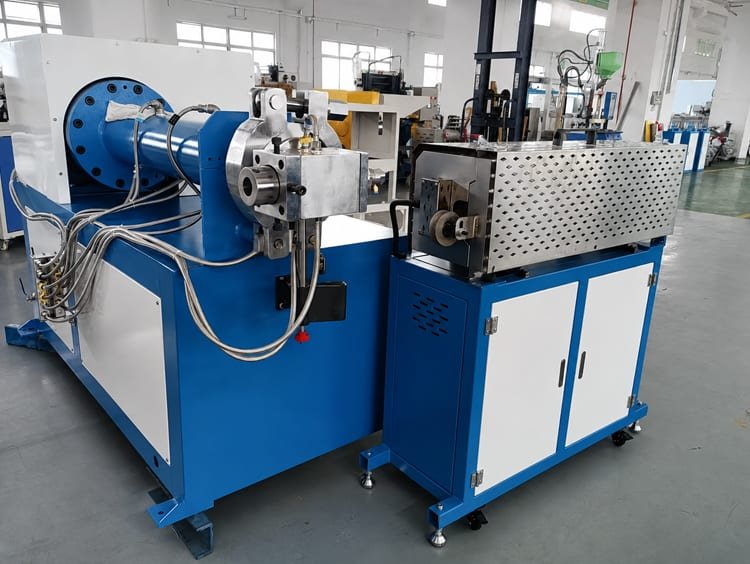
Extrusion
Extruded EMI gaskets are useful for flange seals, grooves, long enclosure seams, and continuous housing seals.
Common profile shapes include solid O, hollow O, D, P, E, U, solid square, and hollow square. Custom profiles can also be designed when the seal needs a special fit, anti-stretch feature, or press-fit function.
After extrusion and curing, the gasket can be cut, spliced, bonded, or joined into a closed EMI/RFI enclosure seal. Splicing is often done with a small mold. Cold bonding or adhesive joining may also be used, depending on the material and performance target.
One benefit of extrusion is material efficiency. Some EMI shielding extrusions can use a conductive outer layer over a non-conductive or lower-cost core. This can reduce the amount of expensive silver or nickel-graphite filler in the final part.
Compression Molding
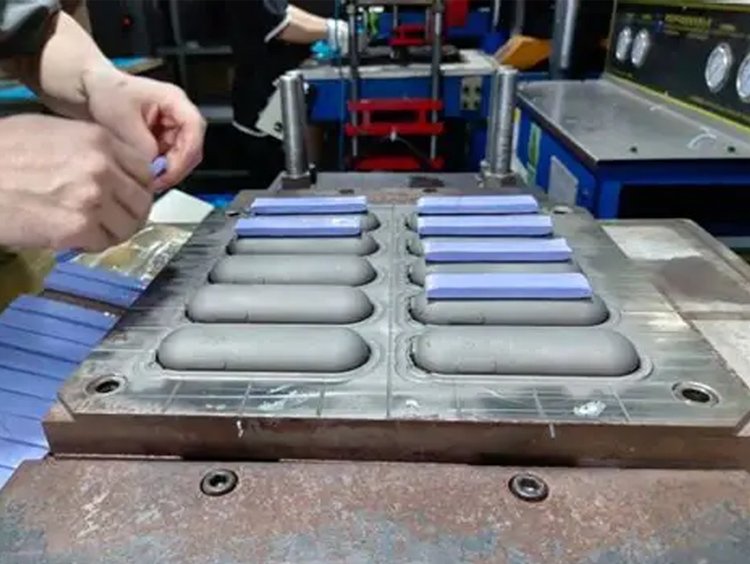
Custom molded EMI gaskets are useful when a flat die-cut gasket or a standard extrusion cannot match the design.
Compression molding can form three-dimensional gasket features, local ribs, alignment tabs, bosses, and sealing details in one part. It can also reduce scrap when the conductive compound is expensive, because the process can place material closer to the final part geometry.
Molded EMI gaskets are often used when the design needs controlled compression, complex contact paths, or integration with housing features.
Fecision custom EMI gasket support
Fecision supports custom silicone compression molding and die cutting for EMI gasket projects that need more than a standard flat seal. For molded EMI gaskets, the material choice usually starts with conductive silicone or conductive fluorosilicone. Our silicone rubber molding service can support molded ribs, bosses, alignment tabs and more. Fecision also provides value-added services such as trimming, bonding, splicing, or assembly when the design needs it.
Considerations For EMI Gaskets
Material selection is only one part of the design. The gasket must also maintain reliable electrical contact after assembly.
Key points to review:
- Shielding target: Define the frequency range and required shielding effectiveness.
- Compression load: Make sure the enclosure can compress the gasket enough to create contact without damaging the part.
- Gasket height and compression range: Avoid under-compression and over-compression.
- Surface plating: Match conductive fillers to the mating metal surface to reduce galvanic corrosion risk.
- Environmental sealing: Decide whether the gasket must also block water, dust, oils, fuels, or cleaning agents.
- Attachment method: Choose groove retention, mechanical fastening, PSA backing, or molded-in features.
- Service life: Check compression set, aging, vibration, and opening cycles.
- Production route: Match the process to the geometry, tolerance, volume, and material cost.
Applications
Defense And Aerospace
In defense and aerospace, EMI shielding can affect mission safety and equipment reliability.
Satellite systems, GPS devices, radar units, aircraft electronics, and communication hardware all depend on clean signal behavior. EMI can reduce accuracy, disturb controls, or cause unexpected system failures.
These applications also see harsh environments. Rain, snow, sand, heat, cold, vibration, fuel exposure, and pressure changes may all be part of the design case. That is why material selection, plating compatibility, compression design, and test documentation matter.
For some defense programs, EMI gasket materials may need to meet MIL-DTL-83528, also known by the older MIL-G-83528 reference. This specification covers conductive elastomer gaskets used for EMI and RFI shielding. It includes requirements for base elastomer, conductive filler, hardness, and other material properties.
If a program calls for this specification, the gasket material must be selected and documented accordingly.
Medical Devices
Medical devices can also be sensitive to EMI. A failure in a medical setting can carry serious risk, especially when a device controls therapy, monitoring, or life support.
Examples of EMI-sensitive medical environments include:
- Operating rooms with many electrical and electronic systems.
- Life-support equipment such as ventilators and infusion pumps.
- Patient telemetry and auxiliary monitoring equipment.
- X-ray and imaging equipment used for diagnosis and treatment.
- Implantable or wearable devices that depend on stable signal behavior.
EMI shielding is one way to help protect critical medical electronics. The gasket design should be reviewed together with the enclosure, grounding path, cleaning method, and biocompatibility or regulatory needs.
Conclusion
An EMI gasket is both a seal and an electrical contact path. It must close mechanical gaps while maintaining shielding continuity across the enclosure.
Conductive silicone is a common starting point for flexible EMI gaskets. Fluorosilicone is better when fuels, oils, or harsh fluids are involved. EPDM can help in outdoor and water-facing designs. Fabric over foam works well when closure force is low. Beryllium copper is useful when spring contact and repeated cycling matter more than soft sealing. The best gasket is the one that fits the whole system: frequency range, material exposure, enclosure plating, compression force, geometry, and production volume.
 LSR Injection Molding
 Silicone Overmolding
 Compression Molding
 Silicone Extrusion
 In-house Tooling