
Assembly
Assembly support for silicone components and medical device subassemblies, using controlled process steps aligned with product and regulatory requirements.
Feicion offers multiple secondary operations for your silicone products to enhance mechanical properties,brand identities and more.
A molded part is rarely the finished product. Assembly, decoration, testing usually follow. Every handoff introduces latency, miscommunication, and quality drift, costs that rarely appear on a purchase order but show up in lead times and defect rates.
The most efficient manufacturers treat the part not as the end of the process, but as the beginning of a controlled, continuous workflow. That is why we keep secondary operations in-house. For silicone rubber components, we offer an integrated finishing suite designed to preserve the material's unique properties.
Practical finishing and post-molding services for silicone rubber parts that need fit, function, identification, or assembly readiness.
Assembly support for silicone components and medical device subassemblies, using controlled process steps aligned with product and regulatory requirements.
Adhesive silicone gels and bonding support for programs that require strong chemical bonds to liquid silicone rubber or related substrates.
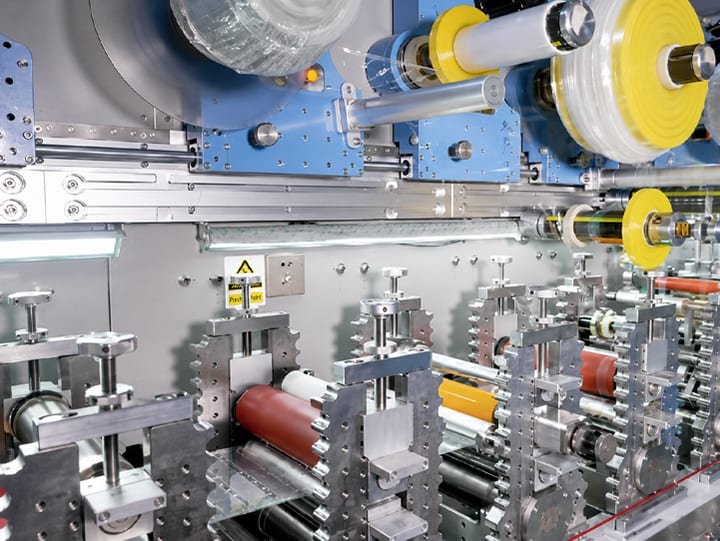
Repeatable tube cutting and automated coiling support for silicone tubing programs that need consistent length, handling, and packaging results.
Die cutting transforms silicone parts into required shapes, patterns, and openings. We also support hole punching, Y-slit, X-slit, and other slit configurations.
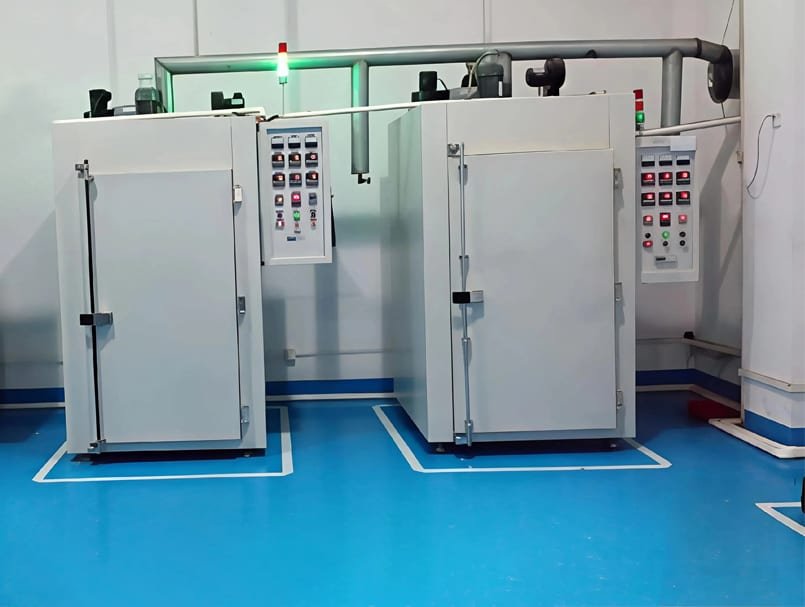
Controlled elevated-temperature post-curing can improve mechanical properties, heat resistance, and biocompatibility-related production requirements.
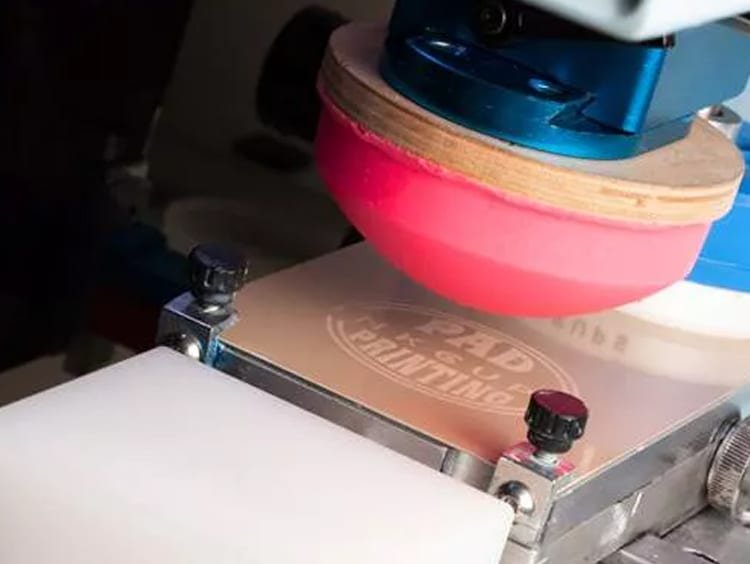
Pad printing adds markings, icons, logos, or visual indicators to molded silicone parts where product identification or user-facing aesthetics matter.
Final checks confirm that assemblies and molded parts meet intended use requirements before packaging or shipment.
Customized slitting stations support consistent slits in valves, bottle nipples, and other LSR components that require precise openings.
Laser marking can add product identifiers, serial numbers, tracking marks, or durable part information to liquid silicone rubber components.
Post Vulcanization is a controlled secondary heat treatment used after silicone molding. By exposing parts to elevated temperature for a defined time, the process helps complete cure behavior, reduce residual volatiles, stabilize mechanical performance, and support applications with stricter medical, food-contact, or long-term reliability requirements.
Secondary operations begin with a molded or extruded silicone part. Explore the manufacturing routes that often feed into finishing, assembly, testing, and packaging work.
Liquid silicone rubber molding for tight-tolerance, repeatable silicone parts that may need trimming, post curing, inspection, or assembly.
CMCompression molded silicone parts often move into finishing work for flash removal, surface treatment, inspection, and packaging.
EXTExtruded silicone tubing and profiles can be cut, joined, marked, inspected, and prepared for customer-specific assemblies.
OVMOvermolded components may require bonding review, functional checks, secondary assembly, and final quality control before release.
Useful when molded silicone parts need additional function, assembly readiness, or product identification.
Device subassemblies, functional checks, post-curing, identifiers, and controlled silicone openings.
Bottle nipples, valves, tubing, dispensing features, slit patterns, and packaging preparation.
Printed icons, tactile details, soft-touch components, buttons, seals, and decorative silicone parts.
Gaskets, tubes, protective parts, serial marking, final testing, and production-ready finishing.
Send your drawing, molded part sample, finishing requirement, and expected volume. Fecision will help review the best post-molding route.