
Liquid Silicone Rubber Injection Molding Service
Fecision provides custom Liquid Silicone Rubber injection molding for precision silicone parts that need clean surfaces, stable dimensions, and repeatable quality. We connect material selection, mold design, automated molding, and inspection so projects move from prototype to production with less risk.
- ISO 9001 Certified
- ISO 13485 Certified
- Tolerances tight to +/- 0.02 mm
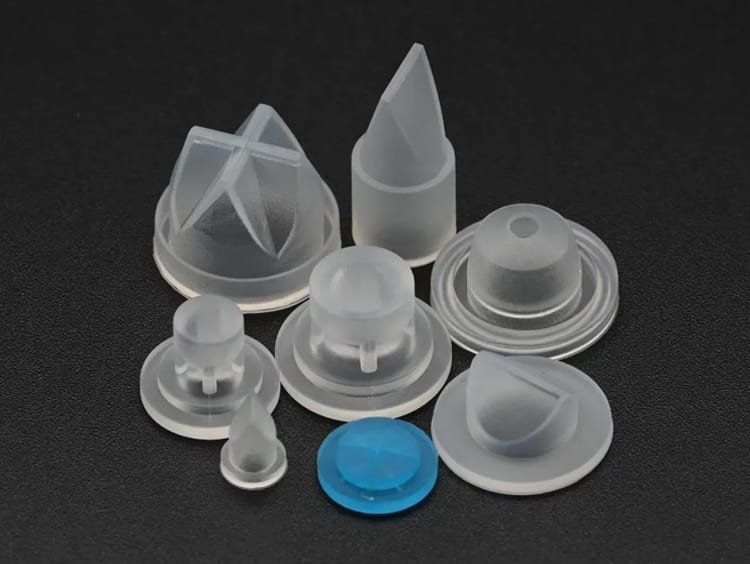
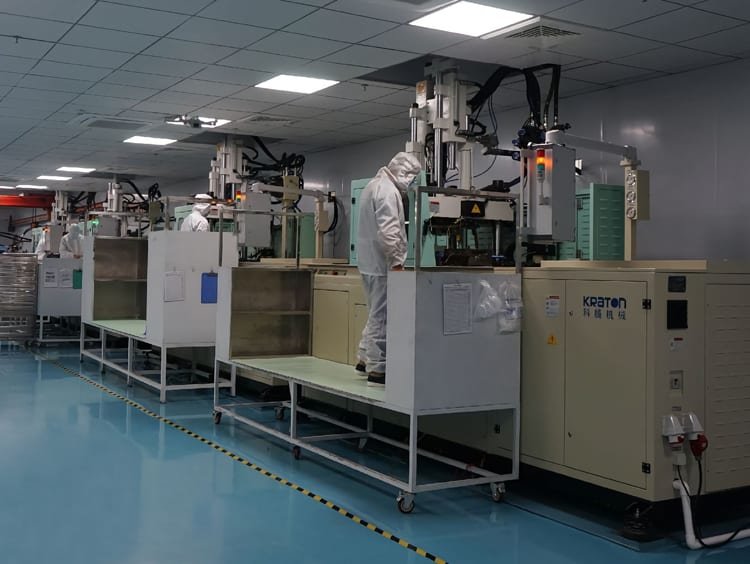
LSR Molding Services Built For Production
Standard silicone parts often force you to compromise on design. At Fecision, we believe your parts should be built around your product, not the other way around. Our LSR injection molding service gives you complete freedom over shape, size, color, material grade, and hardness from 10 to 80 Shore A, so every part fits your application as intended.
Our custom LSR injection molding process delivers consistent quality and tight tolerances you can rely on. Hundreds of clients around the world already trust us, and together we have developed and shipped millions of custom silicone parts.
LSR Molding Materials
Material choice should match the real working conditions of the part: food contact, medical reliability, optical clarity, heat exposure, electrical performance, or repeated use. We help confirm the LSR grade before mold design and sampling.
Standard LSR
A versatile liquid silicone rubber grade suited for durable molded parts, stable processing, and repeatable production across general industrial and consumer applications.
Medical-grade LSR
Formulated for biocompatibility, cleanliness, and process control in medical and healthcare products that require reliable validation and traceable quality systems.
Optical-grade LSR
Designed for high light transmission, visual clarity, and stable optical properties in components used for lenses, lighting, and transparent silicone features.
Food-grade LSR
A food-contact silicone option selected for taste neutrality, safe repeated use, and dependable performance in beverage, infant, and kitchen-related applications.
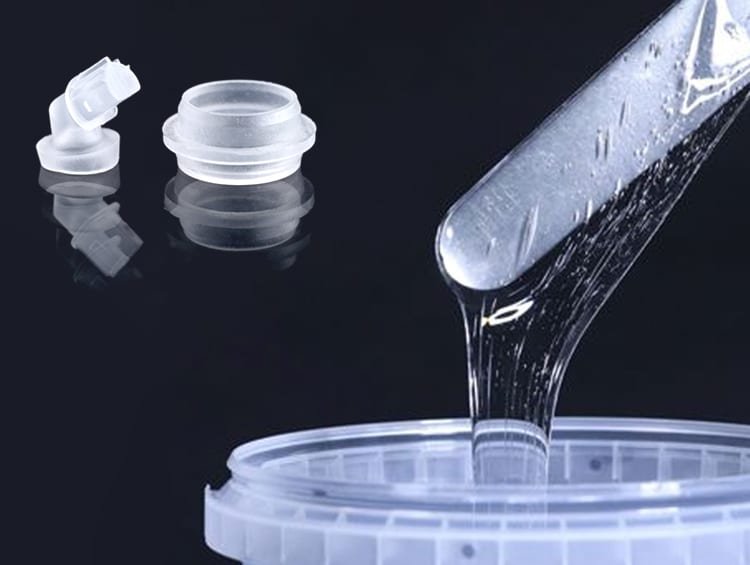
Fecision maintains long-term partnerships with global silicone rubber material brands including Wacker, Dow, Momentive, Shin-Etsu, and other qualified suppliers. For different industries and complex application conditions, we can work with raw material partners to develop custom silicone formulations around hardness, color, cure behavior, biocompatibility, thermal resistance, and production consistency.




LSR Injection Molding Capabilities
Use these LSR injection molding capabilities to align part size, tolerance, tooling strategy, and production expectations before quoting or mold build.
| Standard | Description |
|---|---|
| Size | 300 x 200 x 100 mm |
| Tolerance | Mold tolerance: +/- 0.01 mm, Parts tolerance: +/- 0.05 mm |
| Part to Part Repeatability | +/- 0.1 mm |
| Mold Cavities | Single cavity molds, multi-cavity molds |
| Mold Cavity Life | 3 million to 5 million shots for production tooling |
| Mold Material | Tool steel: P20, H13 Stainless steel: 420 |
| Available Mold Types | Prototype tooling, production tooling |
Secondary Operations
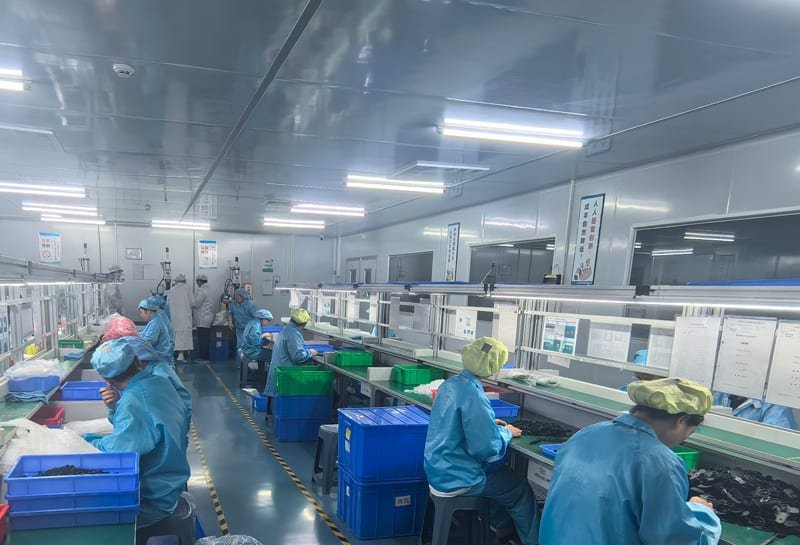
Many LSR parts need more than molding. In-house finishing keeps post-curing, marking, trimming, bonding, assembly, and inspection connected to the same production quality system.
LSR Injection Molding Case Studies
See how Fecision turns drawings, material targets, and production constraints into practical LSR molding programs with controlled tooling, validation, and inspection.

"The valve looked simple, but small changes in slit geometry created real leakage and feeding problems. Fecision helped us stabilize the opening pressure, improve durability, and remove odor concerns for a premium baby feeding line."
Stabilizing a Silicone Duckbill Valve for Baby Feeding Products
A leading baby feeding product manufacturer needed more consistent LSR duckbill valve performance for bottle and breast-pump assemblies, with better opening pressure control, fatigue resistance, and odor performance.
Fecision reviewed food-grade LSR selection, slit cutting tolerance, wall thickness, and fit geometry together, helping the program improve leakage control and move toward stable production quality.
Full Case StudyApplications Of LSR Injection Molding Product?
LSR injection molding is widely used where soft-touch performance, sealing, biocompatibility, heat resistance, and repeatable precision matter.
Consumer Goods
Soft-touch components designed around product use and operating environment.
Consumer ElectronicsBaby Care
Pacifiers, bottle nipples, teething toys, and durable safe silicone parts.
Food & Baby CareAutomotive
Connector seals, vibration components, grommets, and protective silicone parts.
Mobility SolutionsElectronics
Waterproof seals, protective casings, keypad interfaces, and soft gaskets.
Electronics SolutionsGlance At LSR Products Fecision Made
Explore examples of molded LSR parts produced for sealing, healthcare, food-contact, electronics, and custom industrial applications.
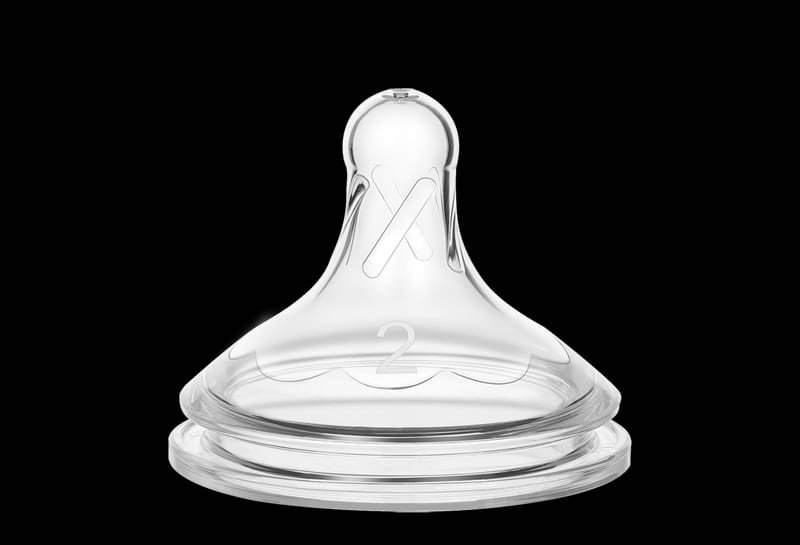 Silicone Pacifier
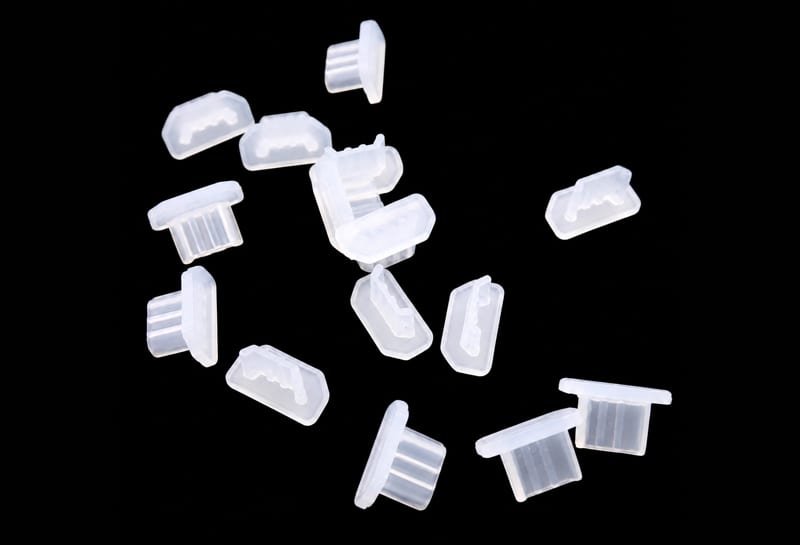 Silicone Sealing Components
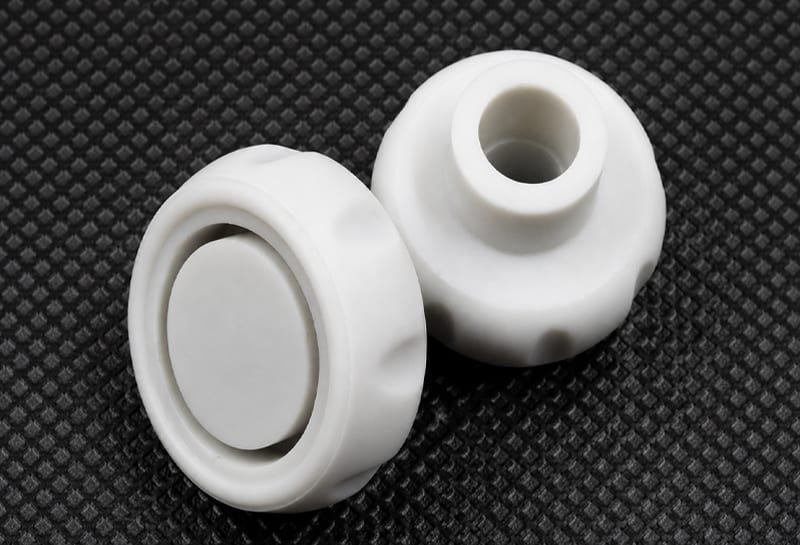 Leak-proof Seal Plug
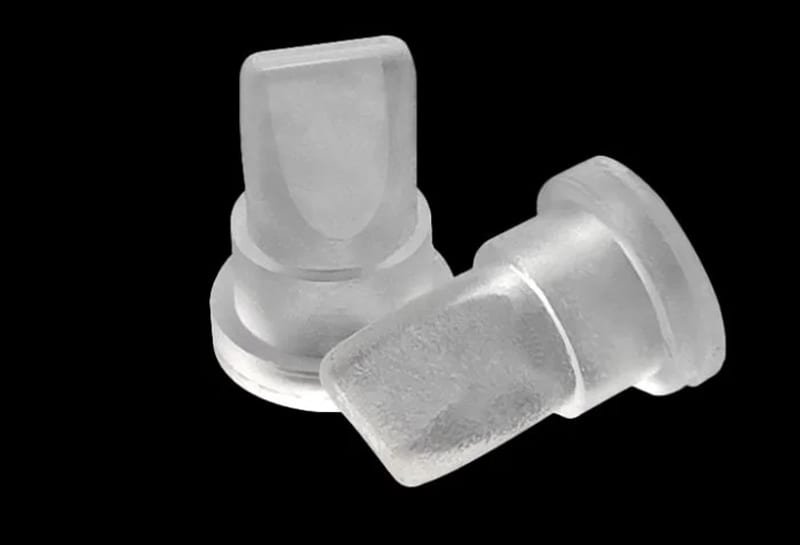 Duckbill Valve
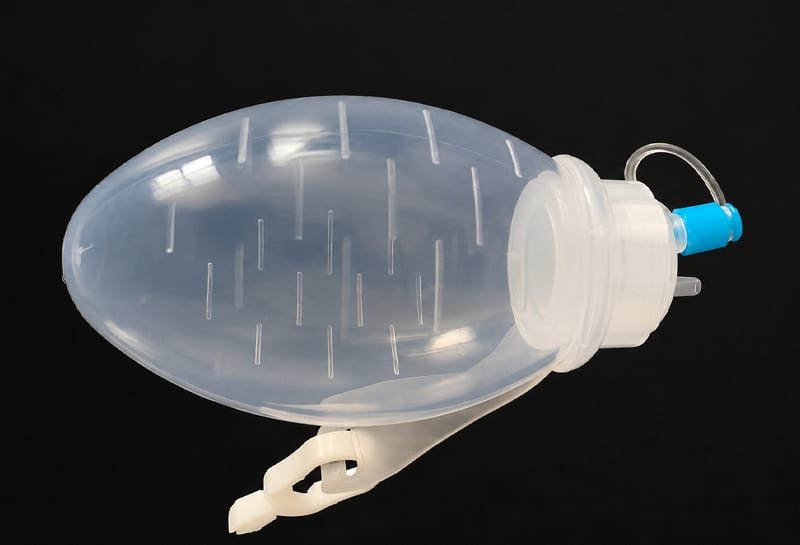 Vacuum Drainage Ball
LSR Injection Molding Processes
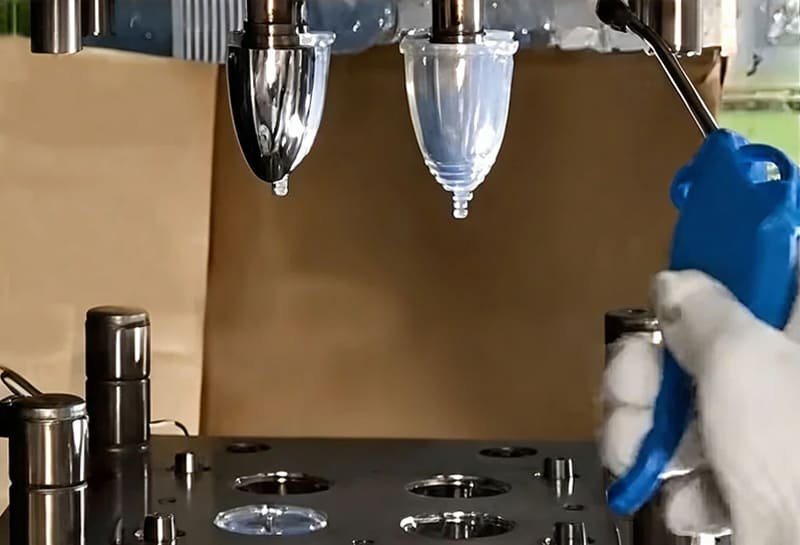
A reliable LSR molding process starts before injection. We review the part, build the mold strategy, control mixing and curing, then inspect finished parts before shipment.
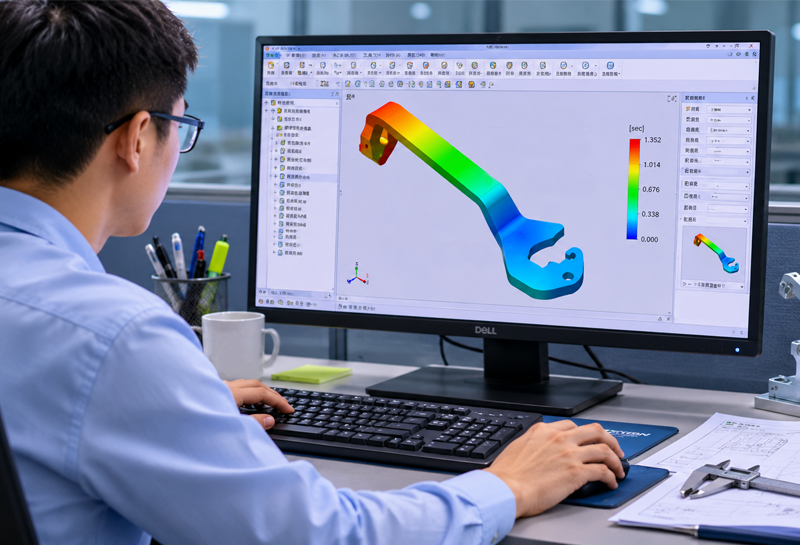
Design & Communication
Review your drawings, material requirements, and application needs. Complete DFM analysis and confirm tooling, tolerance, and production specifications before manufacturing begins.
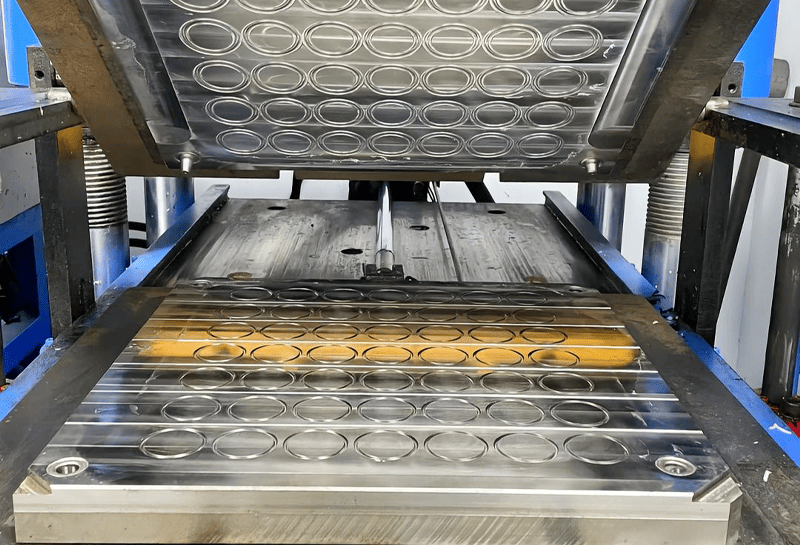
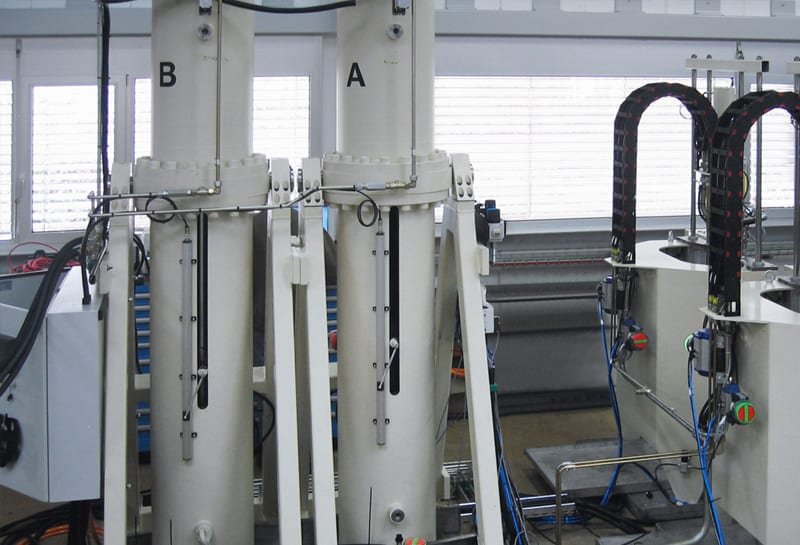
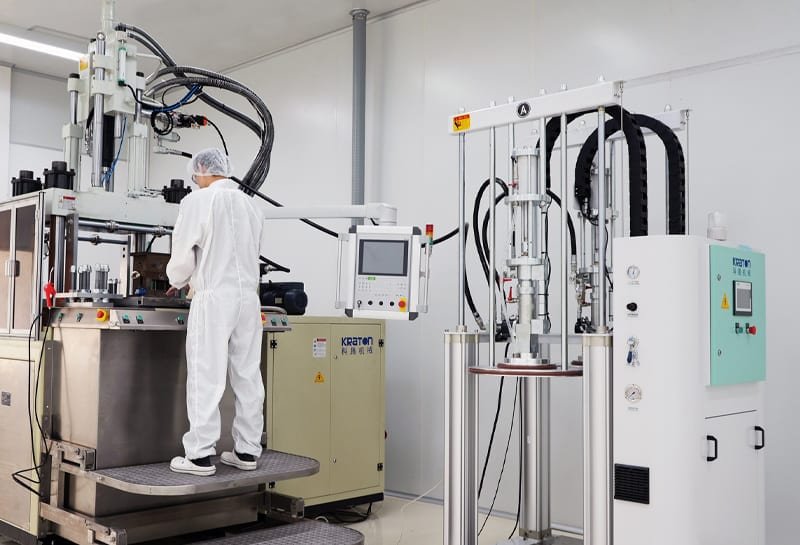
How Does LSR Injection Molding Work?
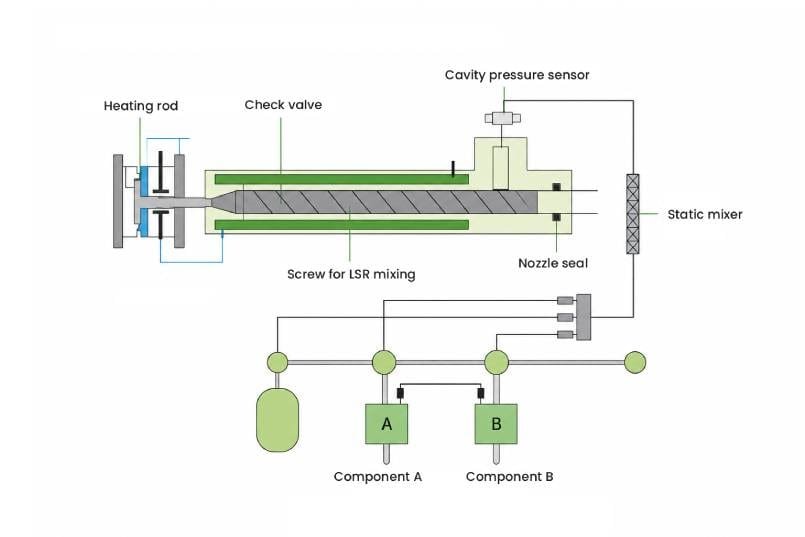
Liquid Silicone Rubber (LSR) injection molding is a common process for producing silicone components. Although it follows the same basic principle as plastic injection molding, LSR requires a dedicated injection molding system. During production, Part A and Part B are metered at a 1:1 ratio and blended in a static mixer. If required, pigments or additives are introduced during this stage.
The mixed LSR is then injected through a cooled injection unit into a heated mold using a cold runner system. While the injection unit remains cool to prevent premature curing, the heated mold vulcanizes the material into its final shape. After the curing cycle is complete, the mold opens, the finished part is ejected, and the process repeats.
LSR Injection Molding Design Guidelines
Good LSR part design improves mold flow, demolding, tolerance control, and production yield. Use these guidelines as a starting point before DFM review.
| Design Rules | Guidelines |
|---|---|
| Wall Thickness | Minimum: 0.2 - 0.25 mm
Recommended: 1.5 - 3.0 mm |
| Draft Angle | General features: 0° - 2°, commonly 2°. |
| Corner Radius | Inside corner radius is roughly equal to Wall thickness. Inside radius should be at least 0.5 mm, outside radius around 1.5 mm. |
| Tolerance | Standard tolerance: +/- 0.1 to +/ 0.2 mm Precision tolerance: +/- 0.05 mm |
| Mold Temperature | 130°C - 200°C or 320°F - 450°F |
| Shrinkage | Compensate for 2.5% - 3.5% silicone shrinkage during mold design. |
Frequently Asked Questions
These answers cover the LSR injection molding questions teams usually ask before material selection, tooling, sampling, and production planning.
What materials can you mold?
We work with food-grade LSR, medical-grade LSR, optical-grade silicone, fluorosilicone, and custom compounds selected for each product requirement.
Can you support low-volume validation before mass production?
Yes. We can begin with DFM review, prototype tooling, and validation runs before moving into multi-cavity production tooling.
Do you provide secondary operations?
Yes. We support post-curing, trimming, printing, bonding, drilling, dipping, inspection, packaging, and assembly.
Ready to build LSR Injection Molding parts?
Send drawings, CAD files, samples, target material, and volume. We will review the molding route and return practical production feedback.