
Prototyping
Rapid Tooling
Rapid tooling accelerates the creation of injection molds and parts, delivering high-quality results in a fraction of the time.
- Material: Aluminum
- Cycles: 100-10,000 cycles
- Lead time: 10-12 days
Advanced tooling capabilities spanning CAD design, mold flow analysis, 5-axis CNC machining, EDM, and custom production-ready molds.
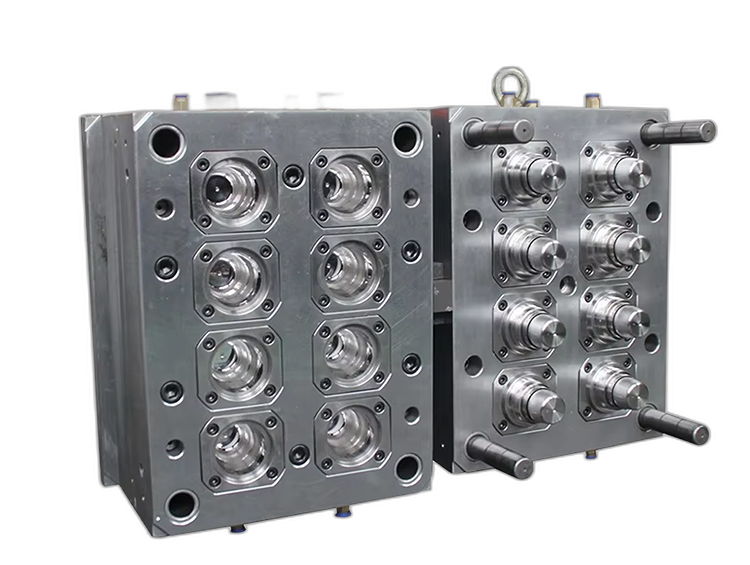
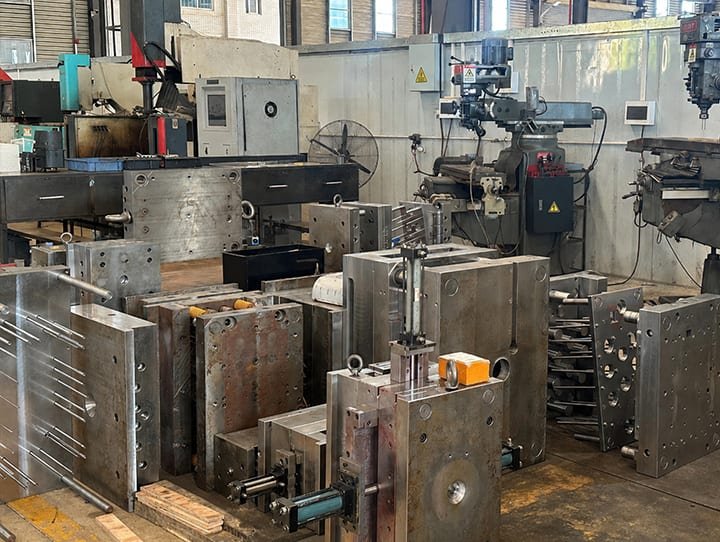
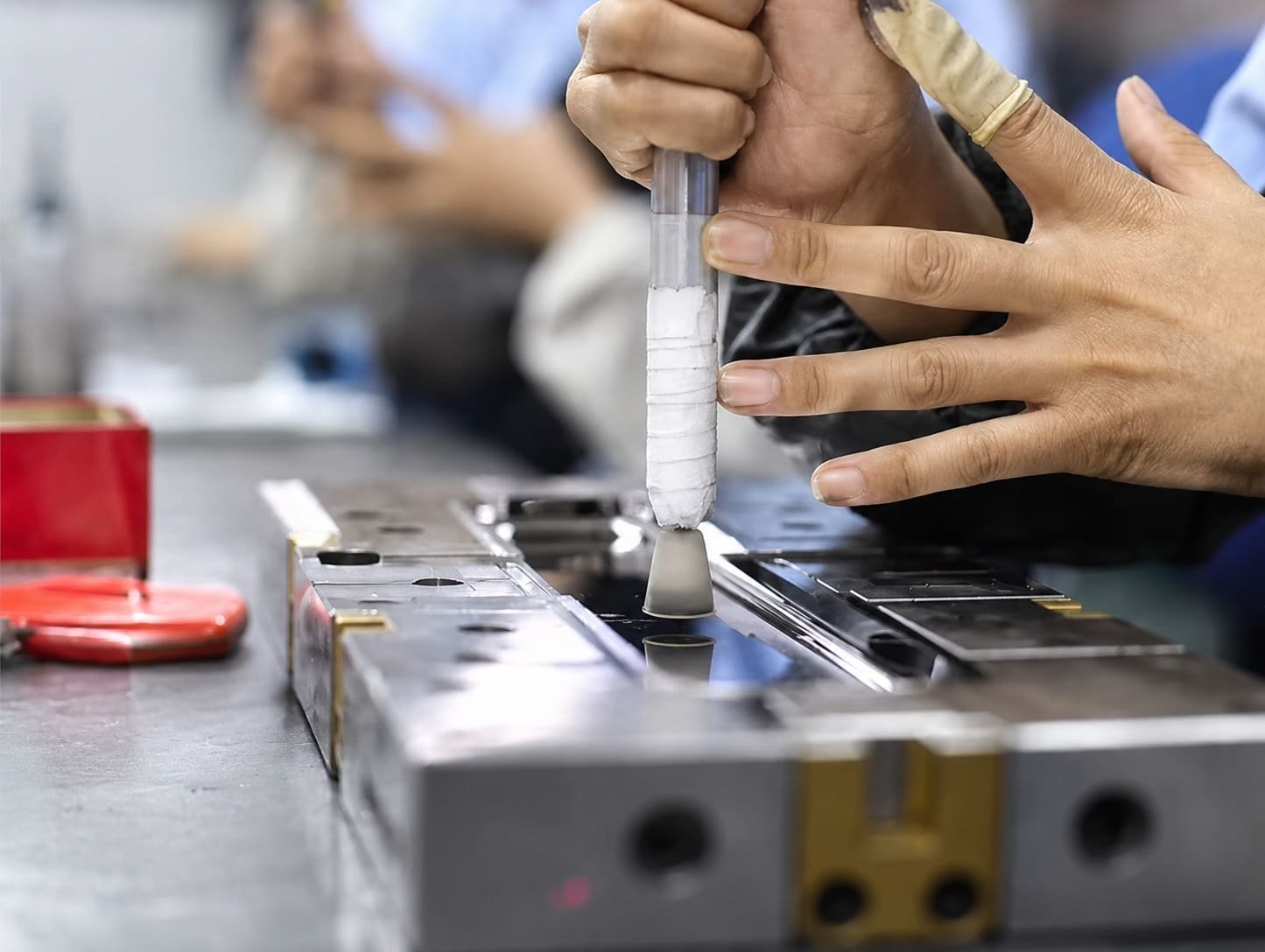
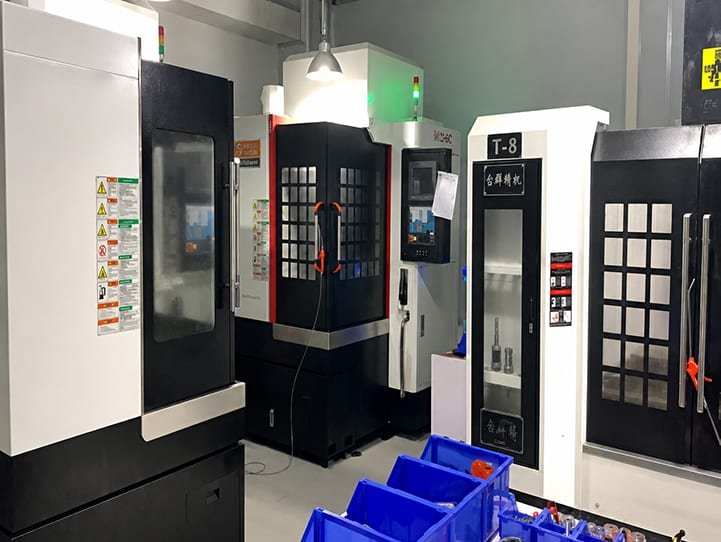
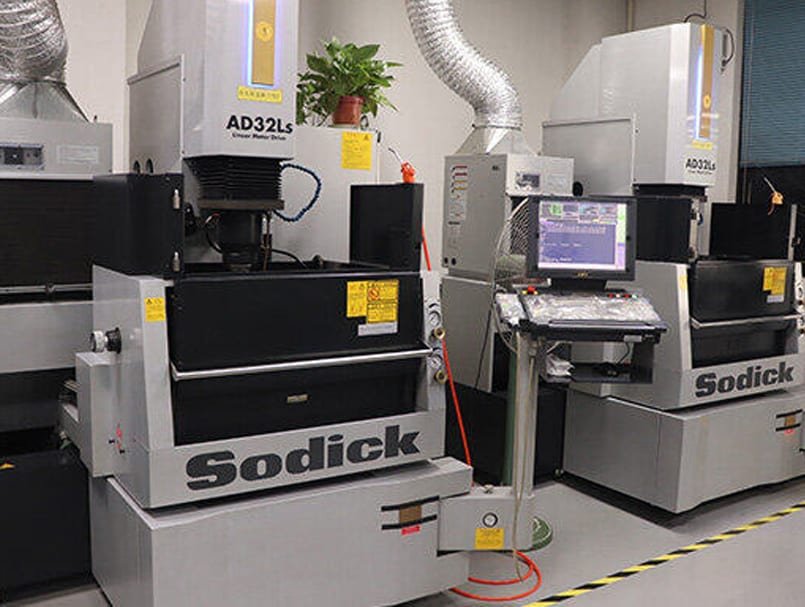
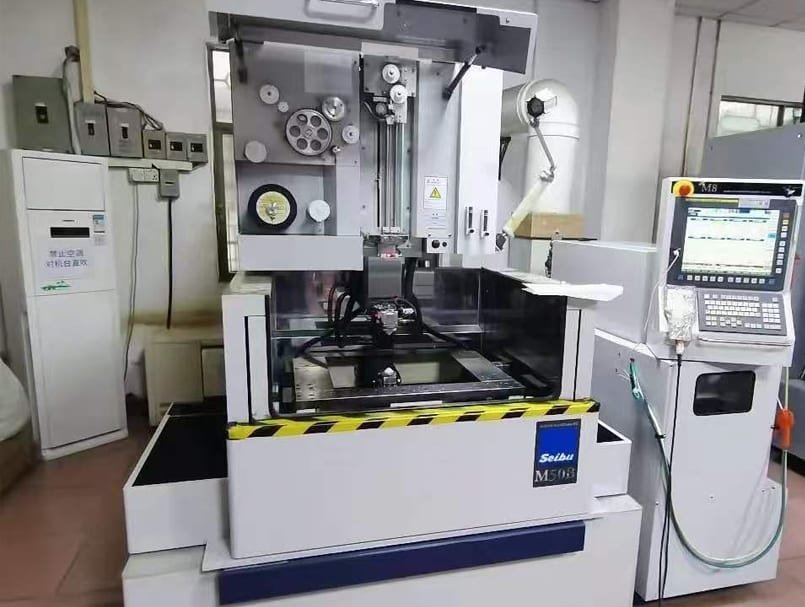
Fecision supports in-house tooling from CAD design and mold flow analysis to 5-axis CNC machining, EDM, and precision mold fabrication.
Our tooling process helps accelerate rapid validation, production mold builds, tight-tolerance geometry, and stable long-run manufacturing.
From rapid aluminum prototypes to hardened steel production molds.
Rapid tooling accelerates the creation of injection molds and parts, delivering high-quality results in a fraction of the time.
Production tooling is built for high-volume LSR components and supports more intricate designs, tighter repeatability, and durable long-run performance.
Common tool steels for silicone molding tools, selected according to finish, durability, thermal load, and corrosion requirements.
Versatile steel with good toughness, commonly used for general-purpose molds.
High hardness with excellent finish quality for precision mold applications.
Tough, heat-resistant steel for high-temperature and demanding mold conditions.
High-hardness, corrosion-resistant steel for durable molds with smooth finishes.
High-strength aluminum alloy for rapid tooling, prototype molds, and lightweight fixtures.
Machinable aluminum alloy for fast prototype tools, jigs, and validation fixtures.
Corrosion-resistant stainless steel for tooling exposed to moisture, cleaning, or medical-use requirements.
Hardenable stainless steel for polished mold surfaces and wear-resistant production tooling.
Tool making tolerances vary by application and manufacturing process. Below is a summary of typical ranges.
| Feature | Tolerance | Notes |
|---|---|---|
| Linear Dimensions | +/-0.05 to +/-0.2 mm | Size and complexity dependent. |
| Wall Thickness | +/-0.1 to +/-0.2 mm | Consistent silicone thickness. |
| Hole Diameter | +/-0.05 to +/-0.1 mm | Functional or assembly precision. |
| Shrinkage Allowance | 1% to 3% | Material-specific compensation. |
| Surface Finish | Ra 0.8 um or better | Functional or aesthetic requirements. |
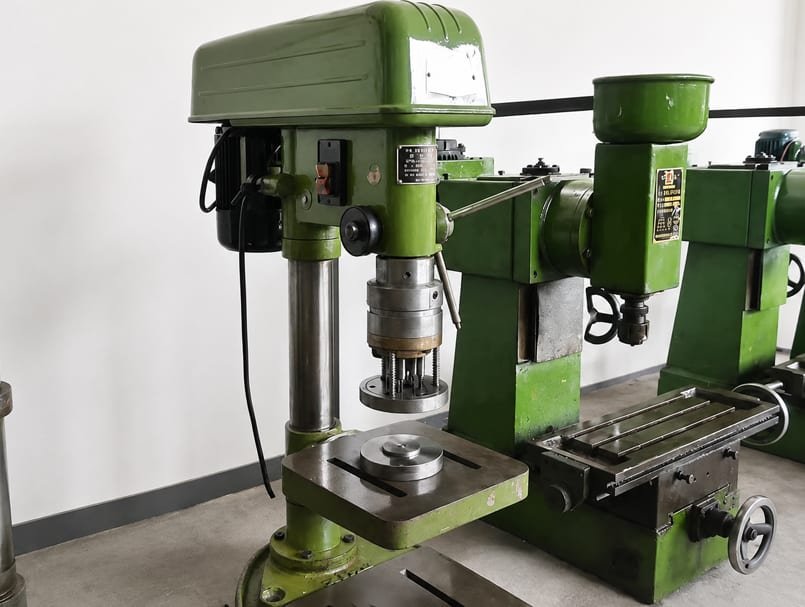
In-house CNC and EDM technology creates precise rapid and production tooling with tight tolerances and intricate features.
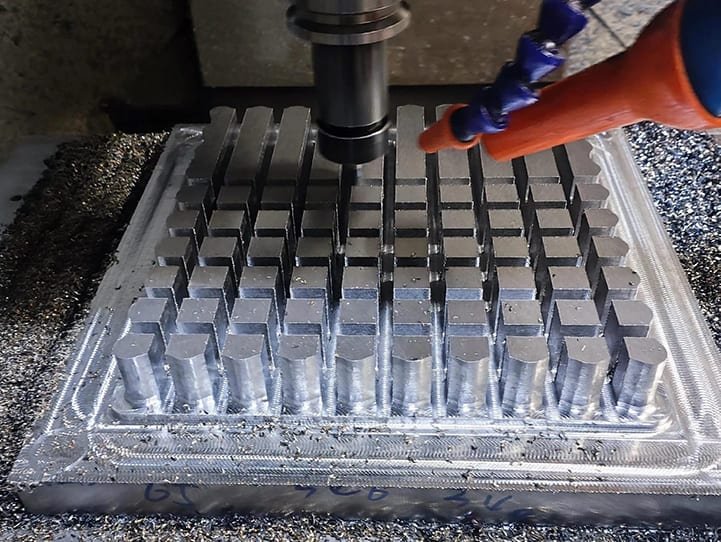
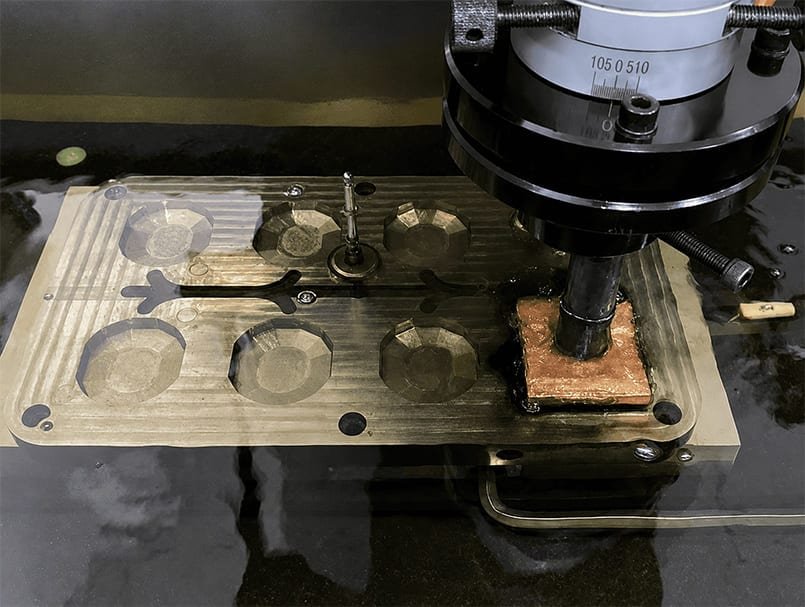
Climate-controlled shop floor with precision machining assets.
Common questions about lead time, silicone shrinkage, tooling materials, and production readiness.
Rapid aluminum tooling usually takes 10-12 days, while steel production tooling typically requires 3-6 weeks depending on complexity.
We apply a typical 1% to 3% shrinkage allowance based on material behavior, part geometry, and validation results before steel cutting is finalized.
Yes. We support rapid tooling for prototype validation and hardened steel production tooling for high-volume LSR programs.
Yes. We combine CAD design, mold flow analysis, CNC machining, EDM, grinding, and inspection to support tight, repeatable tooling requirements.
Share your part geometry, volume targets, and material requirements.