
Environmental Interface Gaskets
Used between connector halves to block water, dust, chemicals, and outdoor exposure.
Fecision manufactures connector gaskets for sealing, environmental protection, and EMI/RFI shielding. We help match gasket geometry, material and production process to connector housings, cable interfaces and more.
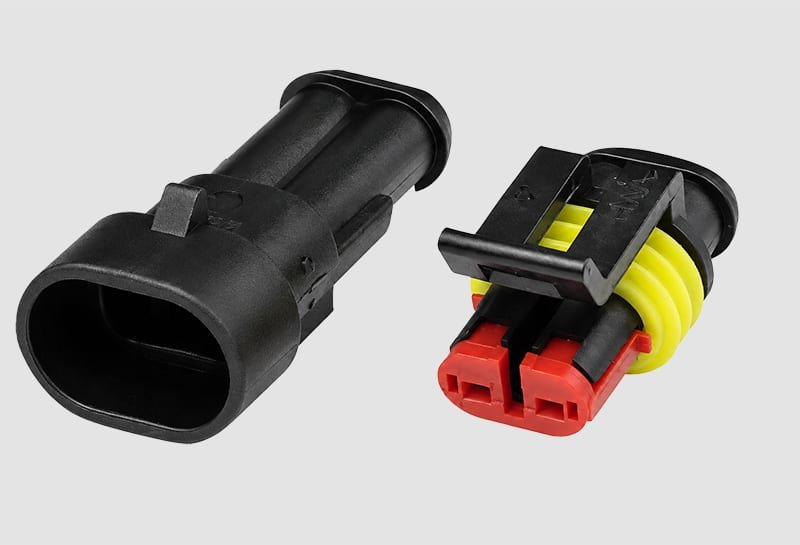
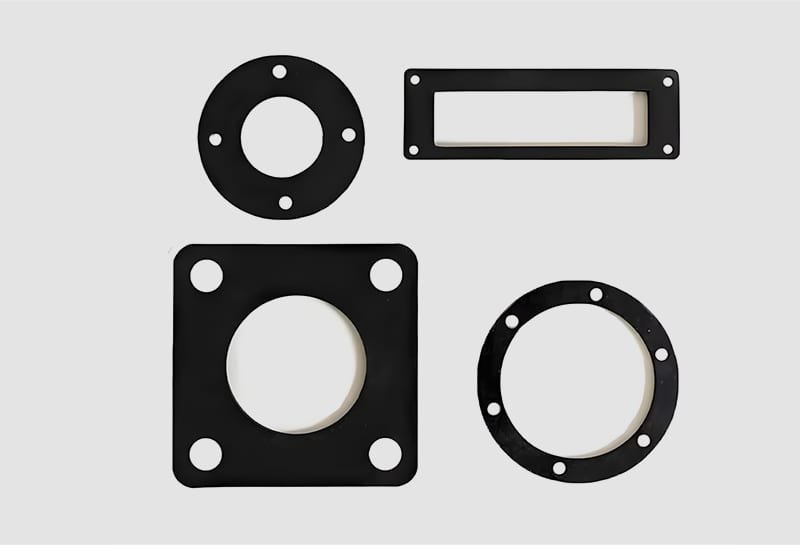
A connector gasket is a sealing component installed between mating connector surfaces, panel mount faces, or housing interfaces.
It compensates for small surface irregularities and helps maintain seal integrity under mechanical stress, vibration, thermal cycling, and environmental exposure. Depending on material and design, connector gaskets can block moisture, dust, chemicals, and gases while also supporting electrical continuity for shielded assemblies.
Connector gasket geometry is selected around the sealing path, assembly load, connector housing, and whether the program needs environmental protection, shielding, or both.
Used between connector halves to block water, dust, chemicals, and outdoor exposure.
Seal the connector flange against panels, enclosures, control boxes, or equipment housings.
Use conductive elastomer compounds to maintain shielding continuity across metal housings.
Simple circular or face-contact seals for compact connector grooves and mating faces.
Support sealing around radio frequency connectors where contact integrity matters.
Protect sensitive board-level interfaces where controlled compression is required.
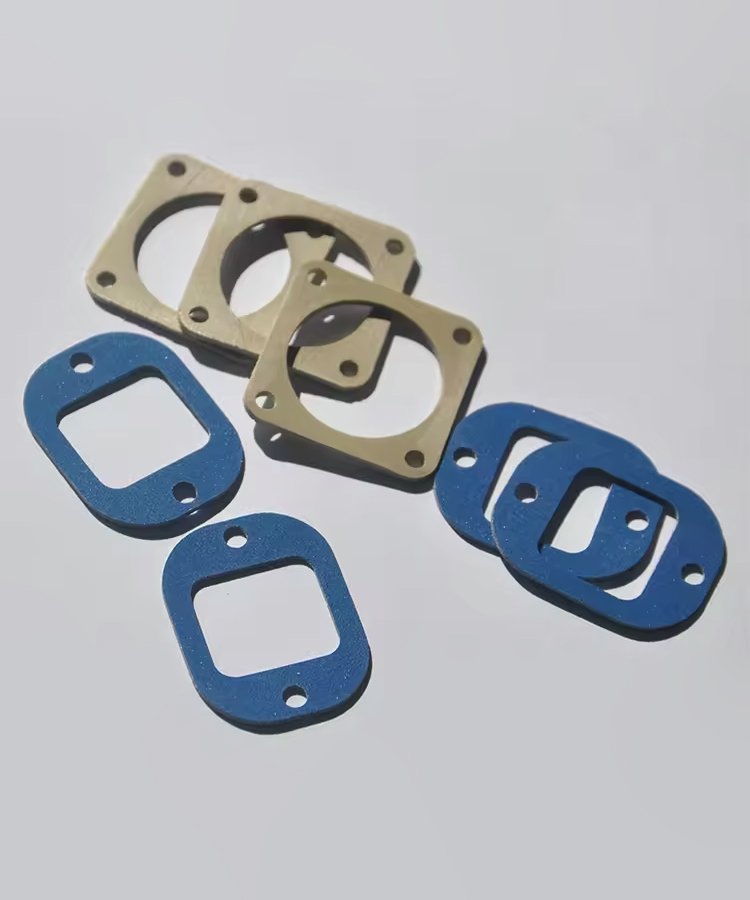
Material choice depends on chemical resistance, temperature range, pressure, gas exposure, EMI requirements, compression set, and whether the gasket needs a sealant or surface coating.
Flexible across wide temperatures and useful for environmental sealing, vibration resistance, and general connector protection.
Typical -55°C to +200°CSpecified near jet fuel, automotive fluids, oils, and solvents while maintaining tensile strength and seal integrity.
Fuel and solvent resistanceSelected for oil resistance, fuel exposure, and durable compression performance in industrial and mobility connector systems.
Oil and pressure serviceSupports demanding chemical exposure where low friction and chemical inertness are more important than high elasticity.
Chemical resistanceUsed for extreme chemical and temperature environments where standard elastomers may degrade too quickly.
Severe environmentsProvides a balanced option for weathering, ozone, and general industrial sealing where cost and durability both matter.
Weathering resistanceConnector gasket selection starts with the real operating environment, then moves into geometry, compression, gland fill, and interface compatibility. The gasket and its mating surfaces should be designed together so the material can compress predictably without extrusion, tearing, or loss of sealing force.
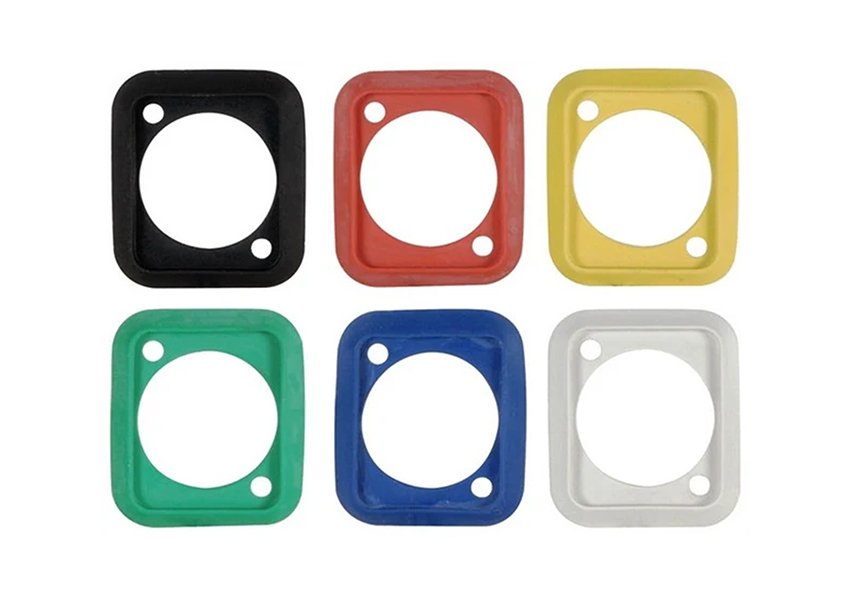
Review moisture, dust, chemicals, fuel, solvents, gas exposure, pressure, and thermal cycling. Aerospace or space-grade programs may also require TML and CVCM limits to protect lenses, sensors, and nearby electronics.
Flat die cut gaskets, O-rings, D profiles, rectangular profiles, and custom molded ribs deform differently. Tall and narrow sections can buckle during compression, creating a leakage path.
A practical gland fill target is often 75-90%. Many elastomer gaskets use 15-35% compression for environmental sealing, while specialized hollow profiles may allow higher compression when the design supports it.
Material recovery under long-term load is critical, especially after heat aging and thermal cycling. Low compression set helps the gasket maintain contact pressure over service life.
For EMI/RFI shielding, conductive filler selection must be compatible with the connector housing and plating system. If the filler and housing sit far apart on the galvanic corrosion chart, moisture can create a corrosion cell and accelerate interface failure.
Conductive fillers should be selected around the connector shell plating, such as nickel-aluminum filled gaskets with compatible cadmium or nickel plated aluminum housings.
High-reliability designs can use a conductive inner gasket for shielding and a non-conductive environmental fluorosilicone outer gasket to block moisture before it reaches the galvanic node.
Manufacturing method affects gasket geometry, tolerance, part cost, material usage, and the ability to integrate alignment features, ribs, coatings, or complex sealing details.
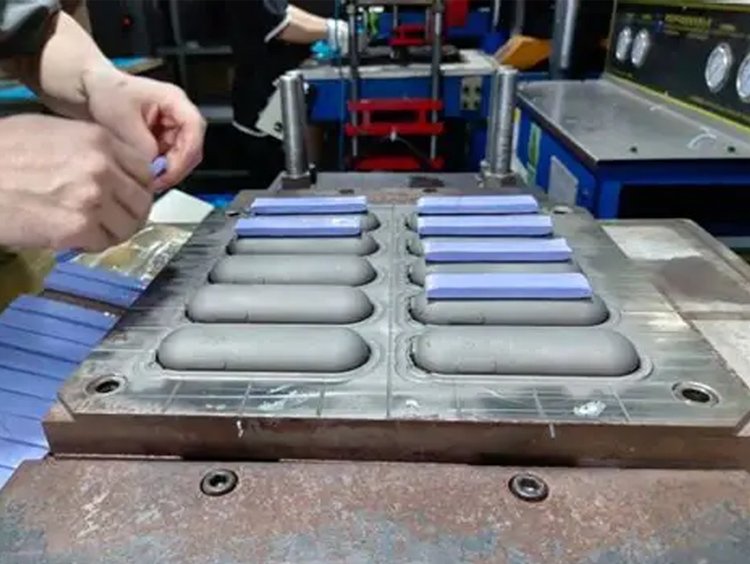
Compression molding or LSR injection molding can form complex three-dimensional features, alignment tabs, sealing ribs, and custom profiles for controlled assembly.
Custom geometry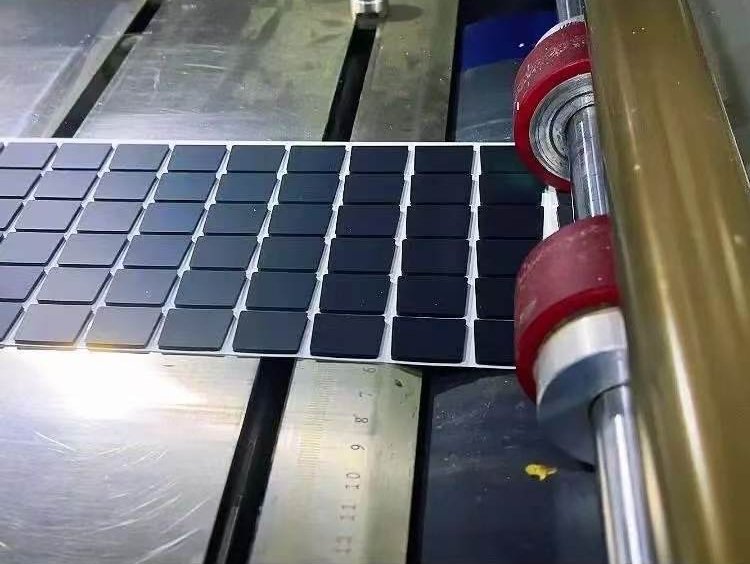
Die cutting from sheet material can be cost-effective for flat gasket geometry, though it is limited to planar shapes.
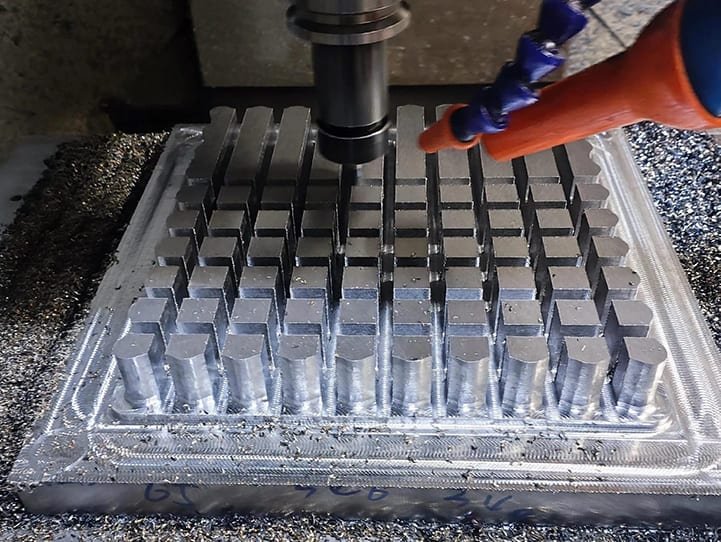
Flat geometryFecision brings your custom gasket designs to life through an integrated manufacturing platform that combines in-house LSR injection molding, compression molding, and precision die cutting under one roof.
We know material selection is just as critical as geometry design when your seal must withstand wind-driven rain, pressure washing, freezing temperatures, extreme heat, and long-term aging. We support solid silicone from 10 to 80 Shore A, fluorosilicone, electrically conductive silicone, thermally conductive silicone, and more.
Our end-to-end process control means every custom gasket moves from material selection through tooling, molding, or cutting without leaving our facility, eliminating delays, reducing cost, and ensuring consistent quality.
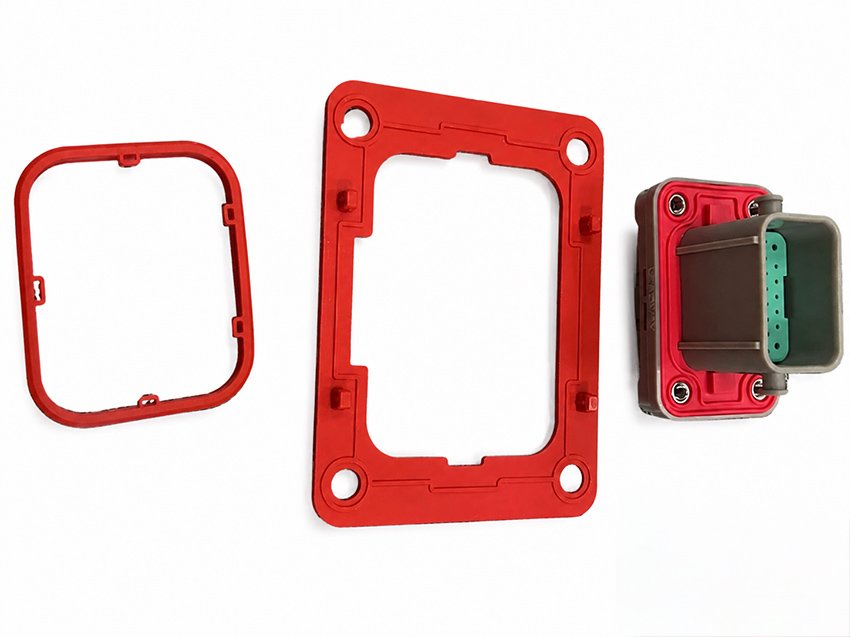
Validation should confirm not only new-part sealing performance, but also whether the gasket still works after heat, vibration, corrosion, chemicals, and repeated connector mating.
Compression testing checks whether gasket materials can maintain sealing force under load, especially after elevated temperature exposure.
IEC 60529 and ISO 20653 tests include IP67, IP68, and IP69K evaluations for immersion, dust, spray, and high-pressure washdown conditions.
EIA-364-17, IEC 60068-2-2, EIA-364-32, and IEC 60068-2-14 can expose loss of elasticity, cracking, tearing, or groove movement.
Salt fog, mixed flowing gas, and fluid contamination tests review whether the gasket blocks corrosive media and resists swelling, softening, or dissolution.
Random vibration and mating-cycle durability checks confirm whether the gasket keeps its installed profile and contact pressure under dynamic motion.
Engineers often test the same connector through thermal shock, vibration, salt fog, and IP immersion so final ingress testing reflects a weathered assembly.
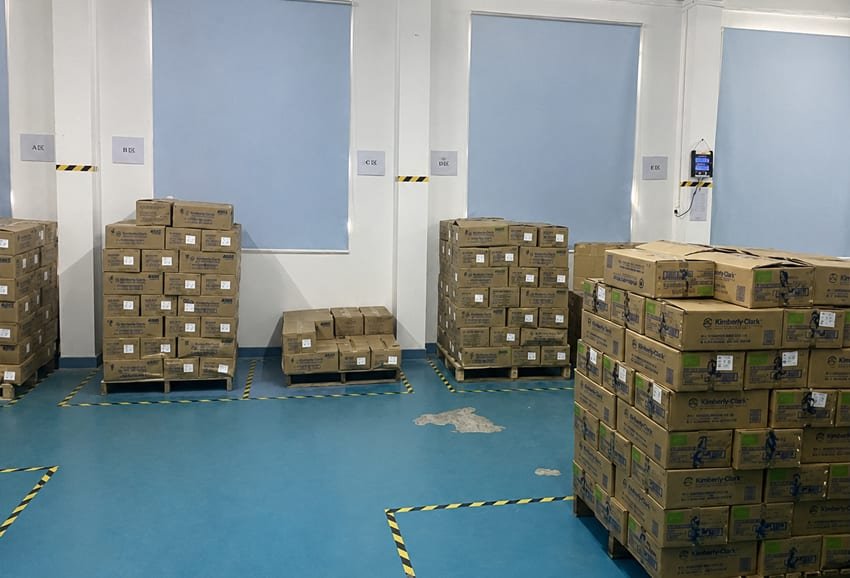
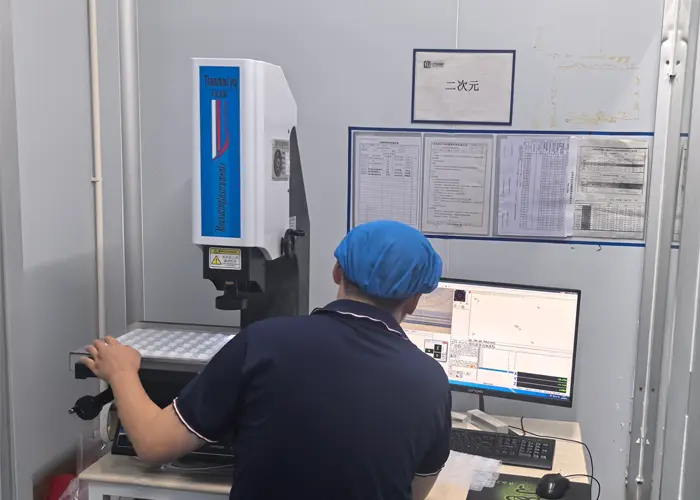
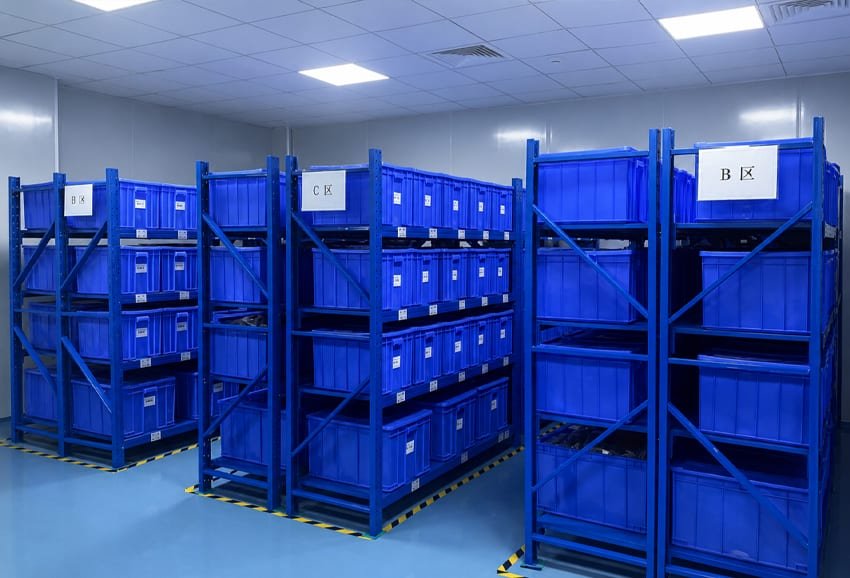
From raw material control to molding, trimming, inspection, packaging, and shipment, each step is reviewed around the sealing function and release requirements.
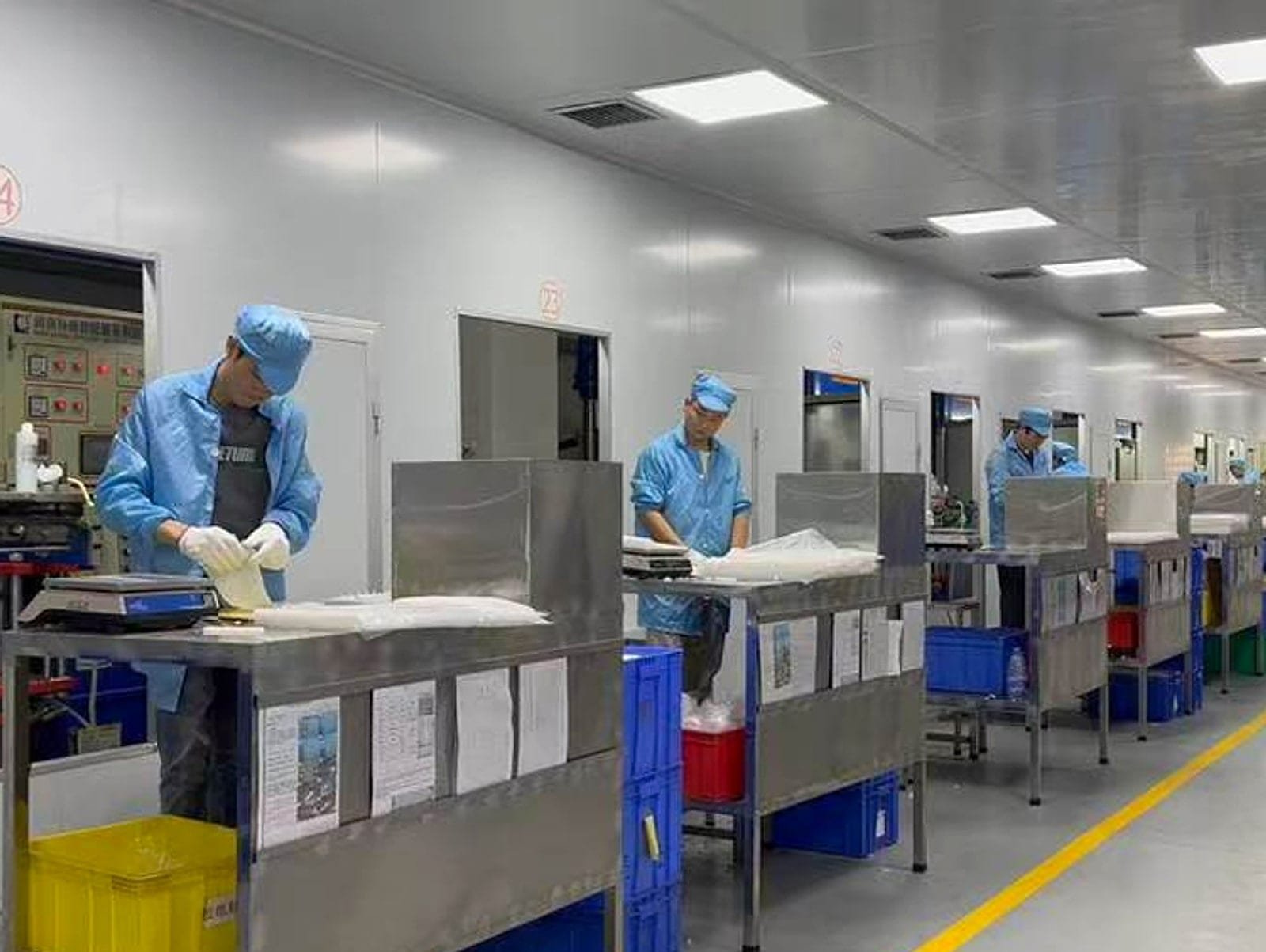
Applicable standards depend on industry, application, connector family, shielding requirements, and ingress protection target. Fecision can review drawings, materials, and validation plans against the standard set your program needs.
Send your connector drawing and expected volume. Fecision will review the gasket design and suggest a practical production path.