Custom Silicone Rubber Gaskets

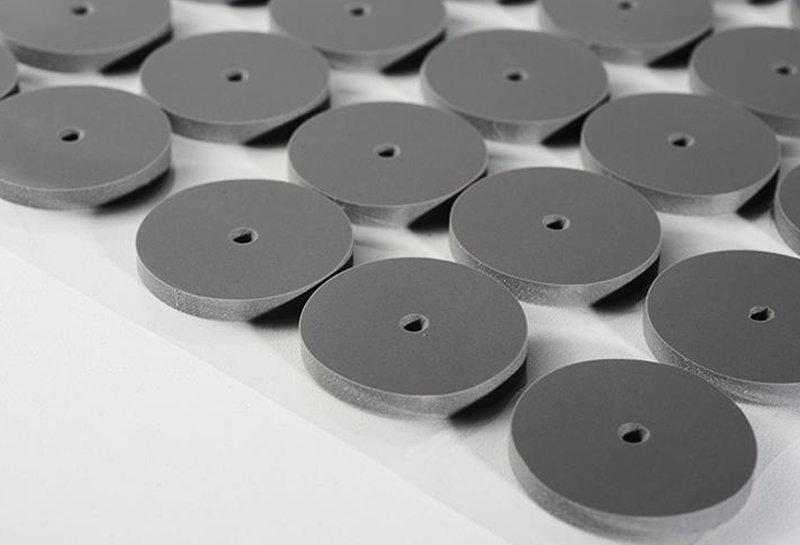
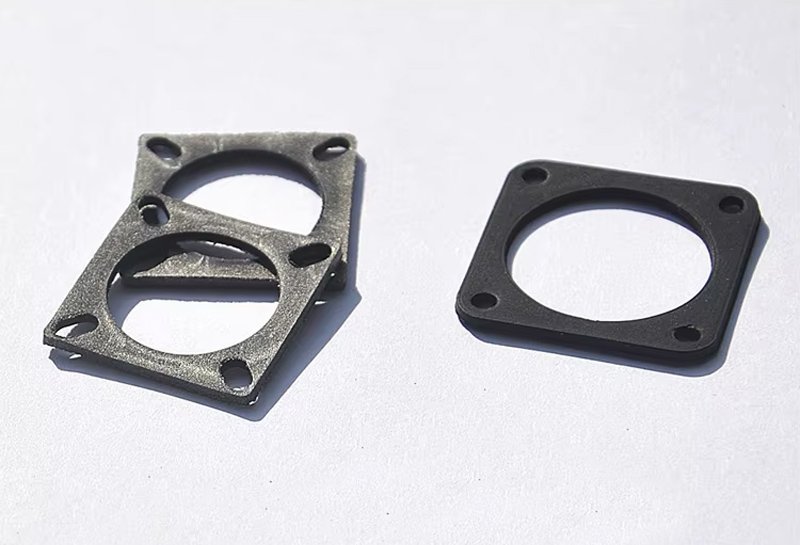
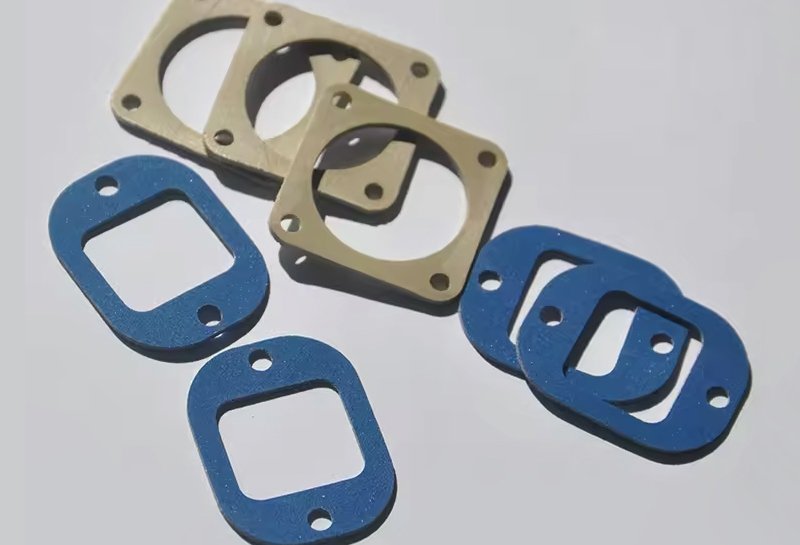
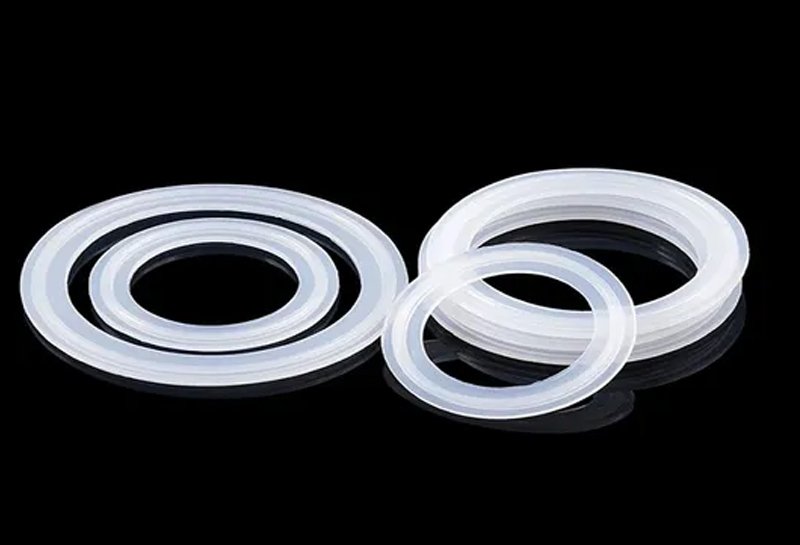
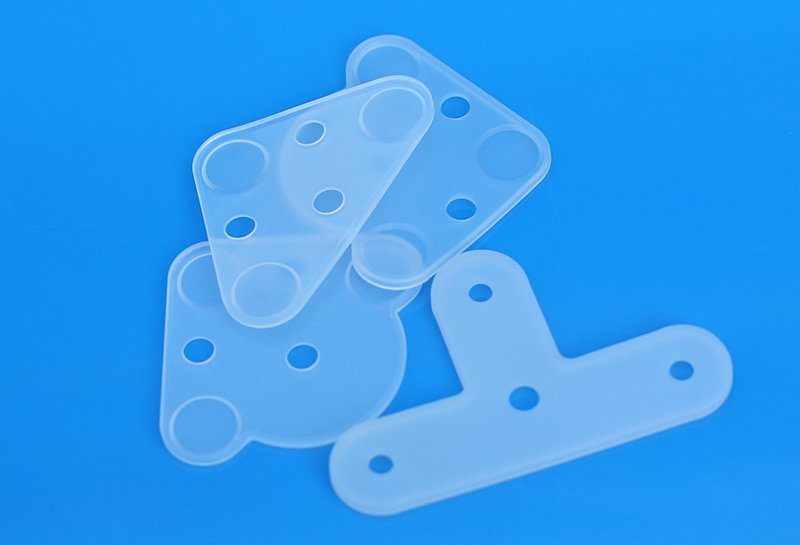
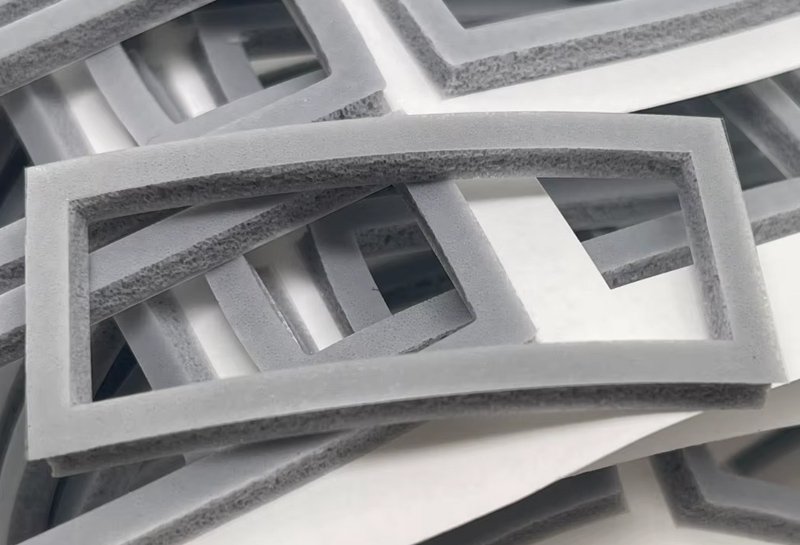
Fecision manufactures silicone rubber gaskets that help block the escape or ingress of gases, liquids and dust. We support gasket designs for environmental sealing, insulation and regulated applications.

  • Solid silicone and reinforced silicone gasket manufacturing
  • Multiple hardness, color and material options
  • ISO 9001, ISO 13485, IATF 16949 Certified
Get A Free Quote
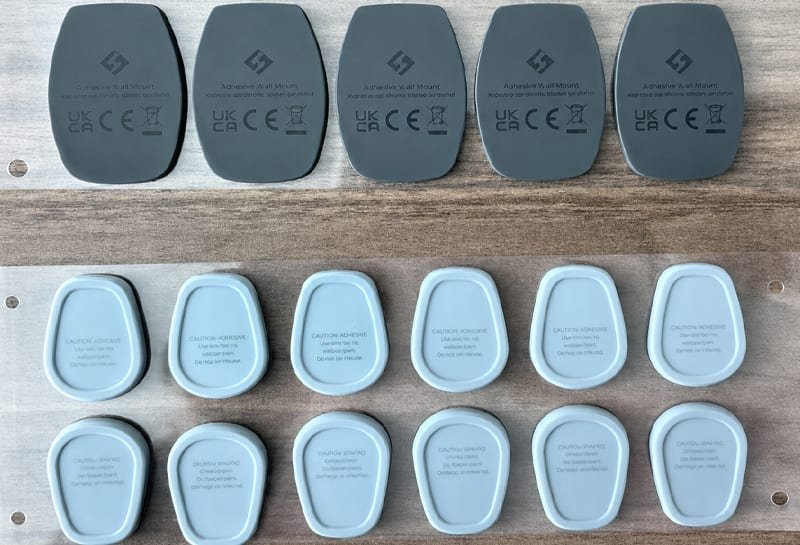
Custom silicone rubber gaskets manufactured by Fecision
silicone rubber gasket

What Are Silicone Rubber Gaskets?

A gasket functions as a mechanical seal that bridges the gap between two mating surfaces.

Its job is to block gases and liquids when an assembly is compressed. In some designs, a silicone gasket can also act as a physical spacer, keeping adjacent parts from rubbing against each other and wearing down over time.

Silicone rubber is widely used because it handles demanding environments well, including prolonged UV exposure, ozone attack, and temperature swings that would degrade many other elastomers.

Types Of Silicone Materials We Support

Not all silicone is the same. Material form, hardness, certification, and processing route all affect sealing behavior, cost, and production stability.

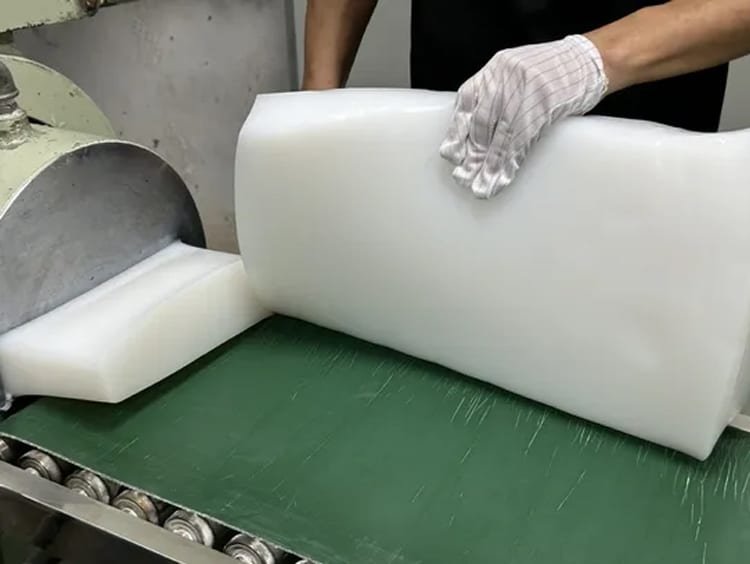
Solid silicone

Solid Silicone Rubber

Solid silicone rubber has a tightly packed structure and can be produced across a wide durometer spectrum. Softer grades suit assemblies with limited closure force, while harder grades are selected for higher compressive loading.
Liquid silicone rubber

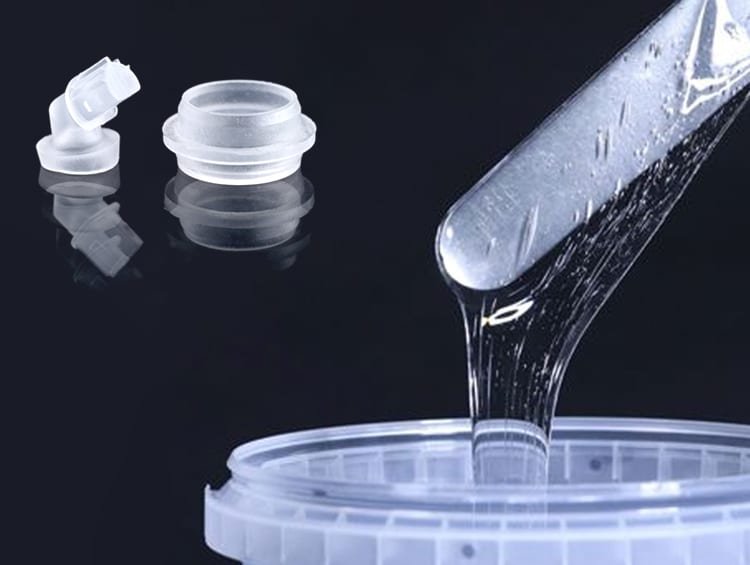
Liquid Silicone Rubber (LSR)

LSR is supplied as a two-part system that is mixed and thermally cured. It supports efficient molding cycles, clean parts with minimal flash, and very soft durometer options that are difficult to achieve with solid rubber.

Fluorosilicone

Fluorosilicone

Fluorosilicone combines silicone elasticity with improved resistance to fuels, oils, solvents, and low-temperature exposure. It is often selected for aerospace, automotive, and demanding connector sealing environments.

Advantages Of Silicone Rubber For Gaskets

Silicone remains a preferred gasket material because it combines elastic recovery, environmental durability, thermal stability, and clean material chemistry.

01

Low Compression Set

After being squeezed between flanges, silicone rubber rebounds instead of taking a permanent deformation, helping the seal remain effective through thermal cycling and reassembly.

02

Design Flexibility

Silicone can be customized by Shore hardness, color, geometry, and compound formulation, so one gasket program can be tuned for very different enclosure or device requirements.

03

Broad Temperature Stability

Silicone rubber can retain flexibility and sealing integrity across roughly -60°C to +230°C, supporting cold-start conditions and sustained high-temperature operation.

04

Electrical Insulation

Silicone offers strong dielectric properties, and its insulating behavior stays predictable at elevated temperatures where many organic rubbers lose performance.

05

Weather, Ozone, And UV Resistance

Silicone can resist surface cracking during long outdoor exposure, making it suitable for exterior sealing where sun, ozone, and atmospheric cycling are constant factors.

06

Food-Safe And Biocompatible Options

Clean silicone formulations can be selected for food-contact, life-science, and medical applications where low extractables and regulatory documentation matter.

Silicone Gaskets vs. Other Rubber Gaskets

Use this comparison as a quick reference when selecting gasket materials around temperature, weathering, chemicals, sealing stability, and regulatory requirements.

Selection Factor Silicone Rubber EPDM NBR / Nitrile Neoprene / CR FKM / Viton®
Typical Temperature Range Approx. -60°C to 200°C,
offering excellent performance in both low- and high-temperature environments.
Approx. -50°C to 150°C. Approx. -30°C to 120°C. Approx. -35°C to 120°C. Approx. -20°C to 200°C.
Weather, UV and Ozone Resistance Excellent.
Suitable for long-term outdoor exposure.
Excellent. Poor. Good. Excellent.
Oil and Fuel Resistance Limited in standard silicone.
Fluorosilicone grades are available.
Poor. Excellent. Good. Excellent.
Chemical Resistance Good for many general-purpose applications. Good for water, acids and alkalis. Good for oils and fuels. Balanced general resistance. Excellent for fuels, oils and aggressive chemicals.
Compression and Sealing Stability Maintains flexibility and sealing performance across a wide temperature range. Good in water and outdoor applications. Good in oil environments. Good for general industrial sealing. Very good at high temperatures.
Electrical Insulation Excellent.
Stable across a broad temperature range.
Excellent. Moderate. Good. Good.

When Silicone Gaskets Are Not The Best Fit

Silicone rubber is versatile, but it is not the right material for every sealing environment. Review these limitations before finalizing gasket material selection.

Not Recommended For Why It Can Fail Suggested Alternatives
Contact with mineral oil, fuel, or grease The silicone rubber backbone is based on Si-O bonds and has poor resistance to non-polar hydrocarbons. Long-term exposure can cause swelling, softening, and rapid strength loss. NBR, HNBR, FKM, or fluorosilicone (FVMQ).
High mechanical stress, high wear, or dynamic friction Silicone has relatively low tensile and tear strength, typically about 5-10 MPa. Reciprocating motion or high pressure can lead to cutting, abrasion, extrusion, or edge damage. Natural rubber (NR), neoprene (CR), or spiral wound metal gaskets.
High-pressure gas or vacuum sealing systems Silicone has flexible molecular chains and high free volume, so gas permeability is much higher than many other rubbers. This can make airtight or vacuum sealing difficult. FKM, FFKM, butyl rubber (IIR), or metal gaskets.
Strong acids, strong alkalis, ketones, or ester solvents Concentrated sulfuric acid, strong alkalis such as >50% NaOH, acetone, and similar media can break the silicone chain or remove side groups, causing fast degradation. FKM, FFKM, or EPDM for selected strong-alkali applications.
Temperature above 250°C or direct flame exposure Standard silicone is rated for long-term service up to about 230°C. Above this range, thermal oxidation accelerates and even flame-retardant grades may lose elasticity. FFKM, flexible graphite gaskets, ceramic fiber gaskets, or metal gaskets.

Types Of Silicone Gaskets

Special silicone compounds can be engineered for heat transfer, conductivity, shielding, food contact, medical devices, and fire-safety requirements.

Thermally conductive silicone gaskets

Thermally Conductive Silicone Gaskets

Use thermally conductive, electrically insulating fillers such as aluminum oxide to improve heat transfer while maintaining flexibility and insulation.

Applications: Battery modules, power electronics, AI servers, LEDs.

Conductive silicone gasket

Conductive Silicone Gaskets

Incorporate conductive fillers such as carbon black, graphite, carbon materials, or metal particles so the gasket can carry electrical current while remaining elastic.

Applications: Grounding contacts, sensors, electrodes, flexible electronics.

EMI silicone gaskets

EMI Shielding Silicone Gaskets

Use conductive fillers in silicone or fluorosilicone to form a continuous conductive path across structural gaps when compressed between panels or flanges.

Applications: Telecom, aerospace, defense, medical electronics.

Food-contact silicone gasket

Food-Contact Silicone Gaskets

Manufactured from silicone formulations intended for direct or indirect contact with food, beverages, or food-processing media.

Applications: Food equipment, beverage filling, pumps, valves, containers.

Medical-grade silicone gasket

Medical Silicone Gaskets

Use controlled silicone formulations with consistent composition, batch traceability, and supporting biological safety data for device sealing and fluid control.

Applications: Respiratory devices, infusion pumps, diagnostics, valves.

Flame-resistant silicone gasket

Flame-Resistant Silicone Gaskets

Use flame-retardant silicone compounds to reduce flame propagation while retaining elasticity, sealing performance, insulation, and low compression set.

Applications: Battery packs, high-voltage connectors, enclosures, rail systems.

Silicone Gaskets Applications

The properties of silicone rubber make it versatile and well-suited for many applications. Fecision helps customers solve gasket design challenges across regulated, rugged, and high-performance assemblies.

Sensitive medical devices

Clean, elastic sealing for medical assemblies where consistency, compression control, and documentation matter.

Aerospace and defense

Durable gasket solutions for vibration, temperature cycling, fluids, and strict performance requirements.

Technological devices

Custom silicone seals for compact electronics, sensors, interfaces, and high-value device assemblies.

Space-bound devices

Specialized gasket designs for environments where outgassing, aging, and sealing reliability must be reviewed carefully.

Industrial equipment

Weatherable seals for equipment exposed to dust, water, oils, impact, outdoor service, and long operating cycles.

How We Produce Silicone Gaskets

Fecision selects the production route around gasket geometry, tolerance, material form, volume, and release requirements.

Compression molding

Compression Molding

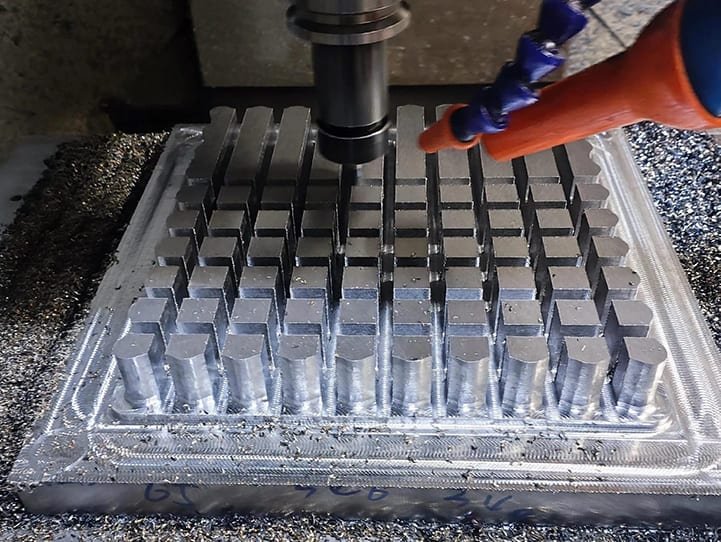
Compression molding works well for molded profiles, larger sections, lower-volume production, and compounds that benefit from direct mold loading and controlled vulcanization.

Custom and Complex gaskets
LSR injection molding

LSR Injection Molding

LSR injection molding supports clean, repeatable, high-volume gasket production with tight process control, short cycles, and soft material options.

High-volume production
Die cutting

Die Cutting

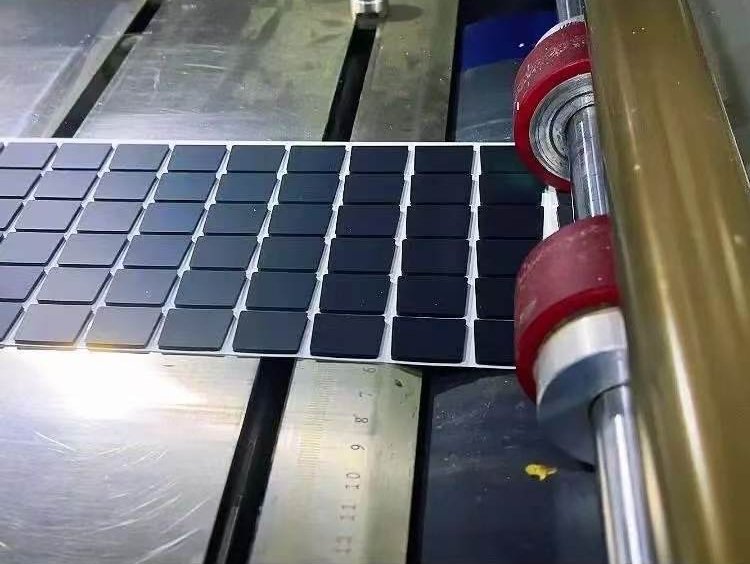
Die cutting is practical for flat silicone sheet gaskets, pads, spacers, and interface seals where planar geometry and cost control matter.

Flat sheet gaskets

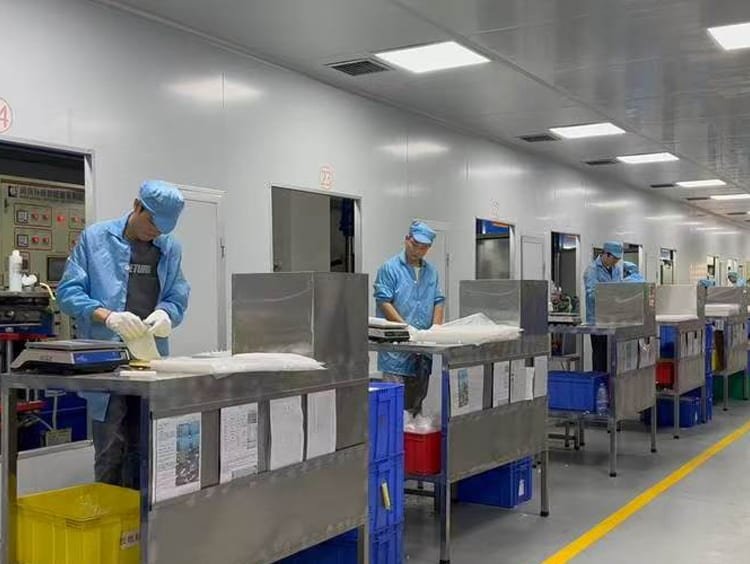
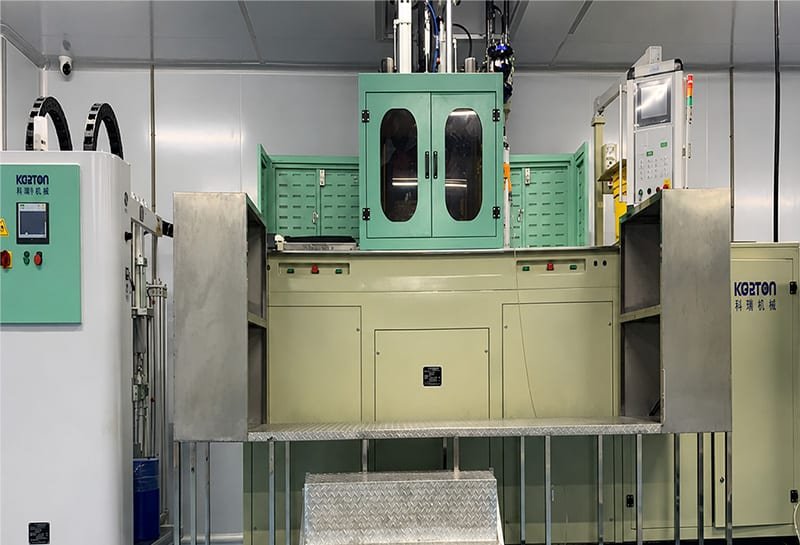
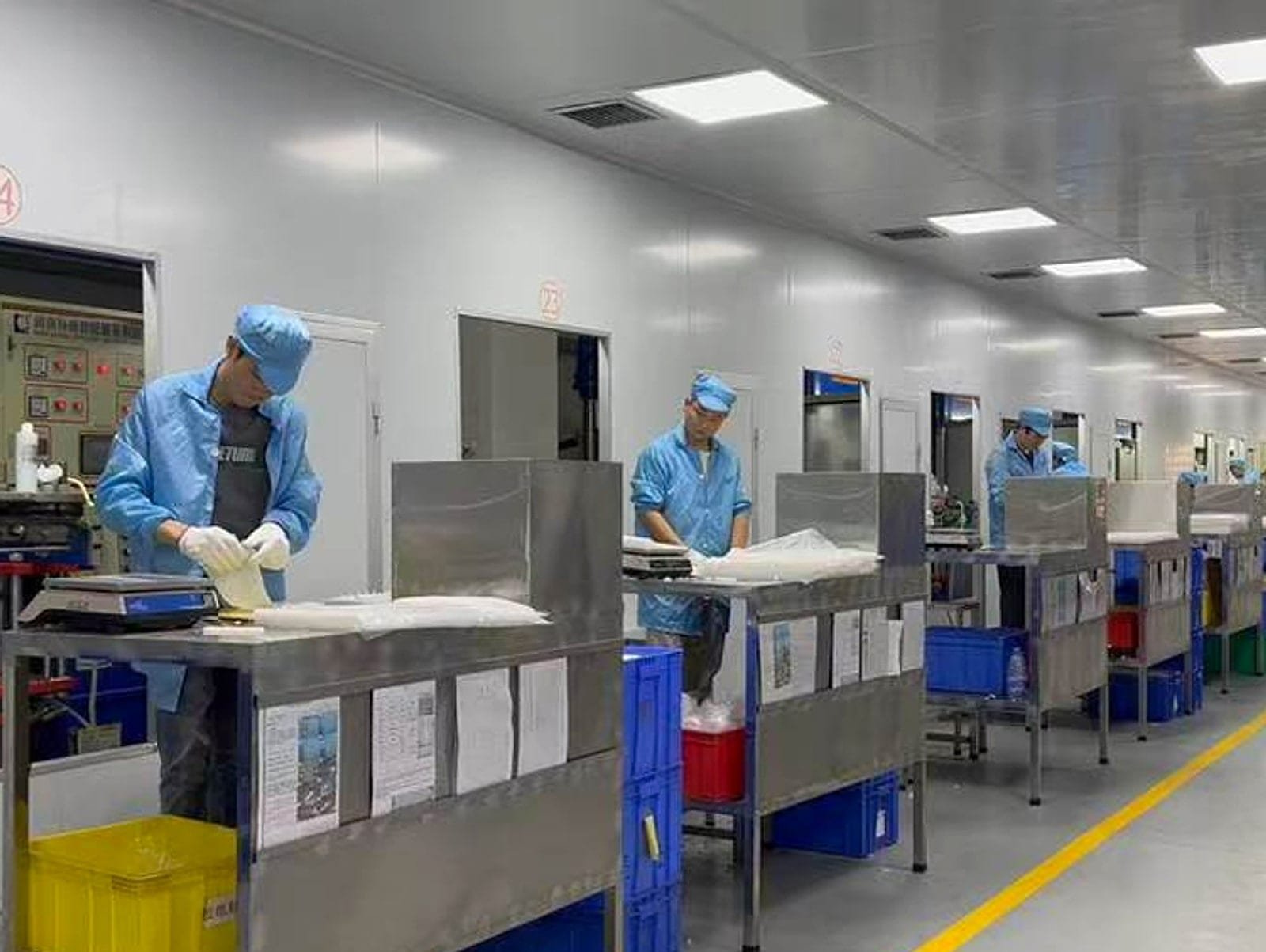
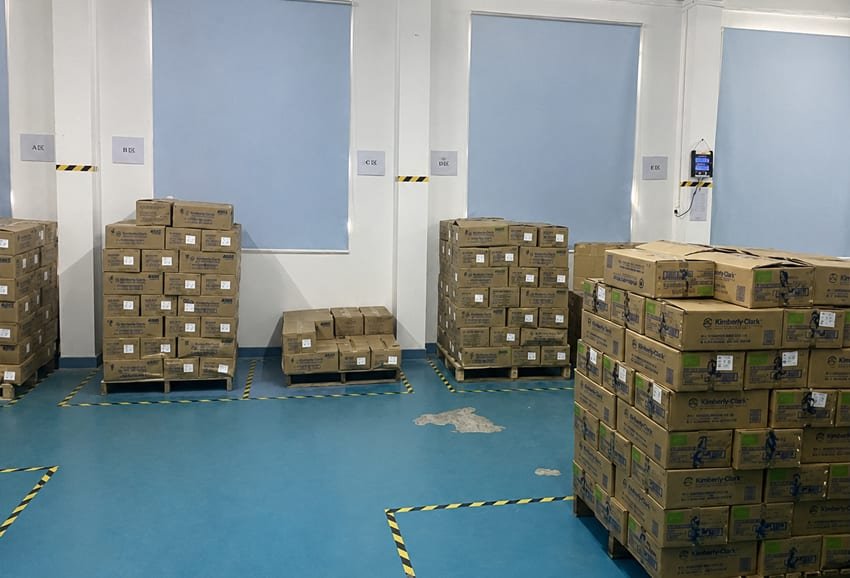
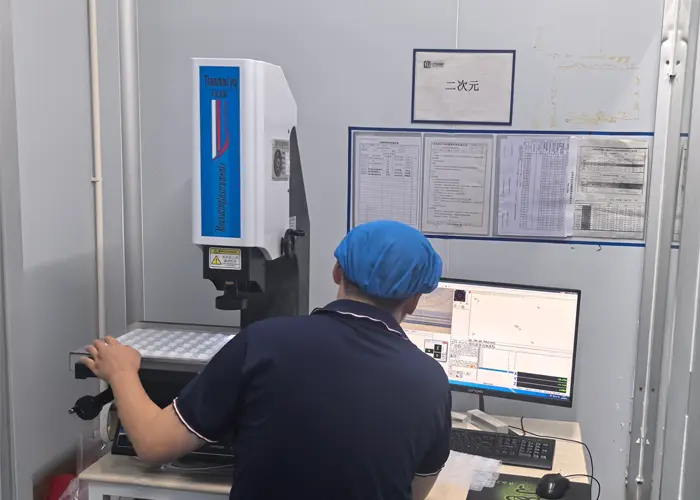
Production And Quality Shop

From raw material control to molding, trimming, inspection, packaging, and shipment, each step is reviewed around the sealing function and release requirements.

Need Custom Silicone Gaskets?

Send your drawing and requirements. Fecision can help review compound options, geometry and production route.

Request A Quote