
Silicone Compression Molding Service
Fecision provides custom silicone compression molding for gaskets, pads, seals, cushions, and solid silicone parts that need durable performance with practical tooling economics. We support material selection, mold design, finishing, and inspection for stable production.
- ISO 9001 Certified
- ISO 13485 Certified
- Tolerances tight to +/- 0.02 mm
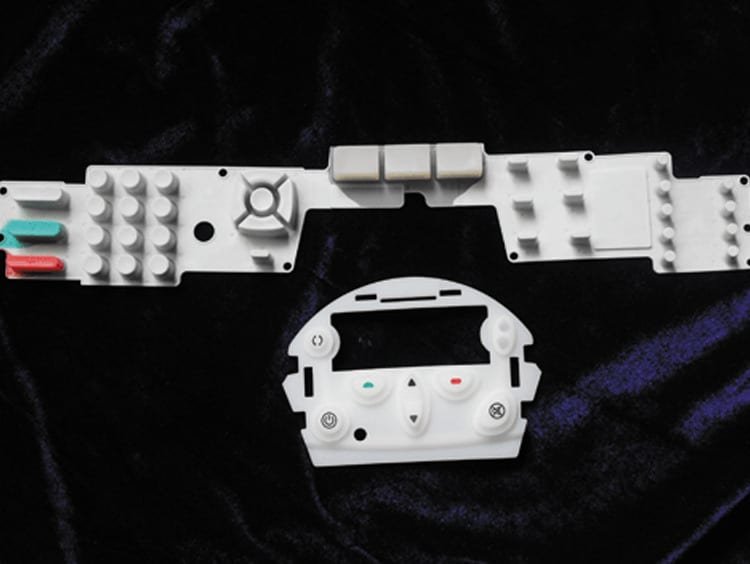
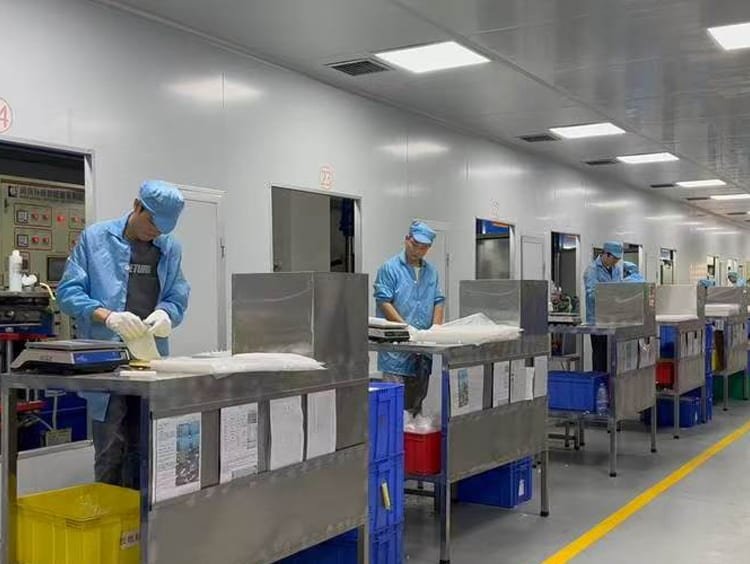
Compression Molding Services Built For Production
Fecision's compression molding service produces custom silicone parts in hardness from 10 to 80 Shore A, in both standard and custom sizes, shapes, and colors. From material compounding to tool design and molding, every step is handled in-house, which means no dependence on outside suppliers and complete control over quality and lead time.
Whether you need a fast prototype or a long production run, our flexible manufacturing keep turnaround short and pricing competitive, delivering consistent parts on schedule, every time.
Compression Molding Materials
Material selection influences hardness, heat resistance, durability, and overall cost. Our compression molding services support multiple silicone rubber grades and specialty elastomers, helping you choose the right material for your application, performance requirements, and budget.
Silicone Rubber
They include general, medical-, optical-, and food-grade silicone rubber, which are ideal for seals, gaskets, and parts that need biocompatibility, thermal stability and high transparency.
Rubber Materials
Rubber materials include EPDM (Ethylene Propylene Diene Monomer), Nitrile (NBR), Neoprene (CR), SBR (Styrene Butadiene Rubber), Natural Rubber (NR).
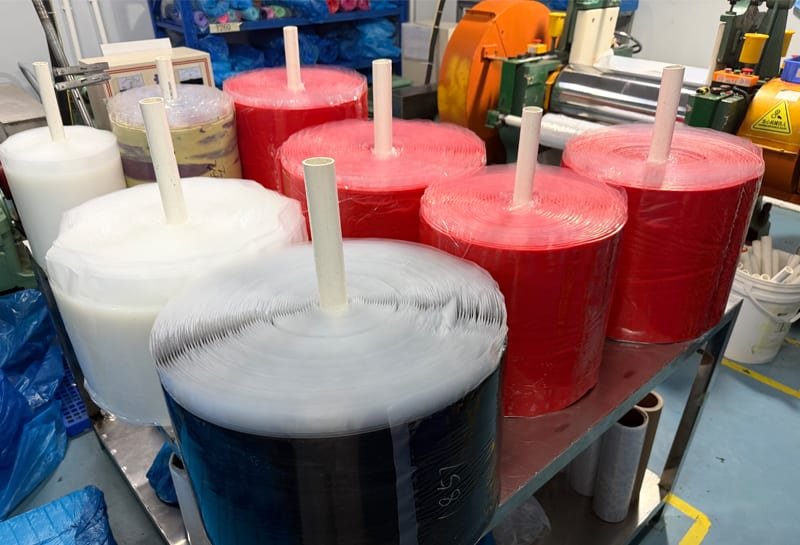
Fecision maintains long-term partnerships with global silicone rubber material brands including Wacker, Dow, Momentive, Shin-Etsu, and other qualified suppliers. For different industries and complex application conditions, we can work with raw material partners to develop custom silicone and rubber formulations around hardness, compression set, color, thermal resistance, biocompatibility, and production consistency.




Compression Molding Capabilities
Read these compression molding capabilities to review part size, tolerance expectations, and finishing requirements before moving into mold build.
| Standard | Description |
|---|---|
| Size | 2500mm x 2000mm x 1000mm |
| Mold Life | 3 million to 5 million shots for production tooling |
| Part to Part Repeatability | +/- 0.1 mm |
| Mold Cavity Tolerance | Small parts: +/- 0.1mm to 0.2mm, Complex parts: +/- 0.3mm to 0.5mm |
| Mold Cavities | Single cavity molds, multi-cavity molds |
| Mold Material | Tool steel: P20, H13 Stainless steel: 420 |
| Tolerancce | Typically +/- 0.2mm |
Secondary Operations
In-house secondary operations help compression molded parts leave the factory ready for assembly, labeling, inspection, packaging, or customer-specific release requirements.
Compression Molding Case Studies
See how Fecision turns silicone compression molding projects into controlled production programs with practical tooling, material review, finishing, and inspection.

"The sealing base needed stable oil resistance, clean surface quality, and repeatable LSR bonding without adding unnecessary assembly steps."
Vape Atomizer Sealing Base with LSR Overmolding
A top-3 electronic vaporization device manufacturer needed a high-temperature LSR sealing solution for atomizer assemblies, with reliable leakage control and repeatable production quality.
Fecision supported material review, tooling validation, overmolding process control, and inspection to help the program move from development to stable production.
Full Case StudyApplications Of Compression Molding Product?
Silicone compression molding supports products that need durable elastomer performance, sealing force, cushioning, heat resistance, and cost-efficient production.
Consumer Goods
Soft-touch components designed around product use and operating environment.
Consumer ElectronicsBaby Care
Pacifiers, bottle nipples, teething toys, and durable safe silicone parts.
Food & Baby CareAutomotive
Connector seals, vibration components, grommets, and protective silicone parts.
Mobility SolutionsElectronics
Waterproof seals, protective casings, keypad interfaces, and soft gaskets.
Electronics SolutionsGlance At Compression Molded Products Fecision Made
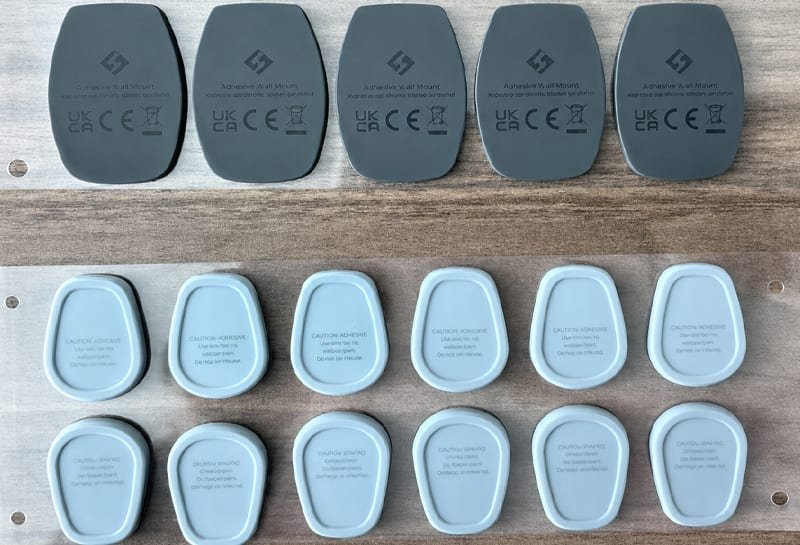
Explore compression molded silicone parts for seals, pads, gaskets, covers, and custom components used across regulated and industrial applications.
 Silicone Gasket
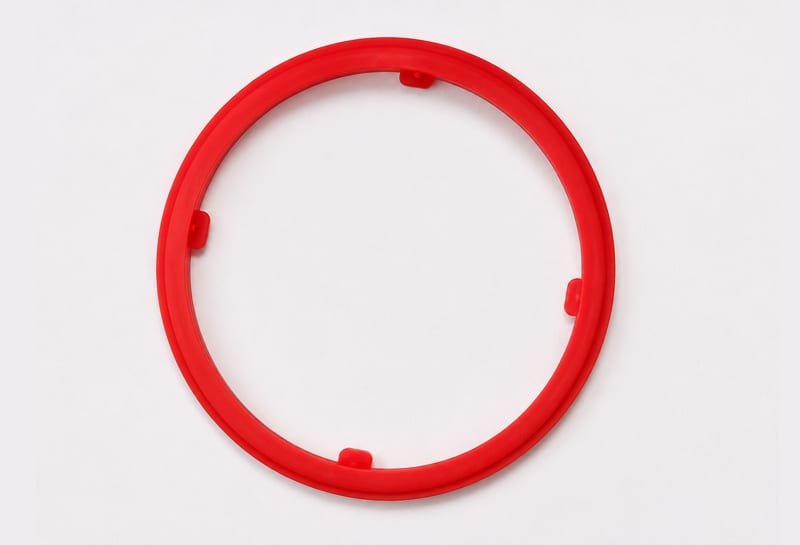 Silicone Sealing Ring
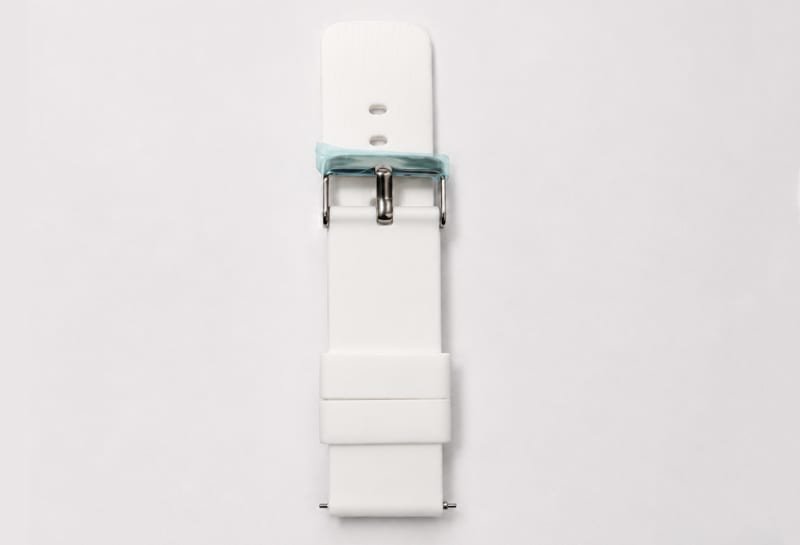 Silicone Watch Belt
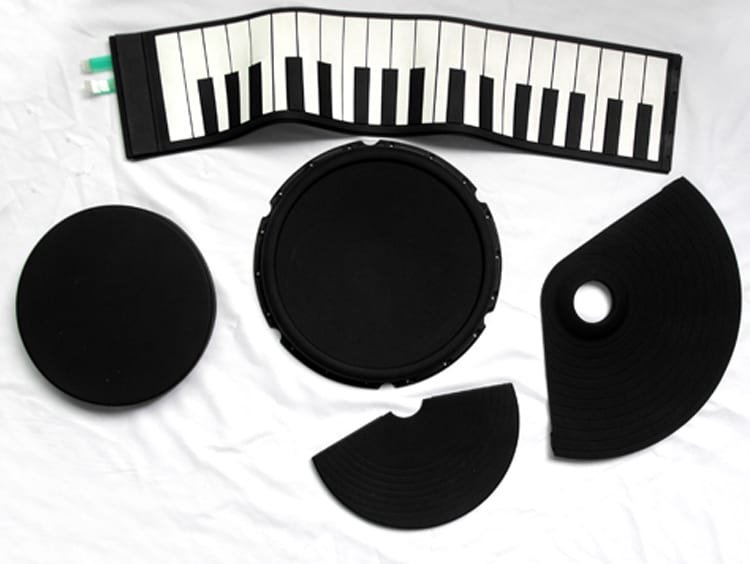 Compression Molded Parts
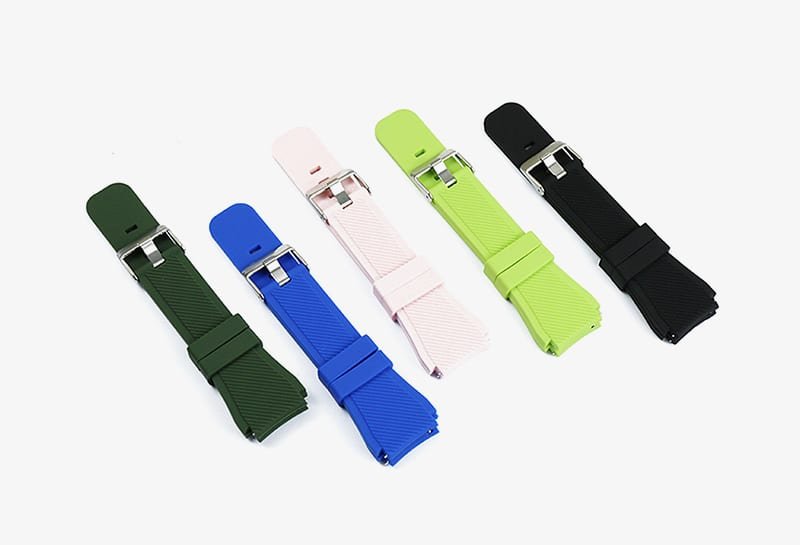 Silicone Watch Strap
Compression Molding Processes
Compression molding uses a pre-measured silicone charge, a heated tool, and controlled pressure to cure durable parts.
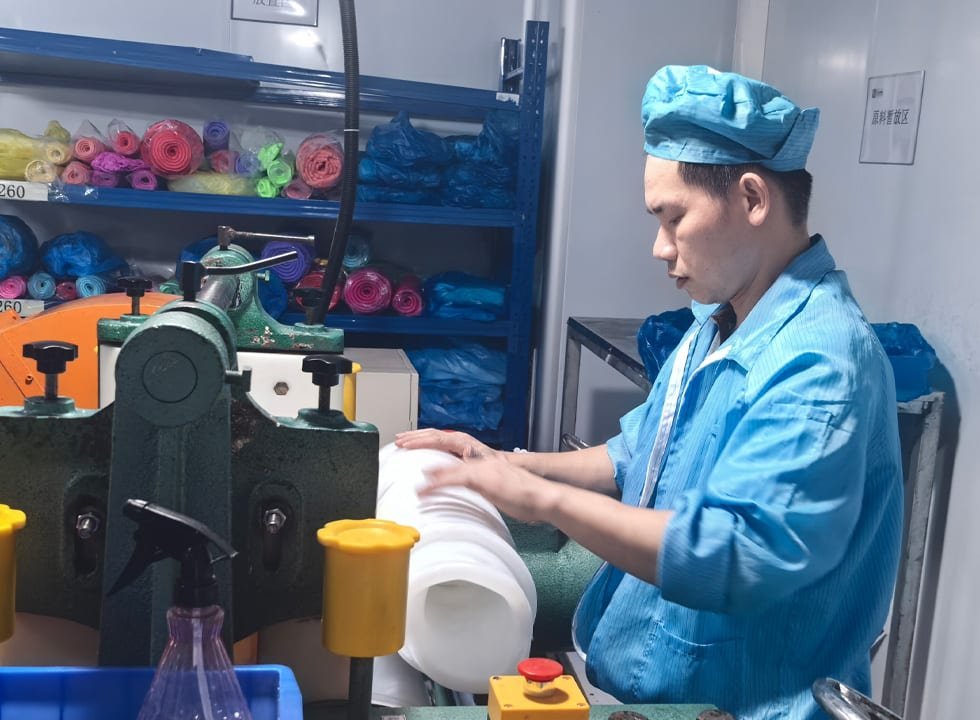
Material Preparation
The process begins with selecting the appropriate silicone compound based on the required hardness, color, mechanical properties, and service environment. Every batch is verified before production to ensure material consistency and traceability. For insert molding applications, metal or plastic inserts are thoroughly cleaned and surface-prepared to remove contaminants, helping achieve reliable bonding and consistent product quality.
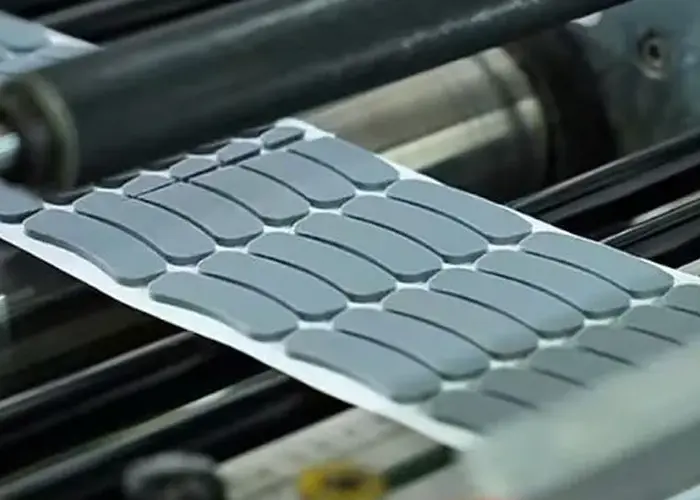
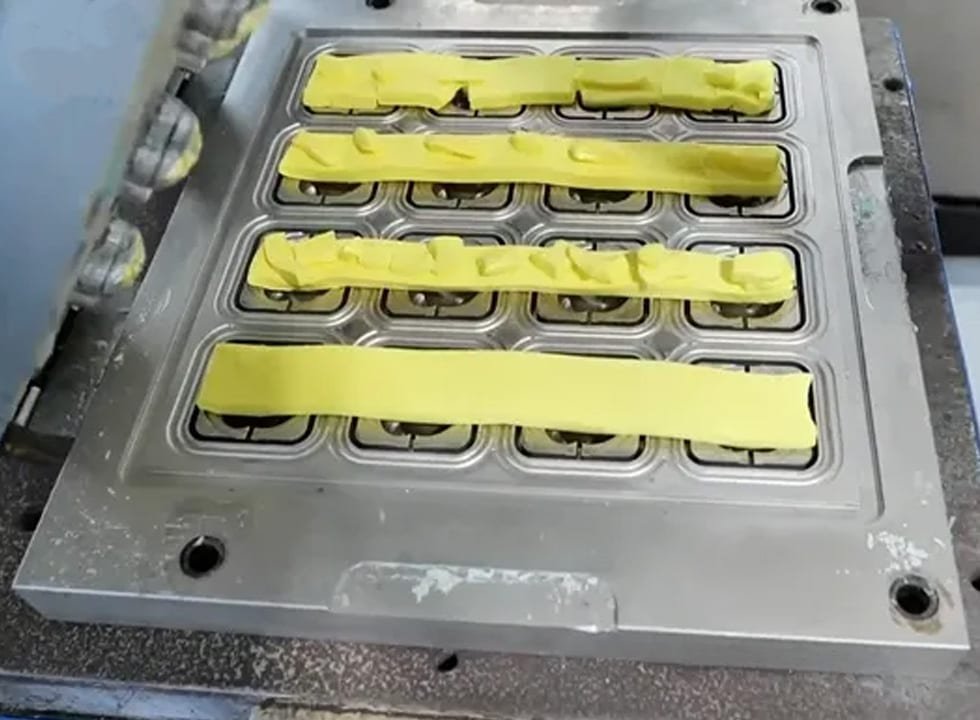
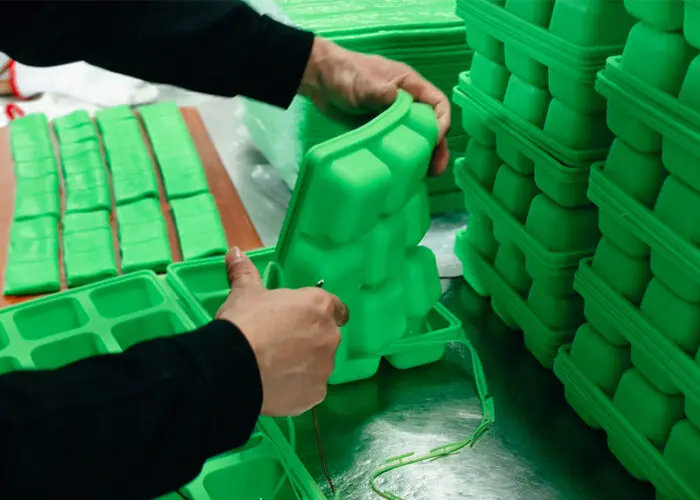
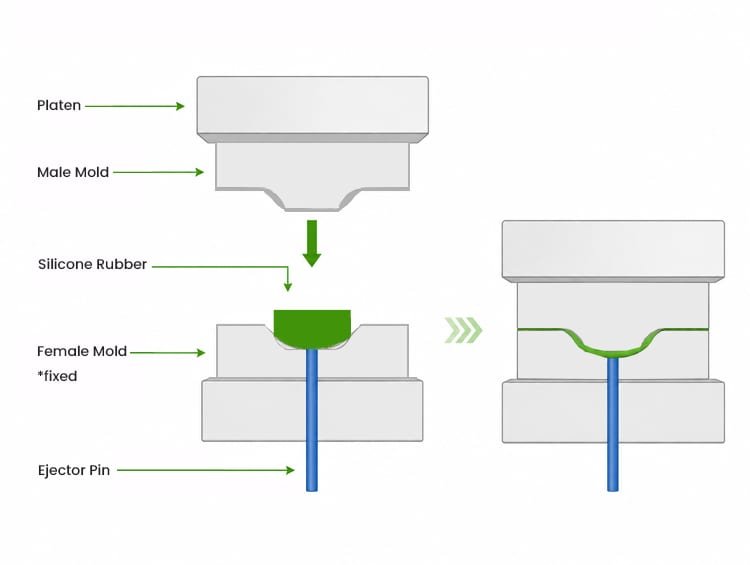
How Does Compression Molding Work?
Compression molding is a process used to manufacture silicone rubber parts. Instead of injecting material into the mold, a measured silicone preform is placed into an open, heated mold cavity. As the mold closes, heat and pressure force the material to flow evenly throughout the cavity and fill every feature.
The silicone remains under controlled temperature and pressure until it is fully vulcanized. Once cured, the mold opens and the components is removed for trimming, inspection, or post-curing. Compression molding process is ideal for durable components with medium to large volume or thick-walled geometries..
Compression Molding Design Guidelines
Compression molded part design should consider wall thickness, flash control, draft, material flow, and post-molding finishing before tooling begins.
| Design Rules | Guidelines | Notes |
|---|---|---|
| Wall Thickness | Recommended: 1.0-6.0 mm | Maintain uniform wall thickness to ensure even curing and minimize internal stress. Sections thicker than 5 mm may require longer or staged curing cycles. |
| Tolerance | ARPM A3 (Commercial) is standard, ARPM A2/A1 for precision parts. | Typical production tolerance is approximately +/- 0.2 to +/- 0.5 mm (A3). Tighter tolerances require higher-precision tooling and stricter process control. |
| Draft Angle | Standard 0°-2° Deep cavities or textured surfaces: 2°-5° | Silicone's flexibility allows minimal draft. Increase draft for deep features or textured surfaces to improve demolding and reduce tearing. |
| Undercuts | Forced demolding is often feasible | Thanks to silicone's high elongation (typically 400-900%+), many undercuts can be molded without side actions, reducing mold complexity and tooling cost. |
| Flash Control | Design flash grooves. | Controlled flash channels allow excess material to escape, making trimming more consistent and improving part quality. |
| Parting Line | Place on non-critical surfaces | Keep the parting line away from sealing surfaces, cosmetic areas, and functional features whenever possible. |
Frequently Asked Questions
These answers cover common silicone compression molding questions about materials, tooling, tolerances, sampling, and production planning.
What materials can you mold?
We work with food-grade LSR, medical-grade LSR, optical-grade silicone, fluorosilicone, and custom compounds selected for each product requirement.
Can you support low-volume validation before mass production?
Yes. We can begin with DFM review, prototype tooling, and validation runs before moving into multi-cavity production tooling.
Do you provide secondary operations?
Yes. We support post-curing, trimming, printing, bonding, drilling, dipping, inspection, packaging, and assembly.
Ready to build Compression Molding parts?
Send drawings, samples, target material, and volume. We will review the compression molding route and return practical production feedback.