
Liquid Silicone Rubber Overmolding Service
Fecision provides custom LSR overmolding for assemblies that need silicone sealing, soft-touch surfaces, vibration control, or bonded multi-material performance. We review substrate choice, bonding strategy, tooling, and validation before production.
- ISO 9001 Certified
- ISO 13485 Certified
- Tolerances tight to +/- 0.02 mm
LSR Overmolding Services Built For Production
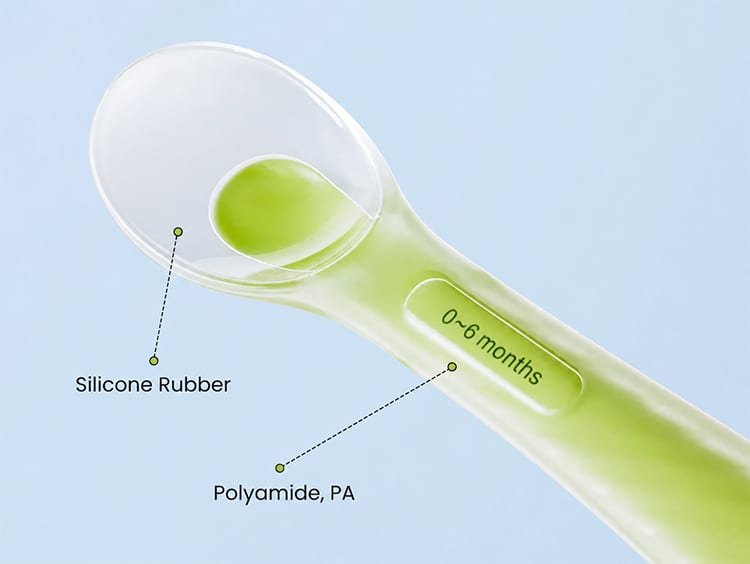
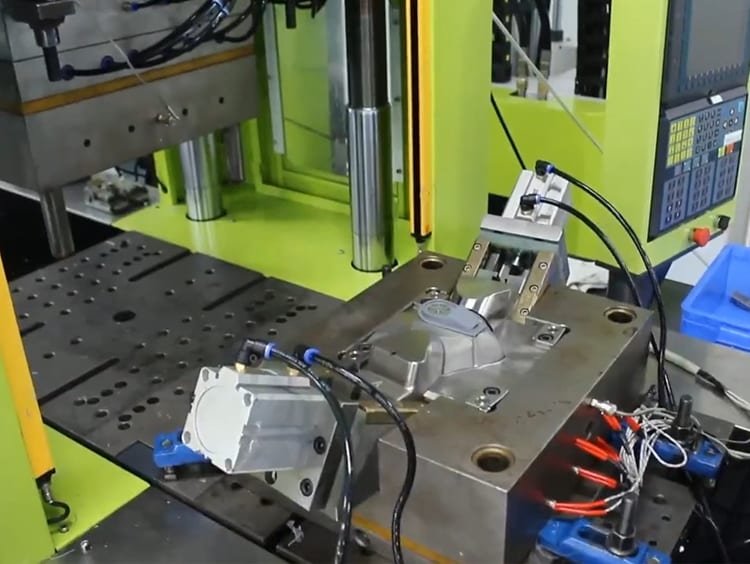
Fecision overmolds liquid silicone rubber onto plastic and metal substrates, creating non-slip grips for medical devices, waterproof seals for electronics, and parts that withstand extreme temperatures. With control over silicone grade, color, and hardness from 10 to 80 Shore A, we take your project from prototype to mass production with confidence.
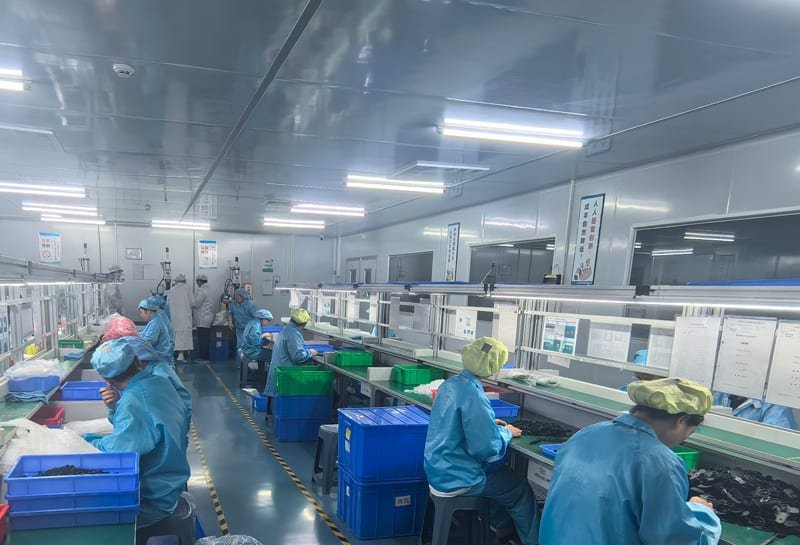
Because two materials come together as one finished part, you eliminate adhesives and reduce assembly time. Fecision has already delivered millions of overmolded parts to clients around the world, and we would be glad to put that experience to work on your next project.
LSR Overmolding Materials
Match the LSR and substrate system before tooling begins. We review silicone grades, engineered plastics, metals, and surface requirements to improve bonding strength and long-term assembly performance.
LSR + Engineering Plastics
For lightweight, insulated, or temperature-precision components, silicone can overmold rigid plastics to create sealed, functional assemblies.
LSR + Metal
Good combinations of high-strength structural support and flexible sealing. Ideal for inserts, threaded hardware, and electrical connectors.
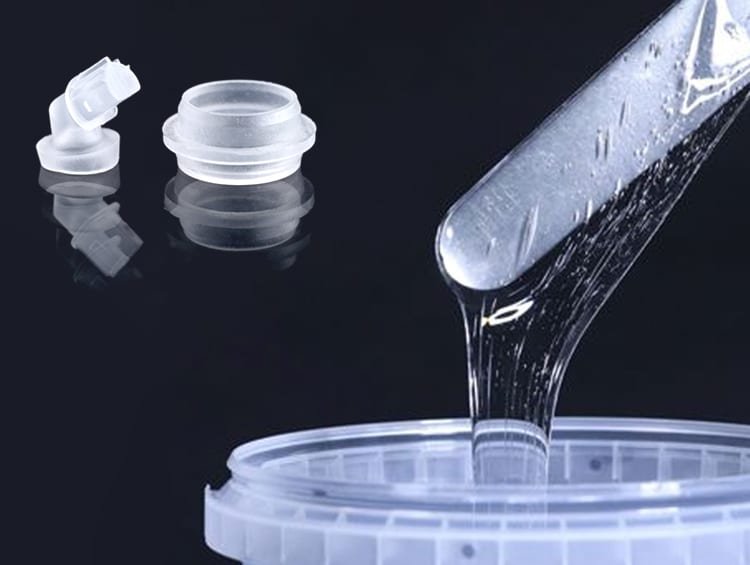
Fecision maintains long-term partnerships with global silicone rubber material brands including Wacker, Dow, Momentive, Shin-Etsu, and other qualified suppliers. For different industries and complex application conditions, we can work with raw material partners to develop custom silicone formulations around bonding behavior, hardness, color, biocompatibility, thermal resistance, and production consistency.




LSR Overmolding Capabilities
Read our overmolding capabilities to help you review part size, tolerance, substrate options for sealed, bonded silicone rubber assemblies.
| Standard | Description |
|---|---|
| Size | 300 x 200 x 100 mm |
| Tolerance | Mold tolerance: +/- 0.01 mm, Parts tolerance: +/- 0.05 mm |
| Part to Part Repeatability | +/- 0.1 mm |
| Mold Cavities | Single cavity molds, multi-cavity molds |
| Mold Cavity Life | 3 million to 5 million shots for production tooling |
| Mold Material | Tool steel: P20, H13 Stainless steel: 420 |
| Available Mold Types | Prototype tooling, production tooling |
Secondary Operations
Secondary operations keep overmolded silicone assemblies production-ready.
LSR Overmolding Case Studies
See how Fecision helps customers move LSR overmolded parts from validation to repeatable production.

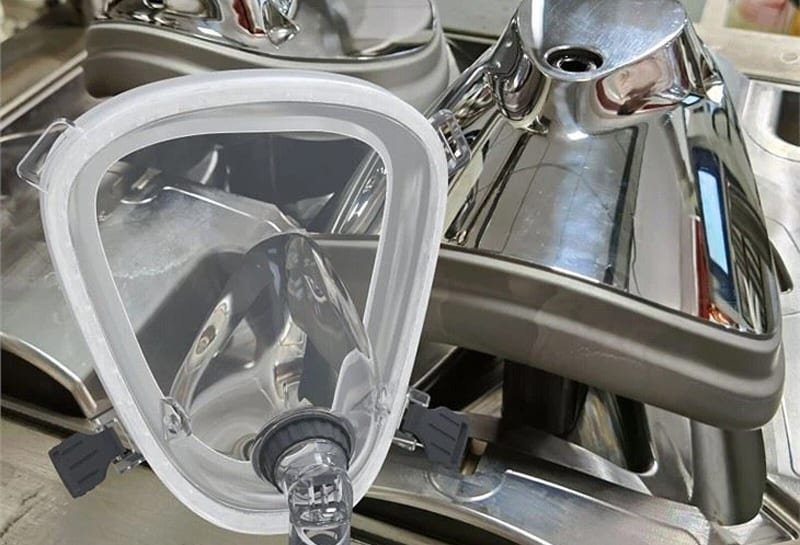
"The challenge was not only bonding silicone to a transparent PC mask. The part needed a clean, soft seal with no flash, no trimming, and no scratches on the optical surface."
Zero-Flash LSR Overmolding on a Transparent Respirator Mask
A respiratory device manufacturer needed a transparent PC mask with an overmolded LSR seal. Any silicone flash or post-mold trimming could damage the clear surface and turn the part into scrap.
Fecision supported the project with overmolding DFM review, precision tooling control, and process validation to produce a clean soft seal straight from the mold.
Full Case StudyApplications Of LSR Overmolding Product
LSR overmolding is a strong fit for products that need integrated seals, insulation, vibration damping, or bonded silicone-to-substrate performance.
Consumer Electronics
Soft-touch components designed around product use and operating environment.
Consumer ElectronicsBaby Care
Pacifiers, bottle nipples, teething toys, and durable safe silicone parts.
Food & Baby CareAutomotive
Connector seals, vibration components, grommets, and protective silicone parts.
Mobility SolutionsElectronics
Waterproof seals, protective casings, keypad interfaces, and soft gaskets.
Electronics SolutionsGlance At LSR Overmolded Products Fecision Made
Review examples of overmolded silicone rubber parts built around sealing, protection, grip, and multi-material bonding needs.
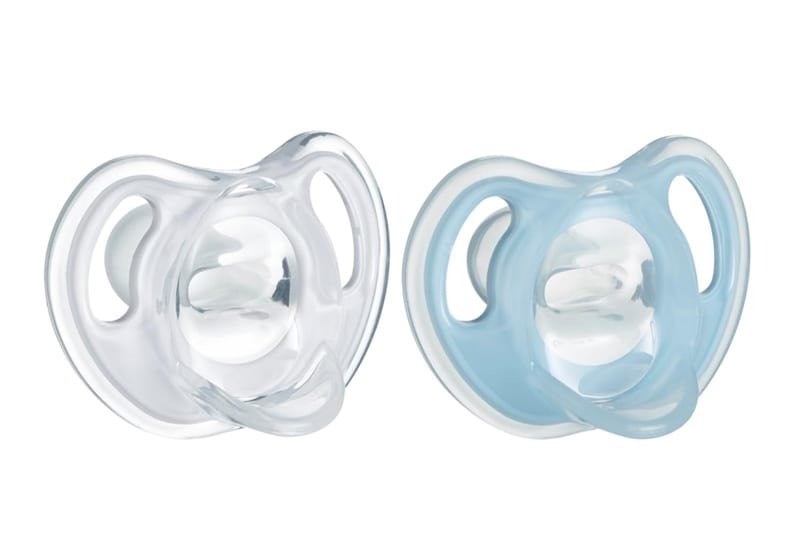 Silicone Pacifier
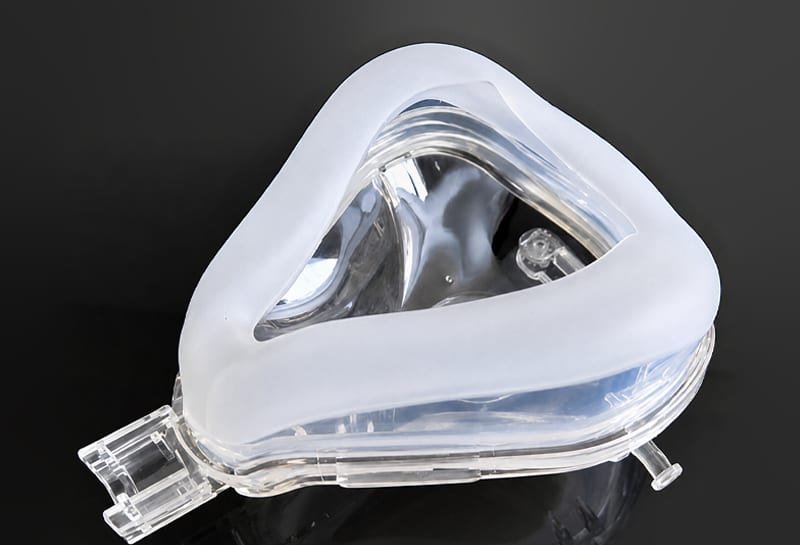 Respiratory Mask
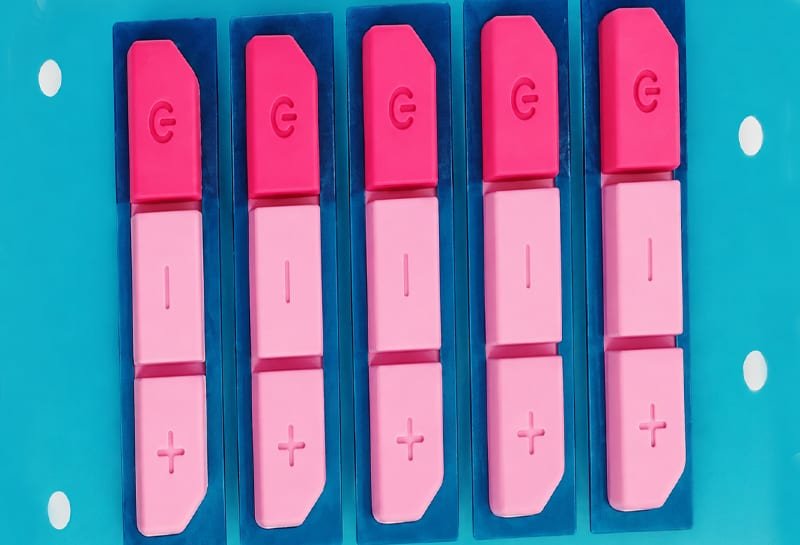 Silicone Button
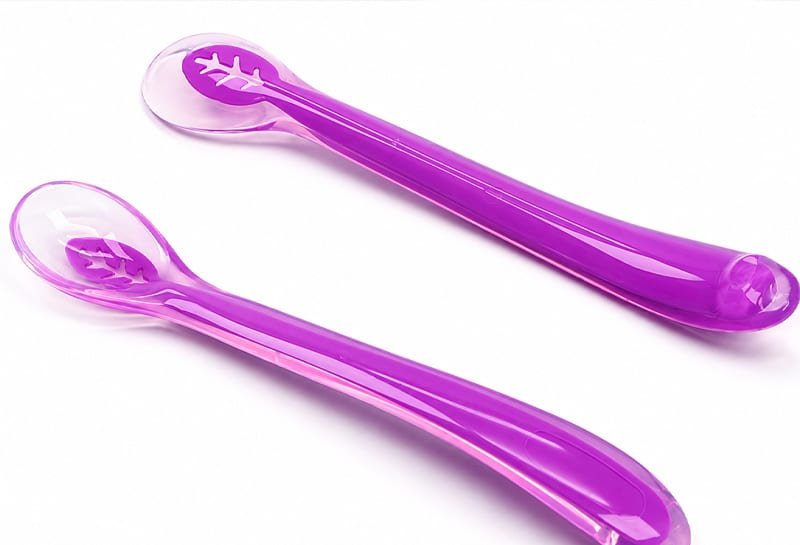 Silicone Feeding Spoon
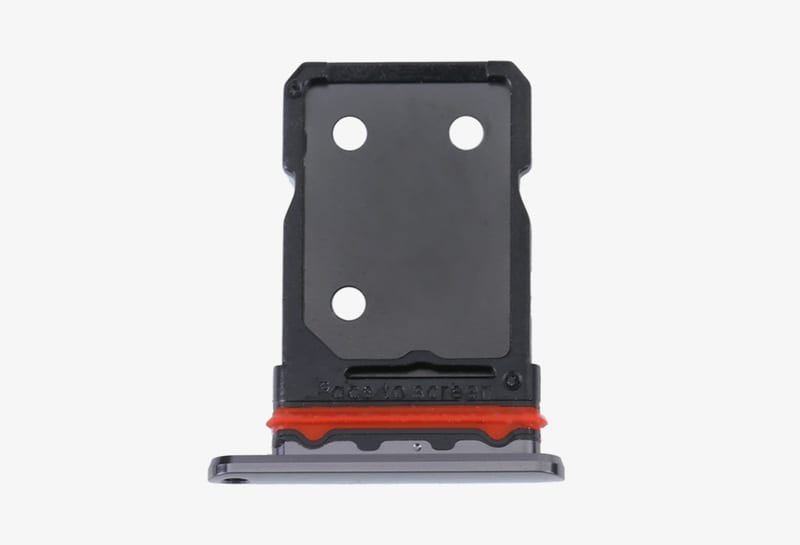 SIM Card Tray
LSR Overmolding Processes
LSR overmolding depends on insert preparation, tooling control, and stable bonding between silicone rubber and substrate.
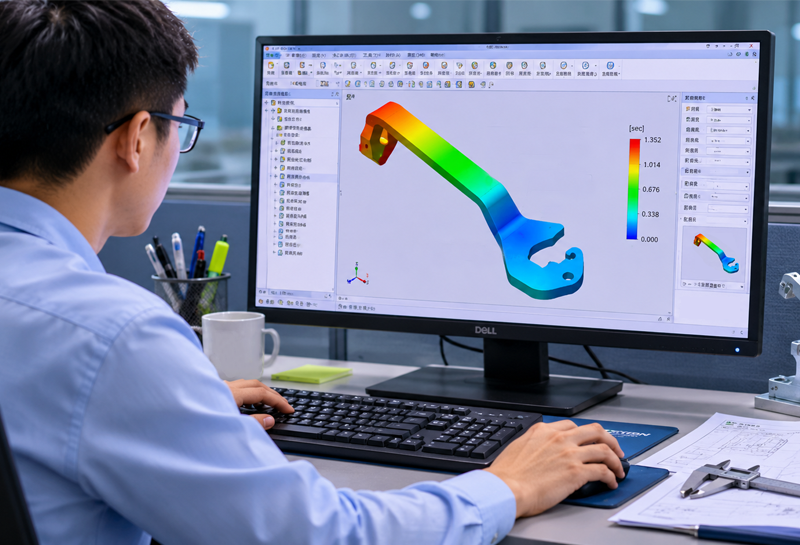
DFM Analysis
Review your drawings, material requirements, and application needs. Complete DFM analysis and confirm tooling, tolerance, and production specifications before manufacturing begins.
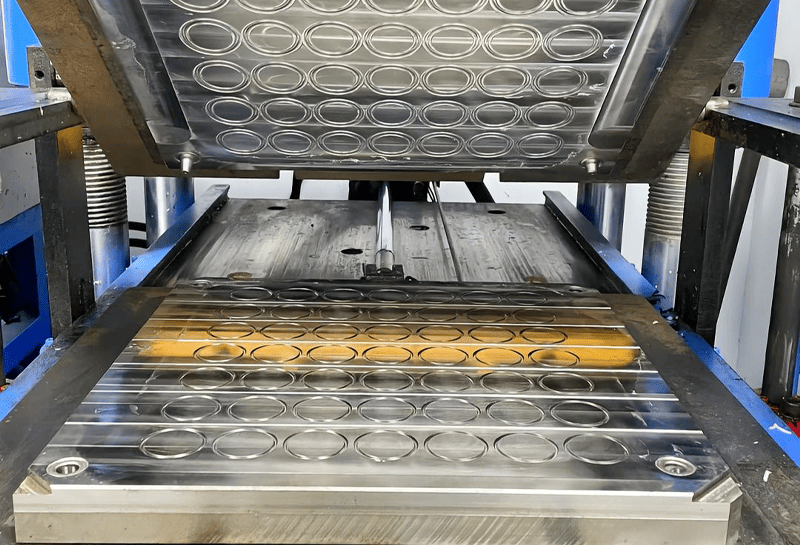
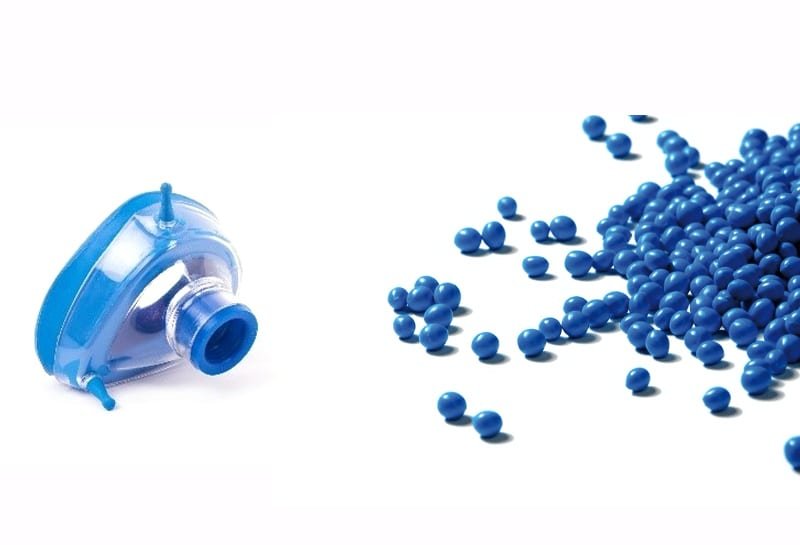
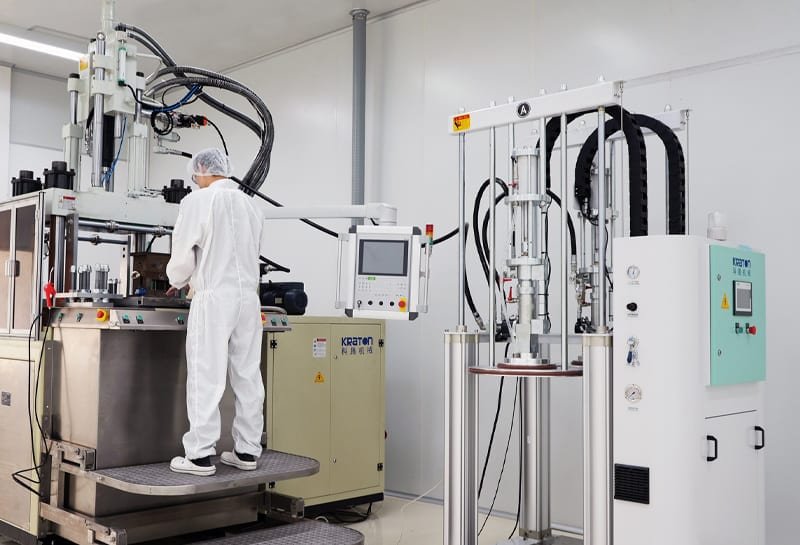
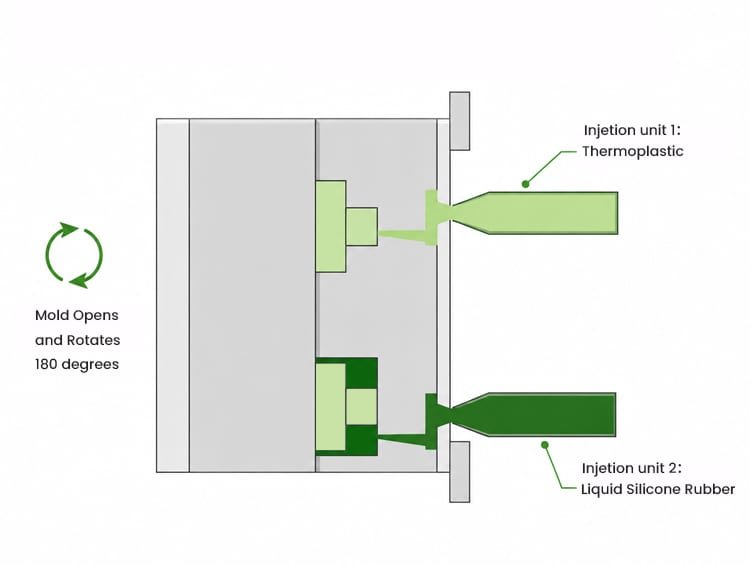
How Does LSR Overmolding Work?
LSR overmolding works by placing a thermoplastic or metal part into a heated mold, then injecting liquid silicone rubber (LSR) over it so the silicone flows, encapsulates, and chemically cross-links onto the substrate surface during the cure cycle. As the LSR vulcanizes at high temperature, it forms a permanent bond through a combination of molecular adhesion and mechanical interlocking, then produces a single integrated component.
This process combines the best of both materials, the structural strength of the plastic substrate and the softness, sealing capability, and vibration-damping performance of silicone.
LSR Overmolding Design Guidelines
Good overmolding design improves bonding, insert placement, silicone flow, demolding, and inspection. Use these rules before finalizing the substrate and mold plan.
| Design Rules | Guidelines |
|---|---|
| Wall Thickness | Keep uniform at 0.5-10 mm, minimum 0.5 mm, maximum 6.0 mm. |
| Draft Angle | Apply 0.5-3 degrees for automated demolding and textured surfaces. |
| Corner Radius | Inside radius should be 0.5 mm; outside radius around 1.5 mm. |
| Undercuts & Parting Line | Use split molds, slides, or lifters only when the design requires them. |
| Shrinkage & Tolerance | Compensate for 2.5-3.5% silicone shrinkage during mold design. |
Frequently Asked Questions
These answers cover common LSR overmolding questions around substrate choice, adhesion, tooling, sampling, and production validation.
What materials can you mold?
We work with food-grade LSR, medical-grade LSR, optical-grade silicone, fluorosilicone, and custom compounds selected for each product requirement.
Can you support low-volume validation before mass production?
Yes. We can begin with DFM review, prototype tooling, and validation runs before moving into multi-cavity production tooling.
Do you provide secondary operations?
Yes. We support post-curing, trimming, printing, bonding, drilling, dipping, inspection, packaging, and assembly.
Ready to build LSR Overmolding parts?
Send drawings, substrate details, target silicone grade, and volume. We will review the bonding route and return practical production feedback.