
Custom Silicone Rubber Extrusion Services
We manufacture precision extruded silicone rubber profiles, tubing, and seals tailored to your exact specifications. From high-temperature automotive gaskets to medical-grade tubing, our extrusion process delivers consistent cross-sections, superior elasticity, and long-term durability.
- ISO 9001 Certified
- ISO 13485 Certified (Medical)
- Tolerances down to +/- 0.05 mm
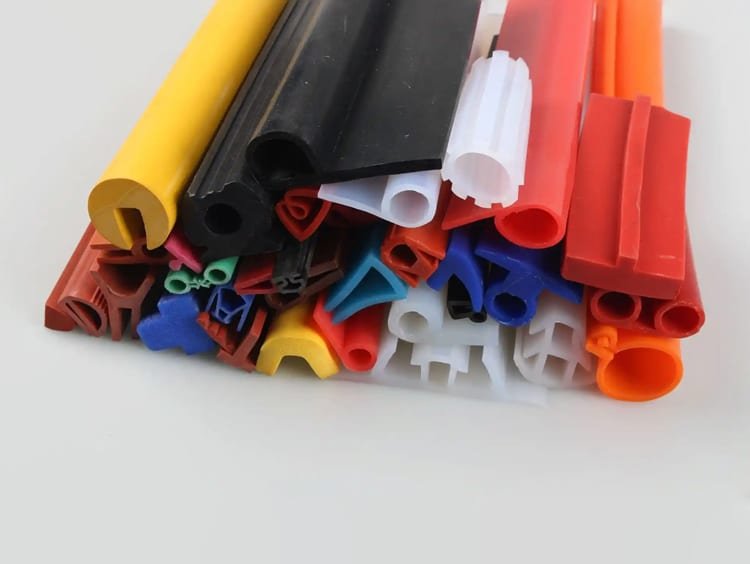
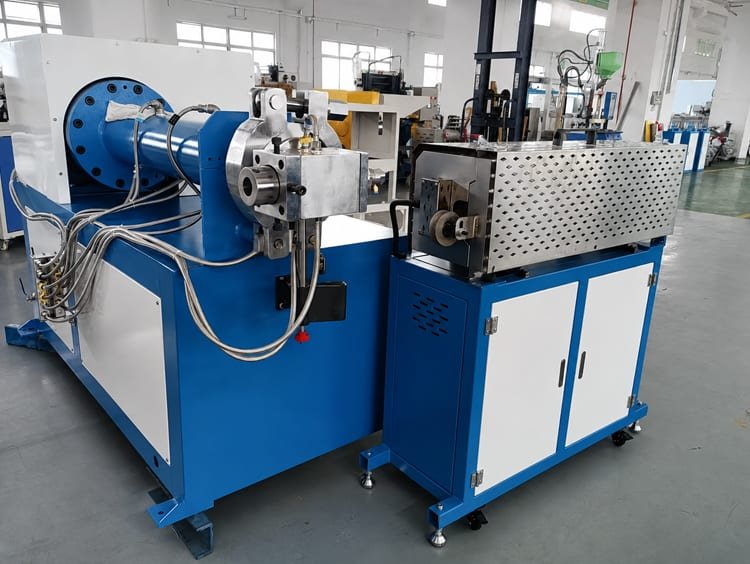
Silicone Extrusion Built for Demanding Applications
With decades of experience in polymer processing, we specialize in continuous silicone extrusion for industries where performance cannot be compromised.
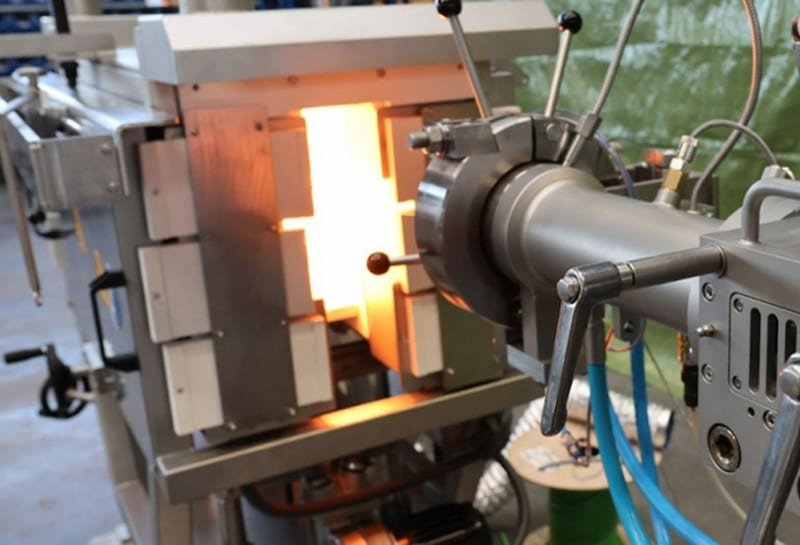
Our facility features precision extrusion lines, in-line curing systems including hot-air, salt-bath, and microwave, plus automated cutting and coiling stations for prototype through high-volume production.
We provide turnkey extrusion solutions with full dimensional validation, lot traceability, and production support tailored to the profile, tubing, and sealing geometry you need.
Extrusion Materials
We compound and extrude a broad range of silicone formulations to support thermal stability, compliance, conductivity, food safety, and demanding dynamic sealing performance.
Standard Silicone (HTV)
A general-purpose and cost-effective extrusion material suitable for many seals, strips, and profiles operating from -60 C to 200 C.
Platinum Curing Silicone
Platinum cured silicone is a silicone material that is rapidly vulcanized using a platinum catalyst. It has high transparency and good biocompatibility.
Flame Retardant Silicone
A UL 94 V-0 rated formulation used for transportation, electronics, and other applications that need flame-retardant performance.
Conductive Silicone
A specialty silicone compound used for EMI shielding and static-dissipative profiles in electrical and enclosure applications.
Soft Silicone
At extremely low temperatures, it can still maintain good flexibility and elasticity. Soft silicone can be used flexibly under a variety of temperature conditions.
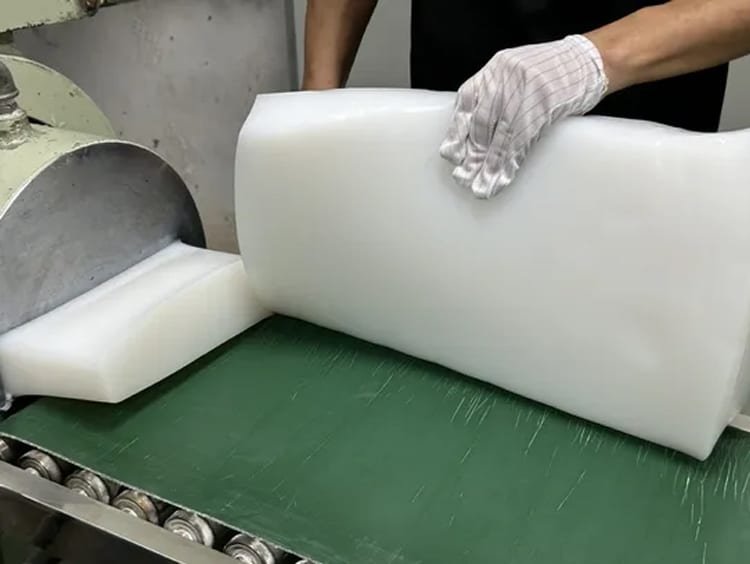
Fecision maintains long-term partnerships with global silicone rubber material brands including Wacker, Dow, Momentive, Shin-Etsu, and other qualified suppliers. For different industries and complex application conditions, we can work with raw material partners to develop custom silicone formulations around hardness, color, conductivity, flame resistance, food contact requirements, and extrusion stability.




Extrusion Capabilities
Our extrusion lines support small tubing, custom profile geometry, long continuous coils, precision color matching, and multiple curing paths for production-ready silicone components.
| Standard | Description |
|---|---|
| Profile Types | Tubes, cords, strips, complex custom profiles, and multi-lumen tubing |
| Outer Diameter (Tubing) | 0.5 mm to 120 mm |
| Cross-Section Tolerance | +/- 0.05 mm standard; +/- 0.03 mm precision |
| Wall Thickness | Minimum 0.3 mm; maximum 15 mm |
| Length Options | Cut-to-length parts or continuous coils up to 1,000 meters |
| Curing Methods | Hot-air vulcanization, salt-bath curing, microwave curing, and steam curing |
| Surface Finish | Smooth, matte, textured, or fabric-impression finish |
| Color Matching | Pantone and RAL matching available |
| Production Volume | Prototype programs through 1M+ meters annually |
Seondary Operations
We support post-extrusion conversion and finishing so your profiles, tubing, and seals arrive ready for downstream assembly or installation.
Silicone Extrusion Case Studies
We combine project review, tooling feedback, process control, and production follow-through for reliable molded silicone components.

"The sealing base needed stable oil resistance, clean surface quality, and repeatable LSR bonding without adding unnecessary assembly steps."
Vape Atomizer Sealing Base with LSR Overmolding
A top-3 electronic vaporization device manufacturer needed a high-temperature LSR sealing solution for atomizer assemblies, with reliable leakage control and repeatable production quality.
Fecision supported material review, tooling validation, overmolding process control, and inspection to help the program move from development to stable production.
Full Case StudyApplications by Industry
Silicone extrusion supports regulated tubing, environmental sealing, flexible insulation, and durable profile geometry across medical, transportation, electrical, food, and industrial markets.
Consumer Goods
Soft-touch components designed around product use and operating environment.
Consumer ElectronicsBaby Care
Pacifiers, bottle nipples, teething toys, and durable safe silicone parts.
Food & Baby CareAutomotive
Connector seals, vibration components, grommets, and protective silicone parts.
Mobility SolutionsElectronics
Waterproof seals, protective casings, keypad interfaces, and soft gaskets.
Electronics SolutionsGlance At Silicone Extrusion Products Fecision Made
Examples of tubing, sealing, and profile programs that align with silicone extrusion manufacturing.
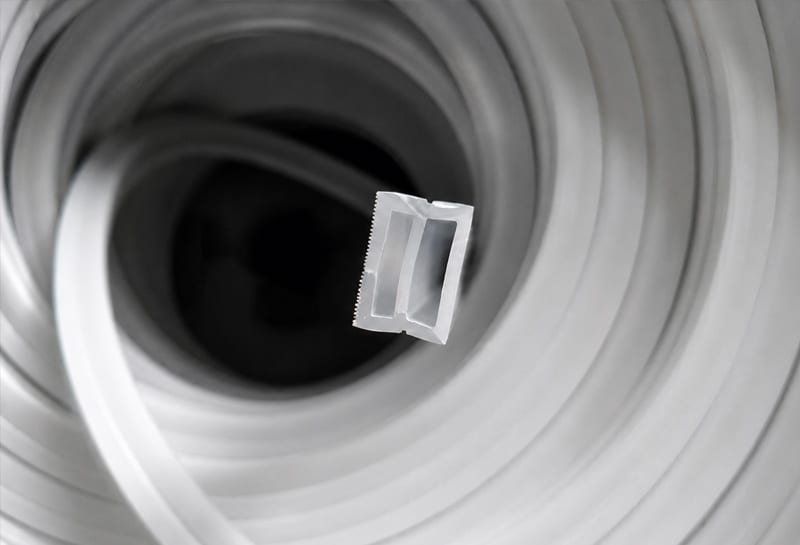
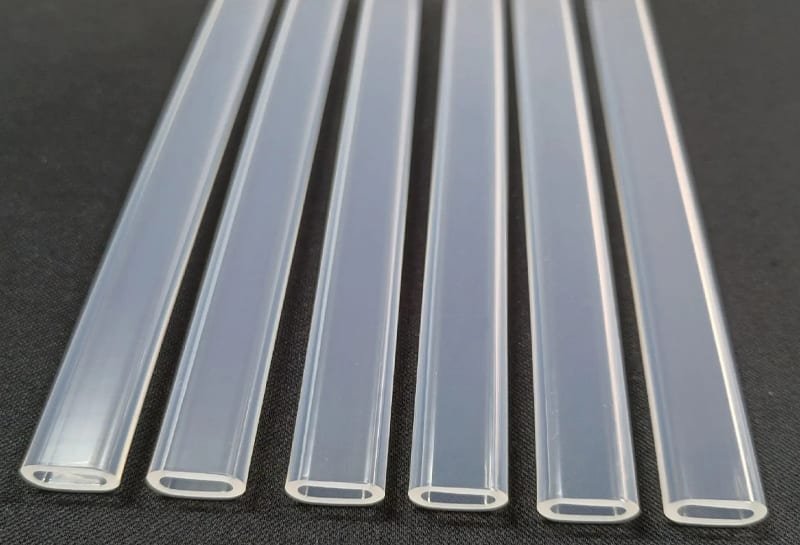 Medical-grade Silicone Tube
 Silicone LED Strip
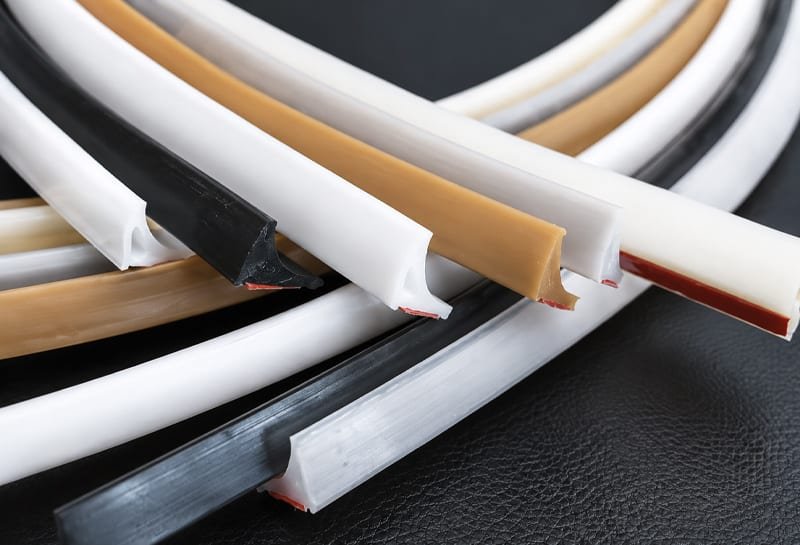 Silicone Sealing Strip
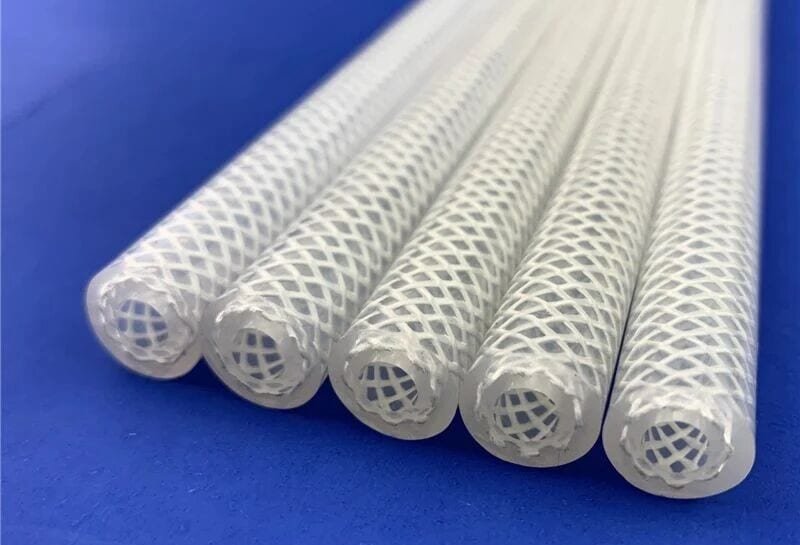 Silicone Hose with Braid Reinforcement
Silicone Rubber Exrusion Processes
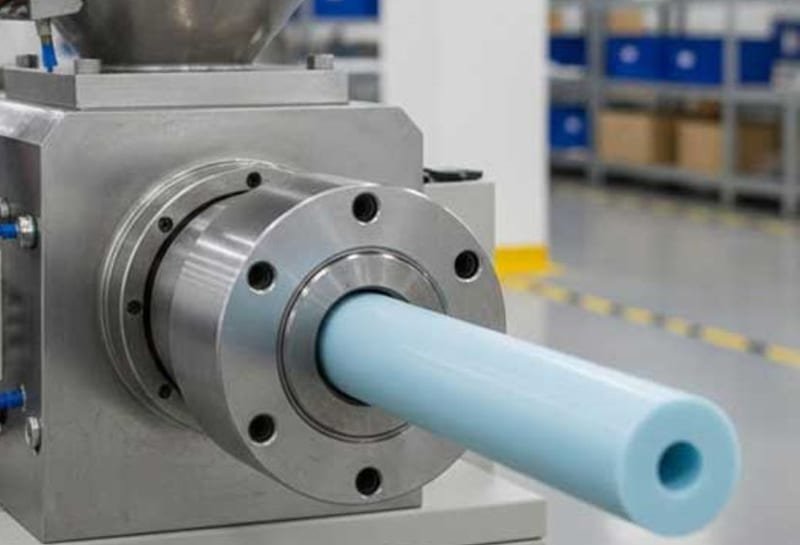
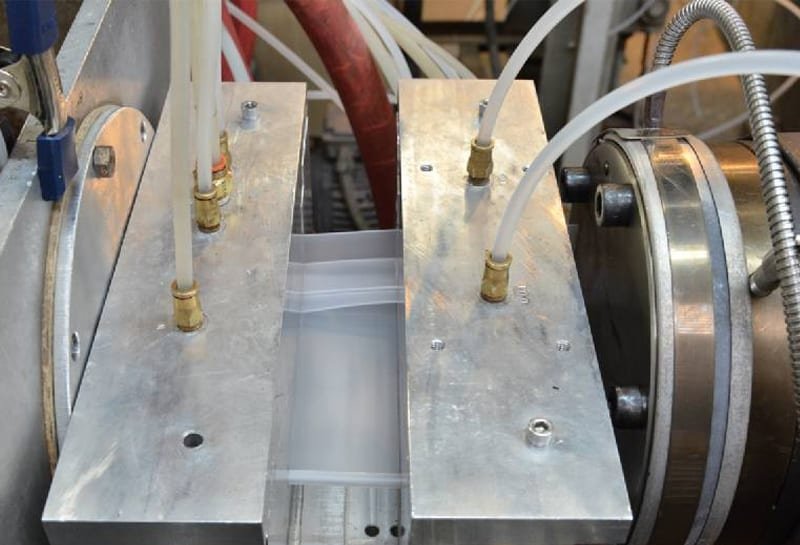
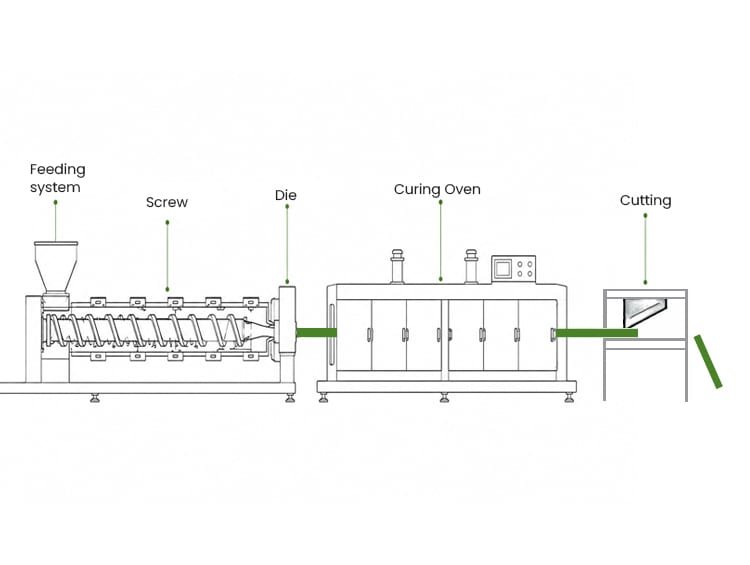
Silicone extrusion is a continuous process combining compounding, die shaping, in-line vulcanization, cooling, and inspection to create stable cross-sections over long production runs.
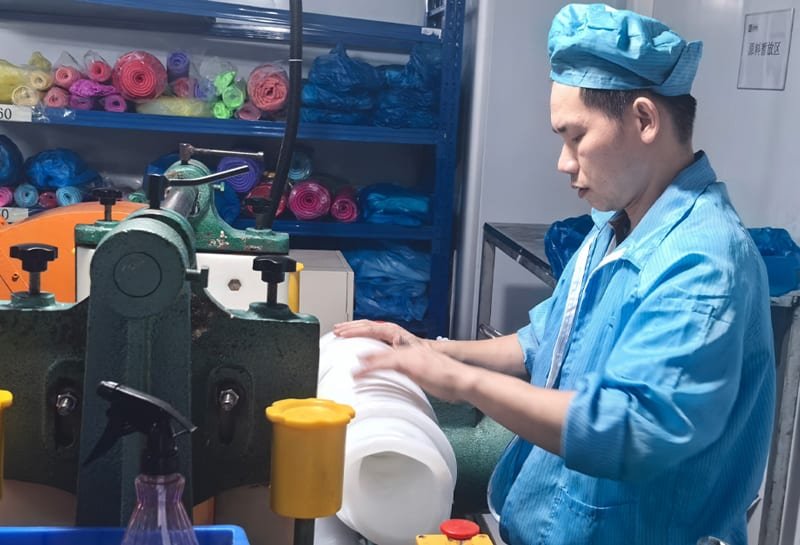
Material Compounding
Reviewing the customer's drawings and profile specifications. Based on the required dimensions, wall thickness, and extrusion length, the appropriate amount of silicone compound is calculated. The material is then cut, weighed, and blended with curing agents, pigments, or other additives.
How Does Silicone Extrusion Work?
A silicone compound is fed through an extruder and shaped by a precision die into a continuous cross-section. The profile is then vulcanized, cooled, finished, and inspected so tubing, seals, and custom profiles hold their intended geometry over long production lengths.
Extrusion Design Guidelines
Extrusion works best when wall balance, radii, hollow sections, and shrink compensation are considered early in profile development and die design.
| Design Rules | Guidelines |
|---|---|
| Wall Thickness | Keep wall thickness uniform at 1.0 to 5.0 mm and avoid abrupt transitions above 50 percent to reduce curing distortion. |
| Corner Radii | Use a minimum 0.3 mm inside radius. Sharp corners can create stress concentration and increase tearing risk during vulcanization. |
| Hollow Sections | Maintain adequate wall thickness of at least 0.8 mm to reduce collapse risk during extrusion and curing. |
| Tolerances | Standard tolerance is +/- 0.05 mm and precision tolerance is +/- 0.03 mm. Tighter requirements may need secondary grinding or post-curing. |
| Shrinkage | Allow roughly 2 to 3 percent linear shrinkage compensation when designing the die. |
| Surface Texture | Call out matte or fabric-impression finishes early because die surface treatment affects material flow. |
| Co-Extrusion | Multi-durometer or multi-color profiles are possible when the material systems are compatible. |
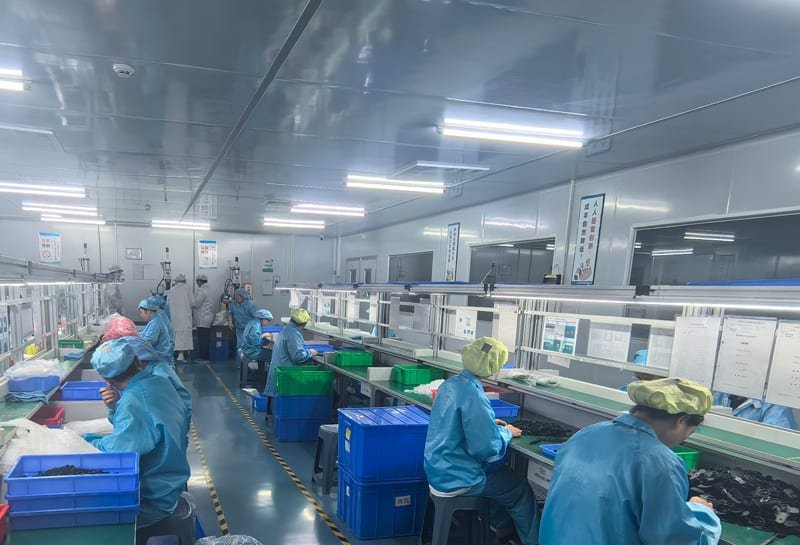
Quality You Can Verify
Our quality management system is certified to ISO 9001 and ISO 13485 for medical applications. Each extrusion run is monitored, documented, and reviewed to confirm both material integrity and dimensional consistency.
- In-process monitoring with laser micrometers and vision systems for dimensional control
- Material certificates with batch traceability plus RoHS, REACH, and FDA documentation support
- Physical testing for tensile strength, elongation, tear resistance
- Visual inspection for surface defects on critical medical, automotive, and sealing profiles
Frequently Asked Questions
We support prototype and production extrusion programs for tubing, seals, and custom profiles with traceable material and process control.
What is the minimum order quantity (MOQ)?
For standard materials, prototype runs can start at 500 meters. Custom compounds or complex profiles usually begin around 1,000 to 2,000 meters depending on setup complexity.
Can you match a specific color or hardness?
Yes. We support custom color matching to Pantone or RAL standards, with durometer options typically ranging from Shore A 20 to 80.
What is the typical lead time?
Standard profiles usually run 2 to 3 weeks. New tooling or custom profile programs typically take 4 to 6 weeks after die approval.
Do you provide material certifications?
Absolutely. We can supply Certificates of Analysis, material datasheets, and compliance documents such as FDA, USP Class VI, RoHS, and related traceability records upon request.
Ready to build silicone extrusion profiles?
Send your profile drawing, tubing dimensions, target material, and annual volume. We will return practical tooling and production guidance.