
Medical Device Cleanliness
Components used near patients or in device assemblies often need cleaner handling before validation, packaging, or downstream processing.
Fecision molds medical silicone components in an ISO Class 8 cleanroom. Controlled handling continues through inspection and packaging, with quality records supporting your project's requirements.
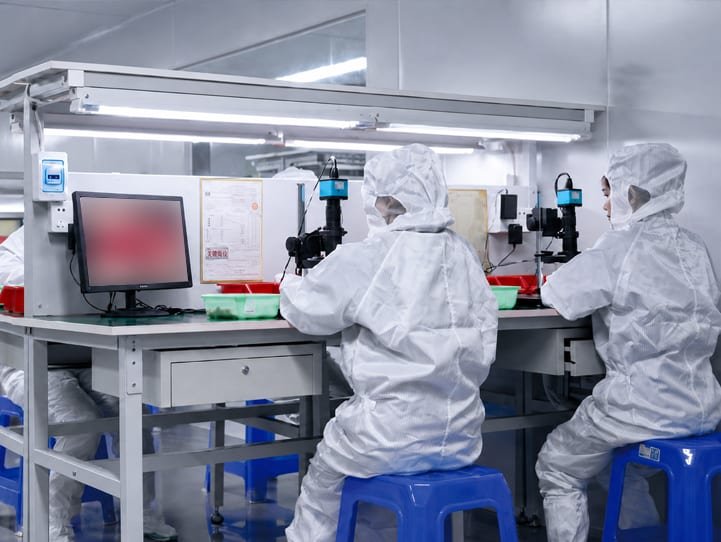

A cleanroom is a manufacturing area designed to limit airborne particles. It also controls how people and materials enter, reducing the contamination they can bring to exposed parts.
Filtered airflow and pressure control help keep airborne particles within the specified limits. Operators follow defined cleaning and gowning procedures, while materials move through designated transfer points. These routines keep part handling consistent throughout production.
Cleanroom production is not the same as sterilization. It manages particles and handling conditions, while sterility, bioburden, and microbiological requirements are defined separately by the product program.
A small particle can leave a visible defect or interfere with a sealing surface. In sensitive assemblies, it may also contaminate a fluid path. Cleanroom molding reduces exposure while those surfaces are unprotected.
Components used near patients or in device assemblies often need cleaner handling before validation, packaging, or downstream processing.
Clear silicone and optical-grade features make dust, fibers, and handling marks easy to see, so particle control should start before final inspection.
Gasket faces, sealing lips, and micro-valve surfaces can be sensitive to small debris that affects fit, compression, or inspection results.
ISO 14644-1 classifies cleanrooms by airborne particle concentration. Fecision uses an ISO Class 8 cleanroom, also commonly described as Class 100,000, to control particle exposure during production.
| Class | Particle Limit Reference | Typical Manufacturing Role |
|---|---|---|
| ISO Class 8 cleanroom | Up to 3,520,000 particles/m3 at >=0.5 μm and 29,300 particles/m3 at >=5.0 μm. | Controlled molding, staging, inspection, or support areas where parts need cleaner handling than a normal production floor. |
| Class 100,000 cleanroom | Up to 100,000 particles/ft3 at >=0.5 μm. | A widely used legacy description that corresponds to ISO Class 8 cleanroom conditions. |
Fecision supports cleanroom injection molding in an ISO Class 8 cleanroom (Class 100,000 cleanroom) area for projects that require controlled particle exposure, disciplined transfer, and careful handling.
The workflow covers part transfer after molding, clean inspection, temporary staging, and protective packaging. Work benches, trays, tools, and packaging materials are arranged to reduce dust transfer and unnecessary contact.
Where required, the cleanroom process can be paired with material traceability, inspection records, cleaning records, and agreed packaging instructions.
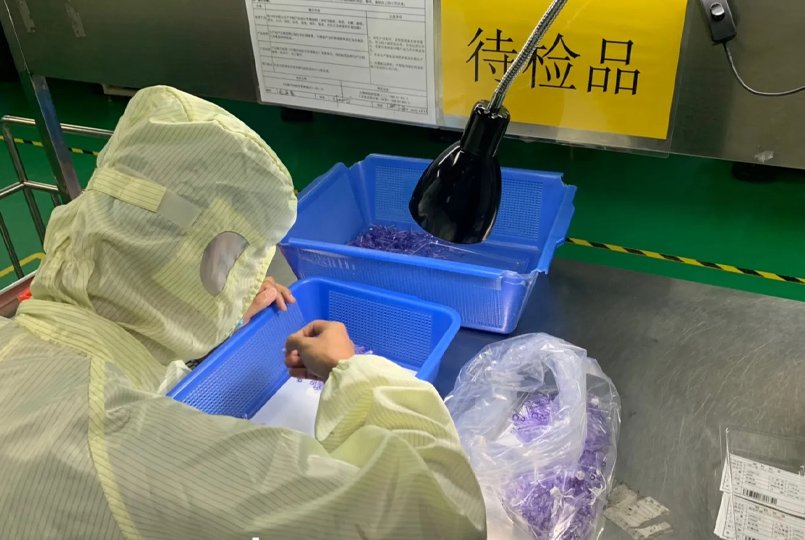
Cleanroom performance comes from routine discipline. Fecision controls work areas, personnel movement, material staging, and part handling through defined procedures rather than relying only on final inspection.
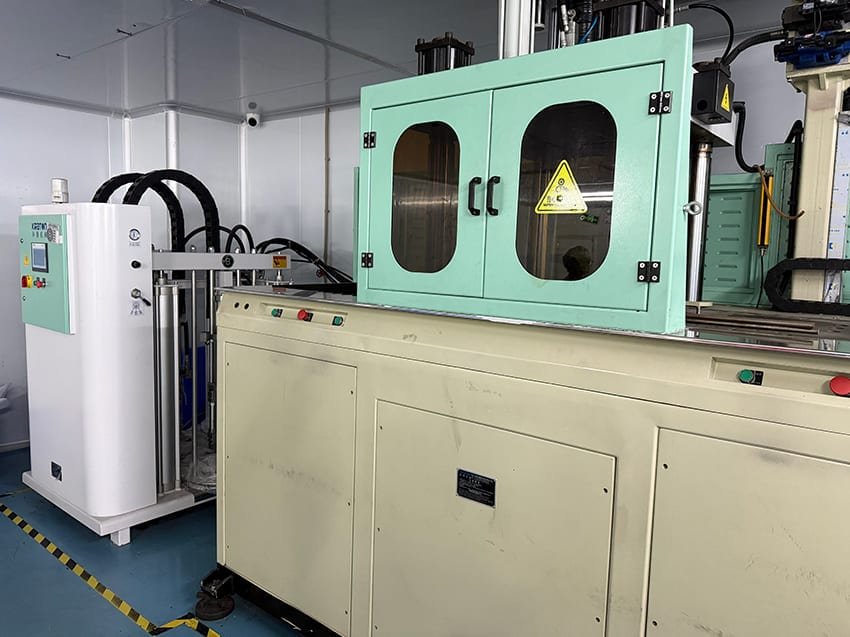
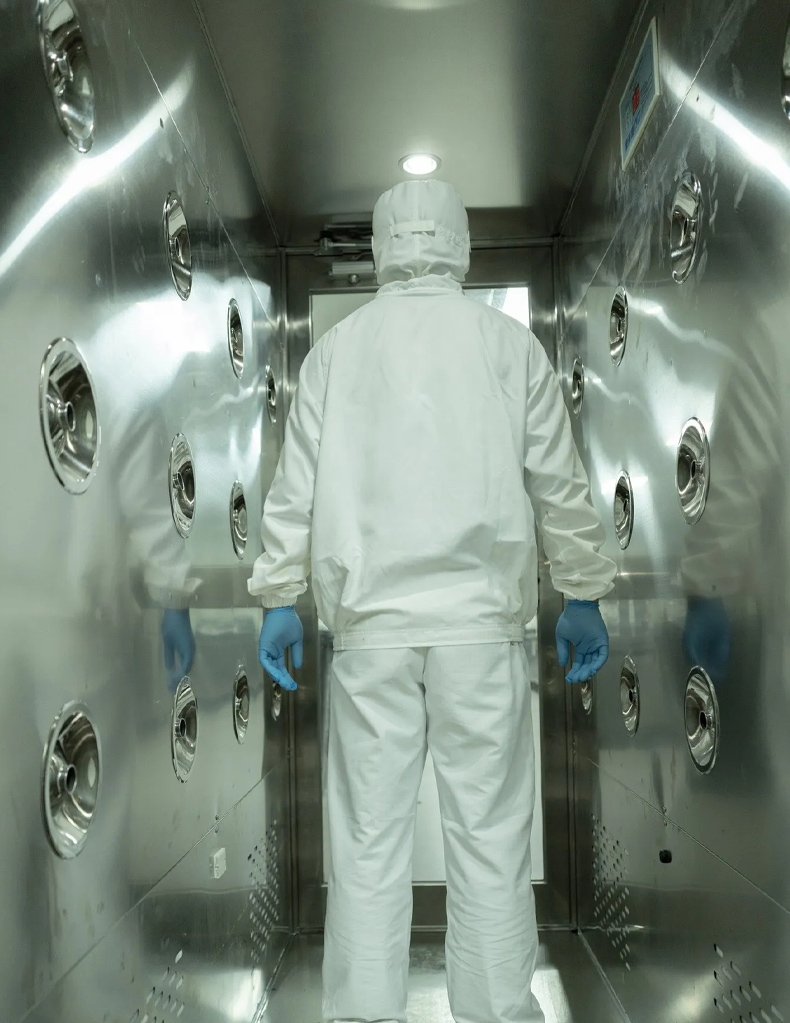
Operators follow gowning and glove-use procedures before handling parts. Controlled trays and tools help prevent contamination during transfer and inspection.
Materials, packaging, benches, and part-status areas are separated and organized to reduce dust transfer and mixed handling.
Cleaning records, work instructions, and training routines support consistent cleanroom behavior across operators and shifts.
Cleanroom molding does not replace mold design, process control, or quality planning. It adds a controlled environment for parts where cleanliness, appearance, or protected handling is part of the specification.
Filtered airflow and controlled work areas reduce the chance of dust, fibers, and loose debris reaching finished surfaces.
Cleaner handling supports clear silicone, soft-touch parts, and visible sealing areas where surface defects are easier to notice.
Approved parts can move into protective packaging with less exposure to open workshop conditions.
A cleaner workflow helps prevent handling contamination before it becomes a reject or rework issue.
Cleanroom procedures keep contamination controls in place as parts move from molding to inspection and packaging. Records document how the agreed conditions were maintained.
Defined routines for people, materials, tools, and records improve consistency across shifts and production stages.
The right cleanroom layout depends on machine size, ceiling height, mold access, part transfer, and the process performed inside the controlled area. For injection molding, the cleanroom must support both contamination control and normal manufacturing work.
Some projects need a controlled zone around the mold, platen, conveyor, or part ejection area rather than a full-room enclosure. Movable softwall cleanrooms can be useful when one press supports both general and clean production.
Injection molding requires mold changes, maintenance, and sometimes overhead crane access. The cleanroom structure should allow tool access through movable curtains, modular panels, or filter layouts that do not block the mold area.
Softwall panels are lightweight and easier to relocate. Hardwall systems provide a stronger enclosure and can support transfer windows or storage. Integrated wall systems offer tighter control, but usually with higher cost and less flexibility.
Fan filter units and HEPA filtration should be positioned where parts are exposed, often near the mold, part removal, inspection, or packaging zone. Airflow planning affects machine layout, maintenance space, and operator movement.
Operators need an entry and gowning process before handling clean parts. Conveyors, chutes, trays, and pass-through areas should guide parts from molding to inspection and packaging on a logical path that reduces cross-traffic and unnecessary exposure.
Cleanroom molding is selected when particle control, visual quality, clean contact surfaces, or protected packaging are part of the finished assembly requirements.

Seals, plugs, and caps for device housings, ports, and patient-care assemblies where cleaner transfer and packaging are specified.
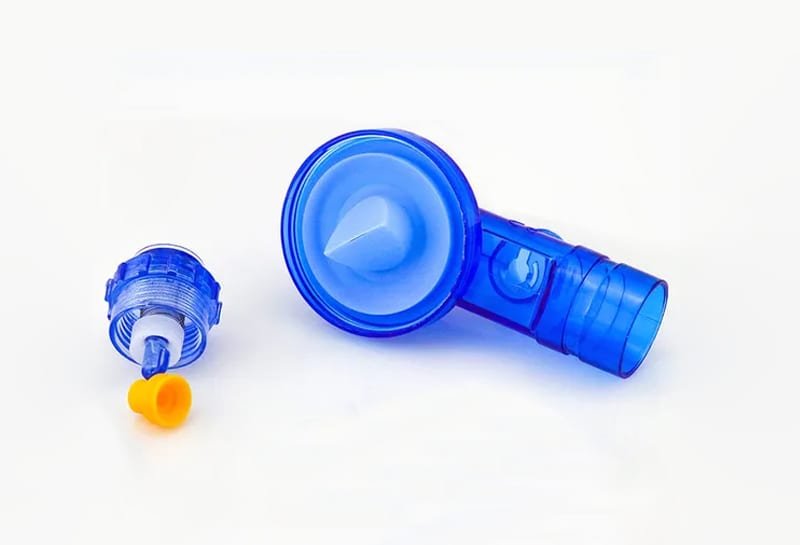
Small valves, membranes, stoppers, and interface parts used in fluid paths or diagnostic assemblies that require clean handling.
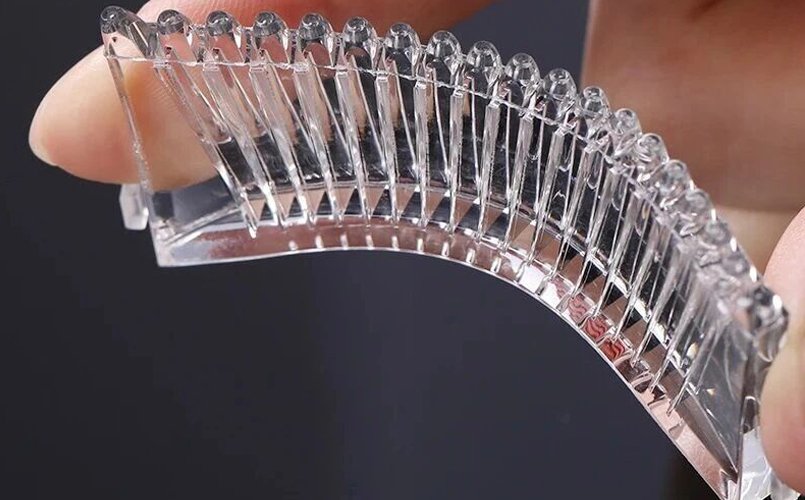
Transparent or light-transmitting silicone rubber components where particles, fibers, or surface marks can affect visual performance.
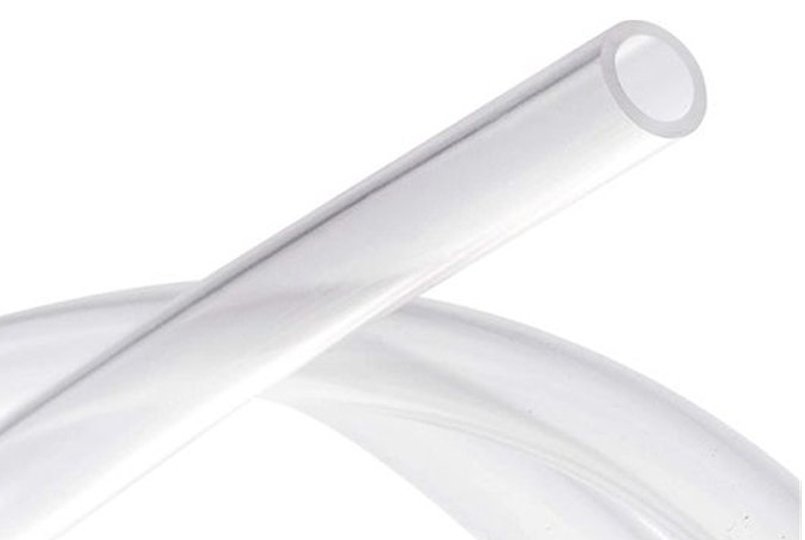
Soft-contact parts, tube interfaces, cushions, and molded details used in healthcare equipment and accessories.
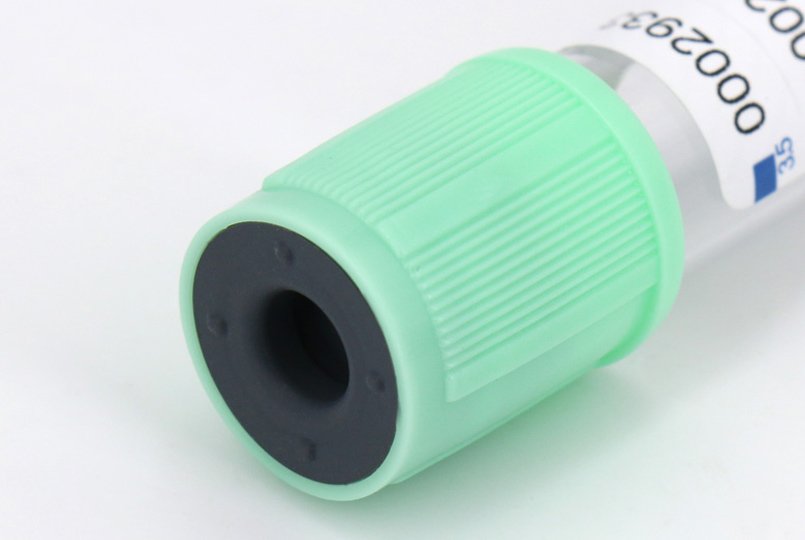
Stoppers, caps, and sample-contact parts that benefit from cleaner molding, inspection, temporary staging, and packaging.
Share your drawing and requirements. Fecision can review the molding route and cleanroom controls before tooling begins.