
Round Or Oval Drainage Bulbs
Soft bulb shapes can be designed for hand compression, stable rebound, and compact placement in a drainage kit.
Custom medical silicone rubber drainage bulbs that generate suction as they recover after compression.
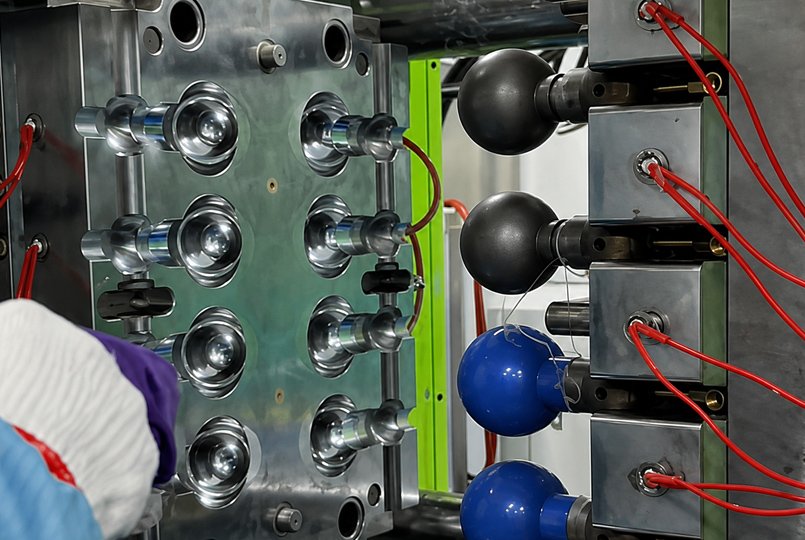
A suction drainage ball, also called a silicone rubber drainage bulb or negative-pressure drainage reservoir, is a soft medical silicone rubber component used in closed drainage assemblies. The bulb is compressed before use. As it returns to its original shape, it creates negative pressure that helps draw fluid into the reservoir through the connected tube.
The bulb must compress easily and recover at the intended rate to generate suction. Its material and wall thickness control that response, while the connector and valve must stay sealed to prevent loss of suction.
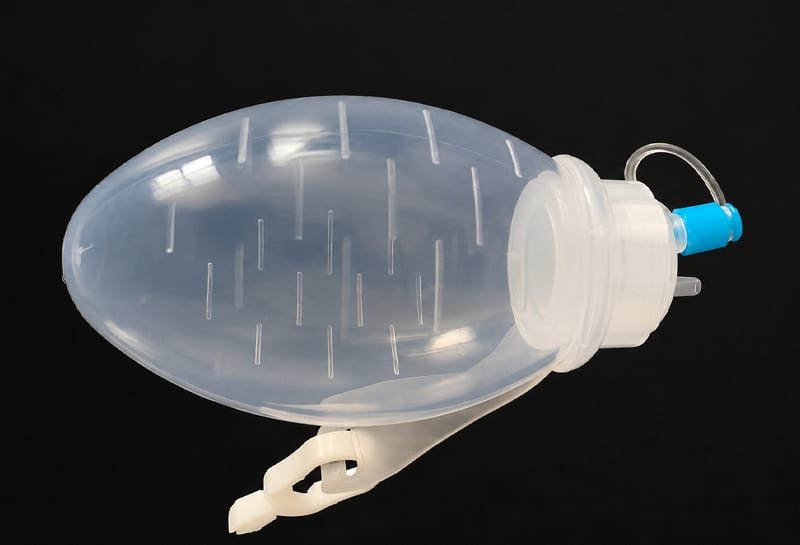
Fecision develops each drainage bulb around the required collection volume and suction response. Before tooling, we check how easily it compresses and how it recovers, then confirm that the tube and valve connections seal correctly. Graduation marks and packaging are agreed as part of the final specification.
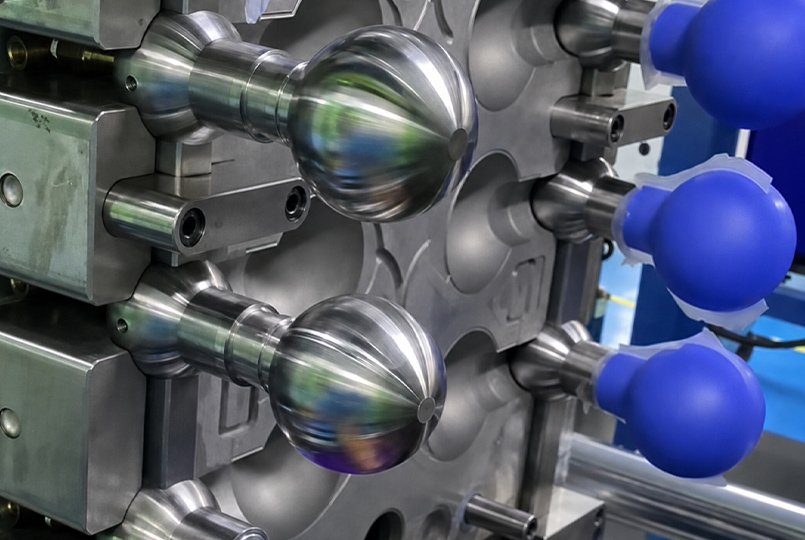
Our team reviews the bulb design for LSR injection molding or compression molding, then develops the in-house tooling. Samples are checked with the intended tube and closure before the handling and release process is agreed.
The bulb is squeezed by hand to expel air. After the cap or valve is closed, the elastic silicone rubber body tries to recover its original shape. This recovery creates negative pressure inside the reservoir.
Stable suction depends on the balance between softness and rebound. The silicone rubber wall must be flexible enough to compress, strong enough to recover, and sealed enough to hold negative pressure during use.
Reservoir design, connector sealing, and material recovery must work together before the assembly can hold suction reliably.
Custom designs are selected around reservoir volume, device layout, tube routing, handling feel, and fluid collection requirements.
Soft bulb shapes can be designed for hand compression, stable rebound, and compact placement in a drainage kit.
Connector diameter, barb shape, cap structure, and tube fit can be adjusted around the target assembly.
One-way valve, plug, cap, and port details can be reviewed to reduce leakage and simplify handling.
Graduation marks, logo, orientation marks, and color features can be reviewed for molded or secondary marking.
Drainage reservoirs need mold control, elastic recovery control, sealing control, and inspection support from the first sample stage.
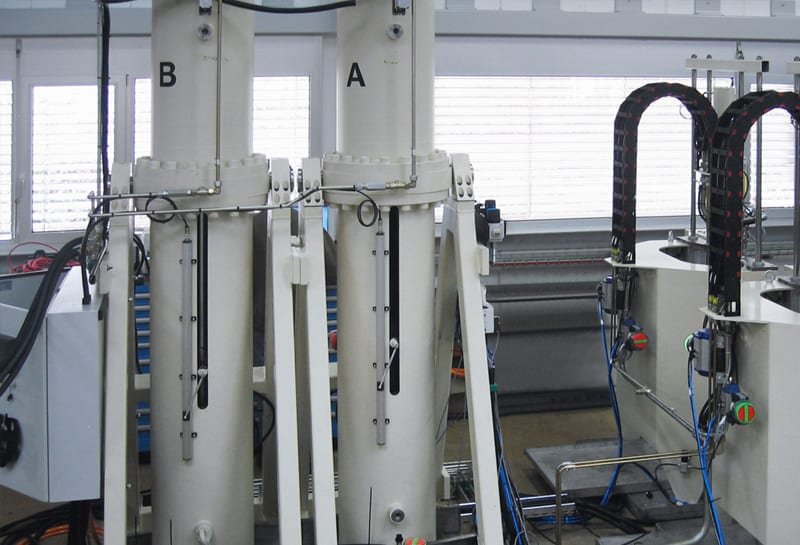
We check how the selected silicone and wall thickness affect compression and recovery. Reservoir volume and connector fit are confirmed against the device, with material documentation reviewed for the intended use.
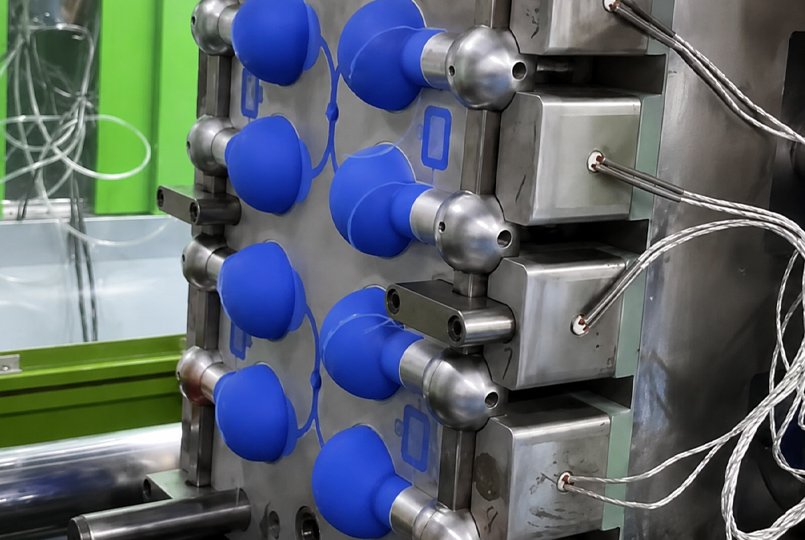
Before machining the tool, mold engineers check how the part will fill and release. They also review cap fit and the location of any flash that could affect the seal.

LSR injection molding or compression molding can be selected according to size, geometry, and production volume.
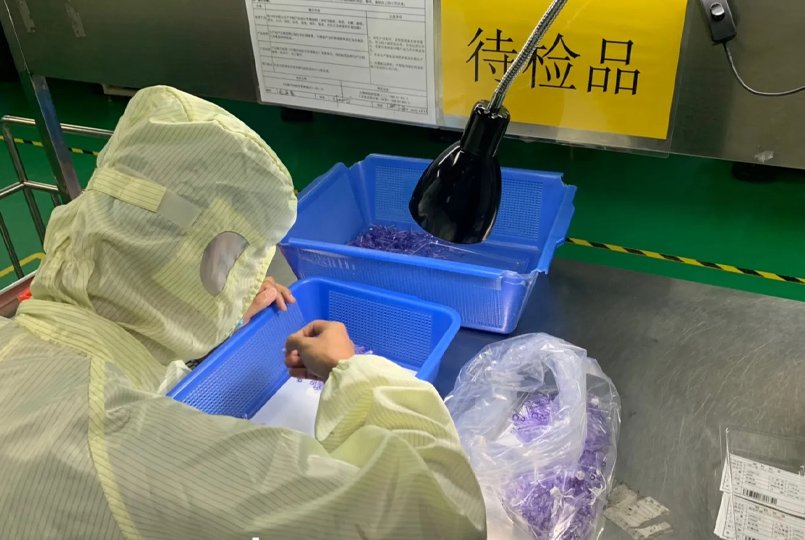
Finished medical parts can be checked for appearance, flash, connector fit, leak resistance and lot traceability.
Drainage ball projects can be adjusted around suction stability, handling comfort, assembly fit, and clean production requirements.
Small changes in geometry can affect suction, leakage, assembly, and user handling. These items should be confirmed before tooling.
| Design Factor | What To Confirm | Why It Matters |
|---|---|---|
| Reservoir volume | Target capacity, shape, wall thickness, and size limits | Controls collection volume, compression feel, and device packaging space |
| Negative pressure behavior | Compression force, rebound speed, leak target, and test method | Determines whether the bulb can hold suction consistently after compression |
| Connector interface | Tube ID/OD, barb design, cap size, valve structure, and assembly fit | Prevents leakage, loose assembly, tube pull-off, or handling problems |
| Material and packaging | Medical-grade silicone rubber, color, documentation, sterilization review, and pack format | Supports device validation, production release, and supply chain requirements |
Suction drainage balls are used in closed medical drainage assemblies, so the silicone rubber reservoir, connector area, cap interface, and packaging condition all need controlled handling before release.
Fecision supports ISO Class 8 cleanroom production, also known as Class 100,000, where controlled particle exposure is specified. Handling and packaging procedures protect the drainage bulbs after molding, with inspection records documenting acceptance.

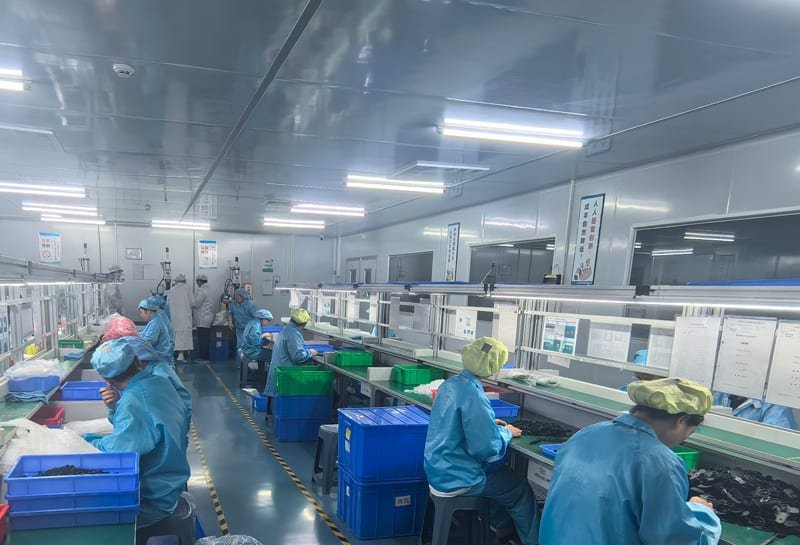
For a drainage reservoir, quality control must cover more than appearance. The silicone rubber body, connector, cap, valve, and molded wall must work together to keep a reliable negative-pressure path.
Share your sample, model or drawing and quantity. Fecision can review the tooling and production route before quotation.