
Soft Skin Contact
Soft LSR grades help the mask seal against the face without creating a hard pressure point. Special formulations can be selected when very low hardness is required.
Fecision manufactures custom medical silicone rubber respirator masks and breathing mask components with medical-grade LSR, clean production control, and in-house tooling support.

Medical breathing masks need to seal comfortably against the face and maintain that fit during use. Fecision develops custom silicone rubber mask components from the initial drawing through production, with material selection and inspection planned around the intended patient contact.
We use LSR injection molding to produce mask components for respiratory equipment, including CPAP and anesthesia systems. Our work covers the mask body and its soft sealing interfaces, with ISO Class 8 cleanroom production and documentation available to meet project requirements.
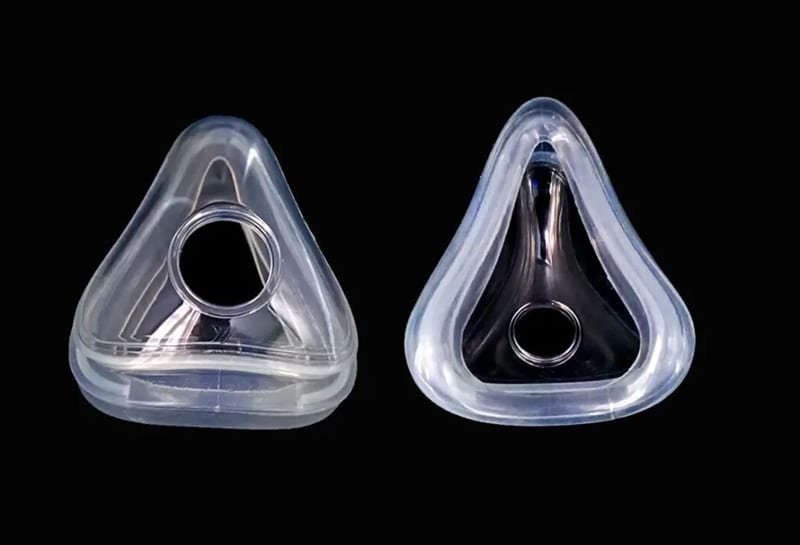
Liquid silicone rubber is widely used in respiratory mask parts because it combines soft skin contact with stable sealing performance after repeated compression.
Soft LSR grades help the mask seal against the face without creating a hard pressure point. Special formulations can be selected when very low hardness is required.
Silicone rubber returns well after compression, which helps the cushion keep its sealing shape during daily use, fitting, cleaning, and storage.
Medical-grade LSR is selected for the intended duration and type of skin contact. Available ISO 10993 material reports can support that assessment; suitability must be confirmed for the finished component.
Depending on the selected grade and part design, LSR respirator mask parts can be reviewed for EtO or autoclave sterilization compatibility.
The mask structure is selected around patient comfort, leak control, breathing mode, pressure level, and the device interface.
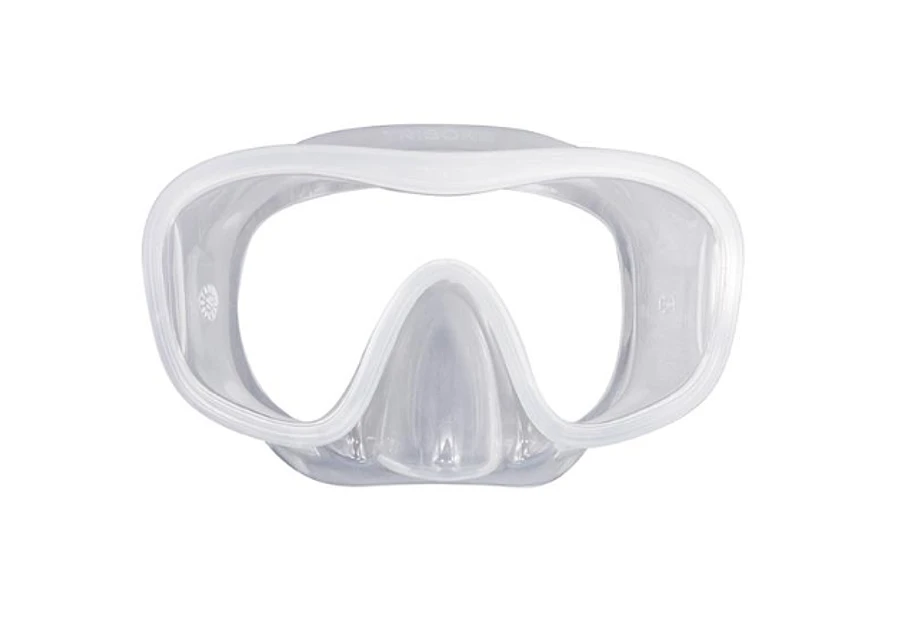
Full-face masks cover the nose and mouth. They allow both nasal and mouth breathing and are often used when mouth leakage must be reduced.
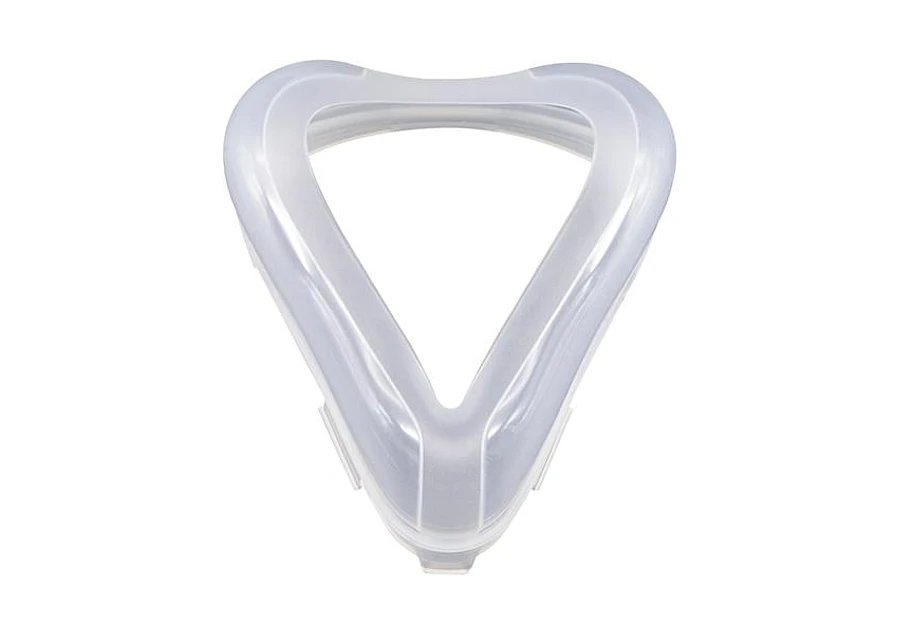
Nasal masks cover the nose only. They offer a more open field of view and are widely used for comfortable respiratory support.
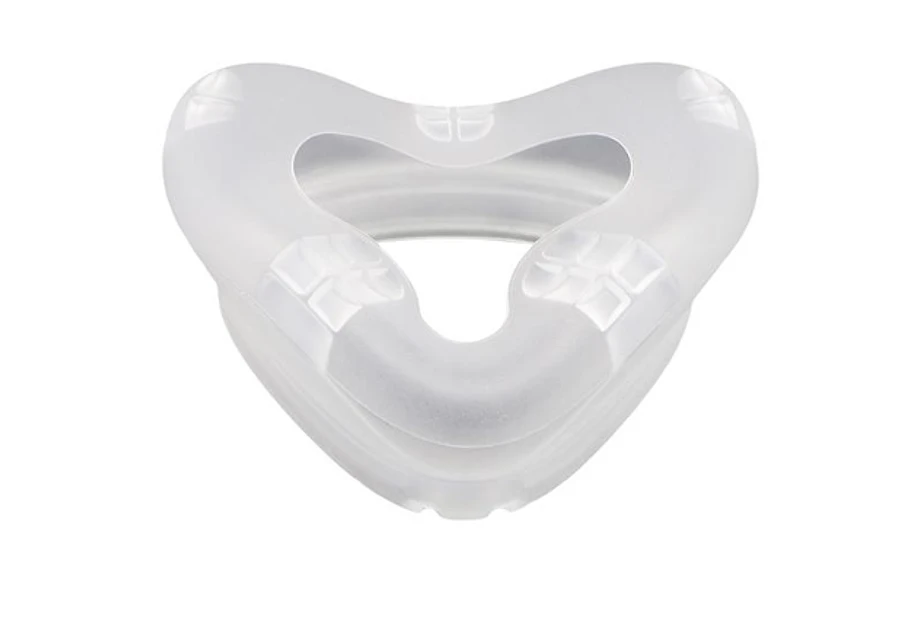
Nasal pillow masks use a small contact area at the nostrils. They are lightweight and useful when the user dislikes a larger mask body.
Fecision connects tooling, material preparation, molding, cleanroom handling, and inspection so custom respirator mask projects can move from sample to production with fewer delays.
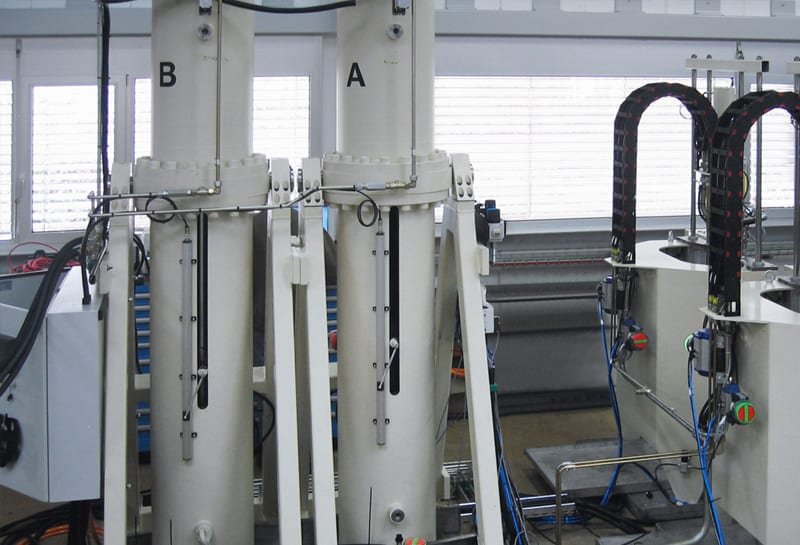
We review hardness, color, transparency, sterilization needs and available medical-grade LSR documentation before tooling begins.
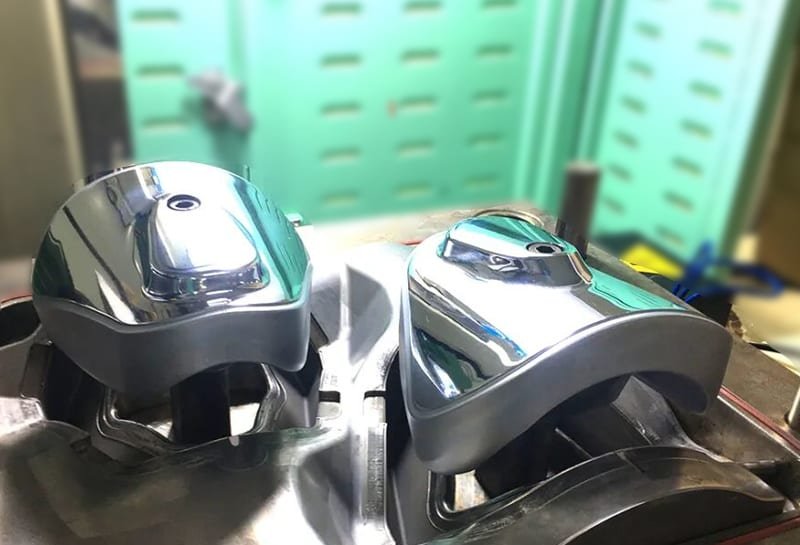
Mold engineers review parting lines, venting, flash control, sealing lips, undercuts, and assembly features for manufacturable mask geometry.
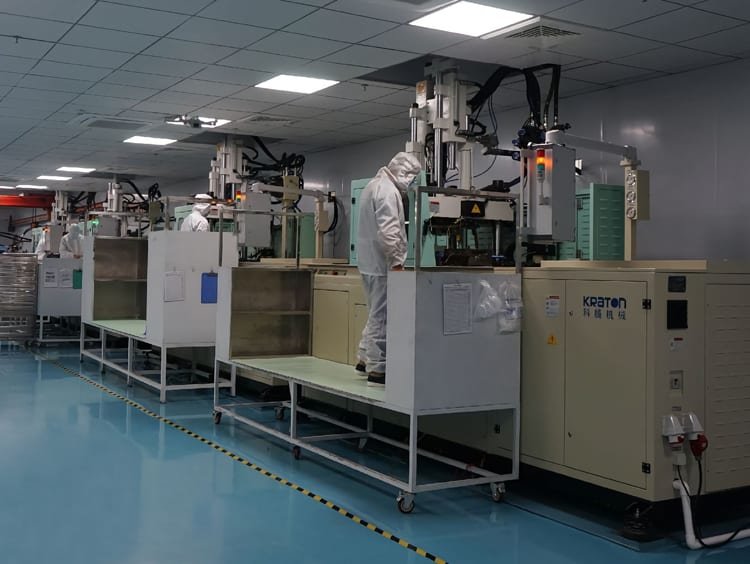
Two-part LSR is metered, mixed, injected into a heated precision mold, then cured under controlled temperature and pressure.
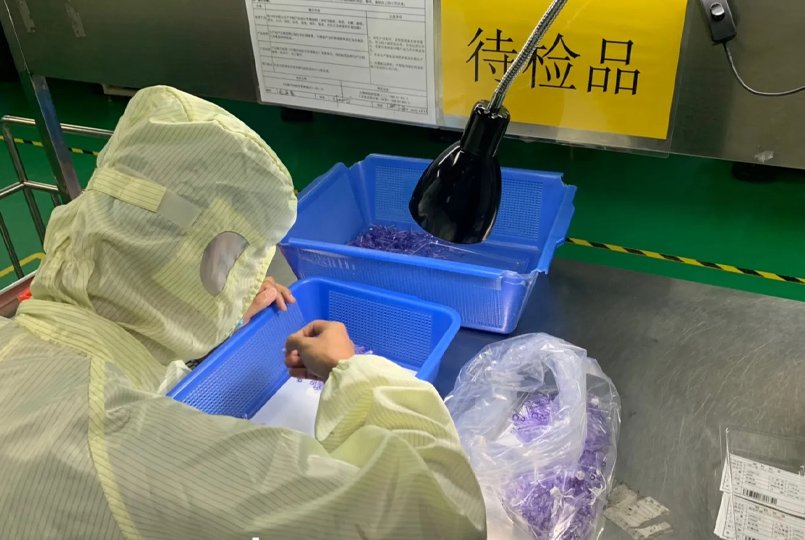
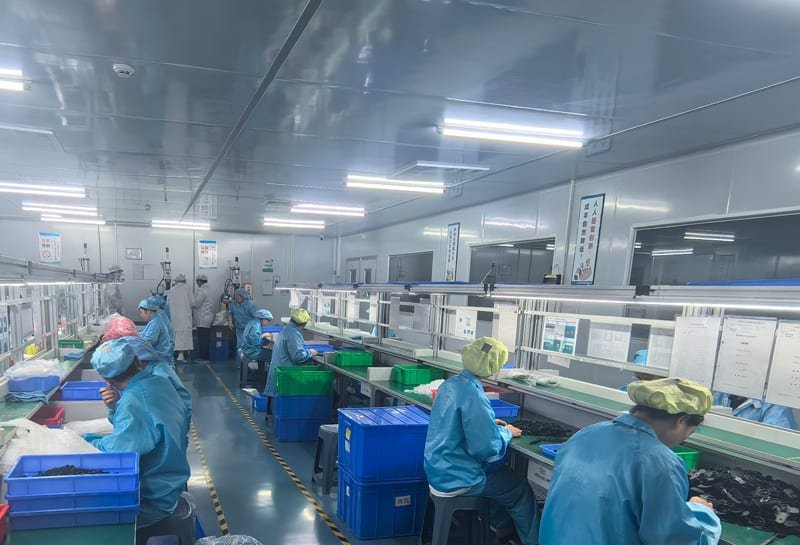
Medical mask parts can be produced and inspected under cleanroom controls with particle, appearance, dimension, and packaging checks as required.
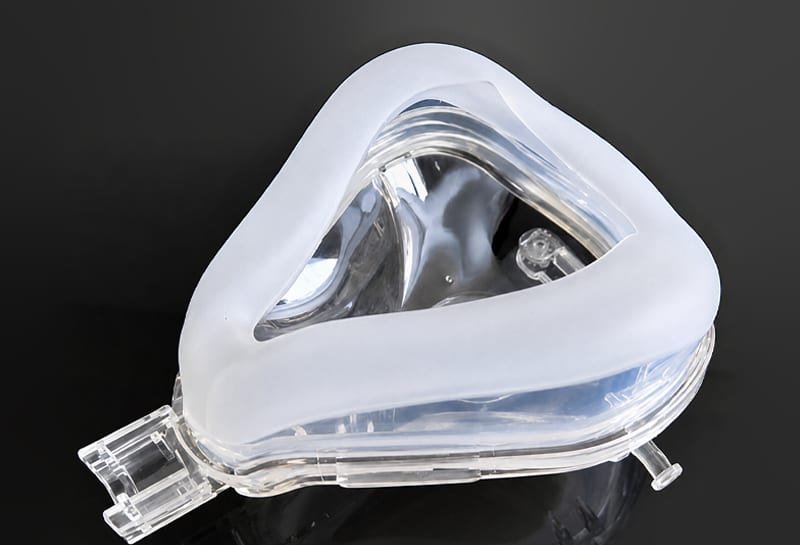
A respiratory device manufacturer needed a transparent PC mask with a soft LSR seal produced by LSR overmolding. The seal had to come out of the mold cleanly, without flash, trimming, or scratches on the clear surface.
We can adjust the silicone rubber grade, hardness, transparency, sealing geometry, connector design, packaging, and inspection plan around the final device requirements.
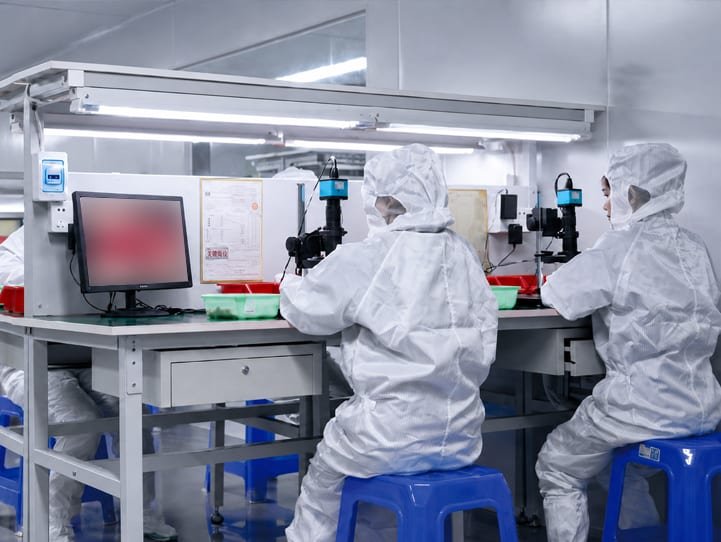
Medical silicone rubber mask components often need cleaner handling than standard industrial silicone rubber parts. Fecision supports ISO Class 8 cleanroom production, also described as Class 100,000 cleanroom production, for respiratory silicone rubber components where particle control, surface cleanliness, packaging, and lot traceability matter.
ISO Class 8 cleanroom production can be arranged after molding, trimming, inspection, and packaging steps according to the project requirement. This helps reduce contamination risk and keeps the part release process more predictable for medical device programs.
Respirator mask projects need more than a soft silicone rubber material. The seal geometry, mold design, flash control, clean handling and documentation all affect final product performance.
Send your drawing, 3D file or sample. Fecision can review the material, tooling and molding process before quoting.