
Custom Medical Silicone Rubber Stopper
Custom medical silicone rubber stoppers or plugs for device sealing, injection access, connector isolation.
- Full-process traceability from material batch to mold tooling
- ISO 13485 certification, with materials tested for ISO 10993 biocompatibility
- Produced in an ISO Class 8 cleanroom environment

What Is A Medical Silicone Rubber Stopper?
A medical silicone rubber stopper closes an opening in a medical device to contain fluid or protect the interior. Its design depends on how the opening will be used: some stoppers are removed for access, while others remain in place as compression seals. Tethers and vents can be added where needed.
Silicone rubber is useful for medical stopper designs because it is soft, elastic, and stable after repeated insertion. It can seal without damaging a plastic or metal housing, and it can be molded with fine features such as ribs, undercuts, pull tabs, grip heads, and sealing lips.
Review the material for its intended medical contact and sterilization method before tooling. The supporting documentation and handling controls must match those requirements.
Fecision supports custom medical silicone rubber stopper projects from drawing review to LSR injection molding, trimming, inspection, and clean packaging.
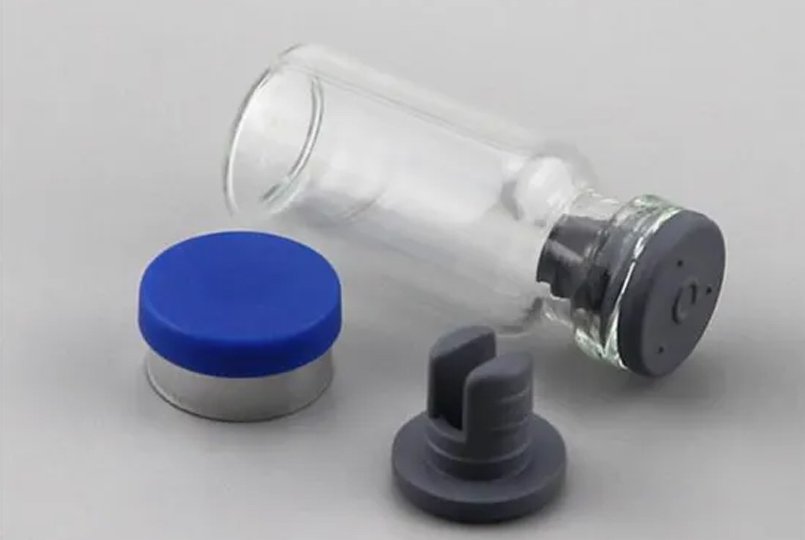
Why Medical Silicone Rubber Works Well For Stoppers
Silicone rubber deforms to fit the opening and recovers when the stopper is removed. This makes it useful for reusable closures, provided the selected grade is compatible with the substances it will contact.
Medical Silicone Rubber Stopper Custom Manufacturing Service
Standard stoppers often fail when the opening tolerance, insertion depth, sealing force, or pull-out force is not matched to the device. A good medical silicone rubber stopper design needs the right material hardness, wall thickness, taper, sealing ribs, and parting-line position.
Fecision checks how the stopper fits the mating hole and how much force is needed to insert or remove it. We review the leak limit and intended sterilization cycle against the contact medium, then prepare the design for compression molding or LSR molding. Color and packaging are agreed for the order.

Medical Silicone Rubber Stopper Types
Medical silicone rubber stopper geometry is selected around the opening shape, contact medium, sealing load, access method, and device assembly process.
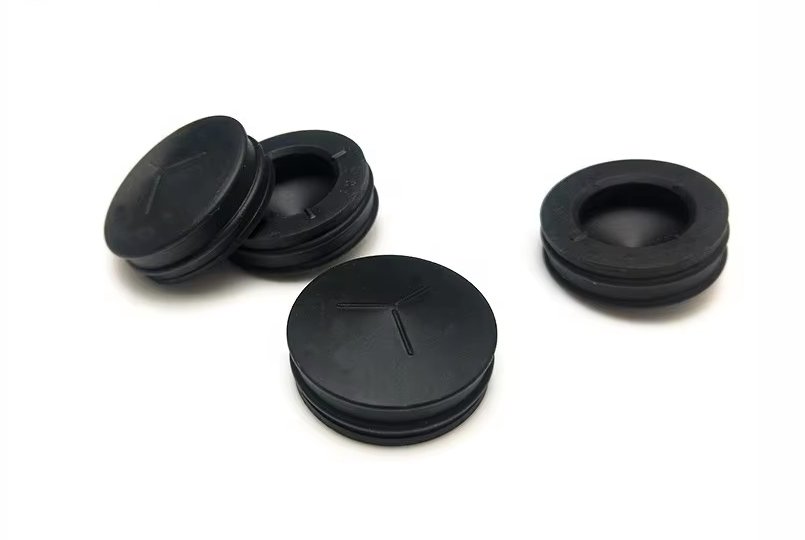
Injection Port Silicone Rubber Stoppers
Elastic silicone rubber stoppers for injection ports, sampling interfaces, and access points where resealing and clean contact matter.
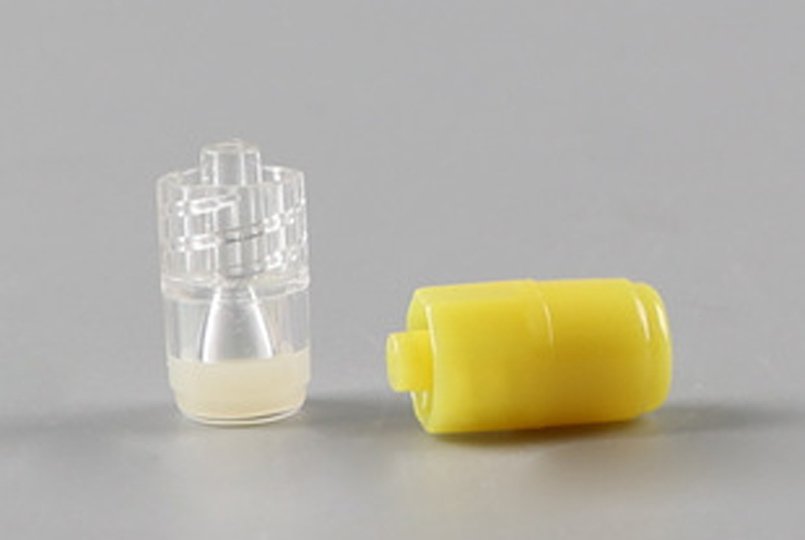
Heparin Cap Silicone Rubber Stoppers
Custom stopper parts for heparin caps and infusion access assemblies, reviewed around puncture feel, sealing recovery, and cleanliness.
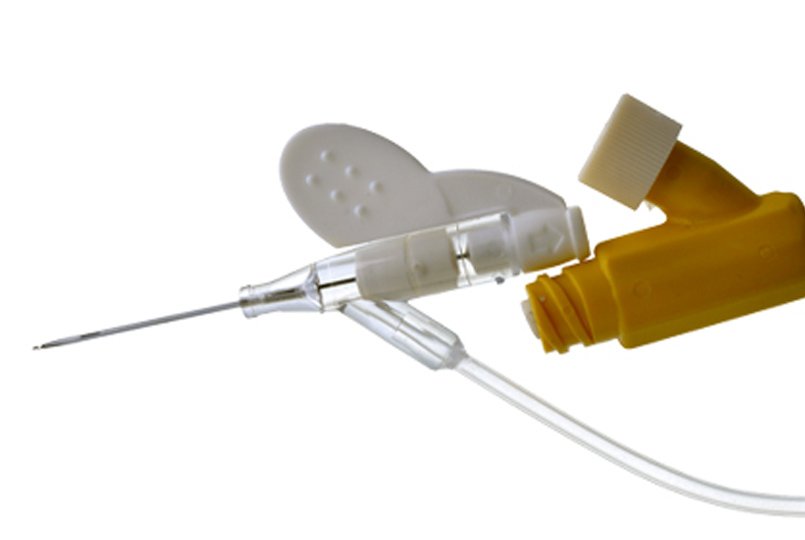
Indwelling Needle Isolation Stoppers
Soft isolation stoppers for indwelling needle interfaces, connector protection, and temporary closure of sensitive medical openings.
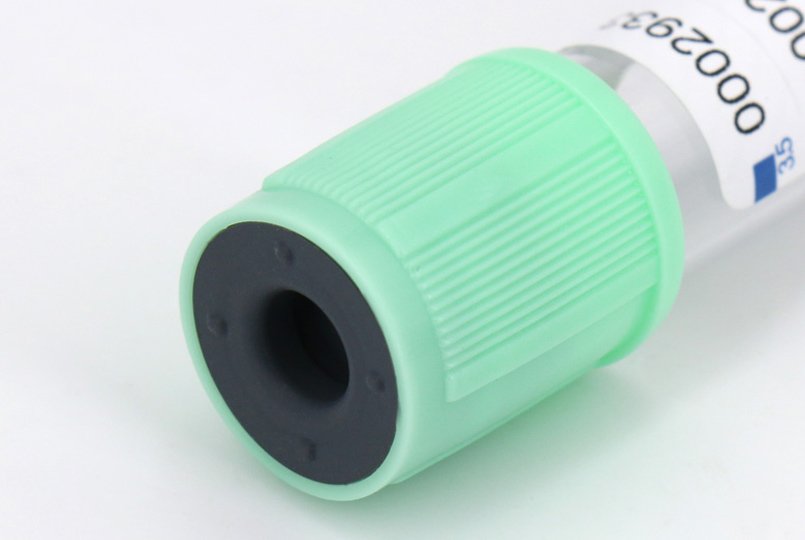
Blood Collection Tube Silicone Rubber Stoppers
Silicone rubber stopper designs for collection tubes and sample containers where closure force, seal integrity, and material compatibility need review.
Medical Silicone Rubber Stopper Manufacturing Process
A stable medical silicone rubber stopper project needs sealing review, tooling control, clean molding, and inspection before production release.
1
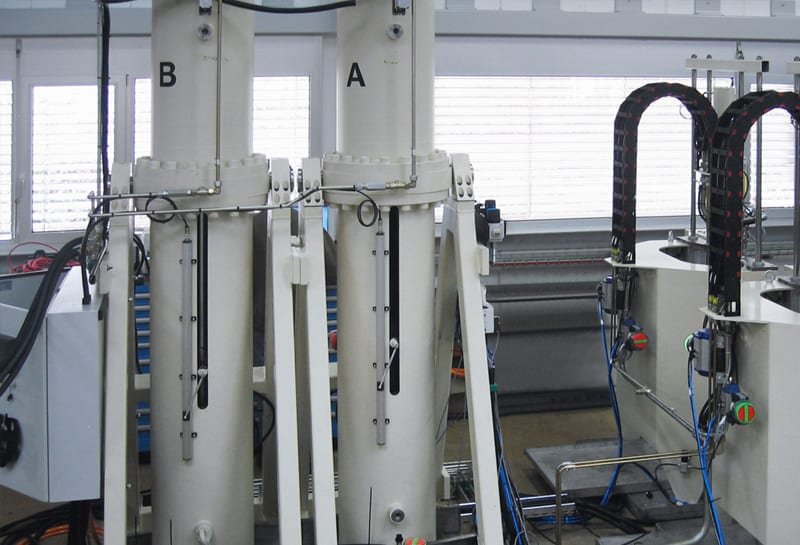
Material Preparation
We select the grade for the contact medium and planned sterilization cycle. The required hardness and appearance are confirmed against the drawing, with supporting documentation reviewed for the intended use and market.
2
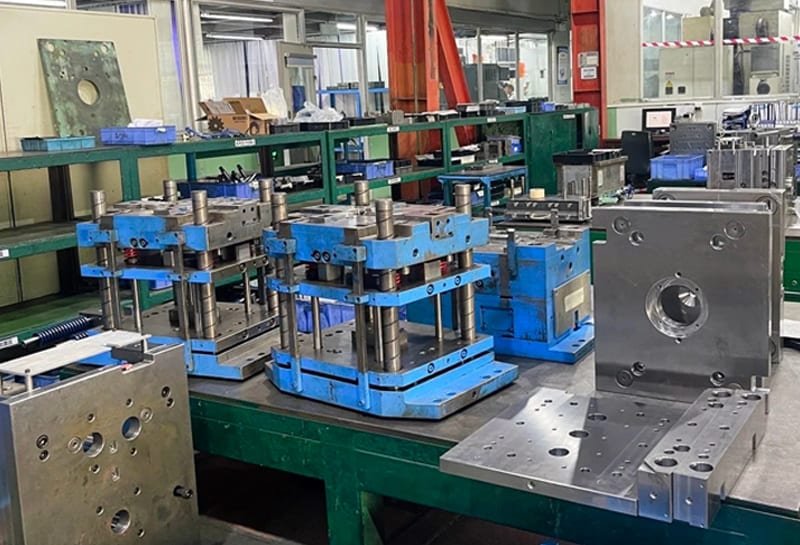
Tooling
We position parting lines away from critical sealing areas where possible. Venting and release features are then reviewed to limit flash and prevent damage during demolding.
3
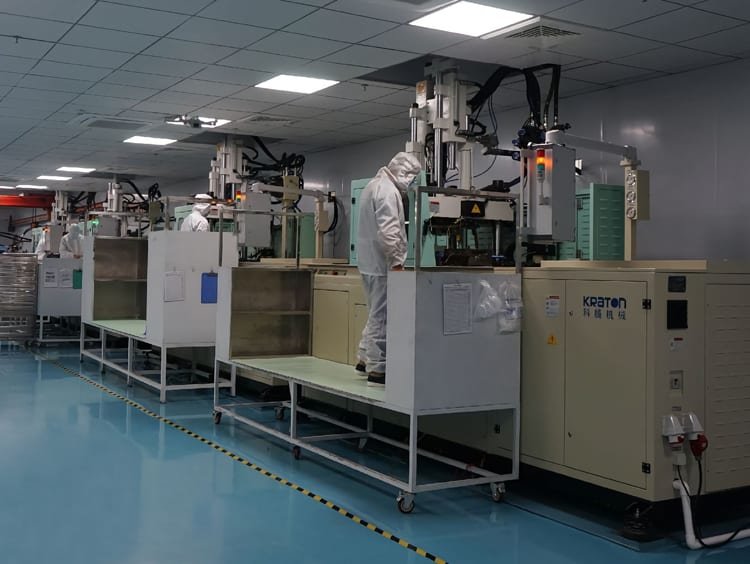
Silicone Rubber Molding
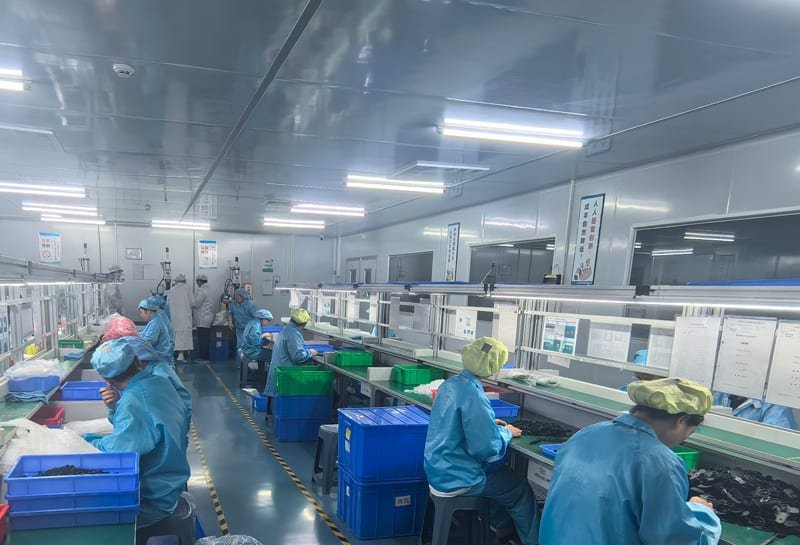
Medical silicone rubber stoppers can be produced by LSR injection molding or compression molding depending on geometry, volume, tolerance, and material.
4
Inspection And Packaging
Inspect the stopper against its dimensional and appearance requirements, paying particular attention to the sealing surfaces. Confirm the specified packaging before shipment.
Custom Manufacturing Capabilities
We develop the stopper to fit the opening and provide the intended insertion and removal force. Material and handling requirements are agreed for the device's use.
Design Factors For Custom Medical Silicone Rubber Stoppers
These points help define the first quotation and tooling review.
| Design Factor | Recommended Guidance |
|---|---|
| Opening size and tolerance | Share the mating hole diameter, depth, tolerance, and material so the stopper compression can be reviewed. |
| Seal requirement | Define whether the stopper blocks liquid, air, dust, cleaning fluid, or only handling contamination. |
| Material standard | Confirm whether the project needs FDA, USP Class VI, RoHS, REACH, food-contact, medical-contact, or electrical insulation review. |
| Insertion and pull-out force | Hardness, taper, rib height, and flange size affect how easily the user can install and remove the stopper. |
| Pressure balance or venting | Some stopper designs need controlled venting or gas permeability to prevent pressure build-up while keeping the interface protected. |
| Cleanliness and packaging | Medical projects may need controlled handling, visual inspection, lot records, and project-specific packaging. |

ISO Class 8 cleanroom production
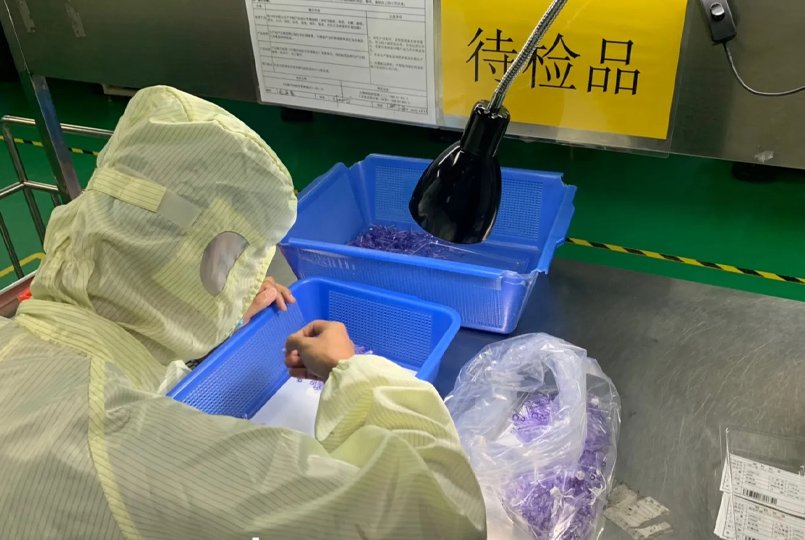
Medical silicone rubber stoppers often touch openings, sealing surfaces, or device interfaces. Fecision can arrange ISO Class 8 cleanroom production, also described as Class 100,000 cleanroom production, and clean handling steps for projects that need particle control, surface cleanliness, and lot traceability.
ISO Class 8 cleanroom workflow can be used after molding, trimming, inspection, and packaging review according to the device requirement.
Why Choose Fecision For Custom Medical Silicone Rubber Stoppers?
Medical silicone rubber stopper projects need more than a molded part. Material records, clean production, stable dimensions, process validation, and export-ready documentation all affect procurement review and device approval.
Traceable Medical-Grade Material
Select medical-grade LSR for the type and duration of contact. Available ISO 10993 or USP Class VI evidence can support the review where relevant, with additional testing defined for the component's intended use.
ISO13485 Certified
Production can be arranged in a clean environment under an ISO 13485 quality workflow, with traceable control from material preparation and molding to post-curing, inspection, and clean packaging.
Precision, Consistency, And Verification
LSR injection molding and precision tooling help control dimensions, appearance, flash, sealing surfaces, and repeatability. Inspection can be aligned with incoming inspection standards, AQL, seal testing, hardness checks, tensile testing, or project-specific validation.
Documentation And Global Supply
Batch traceability, declarations of conformity, and required test report support can be prepared for international customers who need clear lead times, change control, and efficient technical communication.
Medical Silicone Rubber Stopper Applications
Medical silicone stoppers are used where a clean, reliable closure must protect samples, reagents, injectable drugs, diagnostic systems, or veterinary products. Seal integrity, contamination control, and material stability are the main design concerns.
Human Injection
Injection drugs, vaccines, biologics, and specialty therapies need highly reliable closure systems to help maintain sterility and product integrity.
Diagnostics
Medical silicone stoppers are widely used in diagnostic kits, specimen collection containers, and laboratory testing systems where clean closure and stable storage matter.
Laboratory Use
Research labs, testing facilities, and drug development centers use silicone stoppers for sample storage, reagent containment, and analytical workflows.
Animal Injection
Veterinary medicines, livestock vaccines, and animal health products rely on medical stoppers for safe storage, handling, and administration.
Need A Custom Medical Silicone Rubber Stopper?
Send drawings, samples, seal requirements and annual quantity. We will review the stopper design and suggest a practical molding route.