
Continuous Support
Solid Silicone Core
Provides continuous internal support and elastic sealing force for static joints where the groove and hardware can apply sufficient compression.
A fluoropolymer jacket for chemical exposure. A silicone core for elastic sealing force.
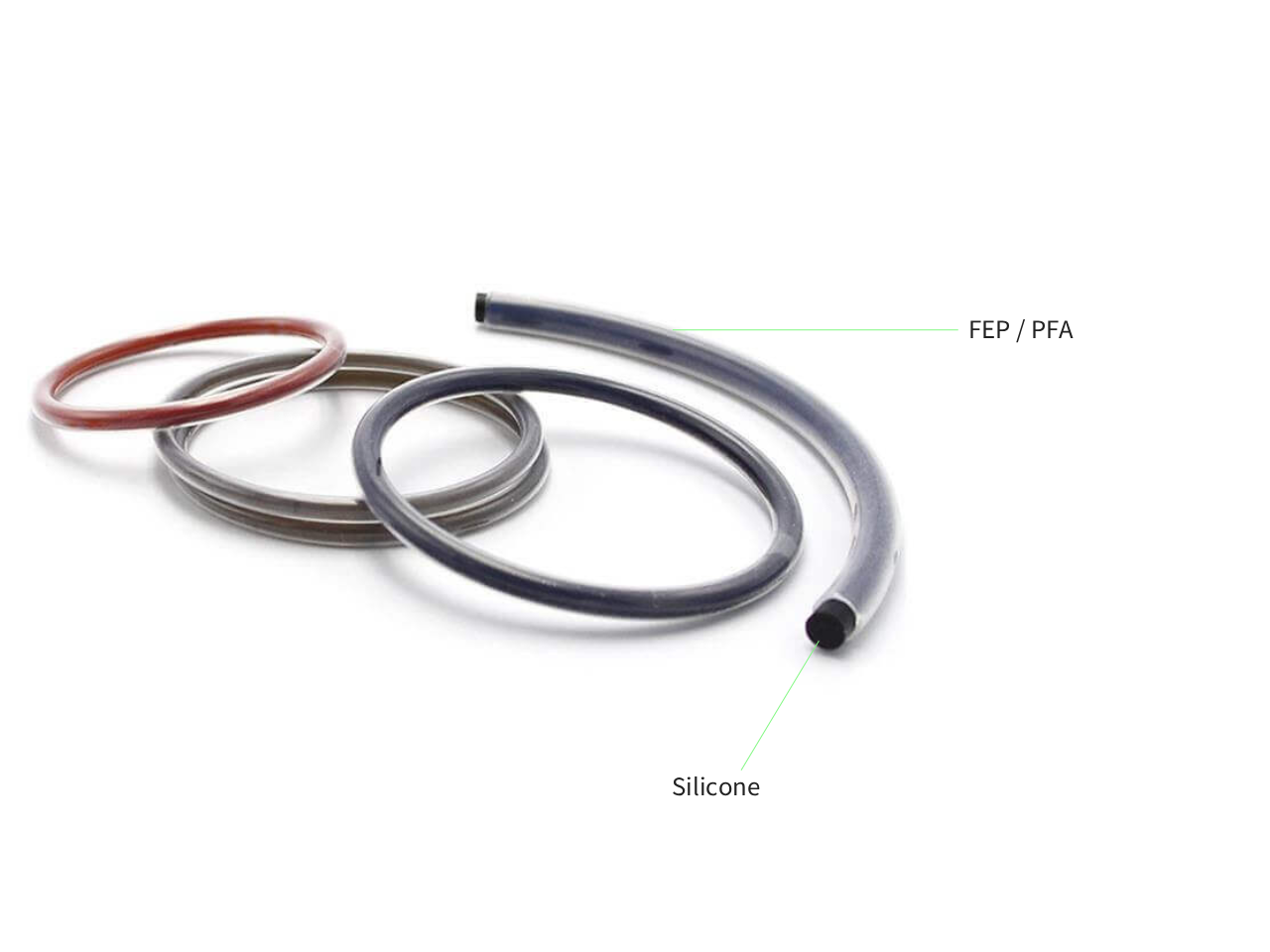
An FEP encapsulated silicone O-ring combines a continuous fluoropolymer jacket with an elastic silicone rubber core. The FEP jacket forms the process-contact surface and provides broad chemical resistance, while the silicone core supplies sealing preload, compression, and recovery inside the groove. Jacket integrity is part of the functional seal specification.
The construction primarily serves static axial or radial sealing. Inspection covers jacket continuity, finished cross-section, wrinkles, splits, and installation damage. Core construction changes compression force, recovery, support under load, and installation response. Slow or limited movement requires review of the contact surface, pressure, and jacket-damage risk.
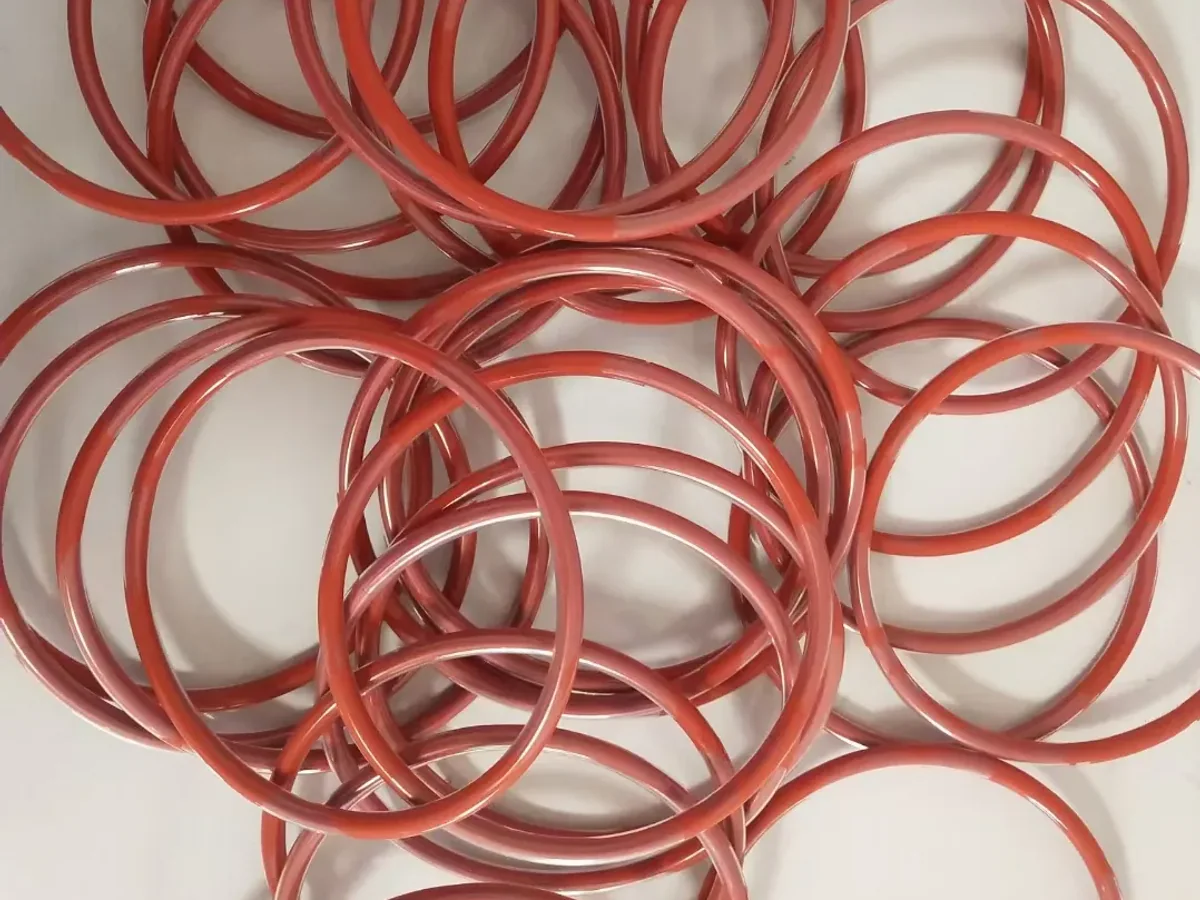
The complete seal is specified as a jacket-and-core combination. Selecting only the FEP jacket or only the silicone grade does not define the finished product.
Provides continuous internal support and elastic sealing force for static joints where the groove and hardware can apply sufficient compression.
Can reduce the force required to compress the seal where clamping load is limited or mating components are sensitive to contact pressure.
Groove evaluation uses finished seal dimensions (inside diameter: nominal or drawing-controlled finished ID; finished cross-section: measured after encapsulation; outside diameter: specified when required by the assembly). Standard references provide a starting point; availability and tolerances are confirmed at quotation. Pressure capability depends on the complete seal construction, groove, clearance, media, temperature, and assembly condition.
| Specification | Description |
|---|---|
| Product type | FEP encapsulated silicone O-ring |
| Outer material | Continuous FEP fluoropolymer jacket |
| Core material | Silicone rubber, solid or hollow construction |
| Standard profile | Circular O-ring profile |
| Size definition | ID × finished CS, standard reference, or custom drawing |
| Size references | AS568, ISO 3601, BS 4518, metric, and inch references |
| Preferred duty | Static axial or radial sealing |
| Inspection | Drawing, purchase specification, or agreed inspection plan |
The FEP jacket provides broad chemical resistance, but selection must account for mixed media, concentration, heat, pressure, cleaning cycles, and exposure duration. Molten alkali metals, fluorine, and certain reactive halogen compounds are known exceptions; jacket damage can also expose the silicone core to the process media. A PFA jacket is an alternative when the process requires a higher temperature range; the core and finished seal still need separate review.
Name, concentration, and every component of mixed media
Continuous, peak, heating, cooling, and thermal cycling
Operating range, direction, clearances, and pressure changes
Duration, cleaning cycles, abrasive particles, slurries, and permeation concerns
FEP encapsulated O-rings are less flexible than conventional solid silicone O-rings. The groove and installation path must accommodate the finished seal without excessive stretch, twisting, or sharp contact. A groove based only on standard elastomer data may not provide the required compression, while high-speed rotary, reciprocating, or abrasive duty requires a different sealing review.
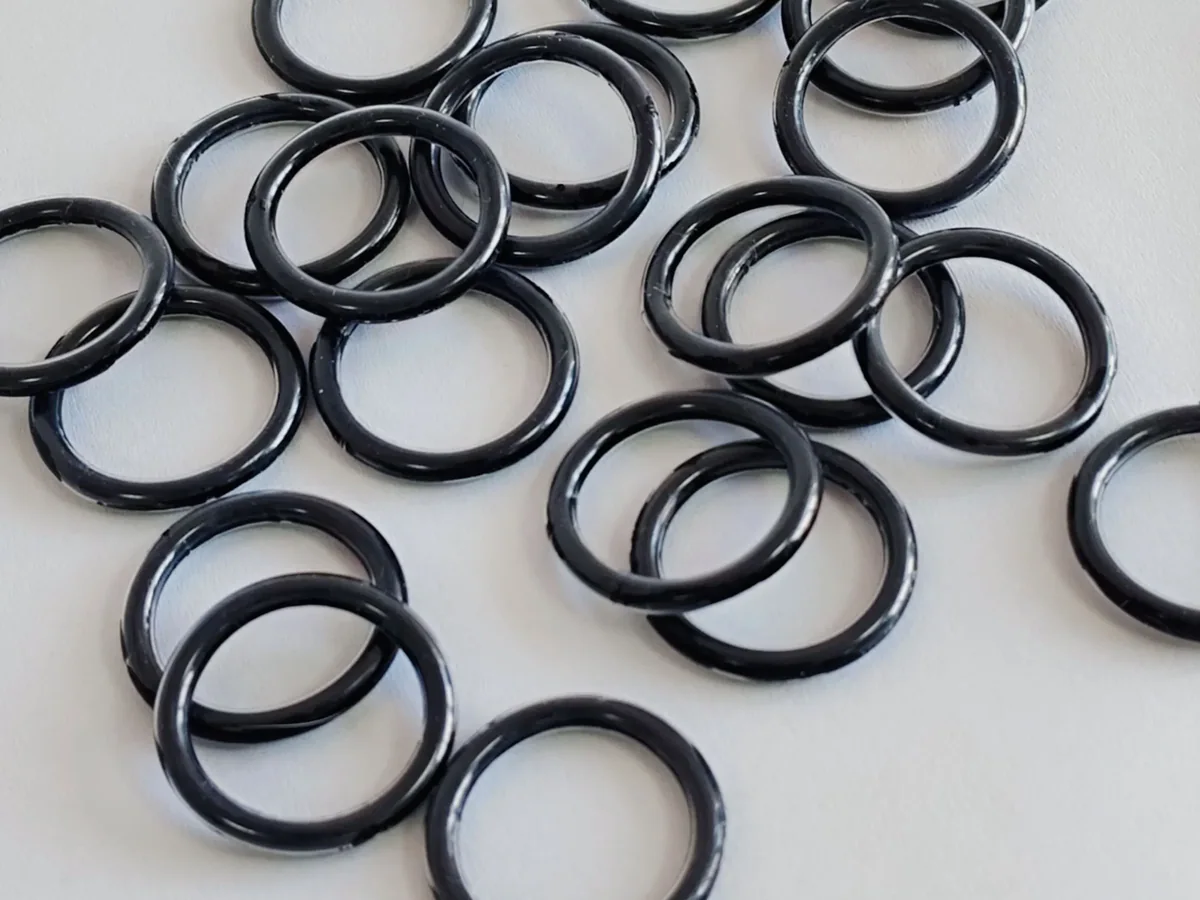
The industry name does not define the seal specification. Each application still requires its own core, finished dimensions, documentation, and test plan.
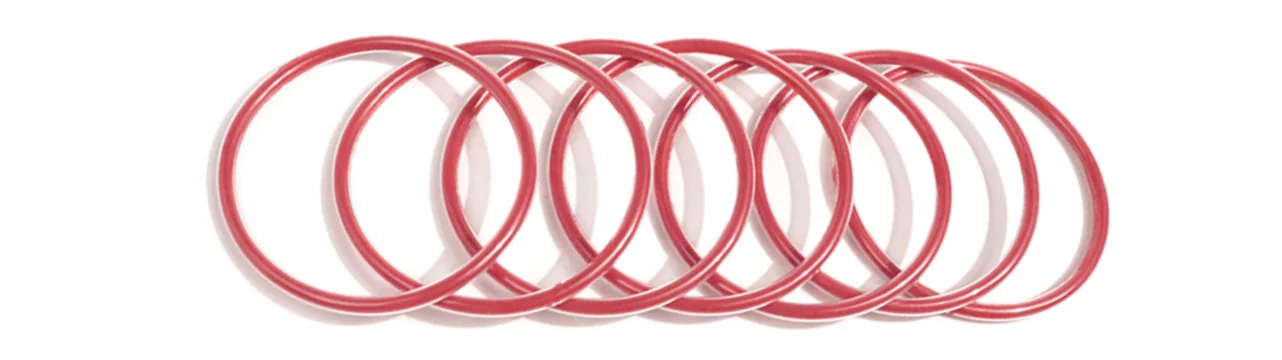
Reactor vessels, access covers, process connections, and secondary seals.
Static joints, housings, covers, and connections exposed to process fluids.
Cartridge housings, filter covers, heat exchangers, and service access points.
Non-abrasive static interfaces where a resilient fluoropolymer-contact seal is needed.
Equipment requiring exact material grades and application-specific compliance documents.
Specialty gas, semiconductor, and controlled-fluid systems after purity and permeation review.
The inspection plan should cover finished dimensions, the specified FEP or PFA jacket condition, material identity, and records matched to the purchase specification. Visual inspection alone does not establish chemical compatibility, pressure capability, leakage performance, or service life; critical performance requires a separately defined test method and acceptance criterion.
Inside diameter, finished cross-section, specified outside diameter, tolerances, roundness, profile, and reference-groove fit when required.
Continuity, cracks, splits, pinholes, exposed core, wrinkles, creases, deformation, contamination, joint condition, and handling damage.
FEP or PFA jacket and silicone core identification, core construction, traceability, specified certificates, inspection reports, regulatory documents, and packaging records.
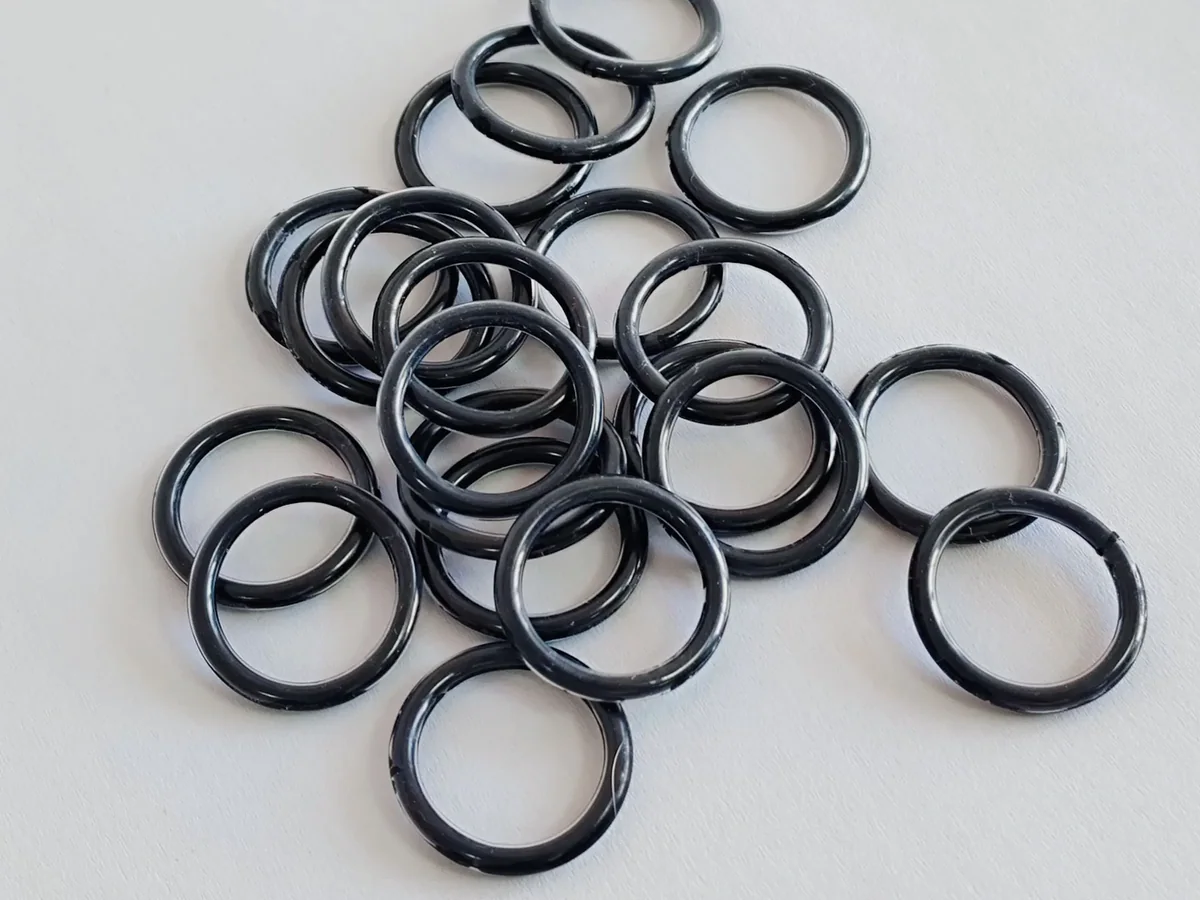
Both jackets provide broad chemical resistance. The choice starts with temperature, exact media, groove, and required documentation. Resin temperatures are material references; the finished seal's continuous-use limit depends on the silicone core, media, pressure, and compression. Both constructions primarily serve static sealing; slow movement requires a wear and installation review.
| Selection factor | FEP jacket | PFA jacket |
|---|---|---|
| Jacket material temperature reference | About 200°C for continuous use of FEP resin | About 260°C for continuous use of PFA resin |
| Chemical exposure | Broad resistance; confirm the exact media, concentration, and temperature | Broad resistance; confirm the exact media, concentration, and temperature |
| Compression and movement | Core design, jacket thickness, groove, and load determine sealing response | Core design, jacket thickness, groove, and load determine sealing response |
| Typical starting point | Static pump, valve, and chemical equipment seals within the FEP temperature range | Higher-temperature process equipment; high-purity duties need separate cleanliness and documentation review |
Send the media, temperature, pressure, groove, finished dimensions, and expected volume. Fecision will review the jacket, core, and inspection requirements before quoting.