
Heat Resistance
Maintains sealing performance at temperatures that can rapidly age many general-purpose elastomers.
Fecision manufactures custom FKM O-rings for sealing systems exposed to heat, oils, fuels, ozone, vacuum, and demanding chemical media.
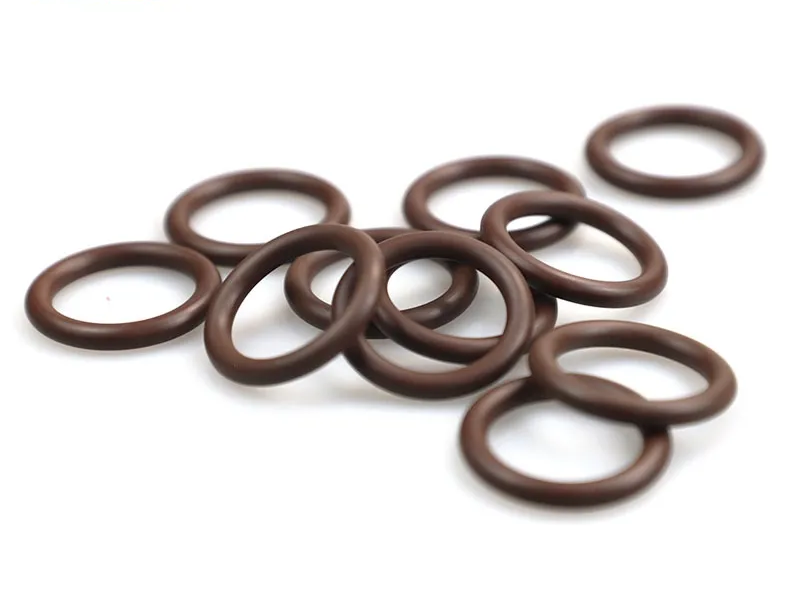
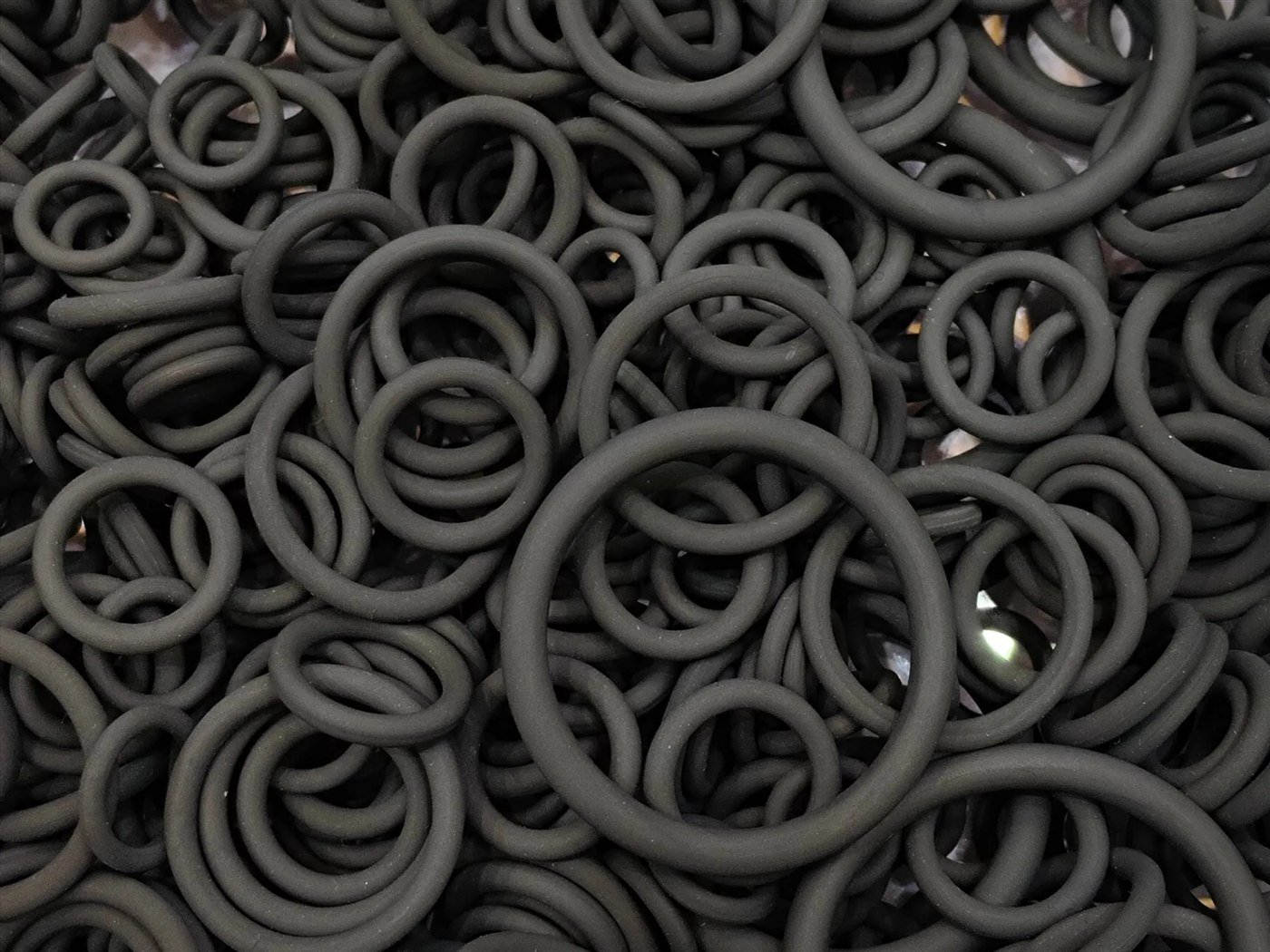
FKM is a family of fluorinated elastomers. The carbon-fluorine structure helps the material resist heat, oxidation, fuels, oils, ozone, and many chemicals that can swell or harden general-purpose rubber.
An FKM O-ring seals by maintaining controlled compression inside a gland. Reliable performance depends on more than the material name: the polymer type, fluorine content, cure system, hardness, fillers, and post-cure all influence fluid resistance, low-temperature flexibility, compression set, and service life.
Standard FKM compounds commonly cover approximately -20°C to 200°C. Grades for lower temperatures or higher short-duration heat exposure are available, but the usable range must be confirmed for the selected compound, fluid, pressure, and duty cycle.
FKM is selected when a sealing system combines elevated temperature with hydrocarbons, aggressive fluids, outdoor exposure, or low gas permeability.
Maintains sealing performance at temperatures that can rapidly age many general-purpose elastomers.
Performs well with mineral oils, lubricants, petroleum fuels, diesel, and many hydrocarbon mixtures.
Suitable for many acids, aromatic fluids, solvents, and process chemicals after compatibility review.
Resists ozone, oxygen, UV-related outdoor aging, and hot air in long-term exposed assemblies.
Supports vacuum equipment, instruments, and gas-control systems where permeation must be limited.
Compatibility varies by compound and fluid concentration. The following groups are practical screening guidance before testing in the actual medium.
Two FKM O-rings with the same hardness can behave differently because polymer architecture and crosslinking control chemical resistance, compression set, and processing.
A common choice for standard FKM compounds. It provides strong heat resistance, oil and fuel resistance, and compression-set performance for many static and dynamic seals.
Often selected for improved resistance to acids, steam-tolerant specialty formulations, and lubricants containing certain amines or aggressive additives.
Material capability cannot compensate for an incorrect groove. These inputs define squeeze, gland fill, stretch, extrusion risk, friction, and expected service life.
| Design Factor | What to Confirm | Failure Risk if Incorrect |
|---|---|---|
| Fluid exposure | Exact chemical, concentration, contamination, cleaning fluid, and exposure duration | Swelling, shrinkage, hardening, softening, or loss of sealing force |
| Temperature | Continuous temperature, peaks, cold start, thermal cycling, and heat at the seal | Compression set at high heat or loss of elasticity at low temperature |
| Pressure | Working pressure, pressure spikes, clearance gap, and pressure direction | Extrusion, nibbling, leakage, or need for a backup ring |
| Motion | Static, reciprocating, rotary, oscillating, speed, stroke, and lubrication | Friction, abrasion, twisting, heat generation, or early wear |
| Gland geometry | Inside diameter, cross-section, groove depth, width, radius, finish, and tolerance | Insufficient squeeze, over-compression, overfill, rolling, or installation damage |
| Custom color | Target color, reference sample, visual contrast, assembly coding, and permitted pigments or additives | Color customization should improve part identification, inspection, and assembly control without compromising the required FKM performance. |
FKM O-rings are used where heat, oils, fuels, corrosive media, weathering, or gas control place greater demands on the seal.

Fuel systems, engine and transmission assemblies, valve stems, thermal systems, pumps, and oil-handling components.

Drilling tools, compressors, valves, pipeline connections, processing equipment, and pressure-control assemblies.

Pumps, reactors, mixers, vessels, mechanical seals, and pipe connections exposed to aggressive process media.
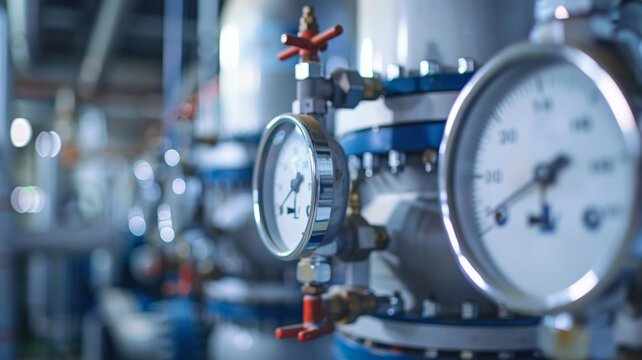
Vacuum systems, pressure instruments, flow meters, analyzers, precision pumps, and compact fluid paths.

Outdoor enclosures, connectors, cable interfaces, antenna systems, and equipment exposed to ozone and weather.

Fuel, lubrication, hydraulic, environmental-control, and electronic assemblies using approved aerospace compounds.
Material control, molding conditions, post-curing, and dimensional inspection are planned together because each step affects final sealing behavior.
Confirm the fluid, temperature, pressure, motion, groove, service life, and documentation requirements.
Select the FKM polymer family, cure system, hardness, color, and performance targets.
Develop the mold and control compression or injection molding within the compound's processing window.
Apply the specified secondary cure to stabilize properties and reduce residual volatiles where required.
Remove flash, clean the parts, and apply approved surface treatment or packaging requirements.
Verify dimensions, appearance, hardness, and agreed batch tests before lot release.
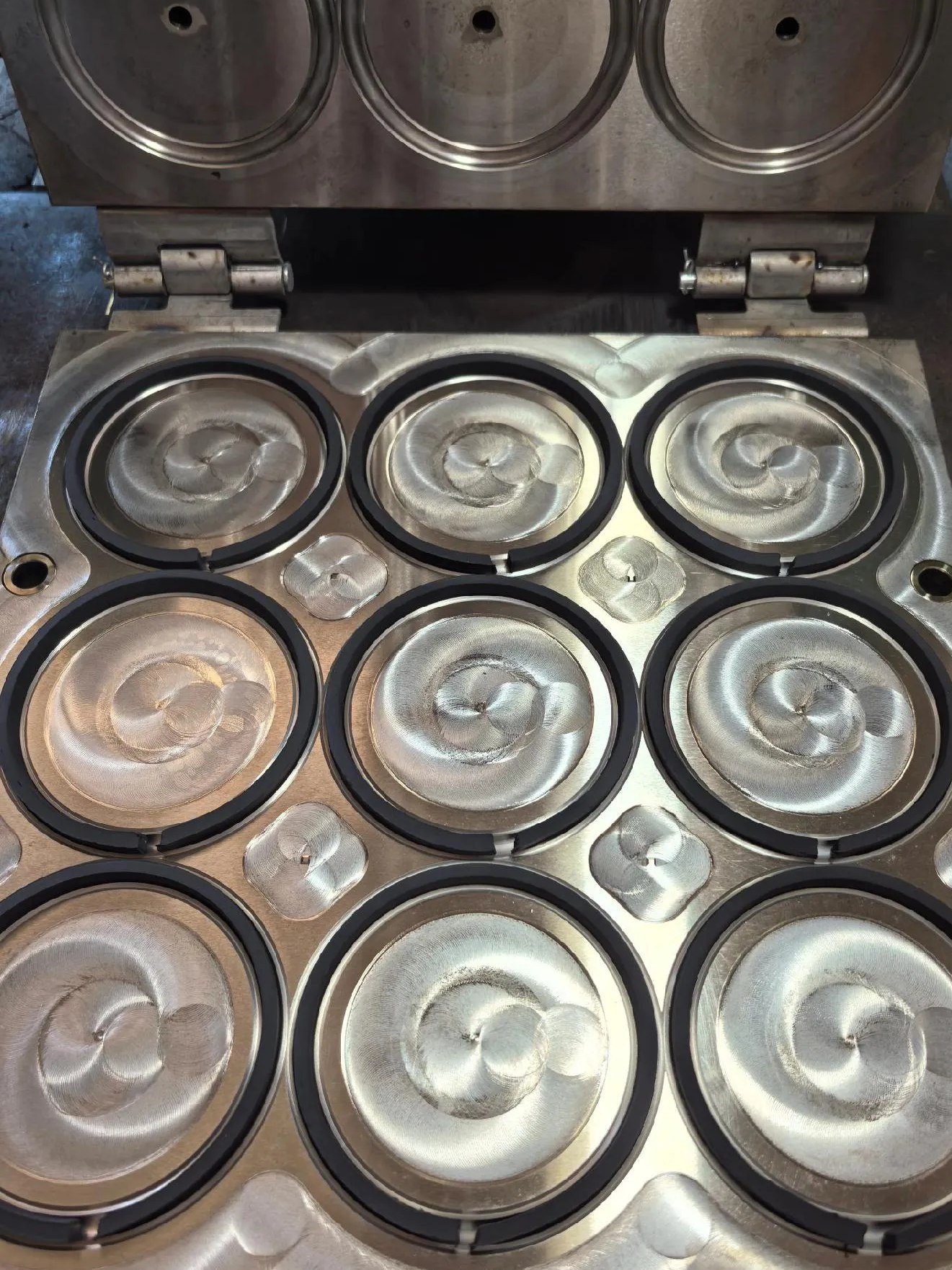
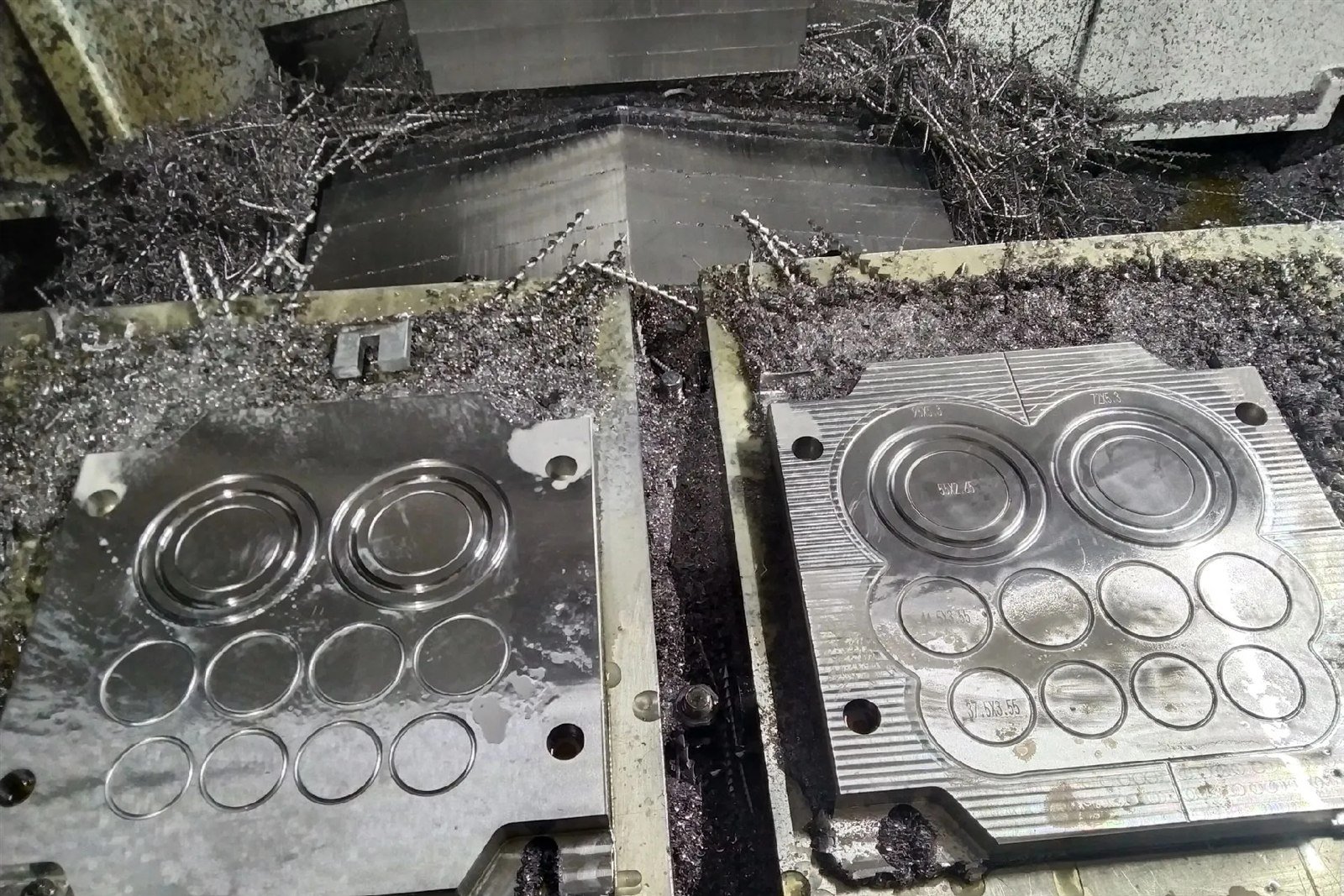
The control plan can be matched to the drawing, compound specification, application risk, and customer approval process.
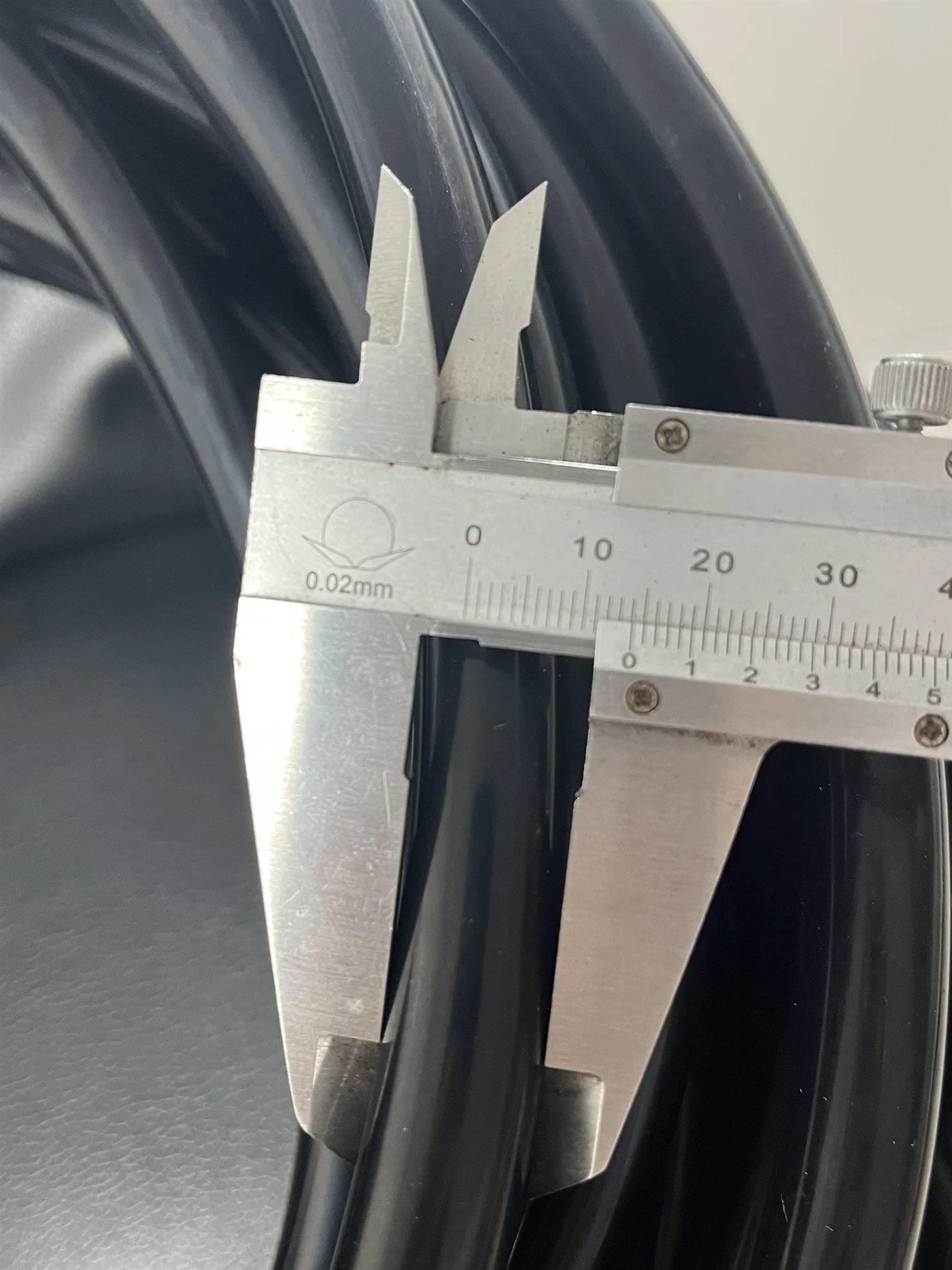
Send the O-ring dimensions or drawing, groove details, working fluid, continuous and peak temperature, pressure, motion, and annual volume for engineering review.