
Surface finish changes how a silicone part looks and feels, but its role extends beyond appearance. Texture can affect release from the mold or contact at a sealing surface. The specification should reflect those functions as well as how wear will be judged during inspection.
For molded silicone rubber parts, the finished part surface is mainly created by the mold cavity surface. A polished mold produces a glossier silicone rubber surface. A textured mold produces a matte, grained, or anti-slip surface. Because silicone rubber is soft and elastic, the same mold finish can look and feel different from the finish on a rigid plastic part, so the specification should be reviewed for the actual material and application.
Two surface finish systems are commonly used in injection molding communication:
- SPI mold finish, widely used in North America and many Asian supply chains.
- VDI 3400 surface texture, widely used in European tooling and global mold texturing communication.
Both systems are useful for silicone rubber. The key is to understand what each grade means, where it works well, and how to write a clear drawing callout.
Why Surface Finish Matters for Silicone Rubber
Silicone rubber has a low surface energy, high elasticity, and strong ability to copy fine mold details. These properties make surface finish important in several ways.
-
Appearance: Glossy, matte, frosted, pebbled, leather-like, and fine textured effects are all possible with mold surface control.
-
Touch and grip: A matte or textured surface can make a soft silicone button, grip, gasket, or wearable component feel less slippery.
-
Demolding: A highly polished surface may reduce mechanical drag, but silicone can still adhere to steel. Some textures can help hide drag marks, while deep textures may increase release difficulty if draft is insufficient.
-
Sealing: A sealing surface usually needs controlled smoothness. A texture that looks attractive on an exterior face may create leak paths if placed on a compression sealing land.
-
Cleaning: Food-contact and medical silicone rubber parts often benefit from smoother, easier-to-clean surfaces. Heavy texture can trap residue or make visual inspection harder.
-
Wear visibility: Matte and fine textures can hide scratches, fingerprints, and handling marks better than a glossy surface.
-
Optical performance: Transparent or optical silicone usually needs a polished mold surface. Texture can scatter light, which may be helpful for diffusers but harmful for lenses or clear windows.
Surface finish should therefore be specified by function area, not only by the whole part. A single silicone rubber component may need a polished sealing surface, a matte exterior surface, and a textured grip area.
SPI Mold Finish
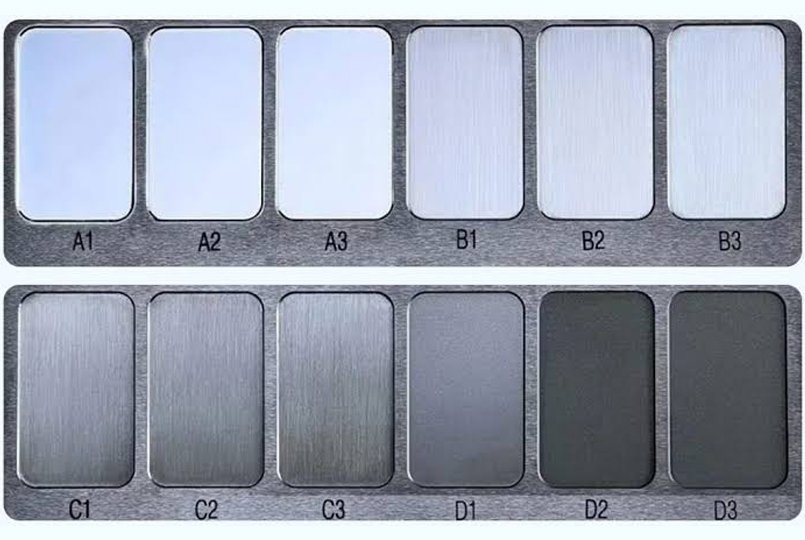
SPI mold finish is a standardized way to describe mold surface finish by category and finishing method. It is often used on injection molding drawings and RFQs. The SPI system is grouped into four main categories, they are SPI A,B,C,D. For silicone rubber, SPI A and B finishes are used when the part needs a smooth or polished look. SPI C and D finishes are used when the part needs lower gloss, better grip, or better ability to hide small surface defects.
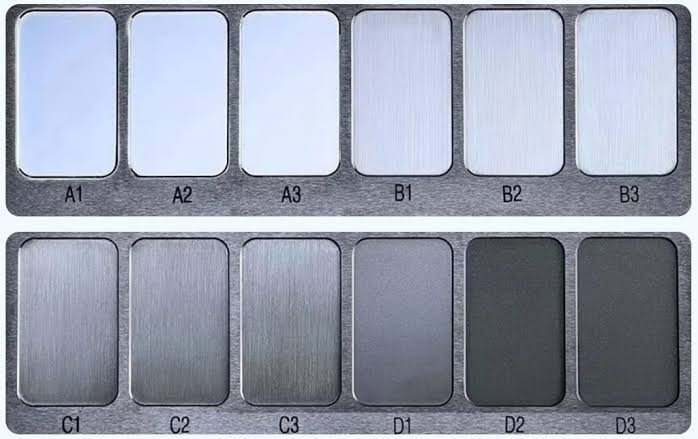
The following values are typical industry reference ranges. They should be treated as guidance rather than universal guarantees because actual appearance depends on mold steel, polishing method, silicone grade, color, hardness, and inspection lighting.
| SPI Grade | Method | Ra (μm) | Surface Result |
|---|---|---|---|
| A-1 | Fine diamond buff | 0.012 to 0.025 | Highest gloss |
| A-2 | Diamond buff | 0.025 to 0.050 | High gloss |
| A-3 | Diamond buff | 0.050 to 0.100 | Fine gloss |
| B-1 | 600 grit paper | 0.05 to 0.10 | Fine semi-gloss |
| B-2 | 400 grit paper | 0.10 to 0.15 | Medium semi-gloss |
| B-3 | 320 grit paper | 0.28 to 0.32 | Low semi-gloss |
| C-1 | 600 grit stone | 0.35 to 0.40 | Fine matte |
| C-2 | 400 grit stone | 0.45 to 0.55 | Medium matte |
| C-3 | 320 grit stone | 0.63 to 0.70 | Coarse matte |
| D-1 | Glass bead blast | 0.80 to 1.00 | Light satin texture |
| D-2 | Fine oxide blast | 1.00 to 2.80 | Medium dull texture |
| D-3 | Coarse oxide blast | 3.20 to 18.0 | Rough texture |
SPI A: Glossy and High Polish
SPI A finishes are made by diamond buffing. They are used when the part needs high gloss, transparency, or a premium smooth appearance. SPI A requires more polishing time and stricter mold handling. It also shows fingerprints, scratches, dust, and flow-related defects more easily than matte finishes. On colored silicone, a very glossy surface may make small contamination or knit defects more visible.
SPI B: Semi-Gloss
SPI B finishes are produced by paper polishing and create a smooth, controlled surface without the full cost of mirror polish. They are a common choice for molded silicone rubber covers, plugs, caps, gaskets, and housings where the part should look clean but does not need optical clarity.
SPI B is often a practical default when the design needs a smoother surface for cleaning or assembly but does not justify SPI A.
SPI C: Matte
SPI C finishes are produced by stone polishing. They create a low-gloss matte surface that is useful for functional silicone rubber components. For silicone rubber, SPI C is often easier to live with than a high-gloss surface because it gives a more uniform visual result across production batches.
SPI D: Textured
SPI D finishes are produced by blasting. They create satin, dull, or rough textures depending on the abrasive and process.
SPI D can improve grip and reduce visible scratches. It is commonly used for tool handles, outdoor products, rugged device covers, wearable straps, and industrial silicone rubber parts.
However, deeper texture can make demolding harder. It can also make surfaces harder to clean. If the textured area has vertical walls, provide enough draft so the silicone can release without tearing or dragging. For critical sealing surfaces, avoid SPI D unless the seal design has been validated with the actual texture.
VDI 3400 Surface Finish
VDI 3400 describes mold texture with numbered roughness grades. Lower numbers indicate smoother surfaces; higher numbers indicate rougher ones. It is useful when a drawing needs a reproducible matte or textured finish, such as on a housing or grip.
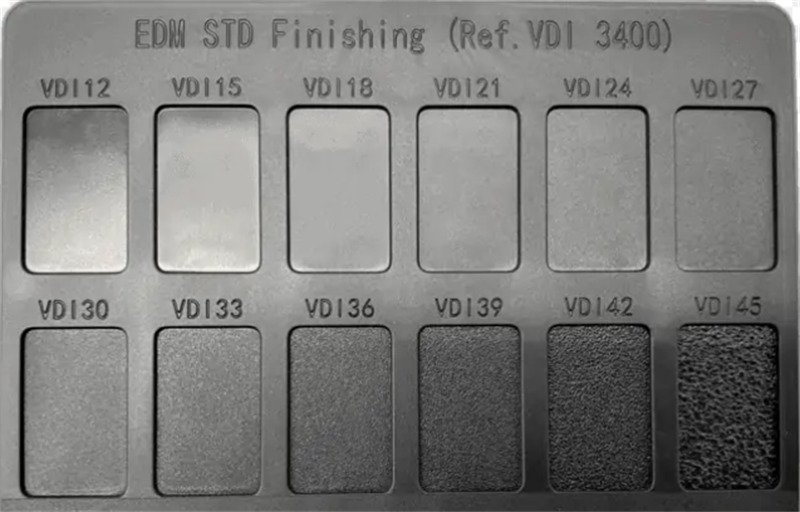
In practical communication, VDI is often reviewed with a physical texture plaque. This is important because two surfaces with the same roughness value can still look different if the texture pattern, direction, or process is different.
The table below shows common VDI 3400 reference values. Use them as an engineering guide, then confirm the final appearance with the molder, toolmaker, or a sample plaque.
| VDI Grade | Ra (μm) | Appearance |
|---|---|---|
| VDI 12 | 0.40 | Very fine matte |
| VDI 15 | 0.56 | Fine matte |
| VDI 18 | 0.80 | Light texture |
| VDI 21 | 1.12 | Fine technical texture |
| VDI 24 | 1.60 | Standard matte texture |
| VDI 27 | 2.24 | Medium matte texture |
| VDI 30 | 3.15 | Coarser texture |
| VDI 33 | 4.50 | Orange-peel texture |
| VDI 36 | 6.30 | Heavy texture |
| VDI 39 | 9.00 | Rough industrial texture |
| VDI 42 | 12.5 | Very rough texture |
| VDI 45 | 18.0 | Heavy rough texture |
Some workshops use descriptions such as “VDI 0” or “mirror VDI” for polished surfaces, but polished finishes are often better specified by SPI A/B or by a direct roughness and appearance requirement. For textured surfaces, VDI 12 to VDI 45 gives clearer communication.
Examples of VDI Texture Descriptions:
VDI 12: Fine dotted or very light matte texture. Suitable for subtle matte silicone surfaces where a soft-touch feel is desired without strong roughness.
VDI 24: Standard matte surface. Suitable for many silicone covers, caps, and device surfaces where glare should be reduced.
VDI 30: Coarse dotted texture. Useful for hiding small defects, scuffs, and handling marks on darker silicone rubber parts.
VDI 33: Orange-peel-like texture. Often used when the surface should look intentionally textured and reduce visible scratches.
VDI 34 or nearby grades: Leather-like or grain-like textures may be specified by texture plaque or custom etching pattern, especially for grip surfaces.
For silicone rubber, the exact visual result depends heavily on hardness and color. A black Shore A 60 silicone rubber part can show a texture more sharply than a translucent Shore A 30 silicone rubber part.
How to Specify Surface Finish on a Drawing
A clear drawing callout should include the finish standard, the area of the part, and any inspection requirement.
Good examples:
- “Exterior visible surfaces: VDI 24 matte texture.”
- “Sealing surface A: SPI B-1, no texture, no visible flash.”
- “Grip area only: VDI 30 texture; minimum draft to be confirmed by toolmaker.”
- “Transparent window: SPI A-2 polish; no visible flow mark, scratch, or contamination under agreed inspection lighting.”
- “Food-contact surface: smooth finish, Ra 0.4 μm max, no intentional texture.”
Avoid vague callouts such as:
- “Nice texture.”
- “Matte finish.”
- “Same as sample” without a controlled sample or texture plaque.
- “Polished” without specifying grade or inspection criteria.
If appearance is important, approve a physical sample plaque or first-article sample before mass production. Digital renderings do not reliably predict how silicone rubber color, hardness, gloss, and texture will look in real lighting.
Conclusion
SPI and VDI provide a shared language for finish, but a grade alone does not define the result on silicone. Review a sample in the intended compound and color. Check that the texture allows clean mold release and does not interfere with sealing or cleaning.
Use SPI when the main question is polish level or gloss. Use VDI when the main question is controlled matte texture or roughness. For functional silicone rubber parts, specify finish by surface area rather than applying one finish to the entire part. That is the simplest way to get the appearance you want without compromising sealing, cleaning, demolding, or manufacturing cost.
 LSR Injection Molding
 Silicone Rubber Overmolding
 Compression Molding
 Silicone Rubber Extrusion
 In-house Tooling