
Background
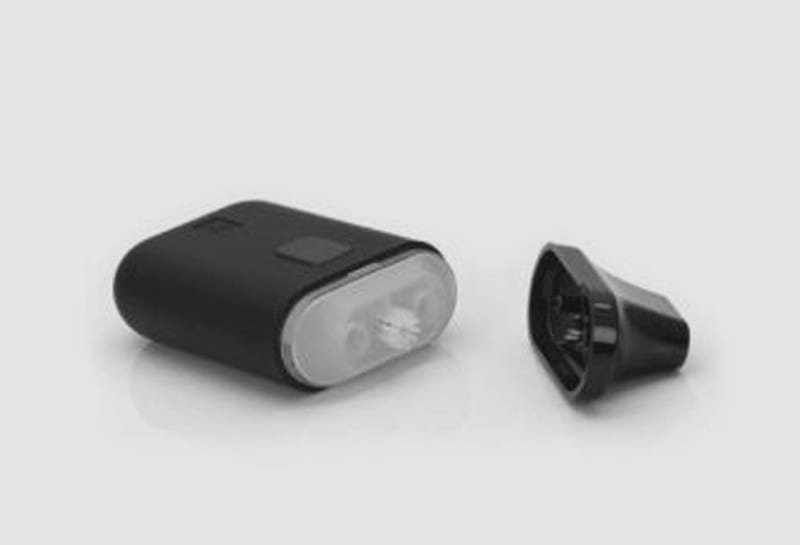
The client is one of the world’s top three electronic vaporization device makers. They run several brands across closed pods, open tanks, and component lines. Leakage has been their number-one user complaint for years.
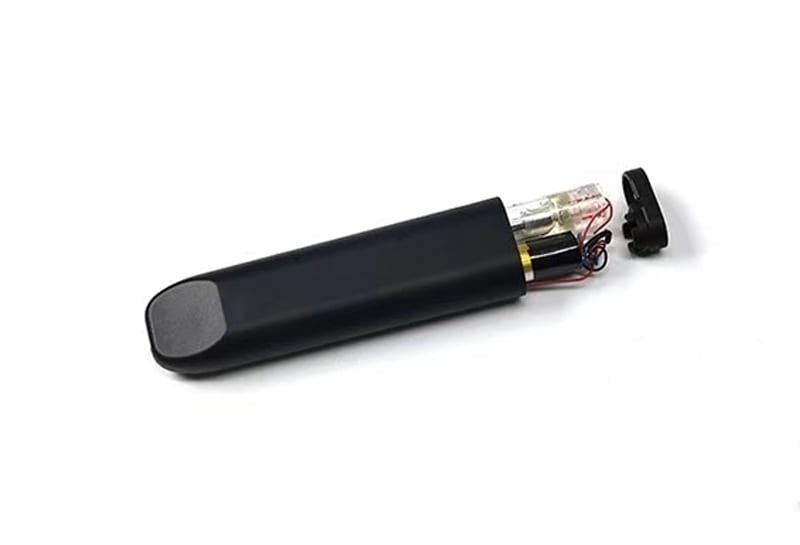
In large-format devices, the atomizer base sits between the heating coil and the battery rod. One side sees vapor at up to 300°C. The other side has to seal against the battery housing. When that seal fails, e-liquid seeps onto the user’s hands, into the battery compartment, or into a pocket. It is the kind of problem that turns a loyal customer into a one-time buyer.
The part is small, but the tolerance stack is tight. It needs to survive repeated contact with a 300°C coil, seal fully around the atomizer face, and grip the battery rod opening without distorting during automated assembly.
Challenge
Leakage in vape hardware rarely comes from a single obvious gap. It builds up through small paths: a micro-gap where a plastic wall meets a rubber gasket, thermal shrinkage after a few hundred heating cycles, or a thin wall that warped during demolding and no longer sits flush.
The atomizer base lives in a thermal gradient. The coil side runs hot; the battery side stays cool. A material that seals well at room temperature can harden and crack after repeated heat exposure. Conventional gaskets or O-rings leave seams at every interface—exactly where liquid finds its way through.
We looked at the full assembly rather than treating the base as a standalone part. The seal had to work at three boundaries: the atomizer face, the battery-rod interface, and the outer housing wall. Any one of those could become a leak channel.
What We Did
We started with a high-grade liquid silicone rubber rated for 300°C continuous contact. LSR keeps its elasticity across that temperature range and bonds directly to the plastic substrate during overmolding, which removes the seams that gaskets always leave behind.
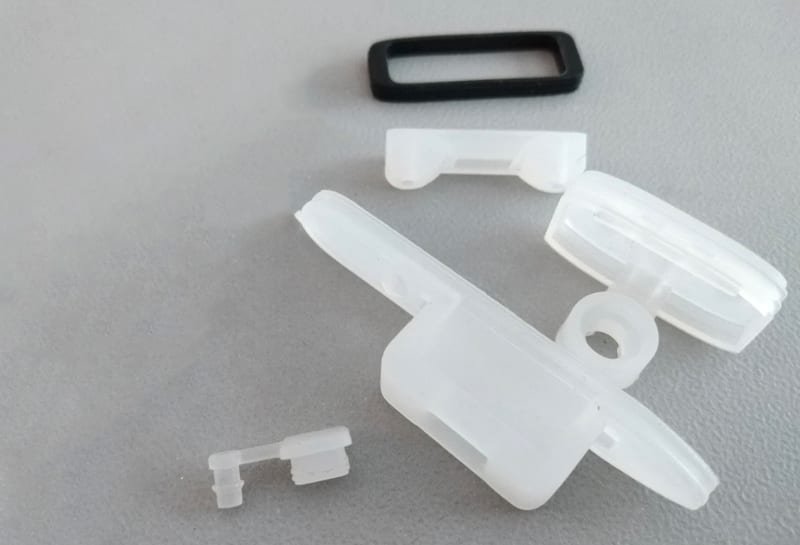
On the atomizer face, we overmolded LSR across the entire surface facing the coil and e-liquid chamber. The silicone wraps every edge and corner of the base, forming one continuous seal. No gasket groove to machine, no secondary assembly step, and no gap where two different parts meet.
The battery-rod side was trickier. A full overmold there would add too much thickness and interfere with the snap-fit geometry. We ended up with a semi-overmolded LSR layer along the structural edges—just enough to create a flexible, compliant grip that absorbs tolerance variation in the battery housing while still sealing the opening tightly.
The sealing lips on the atomizer face are thin and delicate. We spent time on gate placement, cavity venting, and curing profile to get the LSR to fill those thin sections completely without trapping air or creating knit lines. Mold surface finish was also critical—any tool mark or rough patch on the sealing face would show up as a leak path under pressure.
Result
Once the change went into production, the results were straightforward.
Leakage complaints dropped significantly. The full-surface seal removed the micro-gaps that had been the main source of seepage. Water resistance improved too—the same continuous seal that keeps e-liquid in also keeps moisture out, which matters for battery safety. And because the silicone holds up at 300°C without degrading, the component life extended well beyond what the previous plastic-and-gasket setup could manage.
The same approach turned out to scale beyond the atomizer base. The LSR overmolding strategy works for outer housings, general sealing gaskets, and other silicone parts across the device family. Once we had the tooling standards and process window locked in, transferring the solution to adjacent components was relatively quick.