
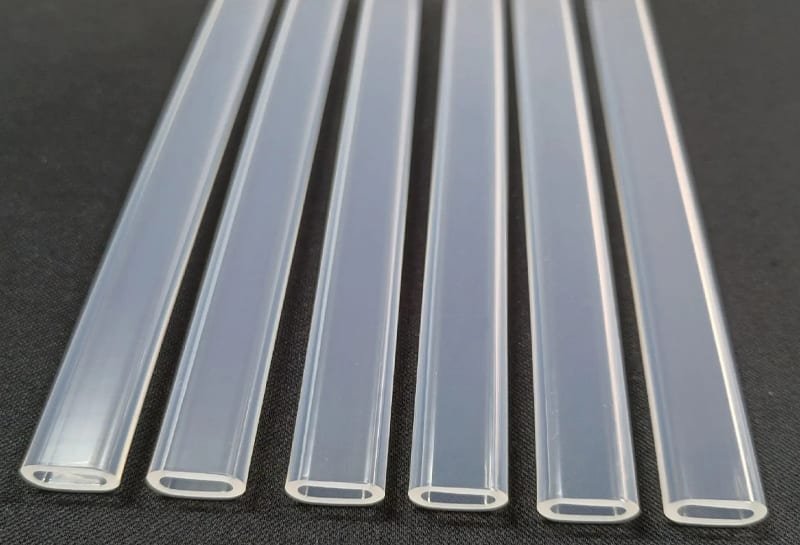
Medical-grade silicone is silicone rubber selected and processed for medical applications where biocompatibility, cleanliness, material consistency, and traceability are required.
Silicone is used in medical equipment wherever a flexible interface is needed, from respiratory seals to fluid tubing. Some grades are also used in implantable devices. The application alone, however, does not establish that a silicone material is medical grade.
The term is often used loosely in the market. A supplier may describe a material as medical-grade silicone even when there is little documentation behind the claim. For engineers, the important question is not simply whether a supplier uses medical-grade material. It is whether the material, finished part, manufacturing process, and supporting documentation meet the requirements of the intended medical application.
What Makes Silicone Medical Grade?
There is no single certificate that turns ordinary silicone into medical-grade silicone.
In practice, medical silicone should be evaluated from several connected areas:
- Biocompatibility
- Regulatory requirements
- Raw material qualification
- Manufacturing environment
- Testing and traceability
Raw material selection is only the starting point. Molding, curing, cleaning, handling, and packaging can all affect the condition of the finished silicone rubber component.
This is especially important for parts that contact skin, tissue, blood, drugs, or other sensitive environments.
ISO 10993 and Biocompatibility
Biocompatibility is one of the main requirements for medical-grade silicone.
The ISO 10993 series provides a framework for evaluating the biological safety of materials and medical devices.
Depending on the type and duration of body contact, testing may include:
- Cytotoxicity
- Sensitization
- Irritation
- Systemic toxicity
Products intended for long-term contact or implantation may require additional evaluations. The source material, for example, identifies ISO 10993-6 for implantation testing, ISO 10993-11 for systemic toxicity, and ISO 10993-13 for polymer degradation.
Raw Material Approval
This distinction matters. A silicone compound may already have biocompatibility data from the material manufacturer. That data is useful when selecting a material, but it does not automatically qualify every molded part made from it.
Manufacturing can change what remains on or within a silicone part. Residues from curing or cleaning may be present, and handling can introduce contamination. Biological evaluation may therefore need to consider the component in its final manufactured condition rather than only the original compound.
For medical-device manufacturers, this means material certificates should be treated as supporting evidence rather than a substitute for finished-product validation.
Medical Silicone Regulatory Requirements
The regulatory route depends on where the final medical device will be sold.
United States
Medical devices sold in the United States are regulated by the FDA. Devices are classified from Class I to Class III, with regulatory requirements increasing according to device risk.

European Union
Medical devices placed on the EU market must meet applicable requirements under the Medical Device Regulation (EU) 2017/745, commonly known as MDR.
China
Medical devices sold in China are subject to registration and regulatory requirements administered by the National Medical Products Administration (NMPA).
The exact requirements depend on the device rather than the silicone material alone.
Begin with the intended patient contact and its duration. Then assess how sterilization and the target market’s requirements affect the material evidence needed.
Medical-grade Silicone Material Standards
Medical silicone suppliers may provide materials supported by different test reports and compliance documents. Common examples include:
USP Class VI
USP Class VI is widely recognized in pharmaceutical and medical-device applications. It provides biological-reactivity data that can support material selection.
ISO 10993
Some silicone grades are supplied with testing performed according to selected parts of the ISO 10993 series.
This can reduce material-selection risk, but the test scope should always be checked. A statement such as “ISO 10993 compliant” is less useful than knowing exactly which tests were performed.
RoHS and REACH
RoHS and REACH are not medical-device biocompatibility standards. However, they may still be relevant for controlling restricted substances in medical silicone rubber products.
These documents help qualify the raw material, but they do not replace control of the molding process.
Material grade, curing system, cleanliness, and post-processing can all influence the final part.
ISO Class 8 cleanroom production for Medical-grade Silicone
Medical silicone rubber components often require cleaner production conditions than standard industrial rubber parts.
ISO 14644 defines cleanroom classifications. Depending on the product and customer requirements, medical silicone rubber components may be produced in an ISO Class 8 cleanroom, also commonly described as a Class 100,000 cleanroom.
The reason is practical. Silicone surfaces can collect particles and contamination during molding, demolding, inspection, handling, and packaging. Dust or microorganisms that would have little effect on an ordinary industrial seal can become a problem in a medical application.
A controlled manufacturing environment helps reduce this risk. When evaluating a medical silicone supplier, buyers should therefore look beyond the molding equipment itself. The cleanliness of the production and handling environment is also part of the qualification process.
Medical Silicone Traceability and Documentation
A medical-grade claim should be supported by records. Depending on the project, a medical silicone manufacturer may need to provide:
- Raw material COA
- Material lot information
- Biocompatibility reports from the silicone supplier
- Finished-part ISO 10993 reports when required
- Production batch records
- Inspection results
- Cleanroom environmental monitoring records
Traceability becomes especially important when a quality issue occurs. If a problem is found in one production lot, the manufacturer should be able to trace the material batch, manufacturing records, inspection data, and other relevant process information.
This is why medical-grade silicone should not be viewed simply as a premium version of standard silicone.
The finished component depends on material selection, manufacturing control, production environment, testing, and traceability working together.
Properties of Medical-grade Silicone
Silicone is well suited to many medical applications because several useful properties exist in the same material.
Biocompatibility
Biocompatibility is usually the first concern for silicone that contacts the human body.
Depending on its intended use, the material may be evaluated for cytotoxicity, sensitization, irritation, systemic toxicity, implantation, and other biological effects.
This makes properly qualified silicone useful for parts that contact skin, tissue, or other biological environments.
Chemical Stability
Medical silicone is chemically stable and is not easily degraded by body fluids or blood.
It also does not normally participate in human metabolic processes.
This stability is useful for components that must maintain their structure and function during extended contact with biological environments.
Temperature Resistance
Silicone can operate across a wide temperature range.
The source material gives a typical range of approximately -50°C to 250°C and notes that this temperature resistance can make silicone suitable for applications involving high-temperature sterilization.
The actual temperature limit should still be checked against the specific silicone grade and sterilization process.
Common Medical-grade Silicone Applications
Medical-grade silicone can be molded, extruded, or combined with other components for a wide range of medical products.
Common applications include:
-
Medical tubing and catheter components. Silicone offers flexibility and chemical stability, making it useful for tubing and catheter-related components.
-
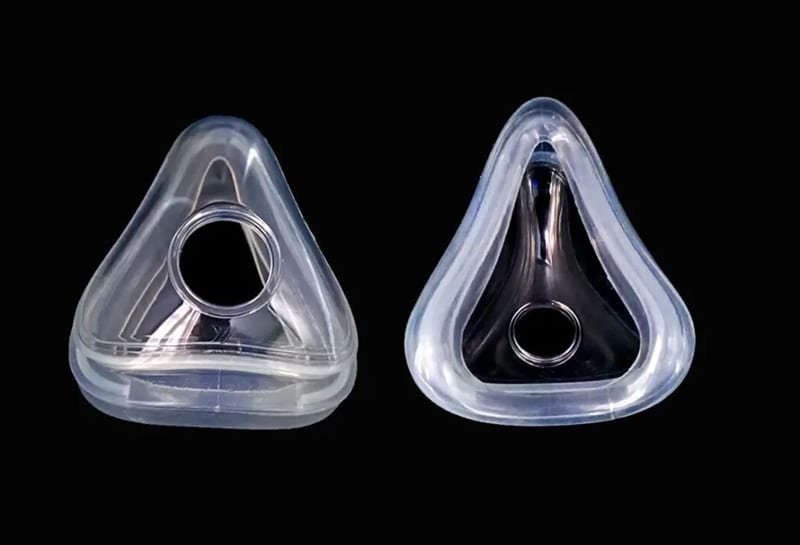
Respiratory masks. Soft silicone is commonly used around sealing and patient-contact areas where both comfort and sealing performance matter.
-
Medical sensor seals. Silicone can protect sensor interfaces and electronic components while remaining flexible around the patient-contact area.
-
Implantable medical components. Certain silicone grades may be used in implantable devices when the material and finished component meet the required biological and regulatory requirements.
-
Drug-delivery seals. Silicone seals are also used in drug-delivery systems where material compatibility, cleanliness, and process control are important.
Medical-grade and food-grade silicone are sometimes discussed as if they were simply different levels of the same material. In practice, they are defined by different applications and compliance requirements.
Some products may fall into both areas. Baby bottle nipples are a typical example. They come into contact with food while also having direct and repeated contact with the human body. Depending on the product and local regulations, such components may need to meet both food-contact and medical-related material requirements.

Conclusion
Medical-grade silicone is not defined by the silicone material alone.
Qualified raw material is the starting point. Manufacturing must preserve the properties needed for the application, and finished-part testing must confirm them. Traceable records connect those results to the component supplied.
For engineers and medical-device buyers, this is the key point. Instead of asking only whether a supplier offers medical-grade silicone, determine whether the supplier can support the material qualification, controlled manufacturing, biological evaluation, and traceability required for the actual medical device.
That is a much more reliable way to qualify medical-grade silicone rubber components.
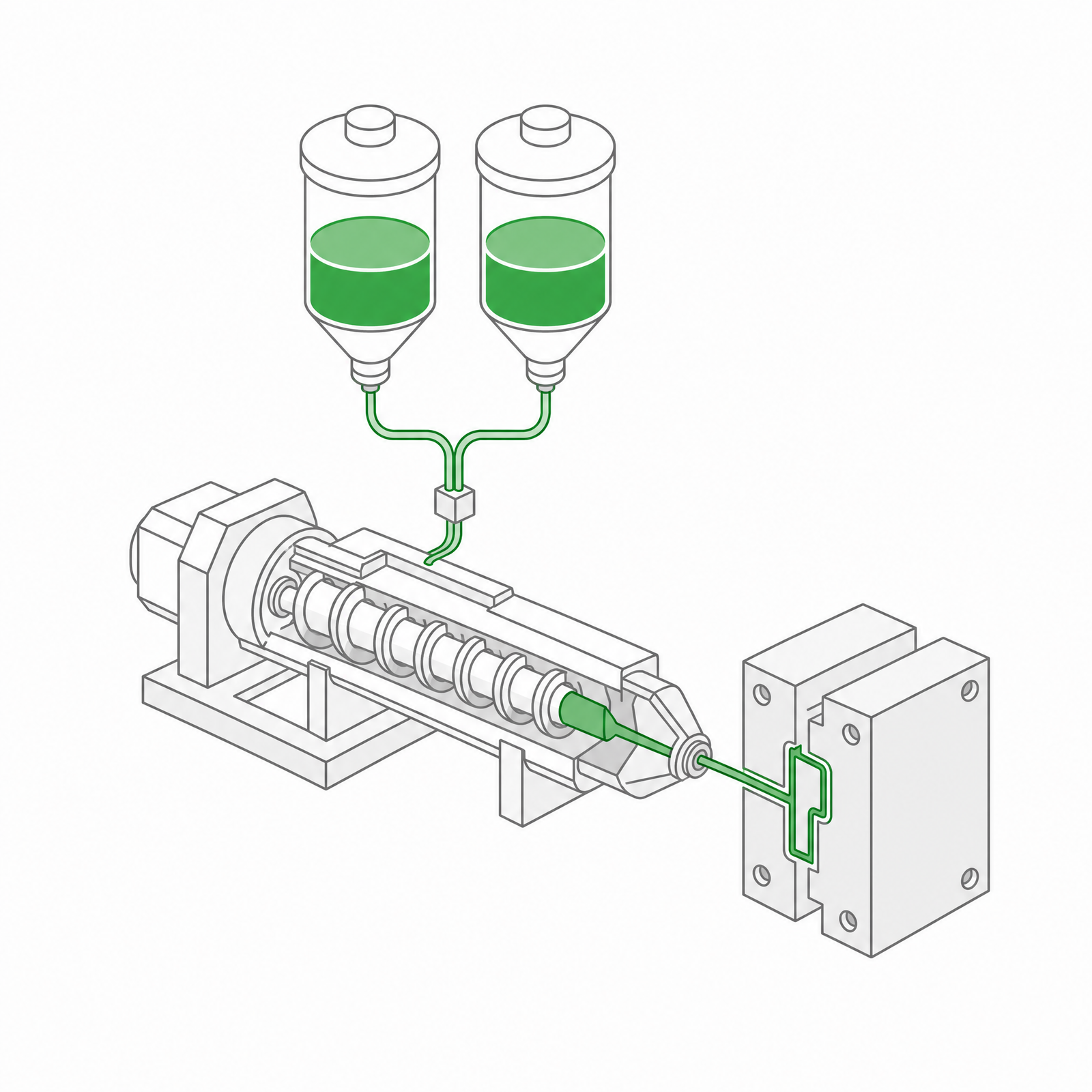 LSR Injection Molding
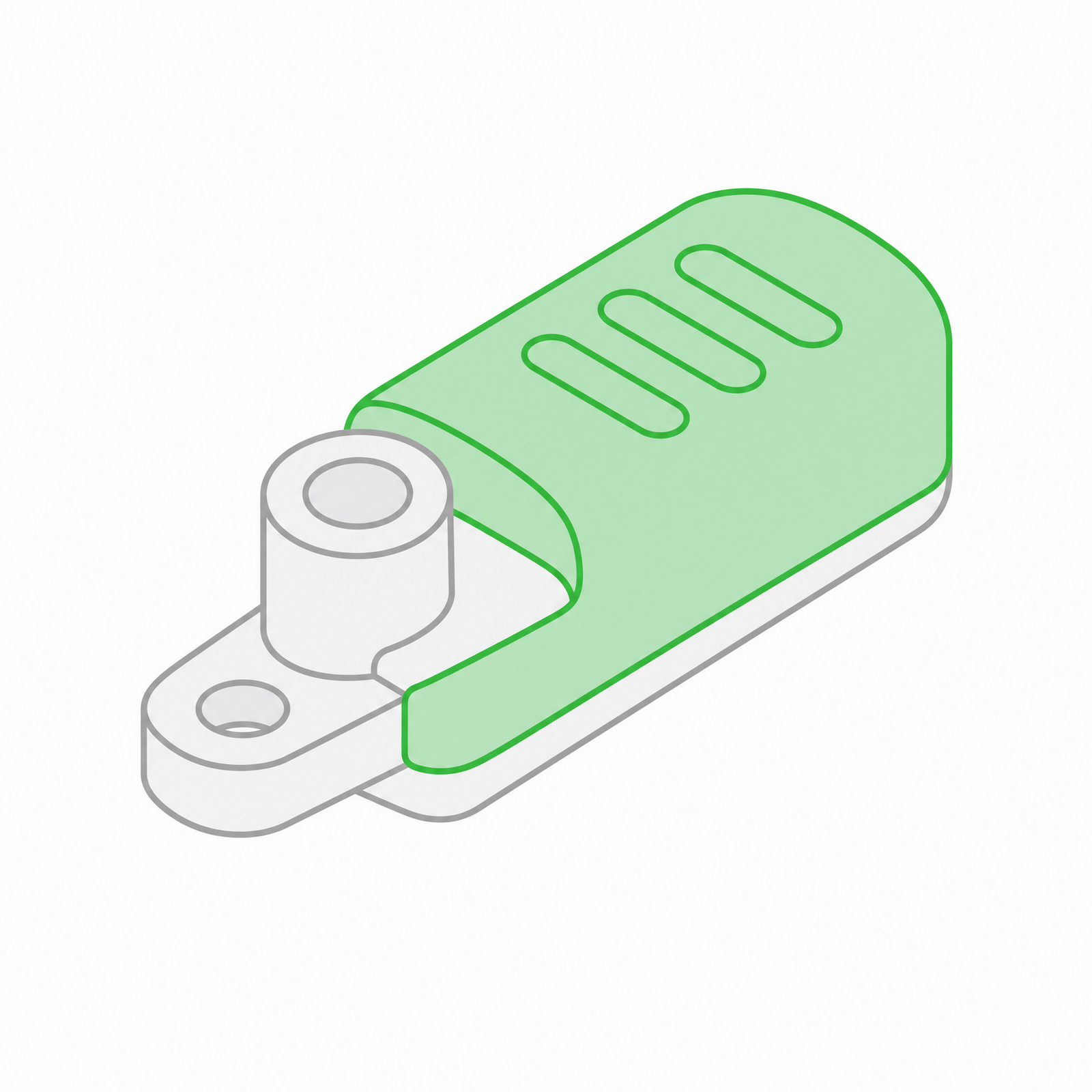 Silicone Rubber Overmolding
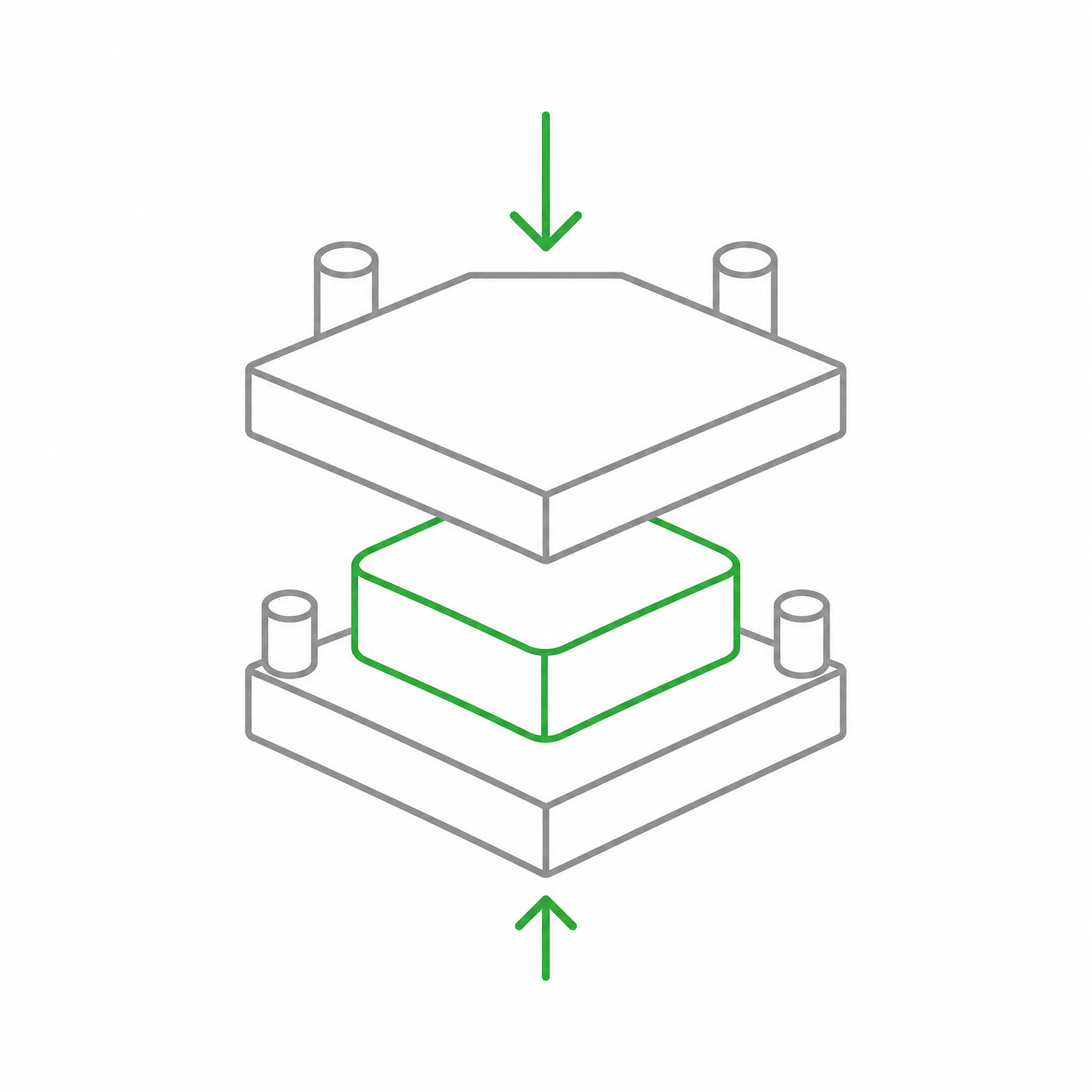 Compression Molding
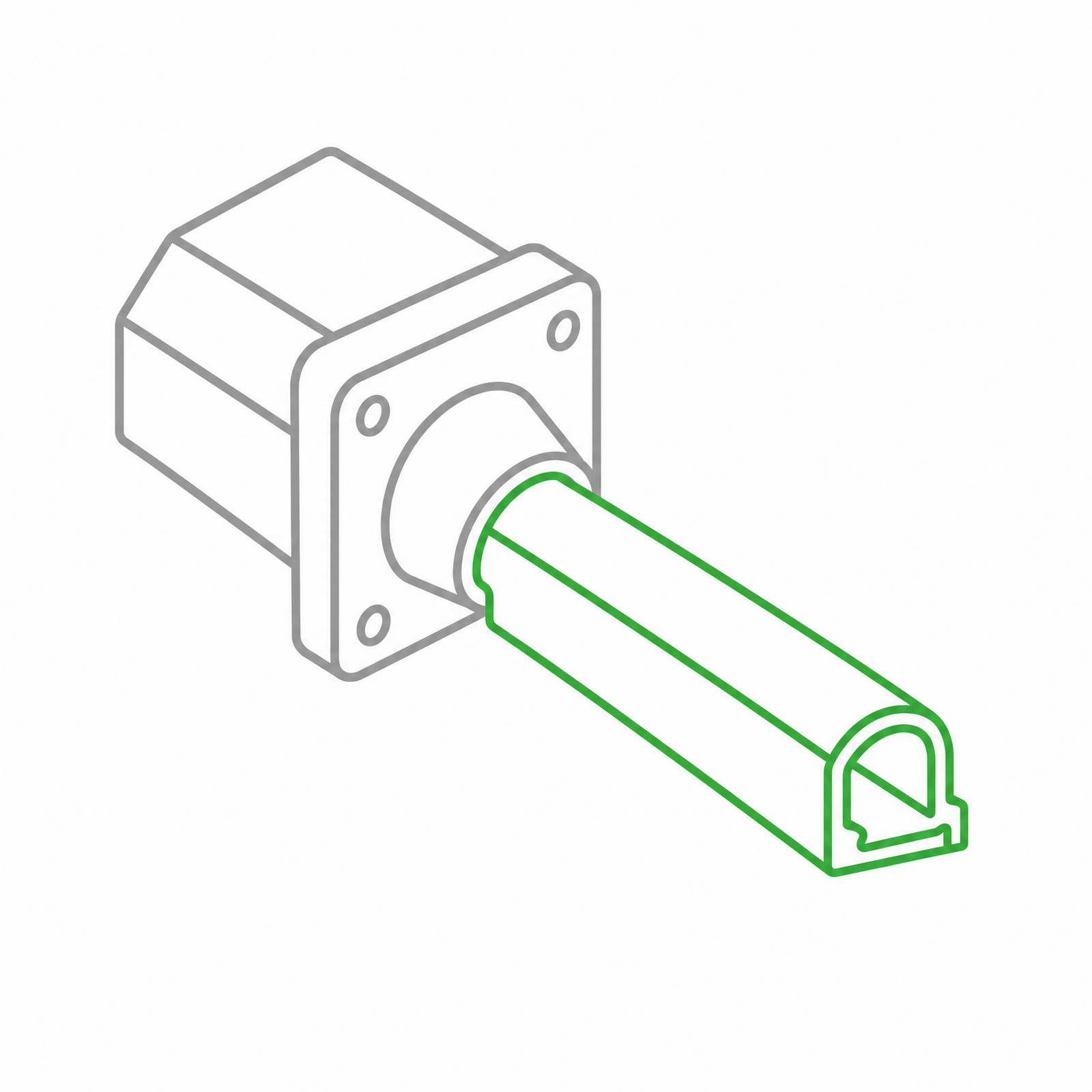 Silicone Rubber Extrusion
 In-house Tooling