
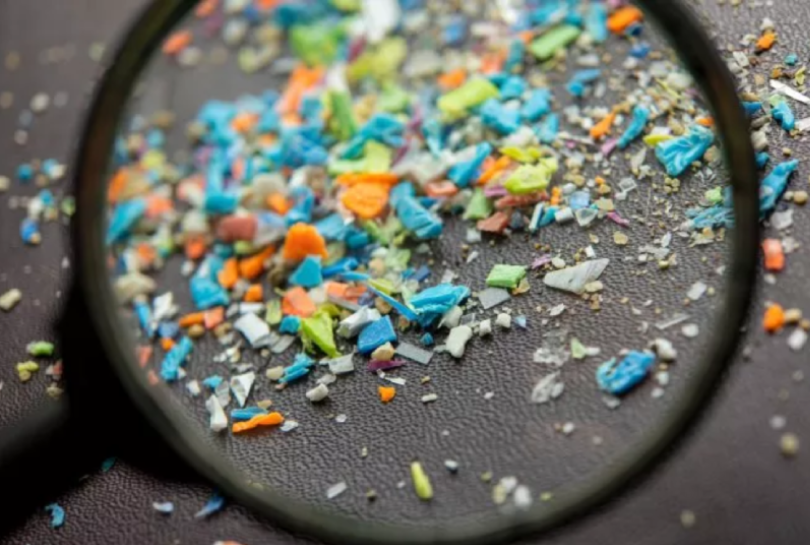
Silicone is widely used in baby bottle nipples and everyday products because of its flexibility, durability, and heat resistance. Many people assume that silicone cannot release microplastics because it is different from conventional plastics. But is that assumption correct?
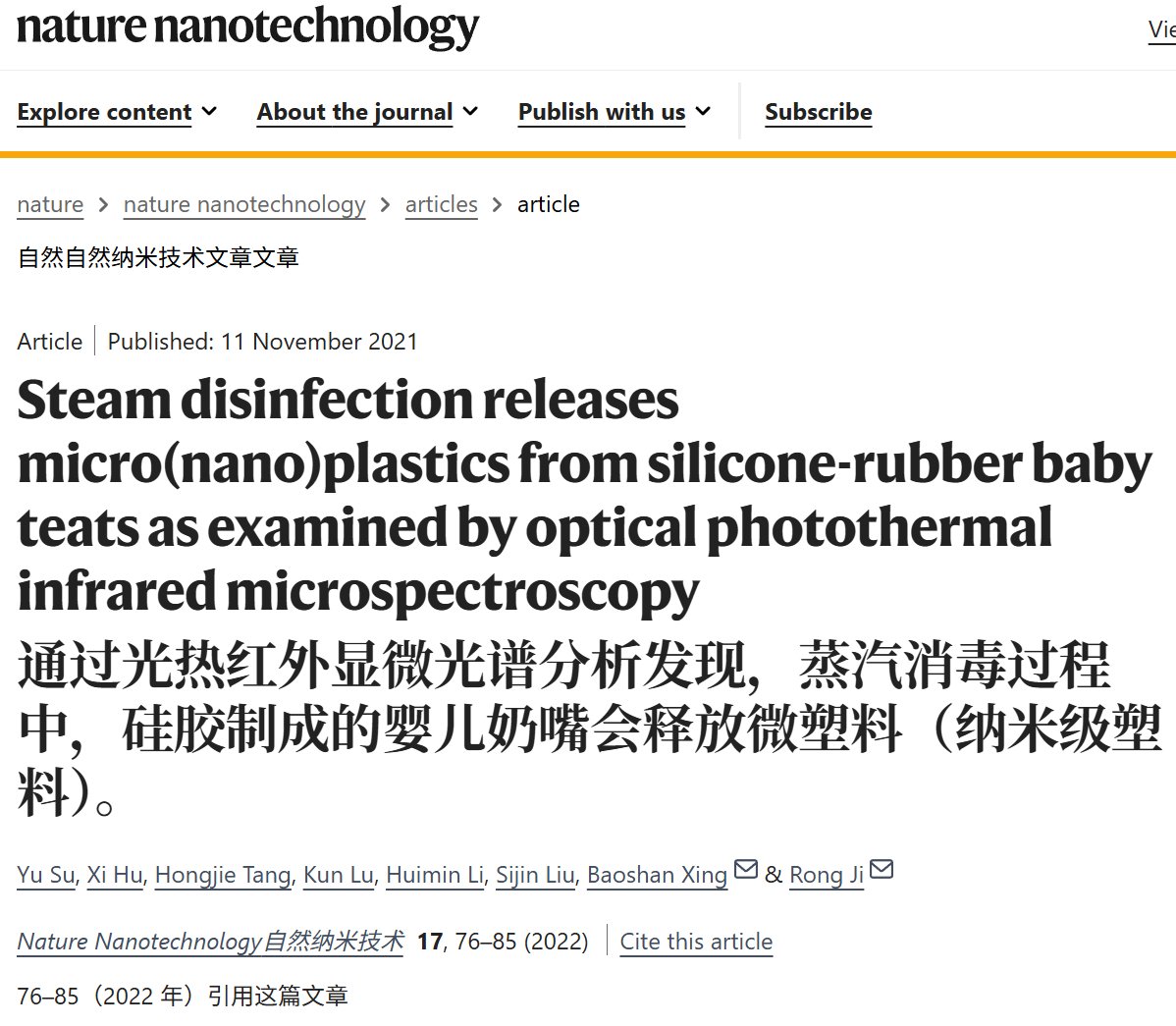
A study published in Nature Nanotechnology in 2022 found that silicone rubber baby bottle nipples could release microscopic polymer particles after repeated steam sterilization. The researchers further estimated that a bottle-fed infant could potentially ingest approximately 660,000 silicone-elastomer-derived microplastic particles during the first year of life.
This finding raises an important question: why can heat-resistant silicone release microplastics, even when exposed to steam at just 100°C?
What Are Microplastics?
Microplastics are generally defined as tiny solid polymer particles smaller than 5 millimeters. Some are manufactured at microscopic sizes, while others form when larger polymer products break down through wear, weathering, or degradation. The latter are known as secondary microplastics. Even smaller particles are called nanoplastics, although their precise size definition varies between studies.
Microplastics are commonly associated with conventional plastics such as polyethylene and polypropylene. Silicone rubber is chemically different, but it is also a synthetic polymer.
One of the most common base polymers in silicone rubber is polydimethylsiloxane (PDMS). Unlike conventional plastics with primarily carbon-based molecular backbones, PDMS consists of alternating silicon and oxygen atoms. During manufacturing, its polymer chains are crosslinked into a flexible three-dimensional network, giving silicone rubber its elasticity and ability to recover after deformation.
Commercial silicone formulations may also contain reinforcing fillers, pigments, and other ingredients. Their composition can affect heat resistance, moisture resistance, and long-term aging behavior.
Importantly, being a synthetic polymer does not mean that newly manufactured silicone necessarily contains loose microplastic particles. The more relevant question is whether silicone can generate particles during use. When its polymer network or other polymeric components undergo physical or chemical degradation, small fragments may separate from the surface.
This possibility was investigated by researchers from Nanjing University and collaborating institutions, who examined whether repeated steam sterilization could cause silicone baby nipples to release microscopic particles.
How Did Researchers Test Silicone for Microplastic?
The study was published online in 2021 and appeared in the 2022 volume of Nature Nanotechnology. It examined silicone baby bottle nipples from four commercial brands, with manufacturer-reported heat-resistance ratings ranging from approximately 110°C to 180°C.
The researchers simulated repeated steam sterilization by exposing the nipples to steam at approximately 100°C for 10 minutes per cycle, followed by washing with deionized water and air-drying. The procedure was repeated for up to 60 cycles, representing 600 minutes, or 10 hours, of cumulative steam exposure.
At different stages, the researchers examined the nipple surfaces and analyzed the collected wash water to determine whether microscopic particles had detached.
They used optical photothermal infrared microspectroscopy (O-PTIR), a technique capable of examining microscopic surface features and identifying chemical structures through infrared signals. Because different polymers produce characteristic infrared responses, the researchers could investigate chemical changes in the silicone and determine whether particles in the wash water were related to the original nipple materials.
This approach provided two complementary forms of evidence: physical and chemical changes on the silicone surface, and identification of polymer-derived particles in the water. Together, they allowed the researchers to investigate whether repeated steam exposure could generate and release microscopic material.
What Did the Experiment Reveal?
The experiment showed that microscopic changes could appear on silicone rubber surfaces after relatively short steam exposure. Following the first 10-minute treatment, researchers observed small depressions and localized surface etching. One etched region was approximately 88 µm long, with tiny cracks forming around its edges. These changes were too small to be noticed during ordinary use, meaning that the nipple could still appear intact.
As steam exposure continued, the surface damage became more pronounced. After 60 minutes of cumulative treatment, previously etched areas began to fragment, forming additional depressions. After 600 minutes, the affected surfaces became rougher, and infrared analysis revealed changes in their polymer chemistry.
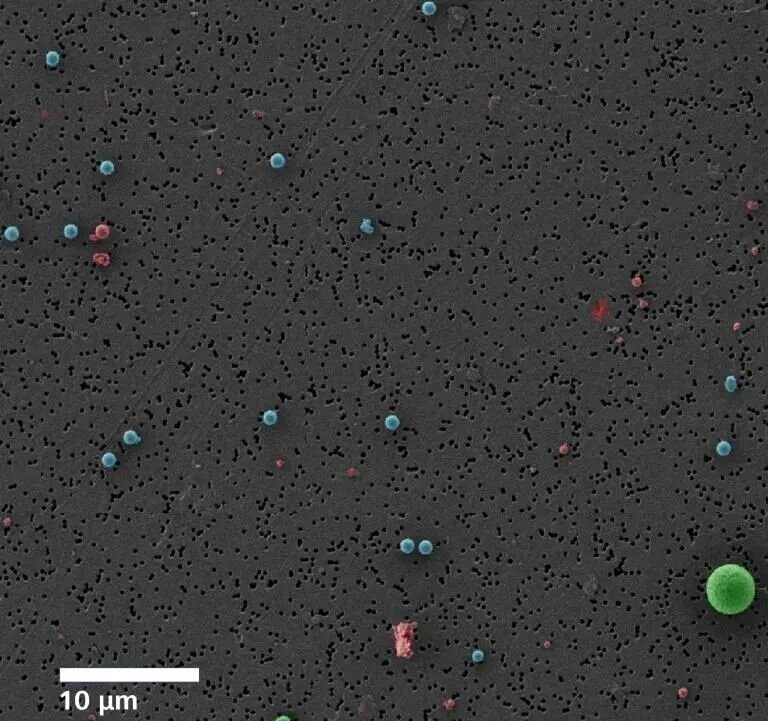
More direct evidence came from the water used to wash the nipples. The researchers identified numerous microscopic particles, including flake-shaped material associated with degradation of the PDMS silicone elastomer and smaller, oil-film-like material associated with polyamide (PA) resin components in the tested products.
The PDMS-derived particles ranged from approximately 0.6 to 332 µm, while the reported polyamide-related material measured around 0.7–10 µm. Infrared analysis linked these materials to polymers originally present in the nipples and to chemical changes occurring during steam treatment.
The researchers also quantified silicone-elastomer-derived particles larger than 1.5 µm. After 60 steam-disinfection cycles, the estimated cumulative number released from each nipple ranged from approximately 99,000 to 500,000 particles, with an average of around 220,000 per nipple. Approximately 81% of the counted particles measured between 1.5 and 10 µm.
These figures describe a defined category of detected silicone-derived particles, rather than a complete count of every possible microplastic or nanoplastic released during the experiment.
The findings established a clear sequence: repeated steam treatment caused microscopic surface damage, and chemically related polymer particles were detected in the wash water. The researchers did not simply infer particle release from visible cracks. Their combination of surface observations and chemical analysis provided experimental evidence that the tested silicone rubber products could release micro- and nanoscale polymer-derived material.
Why Can Heat-Resistant Silicone Degrade at 100°C?
Silicone’s heat resistance does not mean that it is immune to aging. A material can maintain its basic mechanical properties at a specified temperature while still undergoing microscopic chemical changes during repeated exposure.
In this experiment, the nipples were repeatedly exposed to hot steam rather than dry heat. The combination of temperature and moisture contributed to changes in the polymer structures present on their surfaces.
Using O-PTIR, the researchers identified chemical changes in the PDMS elastomer consistent with hydrolysis, oxidation, crosslinking-related changes, and cyclo-condensation involving siloxane structures. As these processes developed, localized areas could become damaged, crack, and eventually release microscopic fragments.
The released particles were not necessarily chemically identical to the original PDMS. The analysis identified cyclic and branched polysiloxane structures in the degraded material, indicating that chemical changes accompanied particle formation.
The researchers also observed shrinking, detachment, and chemical modification of polyamide resin components in the nipples. These changes were consistent with polymer-chain scission and oxidation.
The experiment therefore revealed a process involving moist-heat exposure, polymer degradation, and particle release, rather than simple mechanical wear alone.
However, the findings do not establish that all silicone rubber formulations will degrade identically at 100°C. Particle release may depend on the material formulation, curing conditions, exposure duration, and repeated use. The study directly demonstrated this behavior under the specific experimental conditions applied to the tested products.
Conclusion
After identifying the released particles, the researchers used their experimental measurements and assumptions about infant feeding to estimate potential exposure. Their model suggested that a bottle-fed infant could ingest approximately 660,000 silicone-elastomer-derived microplastic particles during the first year of life.
This figure was a modeled estimate, not a direct measurement of particles swallowed by infants. Furthermore, detecting particle release does not establish that those particles cause harm to human health. The health implications of the identified particles remain uncertain.
The Nature Nanotechnology study demonstrated this possibility through repeated steam exposure, microscopic surface observations, chemical analysis, and particle counting.
Its central finding is that heat resistance does not guarantee permanent microscopic stability. Even though silicone rubber can withstand elevated temperatures, repeated moist-heat exposure may alter its structure and cause polymer-derived particles to detach.
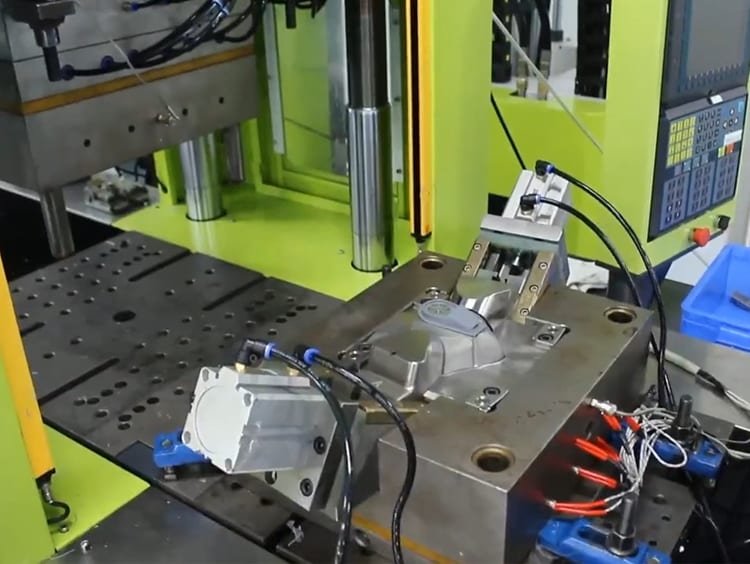
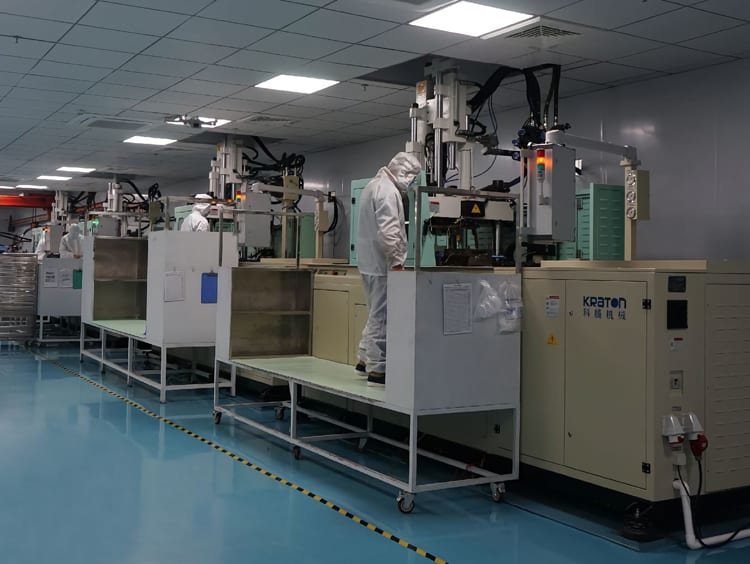 LSR Injection Molding
 Silicone Rubber Overmolding
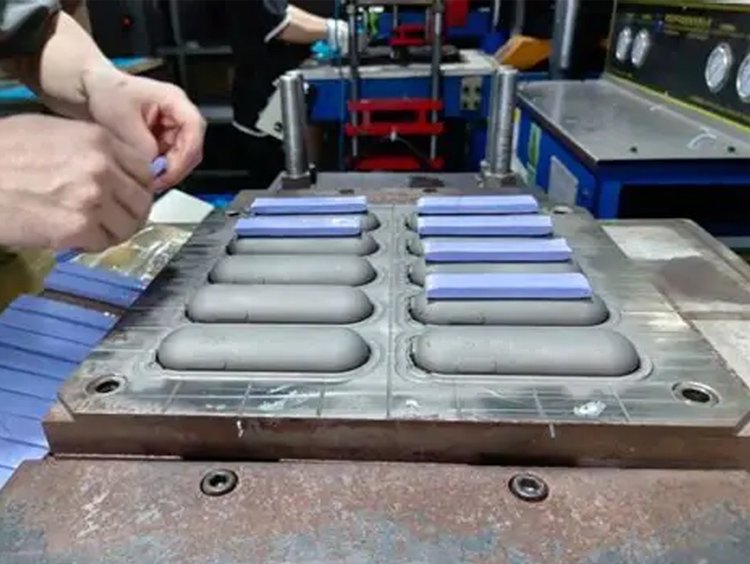 Compression Molding
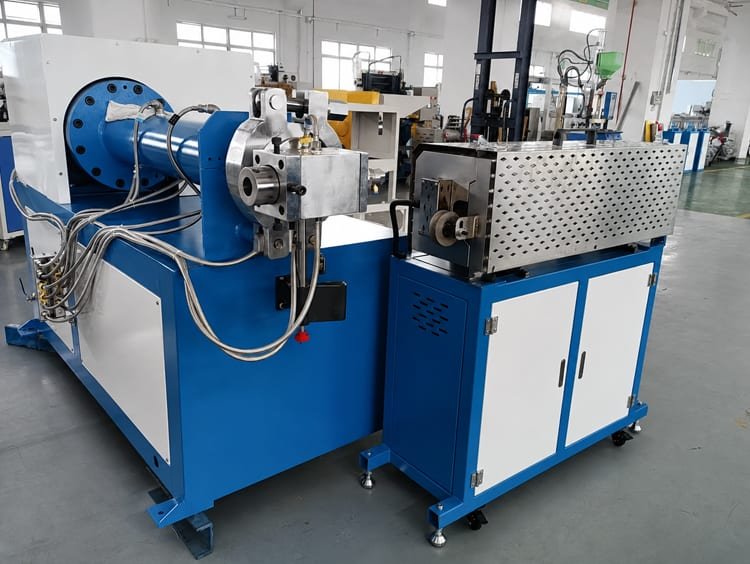 Silicone Rubber Extrusion
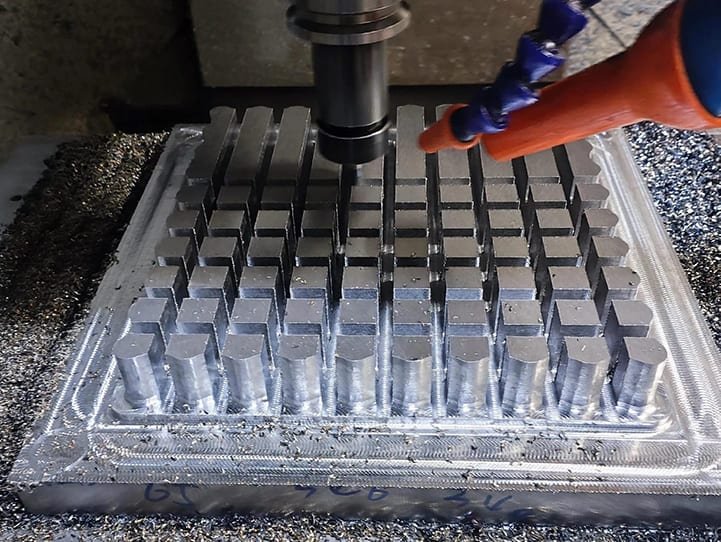 In-house Tooling