
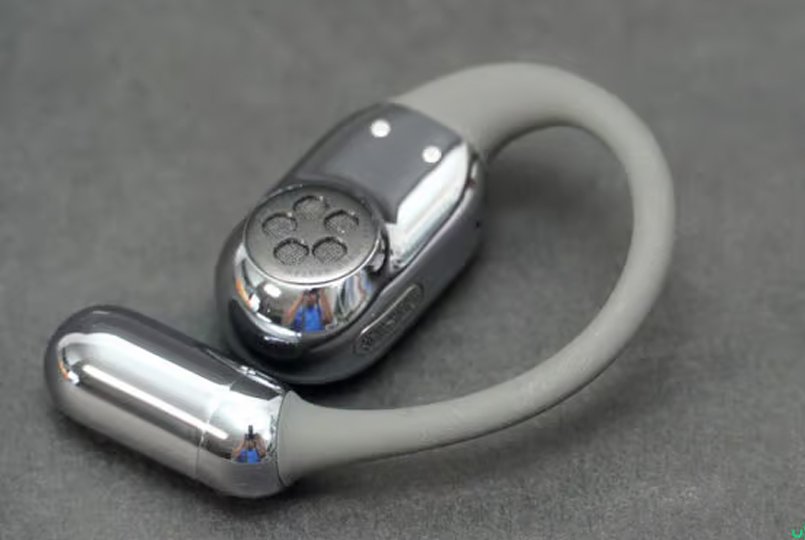
The most reliable way to make bone conduction headphones fully waterproof (IPX8/IP68) is to wrap the entire body in silicone using a hybrid molding architecture: solid silicone compression molding for the transducer head, and in-mold solid silicone encapsulation over a memory steel wire core for the ear hook and neckband. Integrated silicone overmolding eliminates assembly gaps, the #1 source of water ingress in wearable electronics. But it only works when wire positioning, vulcanization, and mold design are engineered as one system.
Why Do Bone Conduction Headphones Need Higher Waterproof Ratings?
Bone conduction headphones transmit sound through the cheekbones, keeping the ear canal open, which makes them the default audio choice for swimmers, triathletes, and surfers. Waterproof ratings for sports earphones range from IPX1 to IPX8 under IEC 60529, and the higher the second digit, the greater the protection:
- IPX4–IPX5: (sweat/splash resistance) is no longer a selling point; it’s table stakes.
- IPX7: (1 meter, 30 minutes) covers accidental drops in water, but not repeated swimming sessions.
- IPX8:, the highest tier, certifies the device survives prolonged immersion at specified water pressure without damage, which is what “swim-proof” marketing actually requires.
Flagship products like the Shokz OpenSwim Pro now carry IP68 ratings, surviving immersion in 2 meters of water for 2 hours under IEC 60529 testing. For any brand developing a swimming-first headphone, that is the market baseline.
The engineering challenge goes beyond sealing alone. An overmolded sports headphone must simultaneously deliver sealing integrity, corrosion resistance, skin-safe materials, and wearing comfort, in a device with a vibrating transducer, a flexible neckband, and charging contacts or buttons, i.e., multiple potential leak paths in a small body-worn package.
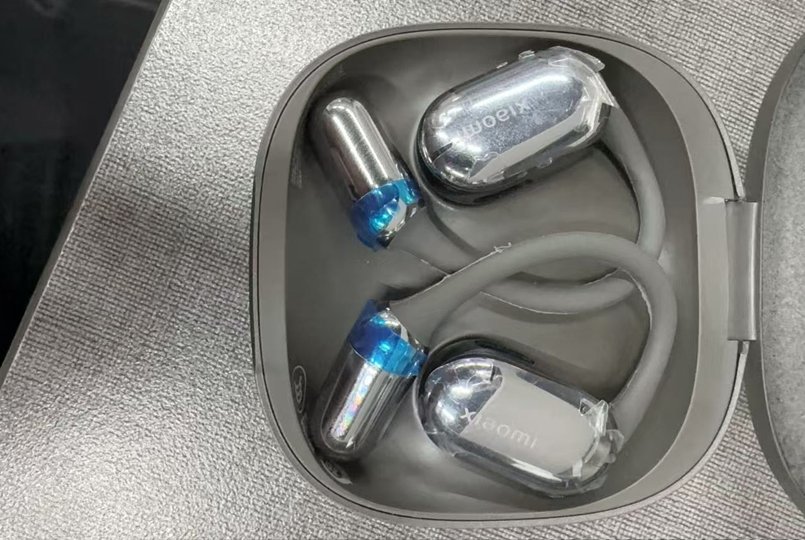
Why Silicone Overmolding is Better?
Traditional waterproofing relies on assembled seals such as O-rings, gaskets, adhesives, and ultrasonic welds. At IPX8 immersion pressure, these approaches share a common weakness: every assembly interface is a potential failure point, and seals degrade with sweat, chlorine, salt water, and UV exposure.
Silicone overmolding replaces assembled seals with a single molded layer bonded directly to the internal structure:
| Factor | Assembled Seals (O-ring/Glue) | Silicone Overmolding |
|---|---|---|
| Leak paths | Multiple (joints, seams, adhesive edges) | None; one continuous skin |
| Aging | Gaskets harden, adhesives creep | Silicone stays elastic for years |
| Consistency in mass production | Assembly-tolerance dependent | Mold-precision dependent |
| Added functions | Sealing only | Sealing + comfort + vibration damping + drop protection |
Integrated overmolding consistently outperforms split O-ring designs in IP68 continuous-immersion testing, precisely because it removes the interface entirely.
The Silicone Overmolding Solution
Solid Silicone Compression Molding
The transducer head presses against the cheekbone and houses the vibration unit. The recommended approach is a full silicone sleeve produced by solid silicone compression molding, assembled onto the transducer housing with an engineered interference fit:
- Dimensions are controlled to tight tolerances so the sleeve seats exactly, with no play, no gaps, and no adhesive-dependent weak points.
- Compression-molded solid silicone offers excellent tear strength and rebound for this high-contact area.
One-Piece Solid Silicone Overmolding on Memory Steel Wire
The ear hook and neckband are built around a memory steel wire core that flexes to fit different head sizes and springs back thousands of times. The proven construction is one-piece solid silicone in-mold encapsulation.
- The wire core twists and bends freely to adapt to the wearer, and always returns to shape. It bends without deformation, resists compression and breakage, and auto-conforms to the head.
- The silicone skin is molded around the core in one shot, moving with it without stress concentration.
It sounds simple, but getting the wire fully encapsulated without exposure, flash, or cold joints is where most projects fail. That leads to the most important part of this guide.
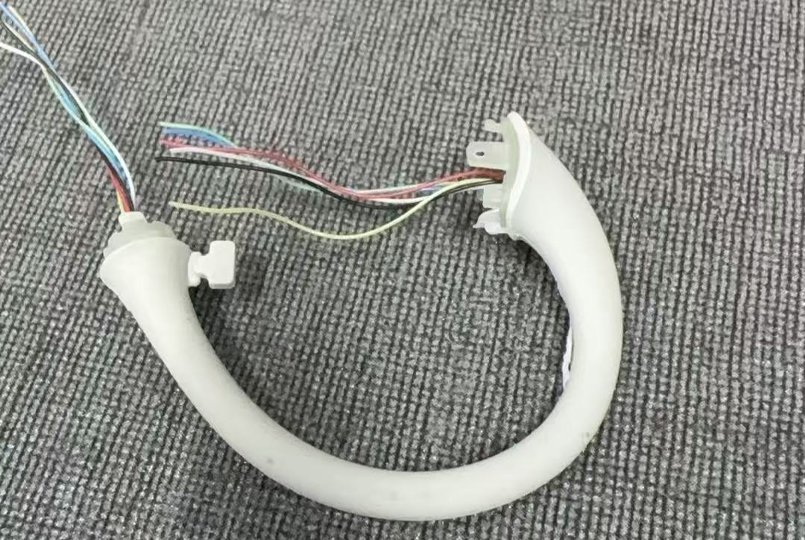
How to Overmold Memory Steel Wire Without Defects
The classic defect in wire overmolding is wire exposure, the steel core drifts off-center in the cavity and breaks through the silicone skin, instantly destroying both waterproofing and appearance. Traditional “place the wire in the mold and press” approaches have no defense against this. Here is the process architecture that does.
Incoming Wire Inspection
Before any wire touches a mold, engineers build a dedicated arc-profile test fixture (go/no-go gauge) matching the designed curvature of the finished part. Every single memory steel wire is checked against it:
- Wires within the curvature tolerance band proceed to molding.
- Wires with excessive or insufficient arc, the root cause of wire exposure, are screened out at incoming inspection.
This single fixture converts wire exposure from a random molding defect into a controlled, preventable variable.
Three-Plate Mold Design for Precise Wire Positioning
Instead of dropping the wire loosely into a cavity, the tool uses a middle plate to hold and locate the pre-formed wire in its exact final position, while the upper and lower plates carry the silicone charge for compression. The wire is mechanically constrained on all sides during vulcanization, so the silicone wraps it concentrically, delivering full encapsulation, uniform wall thickness, and excellent elasticity.
Low-Temperature Vulcanizing
Standard compression molding of thick silicone sections risks under-cured material (“raw” spots) at the core. Switching to a low-temperature vulcanizing agent solves this at the chemistry level:
- Complete, uniform vulcanization throughout the section, with no uncured silicone.
- Significantly shorter molding cycles, improving both throughput and dimensional stability.
The result: parts with good encapsulation appearance, excellent rebound, and the ability to be twisted arbitrarily without deformation.
Junction Engineering at the Plastic Button Interface
The arc transition where the neckband meets the ear hook often carries a plastic button or control housing, a notorious leak and flash zone. Two targeted fixes close it out:
- Optimize the snap-fit position on the plastic part, so the button housing keys precisely into the silicone skin.
- Add material to the silicone cross-section at the junction, creating an interference overlap that nests perfectly against the housing.
Together these eliminate gaps at the silicone–plastic interface, the last remaining leak path in the design.
4 Benefits of Full Silicone Encapsulation
A full-body silicone wrap solves more than the IP rating:
- All-day comfort. Medical-grade silicone is hypoallergenic and skin-friendly. 360° coverage creates a barely-there wearing feel even during long training sessions.
- Vibration damping. Bone conduction works by vibrating against the cheekbone; at high volume this can cause a tingling sensation. The silicone sleeve cushions and dampens these vibrations, noticeably improving comfort.
- Drop and pull resistance. Silicone’s elasticity absorbs impacts and protects the internal structure, essential for sports use.
- Chemical resistance. Silicone withstands chlorine, salt water, sweat, and sunscreen far better than TPU or TPE skins.
How to Design for IPX8 Rating?
Brands that achieve IPX8 on the first design cycle share four habits:
- Match the molding process to each section’s function: compression molding, overmolding, and in-mold encapsulation solve different problems.
- Eliminate assembly interfaces wherever possible. Leaks almost never originate from the silicone itself; they trace back to mold precision and unstable molding parameters at bonding interfaces.
- Control the core substrate before molding, inspect wire geometry with dedicated fixtures, and locate the core mechanically in the tool, never by hand placement.
- Engineer vulcanization chemistry, mold structure, and junction design as one system, and verify with immersion testing before committing to production tooling.
Achieving a true IPX8 rating requires a manufacturer with in-house fixture design, multi-plate tooling capability, and vulcanization process engineering, plus the mold precision to hold sealing tolerances at scale. Fecision silicone provides one-stop silicone overmolding solutions for waterproof wearables, from DFM review and material selection through tooling and mass production. Contact our engineering team for a free design evaluation of your waterproof headphone project.
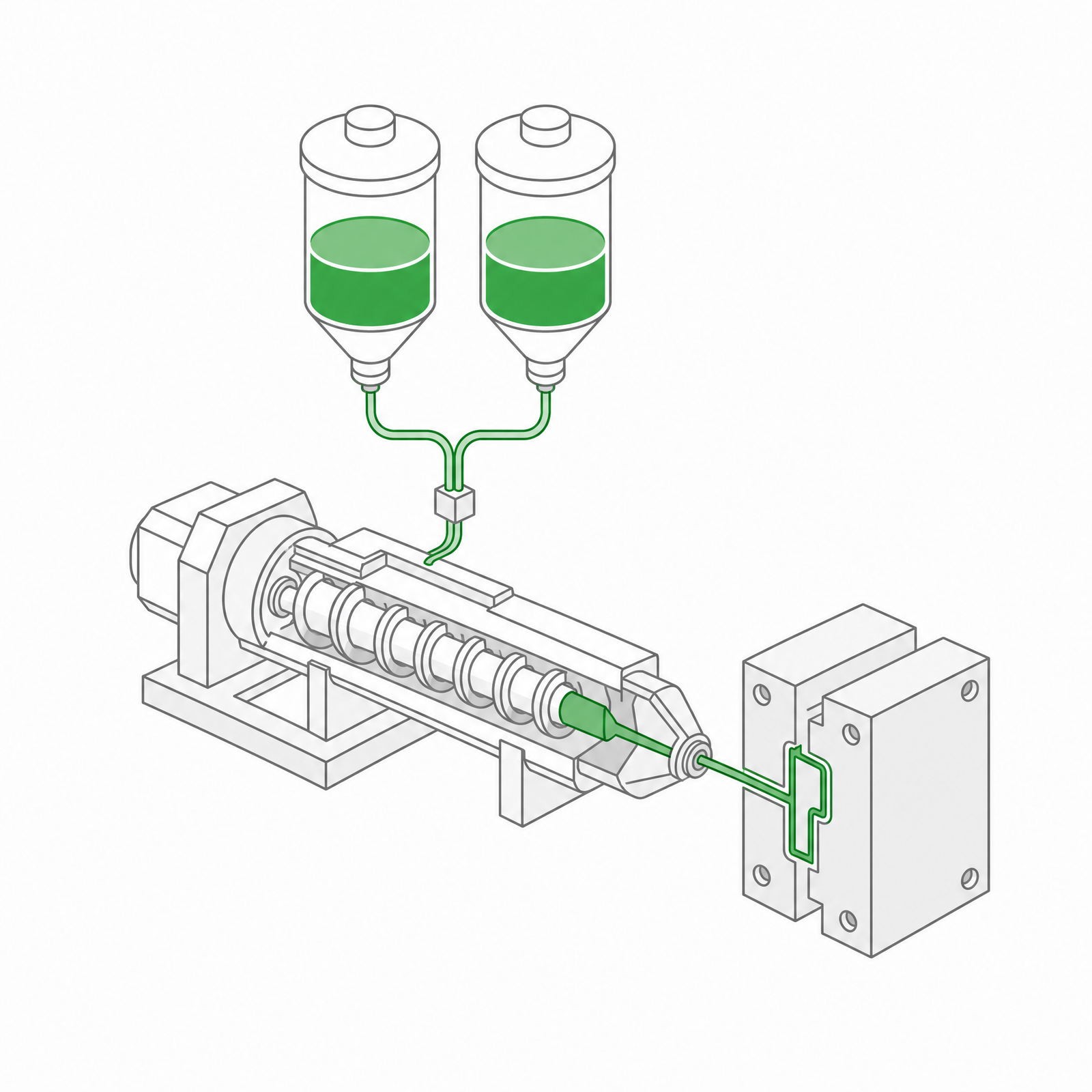 LSR Injection Molding
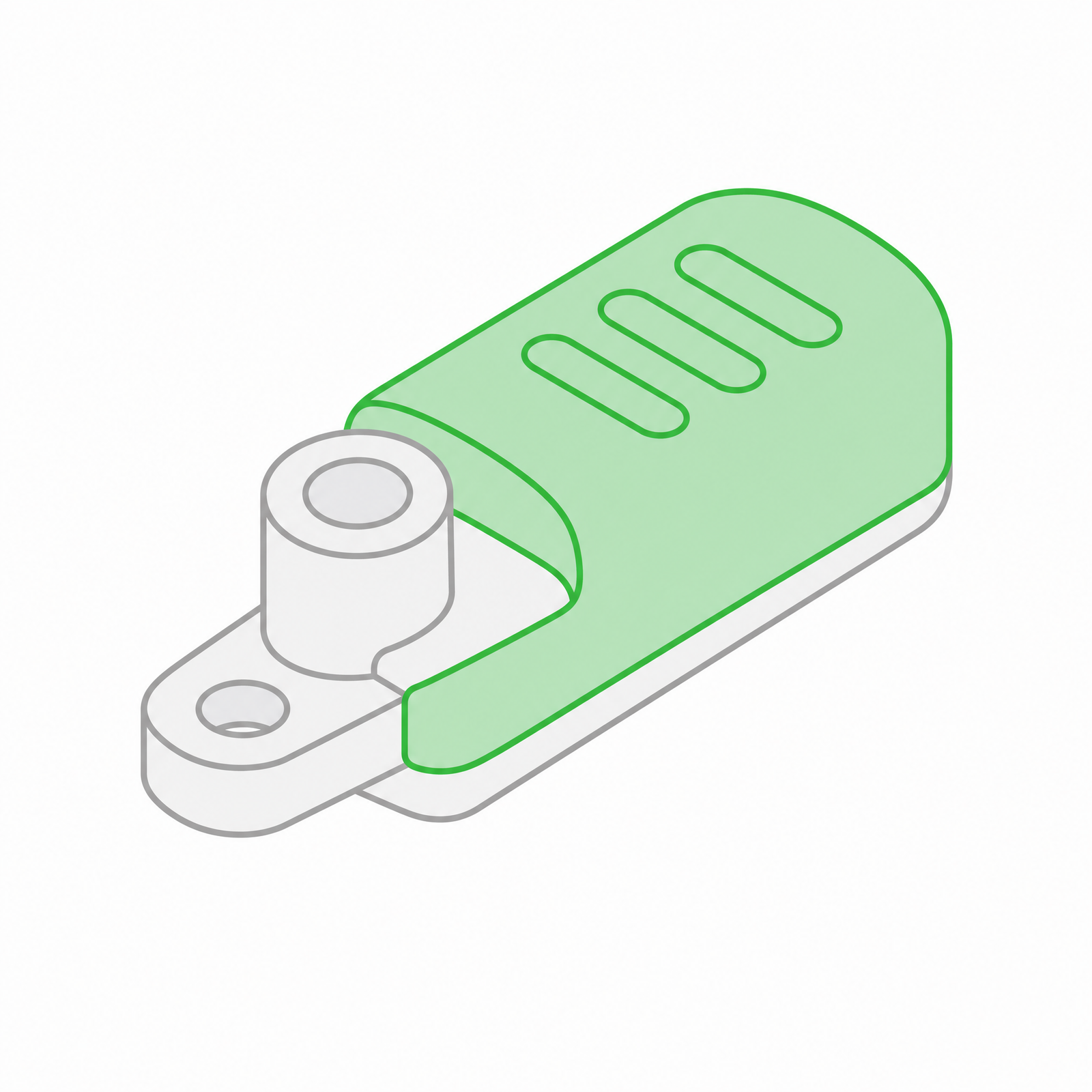 Silicone Rubber Overmolding
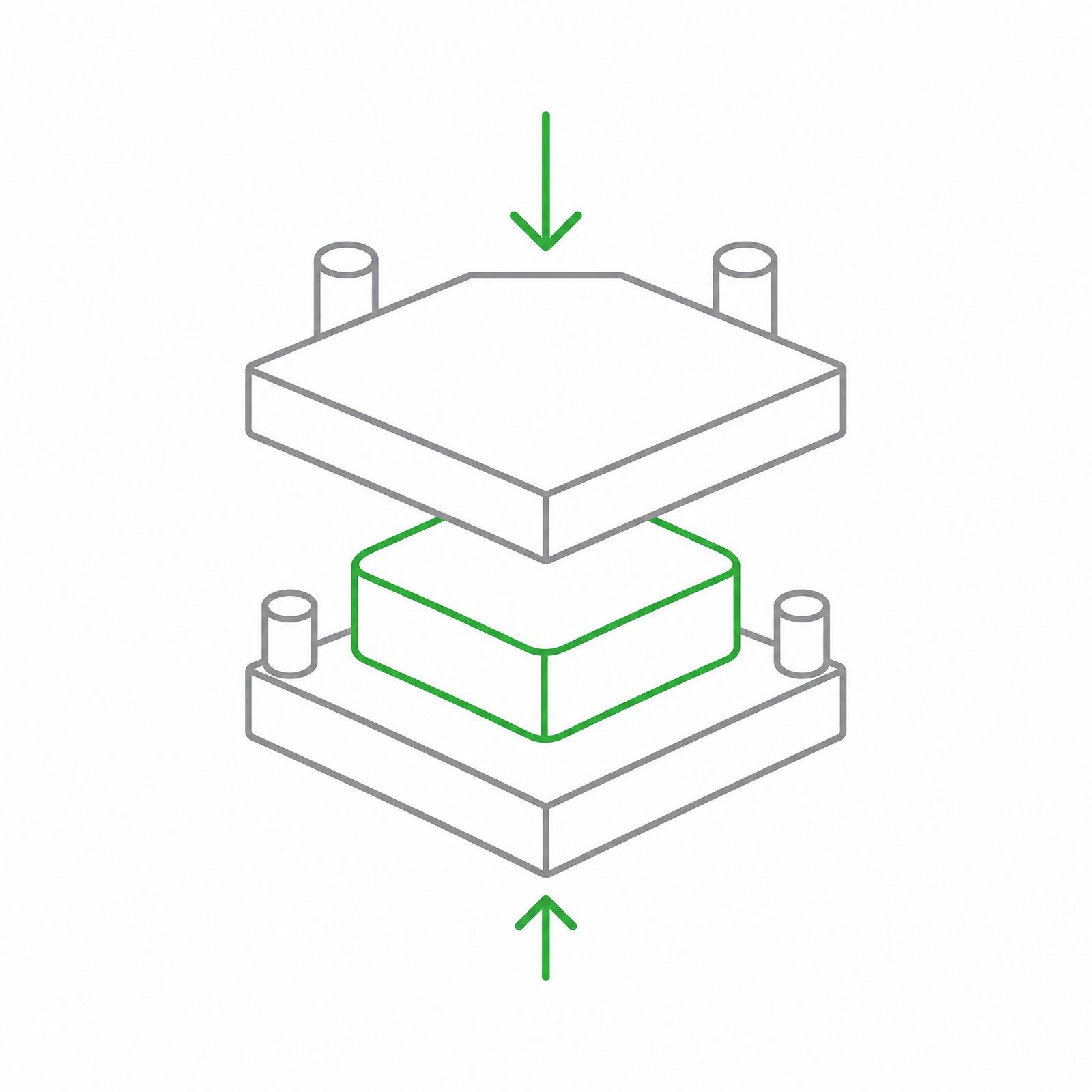 Compression Molding
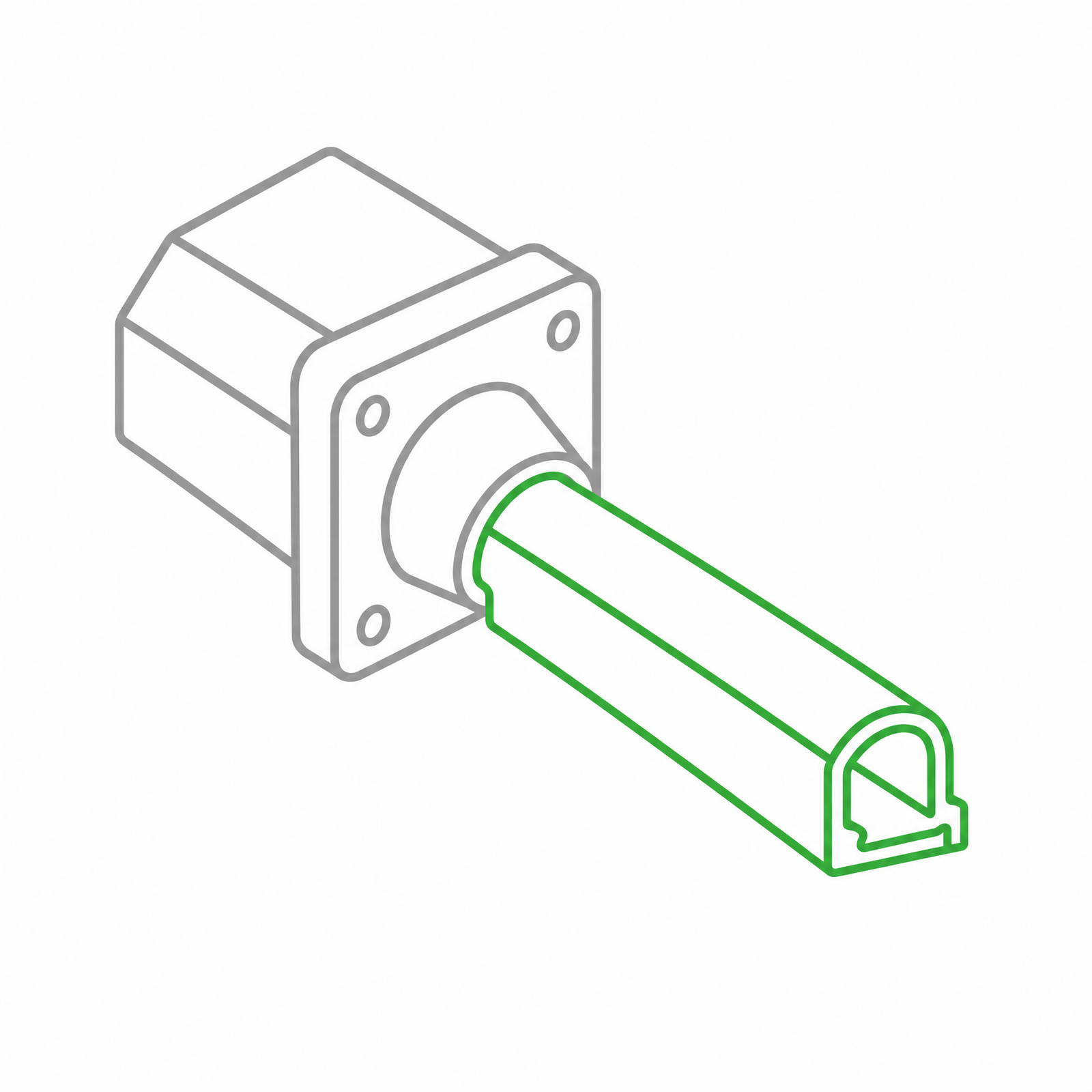 Silicone Rubber Extrusion
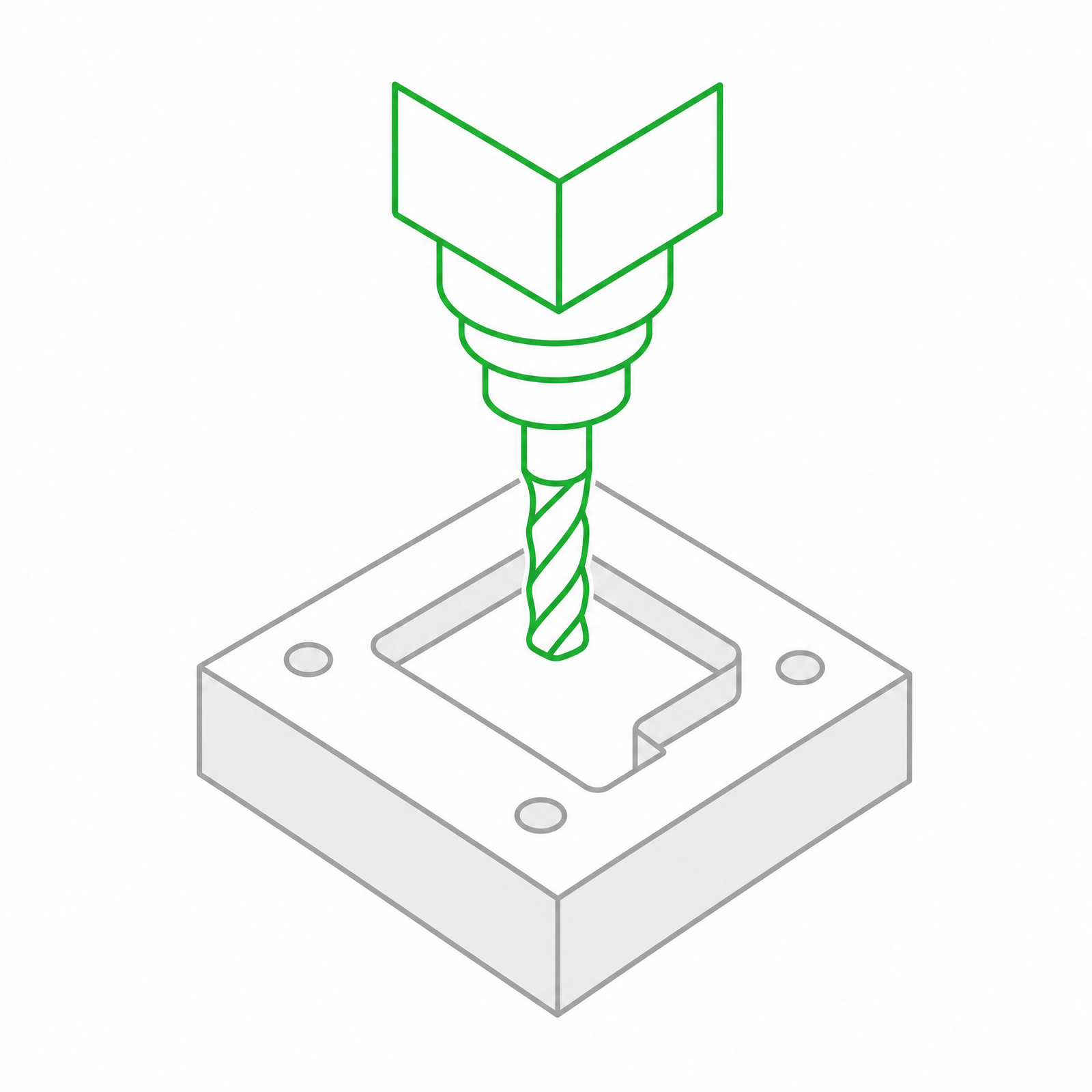 In-house Tooling