
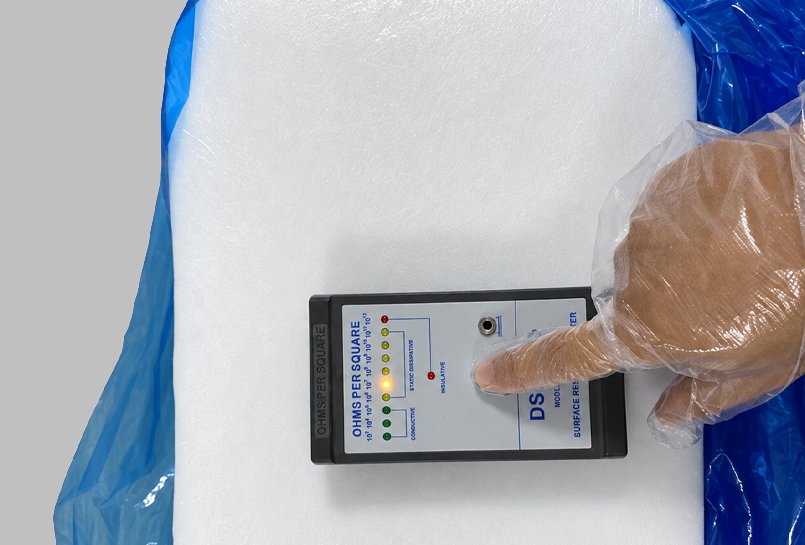
Antistatic silicone is a material combining silicone with antistatic properties. In electronic manufacturing, semiconductor equipment and automation, repeated contact, separation and friction can generate static charge on pads, rollers, gaskets, keypads and other components. If the charge cannot dissipate, it may discharge into sensitive electronics or attract dust and contamination. Anti-static silicone rubber is to reduce this risk by controlling electrical resistance while retaining the temperature resistance, sealing performance.
What is Anti-Static Silicone?
Antistatic silicone is a functional material created by combining silicone rubber with antistatic properties, typically achieved by incorporating antistatic fillers or ion-conductive antistatic agents into the silicone matrix. While retaining the inherent characteristics of standard silicone—such as elasticity, weather resistance, heat and water resistance, and electrical insulation—antistatic silicone maintains performance across a wide temperature range (standard grades: -50°C to 180°C; high-temperature grades: 300°C to 350°C) and offers water and moisture repellency. It prevents electrostatic buildup that could otherwise lead to the breakdown of electronic components or equipment failure, and it can also meet requirements such as flame retardancy (UL-94 V-0 rating).
Why is Anti-Static Silicone Needed?
Static electricity is generated when materials contact, separate, rub or move against one another. In automated production, these actions may occur thousands of times during picking, conveying, gripping or releasing operations. This is a big problem for ESD-sensitive electronics. Electrostatic discharge can cause immediate failure, it can also create latent damage that appears later. This makes electrostatic control important. However, Ordinary silicone has high electrical resistance. Charge generated on its surface may remain there because there is no effective path for dissipation. Anti-static silicone is useful is this position.
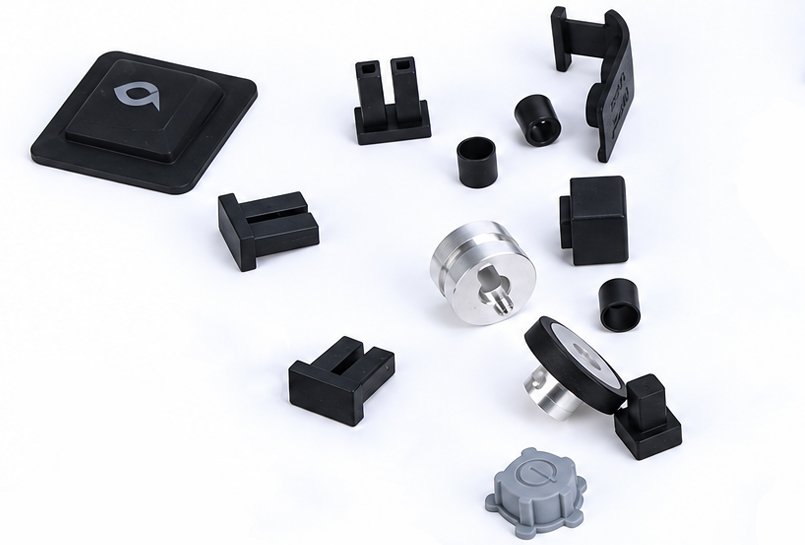
Typical products include electronic handling components, rollers, vacuum suction cups, gaskets, keypads and flexible protective parts. In these applications, replacing silicone with a rigid conductive material is often impractical because the component still needs elasticity and sealing or soft contact.
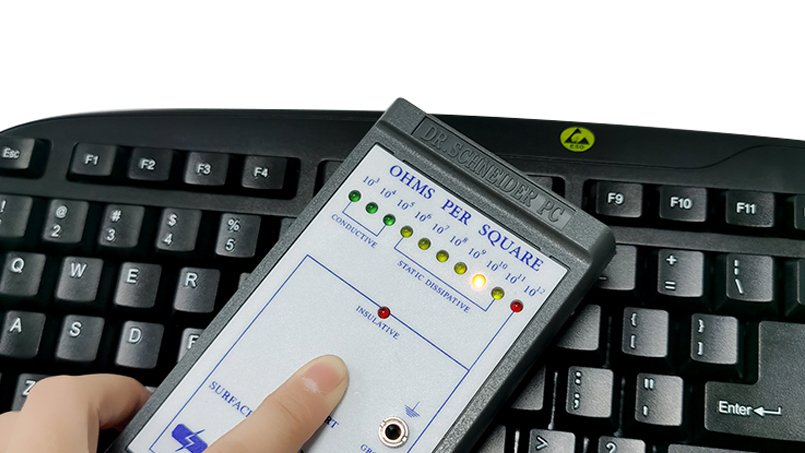
Silicone rubber can be classified according to their electrical resistance.
| Classification | Typical resistance range | Electrical behavior |
|---|---|---|
| Conductive | < 1 × 10⁴ Ω | Charge flows relatively easily |
| Static dissipative | ≥ 1 × 10⁴ Ω and < 1 × 10¹¹ Ω | Charge dissipates in a controlled manner |
| Insulative | ≥ 1 × 10¹¹ Ω | Charge movement is strongly restricted |
For many ESD-control applications, anti-static silicone is designed in the static-dissipative range rather than the conductive range. Their functions are a bit different:
- Insulating silicone is to prevent electrical conduction.
- Static-dissipative silicone reduces charge accumulation and allows controlled dissipation.
- Conductive silicone provides lower resistance for electrical contacts or EMI-related applications.
Typical specifications of anti-static silicone is as below:
| Property | Specification |
|---|---|
| Hardness | 40–70 Shore A, customizable |
| Density | 1.10–1.25 g/cm³ |
| Tensile Strength | 6–9 MPa |
| Elongation at Break | 200–500% |
| Tear Strength | 15–25 kN/m |
| Static-Dissipative | Typically within 10⁴–10¹¹ Ω where applicable |
| Operating Temp. | Approx. −50 to 200°C |
| Color | Black / dark gray; other options available |
| Process | Compression Molding / LSR Injection Molding |
| Custom Parts | Pads, Gaskets, Suction Cups, Rollers, Grippers |
How Anti-Static Silicone Works
Anti-static silicone is produced by adding functional fillers or additives to the silicone compound. These materials reduce resistance and allow accumulated charge to move through or across the component. At low filler concentration, conductive particles remain separated by the insulating silicone matrix, so resistance stays high. As filler concentration increases, the distance between particles decreases. When enough conductive particles begin to contact or interact with one another, a conductive network forms through the material.
This transition is known as the percolation region. Around this region, relatively small changes in filler concentration or dispersion can produce large changes in electrical resistance.
Anti-static silicone is therefore a functional composite whose electrical performance depends on both formulation and processing. 3 types of fillers are mainly used in anti-static silicone, they are conductive carbon black, carbon Nanotubes and metallic conductive fillers.
Conductive Carbon Black
Conductive carbon black is one of the most common fillers used in anti-static and conductive silicone. When enough carbon particles form interconnected paths through the silicone matrix, electrical resistance decreases. Its main limitation is color. Carbon-filled silicone is black or dark gray.
Higher carbon loading also changes the mechanical and processing properties of silicone. It can increase viscosity and hardness while affecting elongation, compression behavior and mold filling. Electrical resistance therefore cannot be optimized independently from mechanical performance.
Carbon Nanotubes and Other Carbon Systems
Carbon nanotubes, graphene and hybrid carbon systems can also form conductive networks in silicone.
Their high aspect ratio can allow conductive paths to develop at lower filler loading than conventional carbon black, which can be useful when lower resistance is required without introducing very large amounts of conductive filler.
The main challenge is dispersion. Agglomerated nanofillers can create local resistance variation and inconsistent mechanical properties. For production parts, stable dispersion and lot-to-lot consistency are more important than the theoretical conductivity of the filler alone.
Metallic Conductive Fillers
Silver, nickel and metal-coated particles can be added when much lower electrical resistance is required. These materials are more commonly used in conductive silicone and EMI shielding gaskets than in ordinary static-dissipative applications.
For ESD dissipation alone, a highly conductive metal-filled compound may provide more conductivity than the application requires.
Anti-Static Silicone Applications
Anti-static silicone is most useful where charge control must be combined with flexibility, sealing or soft contact.
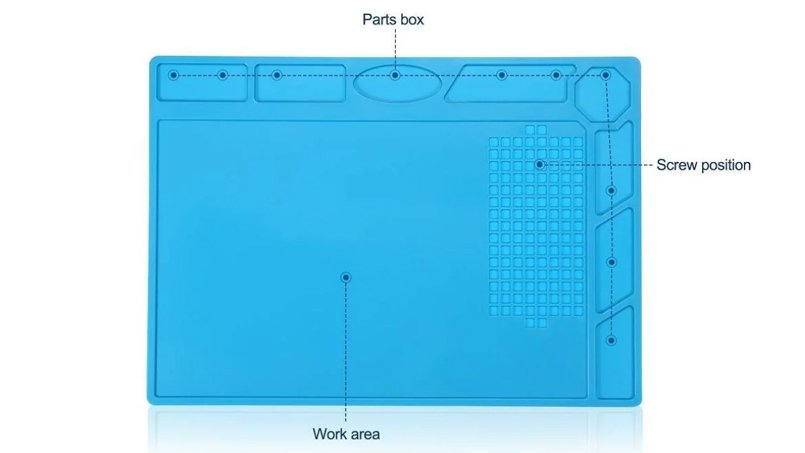
Anti-Static Silicone Mats
Anti-static silicone sheets and mats are used on electronic assembly benches, inspection stations and handling surfaces. The silicone provides a soft contact surface and can tolerate higher temperatures than many ordinary polymer work mats. For long-term use, resistance stability, cleaning method and surface contamination should be considered.
Shock-absorbing Pads
Pads are used under electronic components, fixtures and equipment where cushioning and charge dissipation are both required. Custom molded pads can include holes, recesses, ribs,locating features. It is suitable for fixtures and automated equipment where a simple cut sheet is not enough.
Silicone Suction Cups
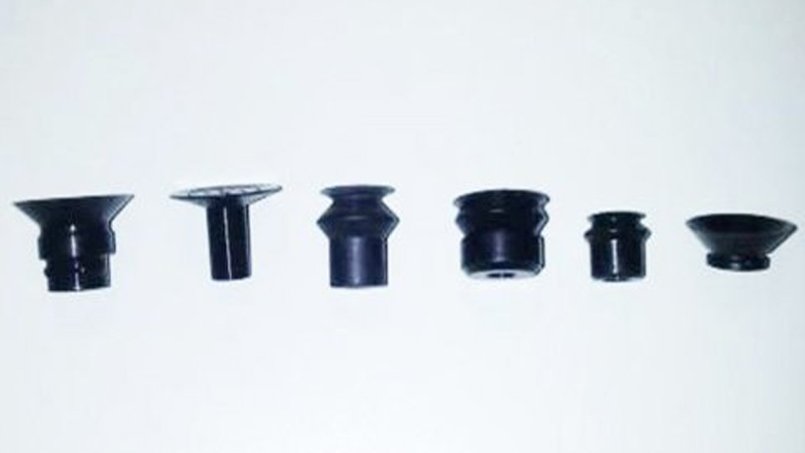
Vacuum suction cups repeatedly contact and separate from wafers, electronic components, glass panels and other workpieces. This repeated contact can generate static charge. Anti-static silicone allows the cup to retain the flexibility required for vacuum sealing while reducing static accumulation.
The electrical resistance should also be checked in the assembled state if the cup is connected to a grounded conductive structure.
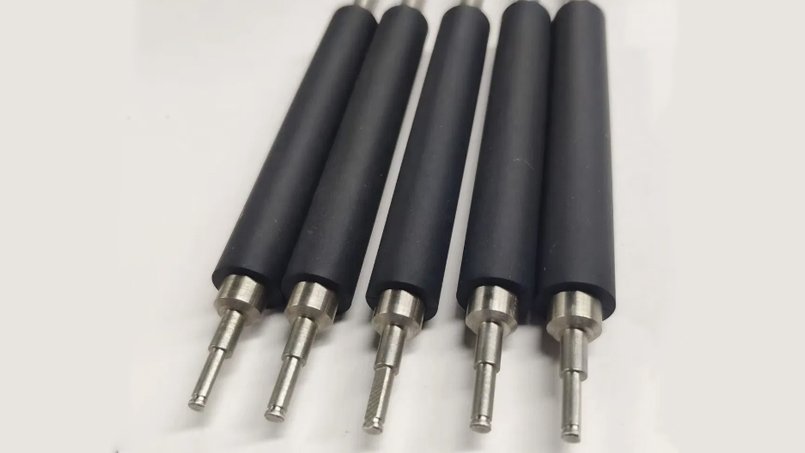
Anti-Static Silicone Rollers
Silicone rollers are used to transport films, sheets and electronic components.
Repeated rolling contact can generate static electricity, especially when insulating materials are being conveyed.
Anti-static silicone rollers provide charge dissipation while retaining the friction, flexibility and heat resistance of silicone.
The filler system needs to be balanced with roller hardness, surface finish and wear performance because increasing conductive filler can change both friction and mechanical durability.
Robotics and Automated Grippers
Semiconductor manufacturing equipment contains many soft-contact interfaces. Anti-static silicone can be used in vacuum suction cups, contact pads, positioning components, robot end-effectors, protective supports, handling fixtures.
This type of silicone provides a compliant surface while reducing static charge accumulation at the contact point. Electrical performance must be considered together with cleanliness in semiconductor handling application. Volatile siloxanes, particles, extractables and ionic contamination may also need to be controlled.
Robotic grippers increasingly handle semiconductor devices, electronic components and precision assemblies. Soft fingers and contact pads need enough friction and compliance to grip parts without damage. When ordinary insulating silicone is used, repeated pick-and-place cycles can contribute to static charge buildup.
For these parts, the charge path should be considered together with the robot structure. A dissipative silicone surface cannot remove charge effectively if the complete assembly provides no controlled route to ground.
Keypads
Silicone keypads can contain different electrically functional areas. Conductive carbon pills are commonly molded or assembled beneath key positions to close electrical circuits. Other areas of the keypad can use static-dissipative silicone when charge control is required.
The entire component therefore does not always need one uniform electrical resistance. Different conductive, dissipative and insulating zones can be designed according to the circuit and housing requirements.
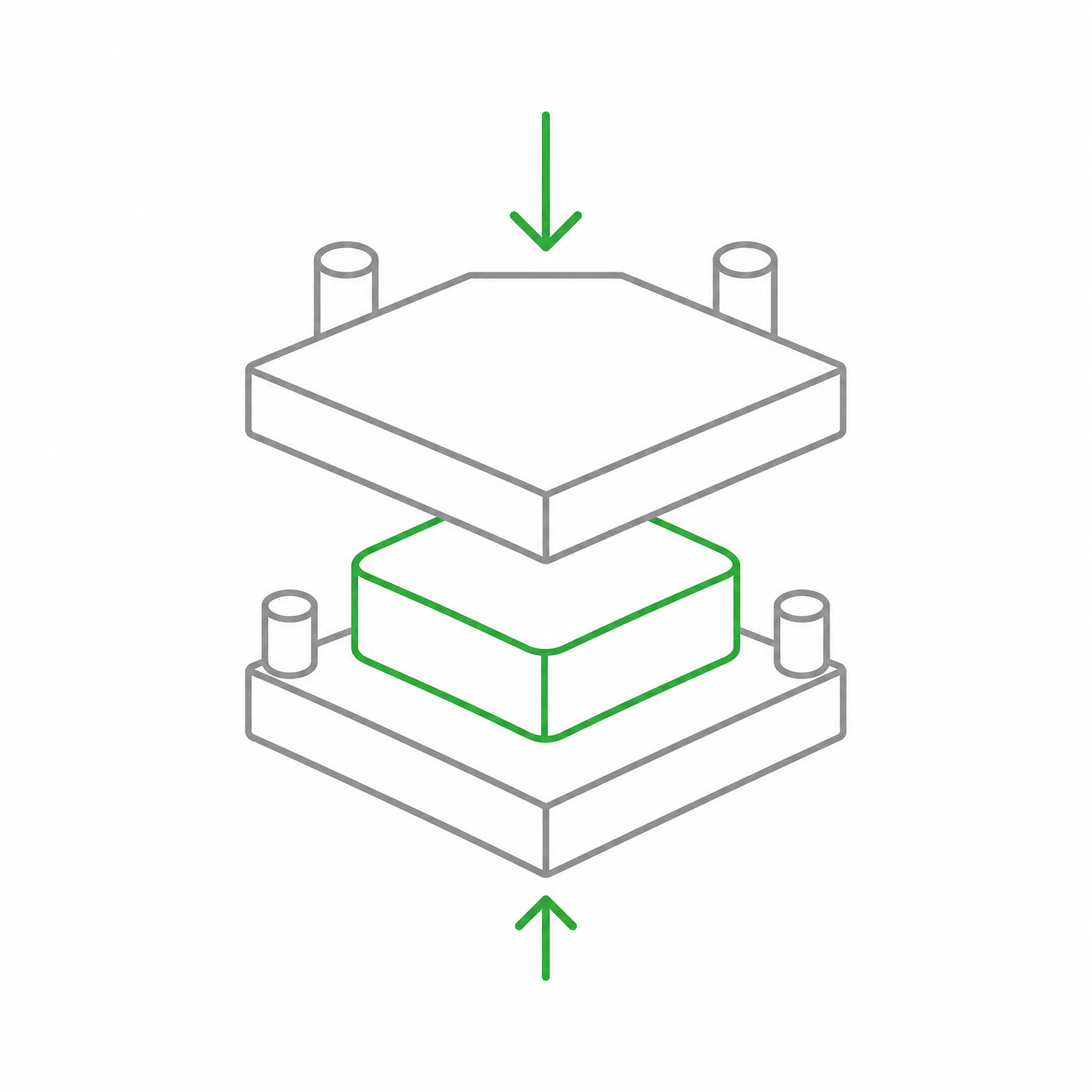
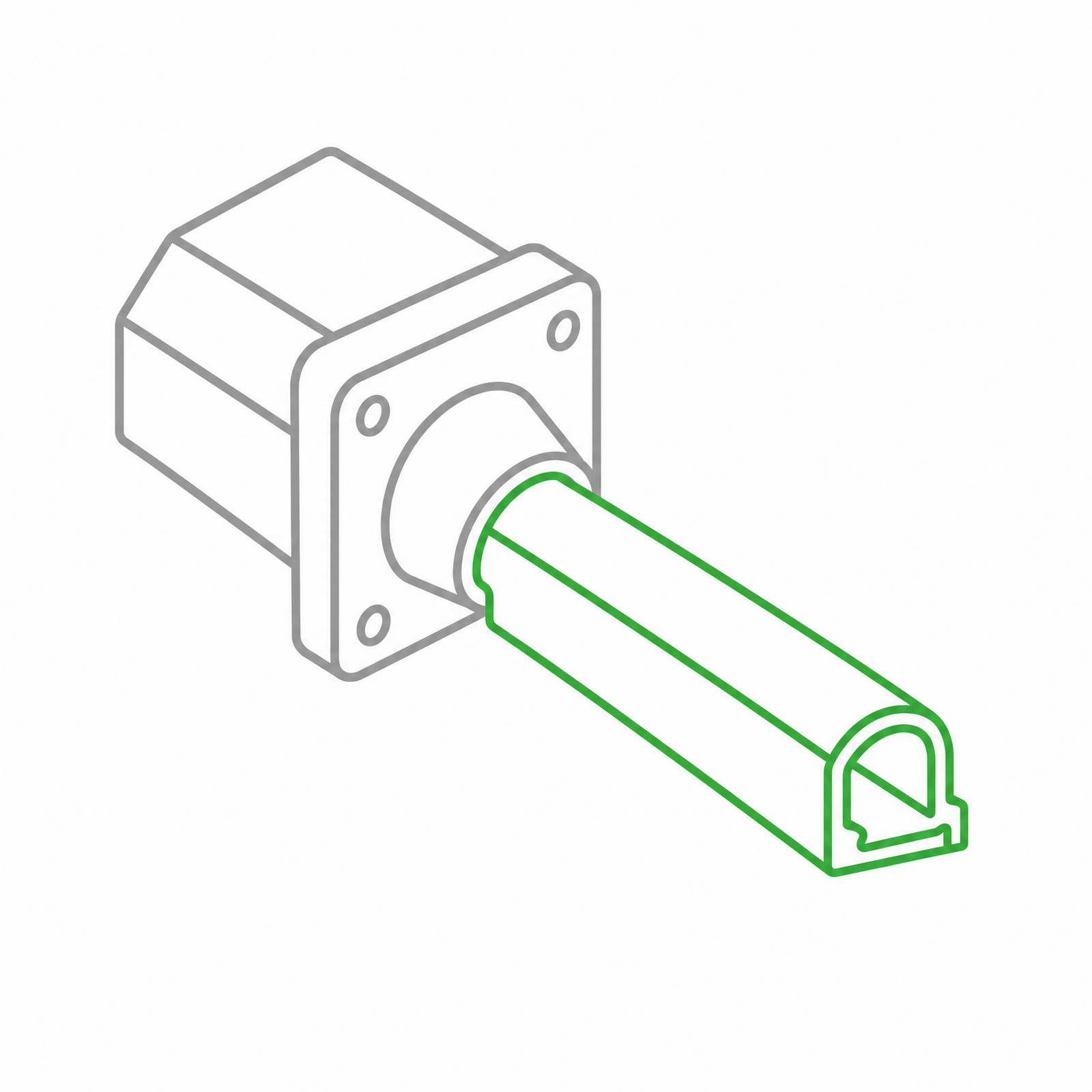
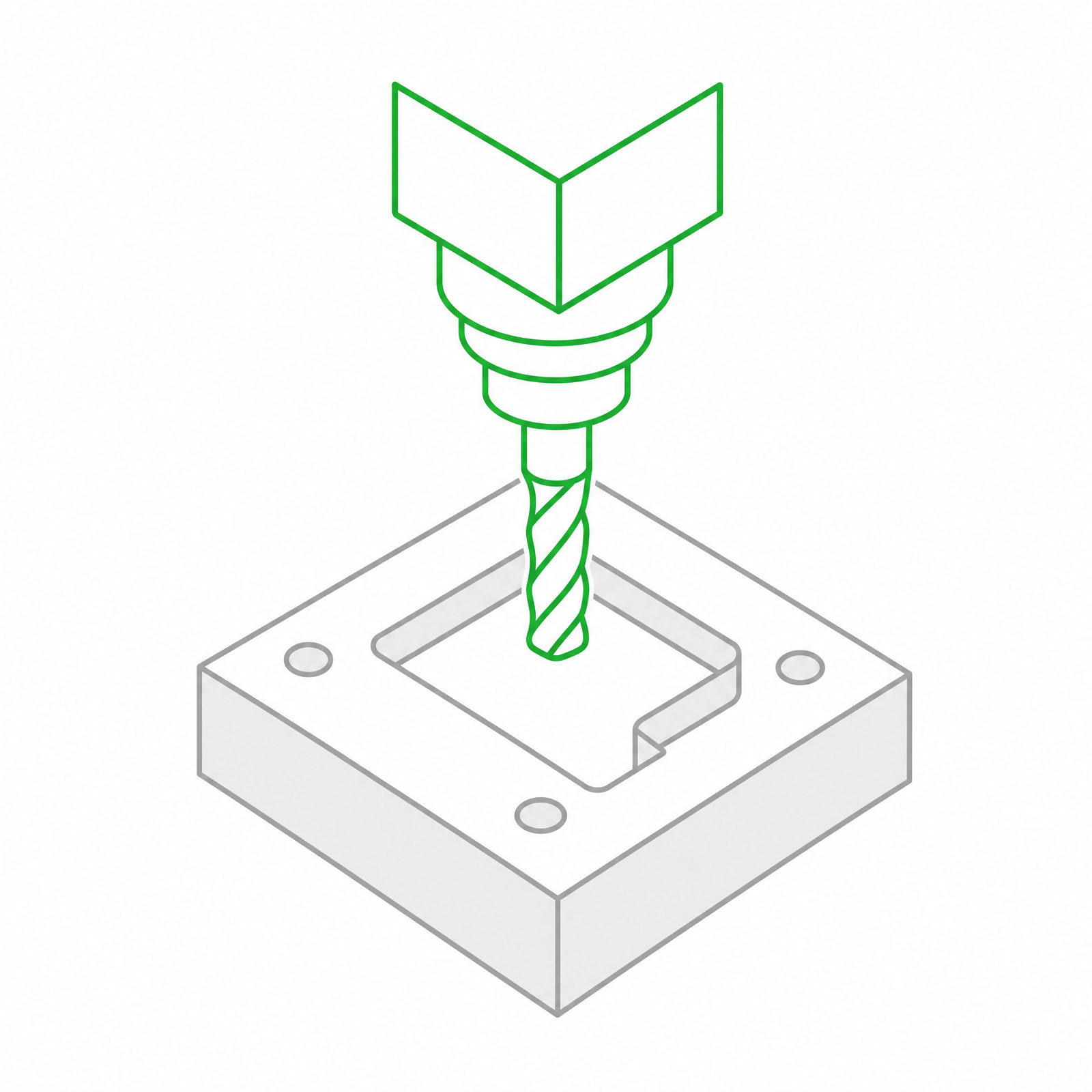
Fecision is a ISO 9001/ISO 13485/IATF 16949 certified manufacturer based in China, and supports custom anti-static silicone components through compression molding, extrusion, silicone overmolding and tooling development. Applications include anti-static silicone gaskets, pads, suction cups, soft gripper components and other custom ESD-control components.
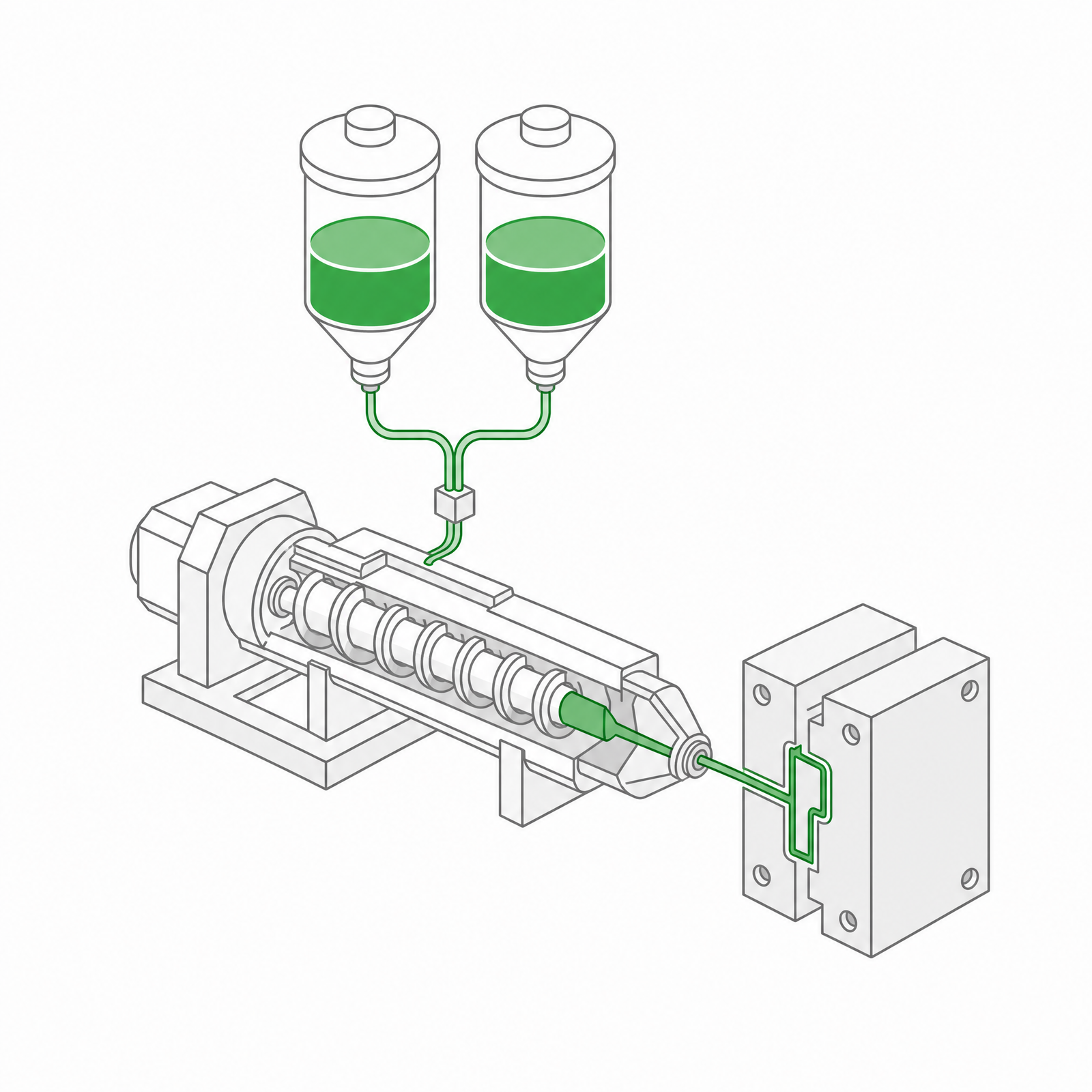 LSR Injection Molding
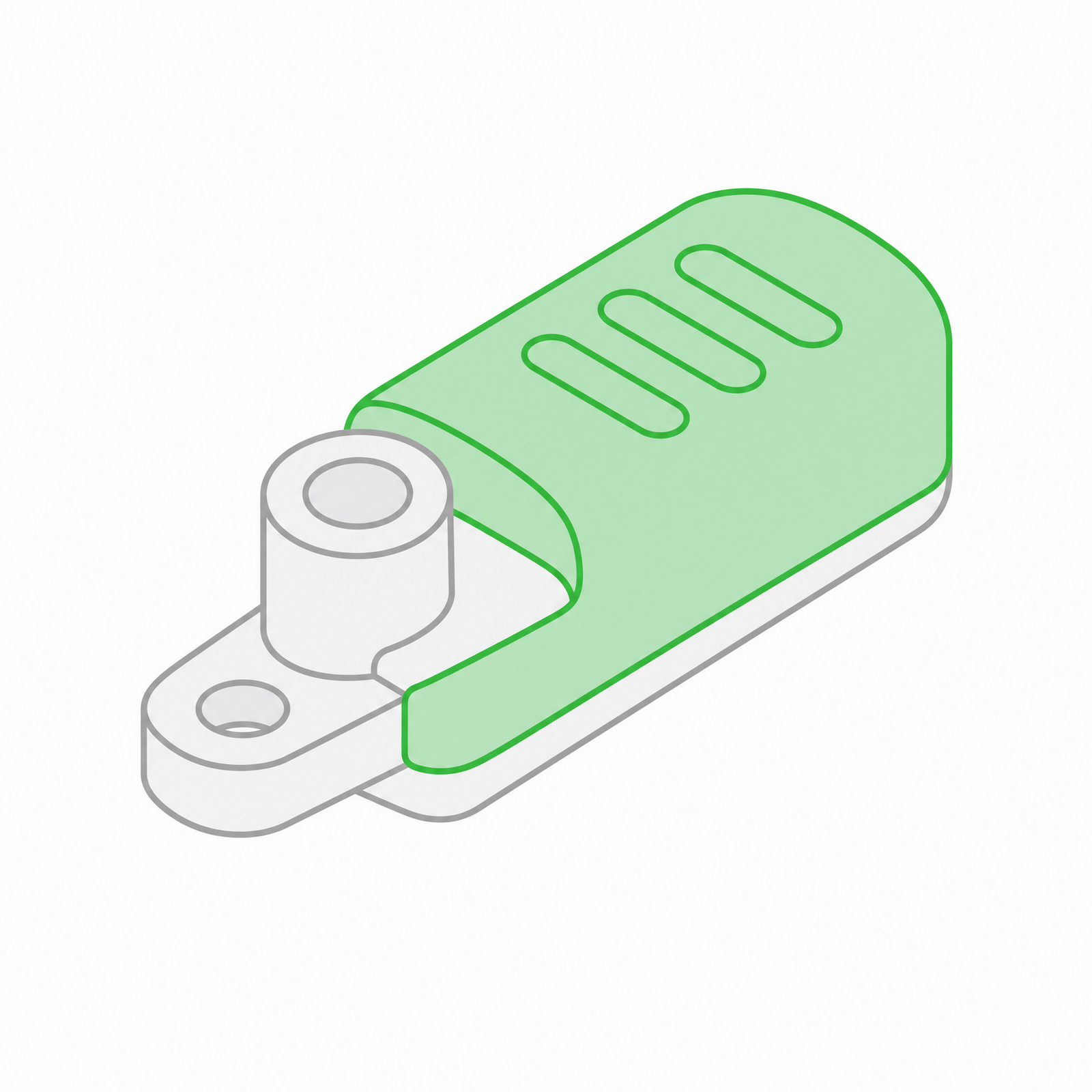 Silicone Rubber Overmolding
 Compression Molding
 Silicone Rubber Extrusion
 In-house Tooling