
Humanoid robots need to move through spaces designed for people and handle physical contact safely. Their motors and control systems make movement possible, but the materials around those systems also matter. Silicone rubber can cushion contact and protect sensitive components, helping the robot interact with its surroundings.
This article looks at the main silicone rubber parts used across a humanoid robot body.
Where Silicone Rubber Is Used In Humanoid Robots
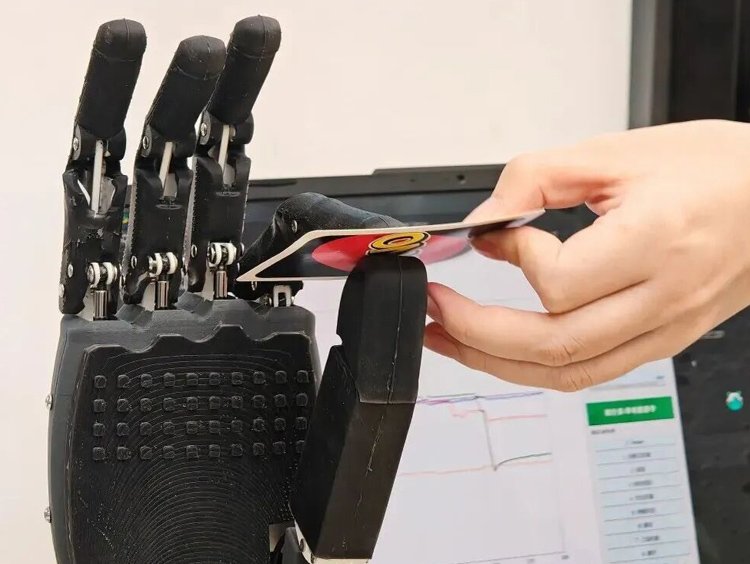
In a robotic hand, silicone provides a compliant surface over tactile sensors. Conductive grades can also form part of the sensing interface. Inside the torso, foam pads cushion components and reduce the vibration transmitted through the frame.
Thermal silicone pads carry heat from control electronics to a cooling surface. On the outside, molded silicone can cover sensors or form flexible skin. Foot pads cushion impacts and improve grip, while sleeves around wiring protect it from rubbing as the joints move.
Dexterous Hands: Conductive Silicone Rubber
The hand is one of the most important parts of a humanoid robot. It handles fine movement, soft contact, and real-world sensing. A rigid mechanical gripper can pick and clamp. A dexterous robotic hand needs much more. It needs tactile feedback.
Many humanoid robotic hands use conductive silicone rubber parts in the fingertips, finger pads, and finger joints. These parts can include conductive silicone rubber sensing films, conductive silicone rubber contacts, and silicone rubber gaskets.
Conductive silicone rubber changes resistance when it is compressed or deformed. This allows the robot to collect data such as pressure, contact area, touch position, and sliding friction. In simple terms, it gives the robot a touch layer similar to human skin.
With this feedback, a robot can handle delicate tasks more safely. It can hold an egg, pick up a cup, or sort small electronic parts without dropping or crushing them. The soft silicone also cushions the sensor chips and fingertip structures. This helps protect precision parts and extend the service life of the robotic hand.
Torso: Silicone Foam Materials
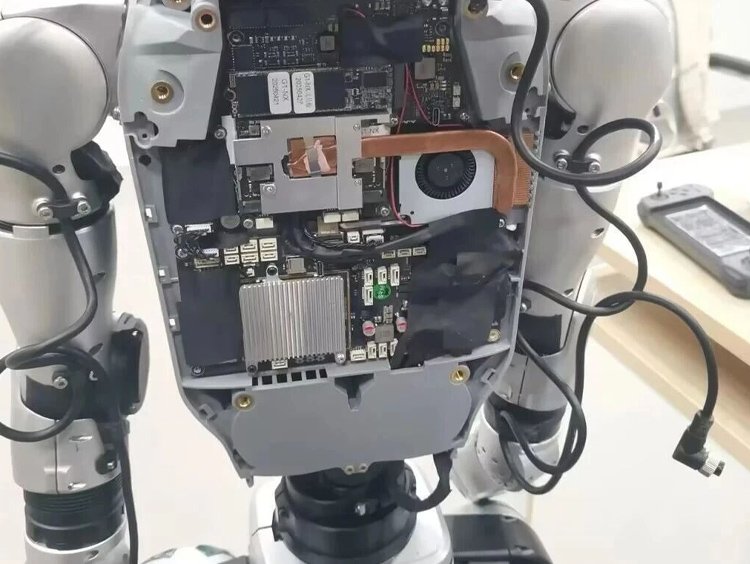
The torso of a humanoid robot contains motors, transmission parts, wiring, sensors, and control systems. The structure needs to stay light, quiet, stable, and protected. Silicone foam is often used as a filling and cushioning material inside the body.
High-density silicone foam pads and silicone foam strips can be placed in body cavities, joint gaps, and motor mounting areas. Compared with common sponge or rubber foam, silicone foam offers better resistance to high and low temperatures, aging, compression set, and long-term deformation.
Its main value can be seen in three areas.
First, it reduces vibration and noise. It absorbs vibration from motors and moving limbs, which helps reduce body resonance and unwanted sound.
Second, it fills gaps and supports positioning. It can hold wiring and small precision parts in place, reducing looseness, rubbing, and wear during movement.
Third, it provides lightweight cushioning. Silicone foam is lighter than many rigid filling materials. It does not add much load to the robot, but it still helps absorb external impact and protect internal hardware.
Main Control Board: Thermal Silicone Pads
Humanoid robots rely on AI models, control boards, computing chips, and driver modules. These systems run at high speed and generate heat. Heat is one of the main causes of electronic failure, unstable operation, and reduced computing performance.
Thermal silicone rubber pads, thermal silicone grease, and other silicone thermal interface materials help protect the robot’s computing system.
These materials are placed between AI boards, chips, and heat sinks. They replace air gaps with a stable thermal transfer path. They help move heat away from chips quickly, reducing the risk of lag, shutdown, component damage, or thermal throttling.
Thermal silicone materials also provide electrical insulation and vibration cushioning. They help protect circuits from interference and absorb vibration caused by robot movement.
Because thermal silicone is aging-resistant, non-curing, and low-volatility, it is suitable for robots that need long operating hours and stable performance.
Appearance: Liquid Silicone Rubber Skin
For natural human-robot interaction, a humanoid robot needs more than an intelligent brain. It also needs a human-like appearance and a soft touch.
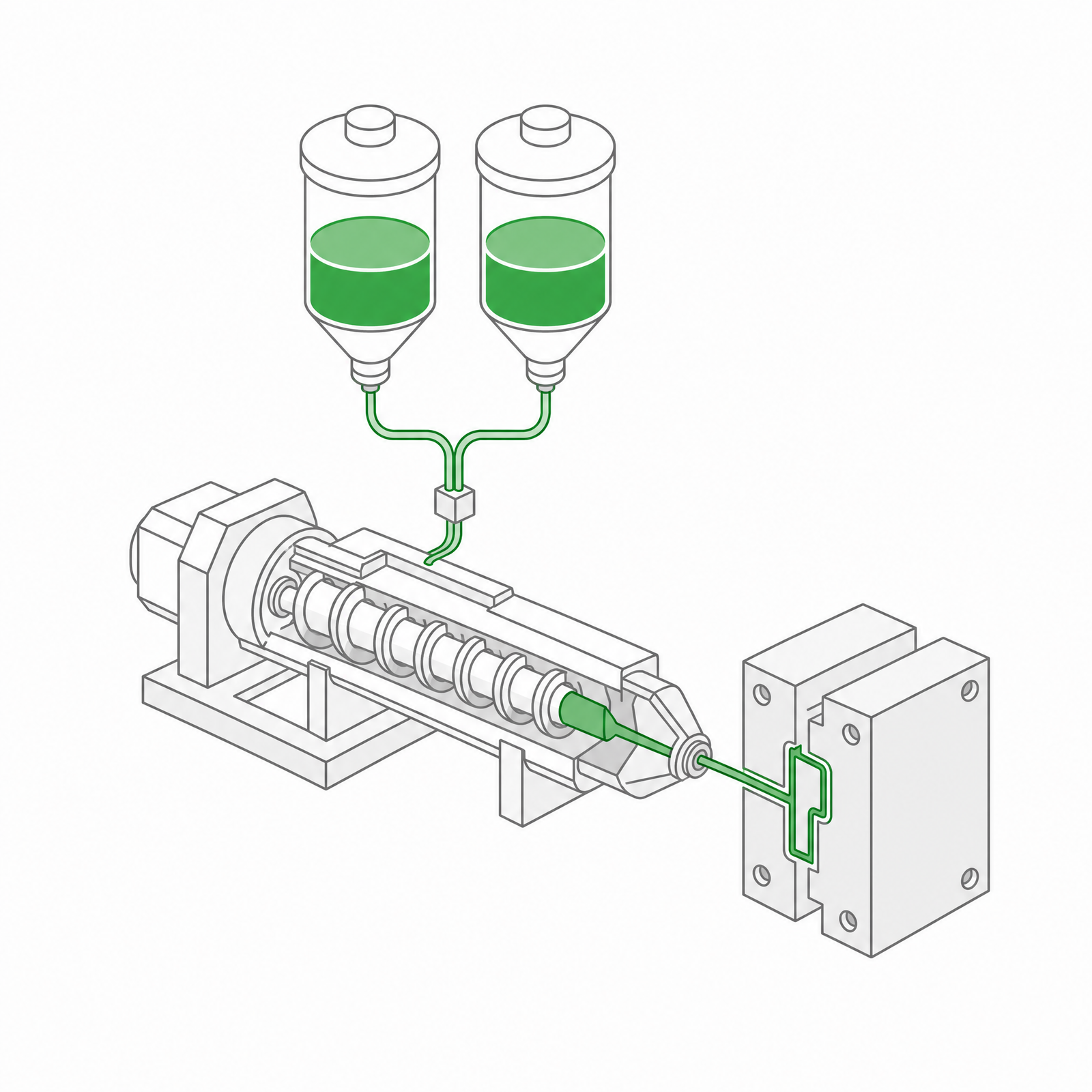
LSR can be molded into flexible skin for a humanoid robot’s face or body. The mold reproduces the desired surface grain, while the compound’s softness allows the skin to move over the structure beneath it.
LSR robot skin is also practical. It can stretch and bend with large joint movements without cracking or whitening. It is non-toxic, easy to clean, resistant to yellowing, and suitable for long-term exposure in indoor or semi-outdoor environments.
LSR also supports light transmission and integrated design. It can be used around facial expression lighting, hidden sensors, and soft coverings. This helps make facial expressions and body movement more natural.
Limbs: Silicone Cushioning Pads
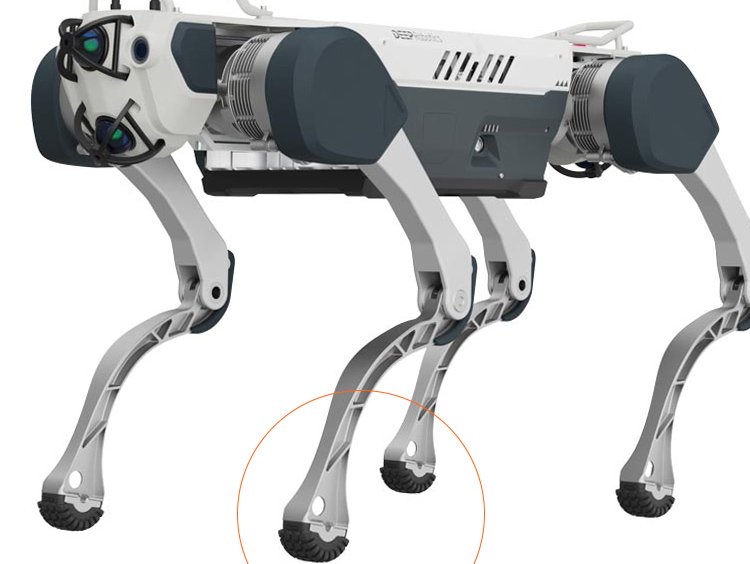
Humanoid robots need to walk, turn, climb, stand, and stay balanced. The feet and limb joints need anti-slip, shock-absorbing, and wear-resistant parts. Silicone foot pads, silicone cushioning pads, and silicone joint blocks are common solutions.
Robot foot pads are often made from wear-resistant silicone rubber with a high friction coefficient. Their main functions are anti-slip support, shock absorption, wear resistance, and noise reduction.
During walking, silicone pads reduce landing impact, body vibration, and footstep noise. They can work on wood floors, tiles, concrete, and other surfaces. They also help reduce slipping and falling. When the robot stands still, silicone foot pads increase friction and improve stability.
Custom silicone rubber cushioning pads can also be made through silicone rubber compression molding for knees, hips, elbows, and other moving joints. They fill motion gaps, reduce direct metal-to-metal friction, lower wear, and make movement smoother and quieter.
Wiring And Sleeves: Silicone Rubber Tubing
Humanoid robot joints contain many moving wires and flexible circuits. These parts bend and twist repeatedly. Ordinary cable jackets can wear, crack, or break under long-term movement.
Flexible silicone rubber tubing, silicone sleeves, and silicone overmolded protective layers are often used to protect FPCs, moving cables, and joint wiring.
Thin silicone coatings and custom silicone rubber sleeves allow wires to bend freely without limiting joint movement. At the same time, they provide abrasion resistance, insulation, pull resistance, and aging resistance.
Silicone extrusion is often used for continuous sleeves, tubes, and protective profiles. This helps solve common problems such as broken joint wiring, short circuits, and cable wear in high-frequency robotic motion.
Conclusion
Silicone rubber is not only a soft material used on the outside of a robot. It supports many key functions inside and outside the system.
Conductive silicone helps with tactile sensing. LSR artificial skin improves human-like interaction. Thermal silicone pads protect computing power. Silicone foam supports cushioning and structural stability. Silicone seals, foot pads, and protective sleeves improve waterproofing, durability, and long-term reliability.
From sensing and computing to motion, protection, and interaction, silicone rubber has become an important material platform for humanoid robots.
 LSR Injection Molding
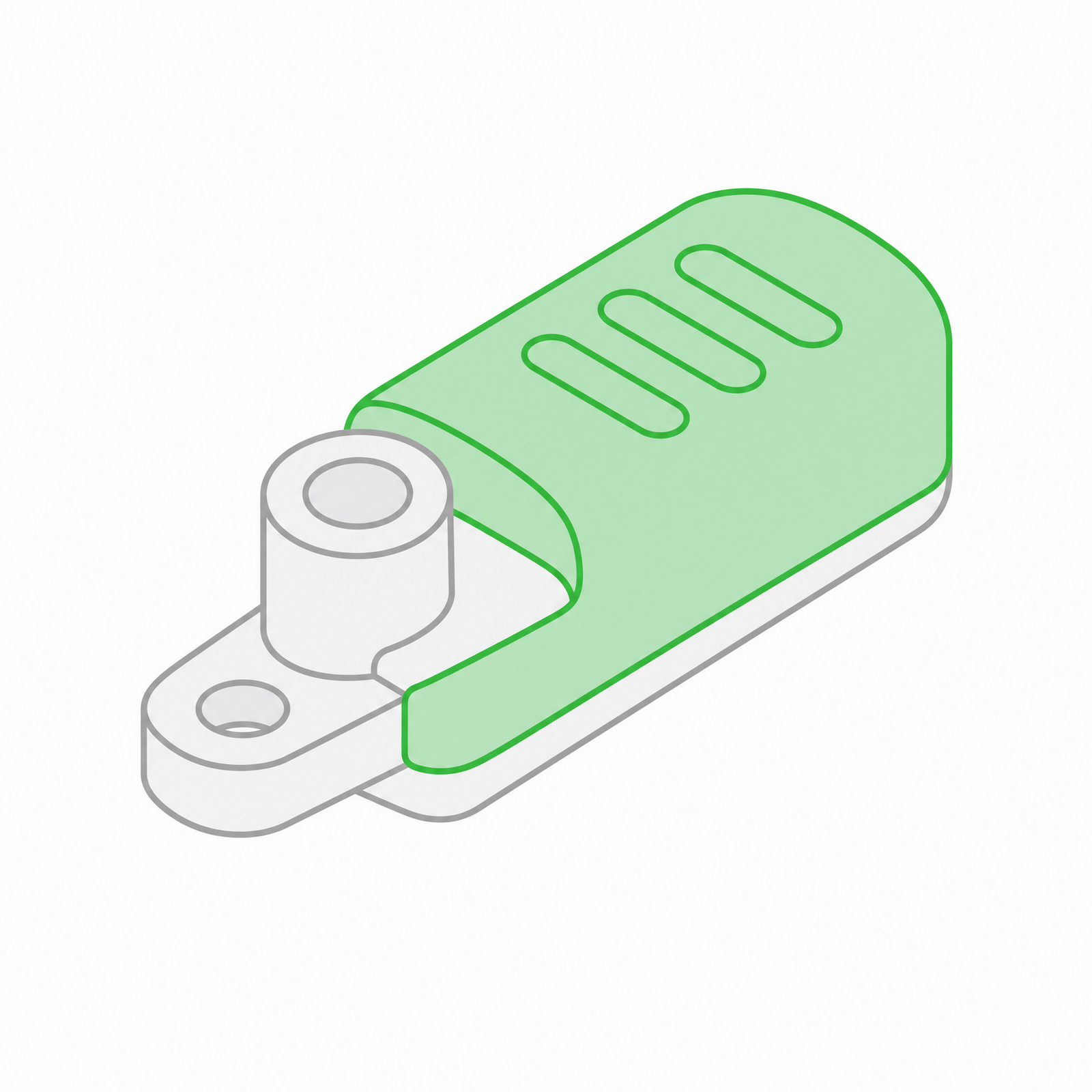 Silicone Rubber Overmolding
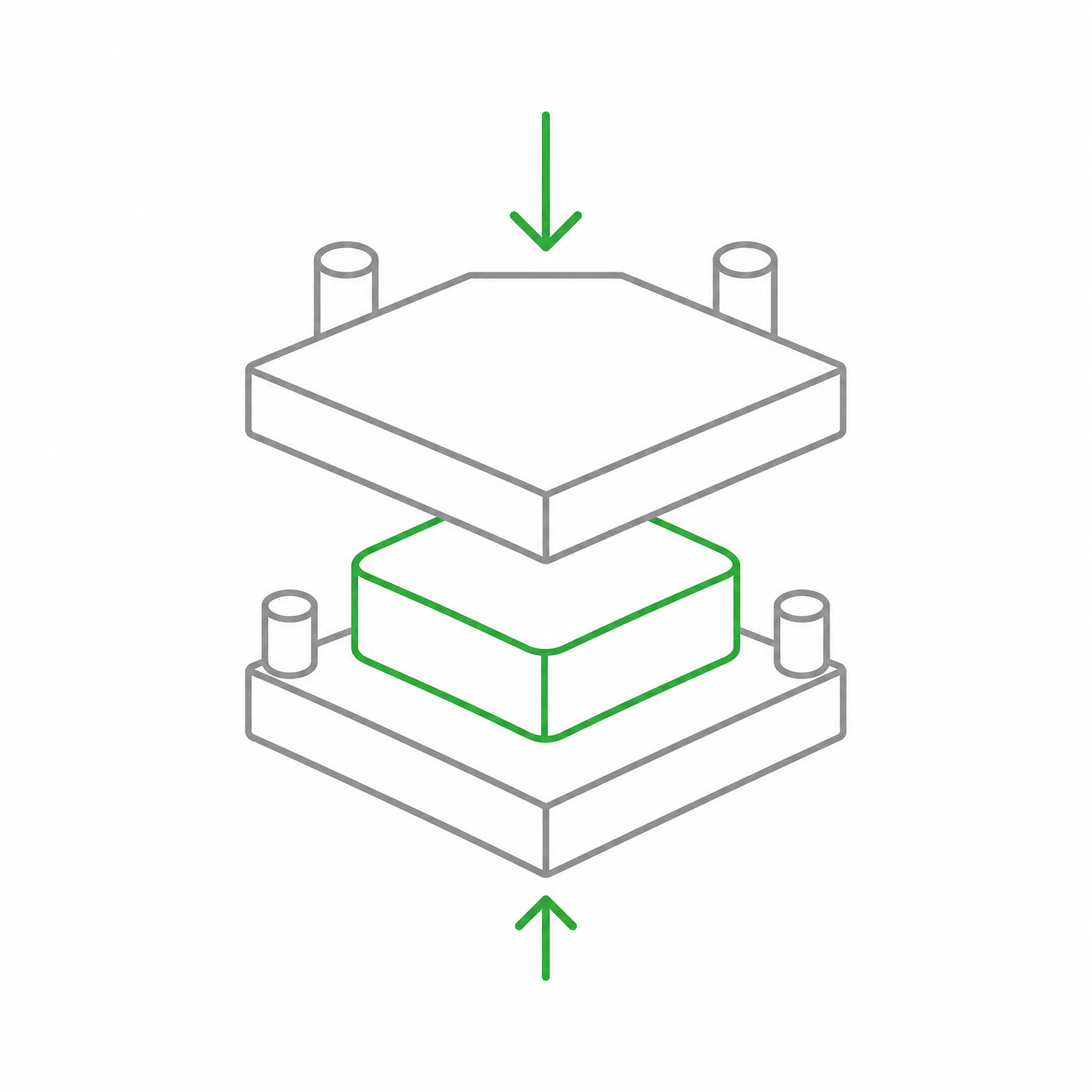 Compression Molding
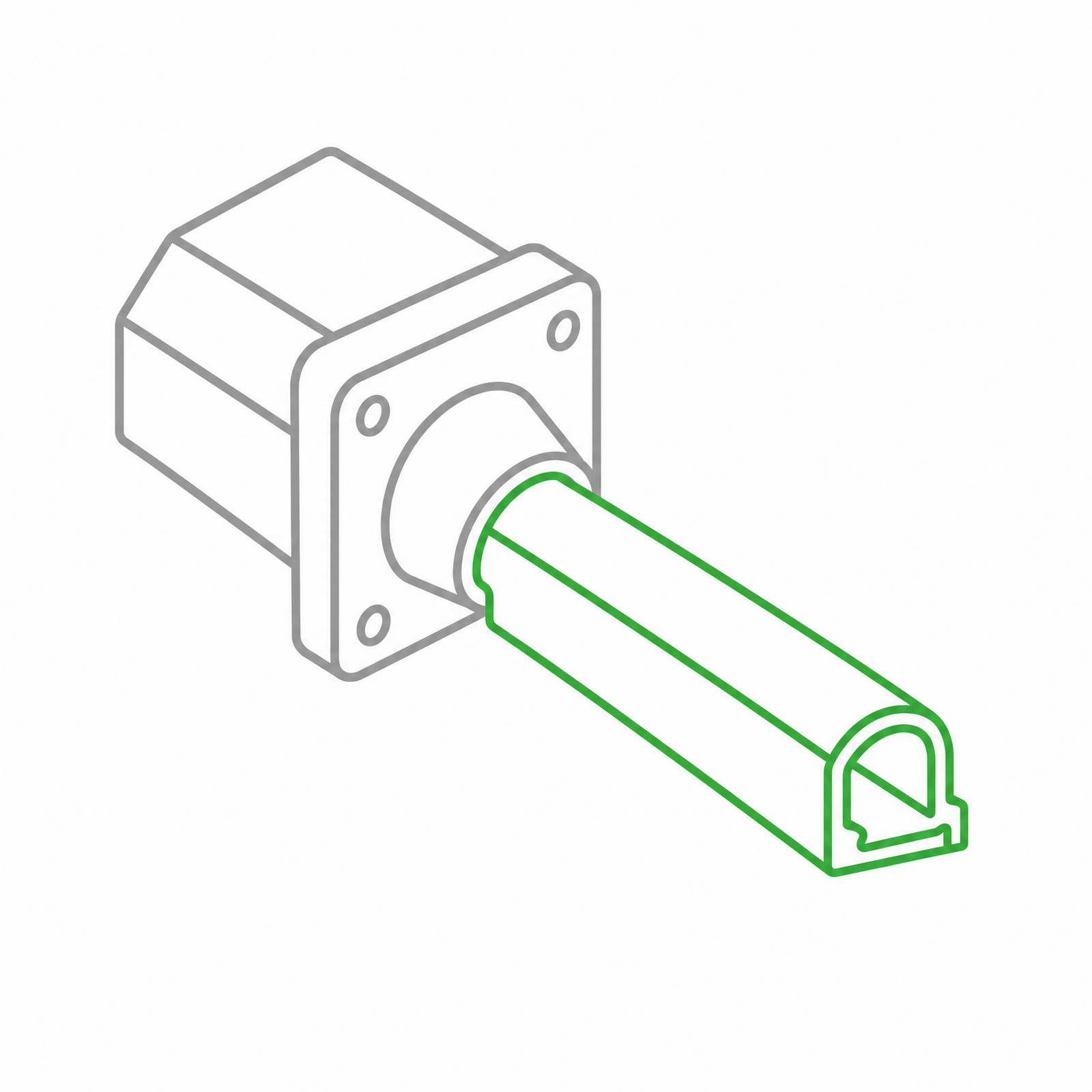 Silicone Rubber Extrusion
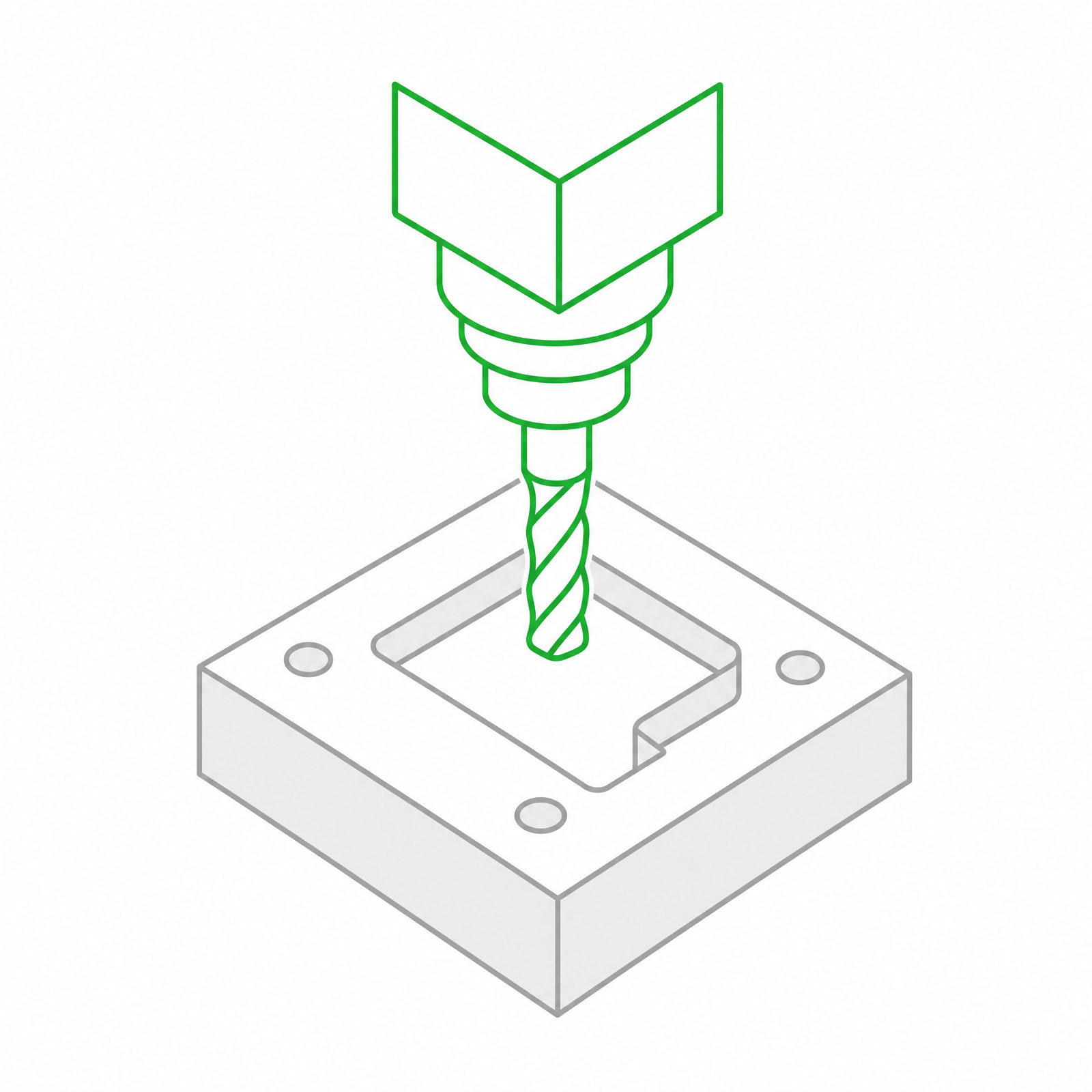 In-house Tooling