
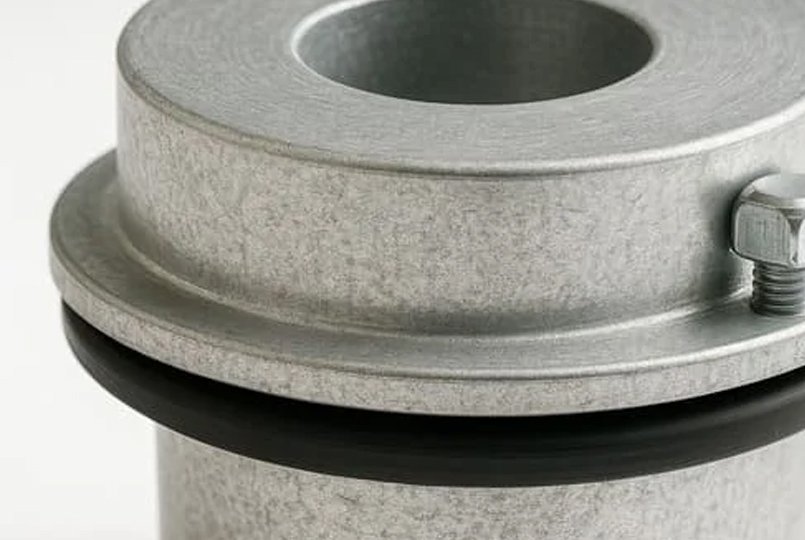
Seals are used wherever two components must prevent liquids, gases, dust, or other media from passing through an interface.
Although sealing systems can take many different forms, most can be divided into two basic categories: static seals and dynamic seals.
The difference is simple.
A static seal works between surfaces that remain stationary relative to each other. A dynamic seal works where one sealing surface moves relative to another.
That difference changes almost everything about the seal design.
Static seals mainly depend on compression, contact pressure, and material deformation. Dynamic seals must provide sealing while also dealing with friction, wear, heat generation, lubrication, and repeated movement.
Understanding this difference is important when selecting gaskets, custom O-rings, packing, mechanical seals, and other sealing components.
What Is a Static Seal?
A static seal is a seal between two surfaces that do not move relative to each other during normal operation.
Typical examples include:
- Housing covers
- Valve body and bonnet joints
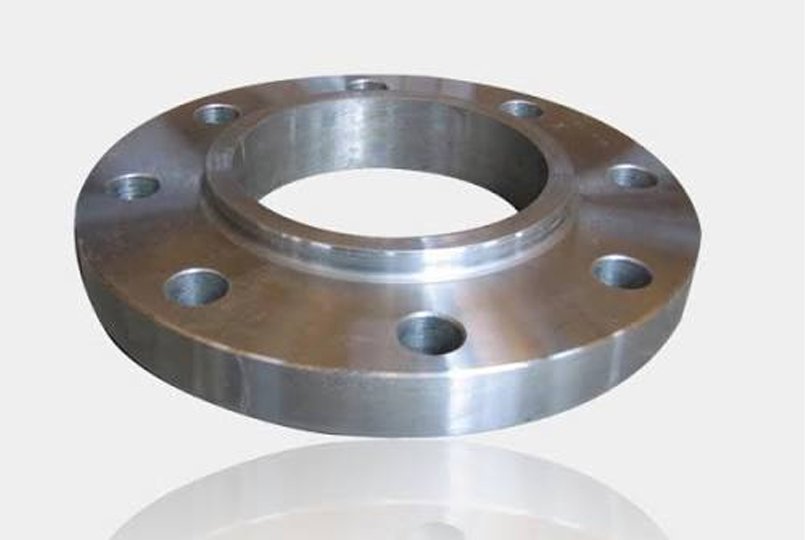
- Flange connections
- Pipe connections
- Connector interfaces
- Equipment enclosures
- Fixed covers and plates
The seal is normally compressed between the mating surfaces during assembly.
This compression causes the sealing material to deform and conform to small surface irregularities. The resulting contact pressure blocks potential leakage paths.
For this reason, static sealing performance is strongly affected by:
- Seal material
- Compression
- Clamp or bolt load
- Surface finish
- Groove geometry
- Operating pressure
- Temperature
- Chemical compatibility
- Compression set
Static seals generally experience less wear than dynamic seals because there is little or no sliding motion at the sealing interface.
However, that does not mean static seal design is simple. Thermal cycling, pressure changes, vibration, material aging, and loss of preload can still cause leakage over time.
Types of Static Seals
Gasket Seals
Gaskets are one of the most common types of static seals.
A gasket is placed between two mating surfaces and compressed during assembly. The gasket deforms to fill small gaps, machining marks, and surface irregularities.
Gasket materials and structures vary widely.
Non-Metallic Gaskets
Non-metallic gaskets can be made from materials such as:
- Silicone rubber
- NBR
- FKM
- Graphite
- PTFE
- Other elastomer or fiber-based materials
These materials are commonly used when flexibility and conformability are important.
Rubber gaskets are particularly useful when the mating surfaces require a soft material that can compensate for dimensional variation while maintaining sealing pressure. Depending on geometry, material, and production volume, molded silicone rubber gaskets can be produced through silicone rubber compression molding or LSR injection molding.

Metal Gaskets
Metal gaskets are used where temperature, pressure, or chemical conditions exceed the practical limits of many elastomer materials.
Common forms include:
- Flat metal gaskets
- Serrated metal gaskets
- Ring-type joints
- Octagonal ring gaskets
- Oval ring gaskets
Because metals are much less flexible than elastomers, sealing surfaces and assembly loads usually require tighter control.
Composite Gaskets
Composite gaskets combine metallic and non-metallic materials. A common example is a spiral wound gasket that uses alternating layers of metal strip and soft sealing material.
This type of construction combines mechanical strength with enough compliance to maintain sealing contact.
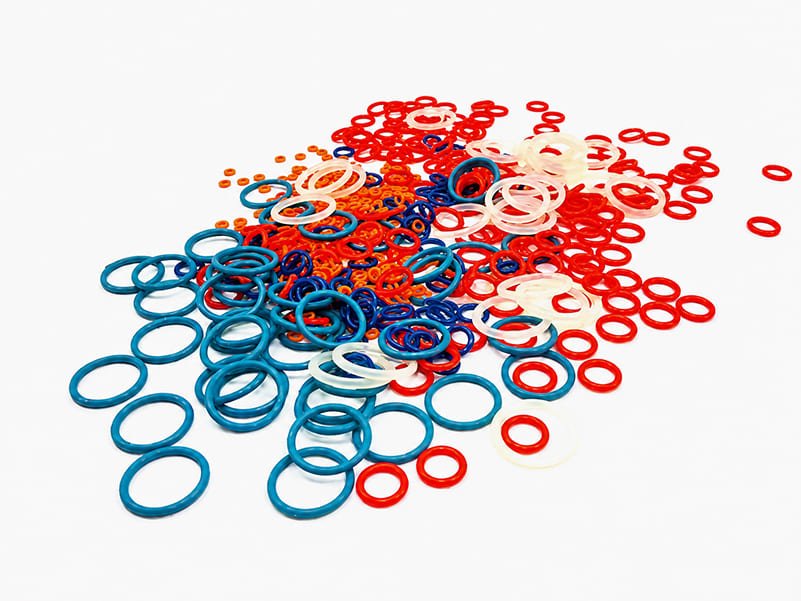
O-Ring Static Seals
O-rings are another widely used static sealing solution.
An O-ring is an elastomeric ring with a circular cross-section. It is installed in a groove and compressed between two mating surfaces.
The initial compression creates sealing contact. When system pressure increases, the elastomer can deform further against the sealing surfaces.
O-rings are popular because they offer:
- Simple geometry
- Compact installation
- Low part cost
- Easy assembly
- Good sealing performance
- Wide material availability
Material selection depends on the operating environment.
For example, NBR is commonly considered where oil resistance is needed, while FKM can be selected for higher temperatures and more demanding chemical exposure. Silicone is often useful where a broad temperature range, flexibility, or specific regulatory requirements are important.
A custom O-ring may be needed when a standard size or compound does not suit the joint. Develop it around the groove and pressure first, then confirm material compatibility with the working fluid and temperature.
The groove and compression must also be designed correctly. Excessive compression can increase assembly stress and contribute to permanent deformation, while insufficient compression may not generate enough sealing contact.
Liquid Gasket and Sealant
Liquid sealants can be applied between fixed mating surfaces before assembly.
The liquid flows into gaps and surface irregularities and then cures or sets to form a sealing layer.
This approach can be useful when:
- The sealing surface has a complex shape
- A conventional gasket is difficult to install
- Small machining variations need to be filled
- The joint is not frequently disassembled
Sealants are commonly used on equipment housings, covers, cast components, threaded joints, and other static interfaces.
The sealant must adhere to the prepared surfaces and cure correctly within the joint gap. Its performance then needs to be checked at the working pressure and temperature with the actual contact fluid.
Metal-to-Metal Seals
Some severe applications use direct metal-to-metal sealing. Instead of placing an elastomer or gasket between the two components, precisely machined metal surfaces are forced into close contact.
This type of sealing can be used in:
- High-pressure systems
- High-temperature equipment
- Aggressive chemical environments
- Severe industrial service
Metal sealing surfaces normally require high machining accuracy, controlled surface finish, and sufficient assembly load. They can provide excellent temperature and pressure resistance, but manufacturing costs and assembly requirements are generally higher than those of elastomeric sealing systems.
What Is a Dynamic Seal?
A dynamic seal operates between components that move relative to each other.
The motion may be:
- Reciprocating
- Rotating
- Oscillating
- Axial
- Radial
Typical applications include:
- Valve stems
- Rotating shafts
- Hydraulic cylinders
- Pneumatic cylinders
- Pumps
- Motors
- Actuators
- Rotating equipment
The challenge is different from static sealing.
A dynamic seal must prevent leakage while still allowing the component to move.
Too much contact pressure may improve sealing but create excessive friction and wear. Too little contact pressure reduces friction but may allow leakage.
A successful dynamic sealing system therefore needs to balance sealing performance, friction, wear, movement, and service life.
This is one of the fundamental differences between static and dynamic seals.
Types of Dynamic Seals
Packing Seals
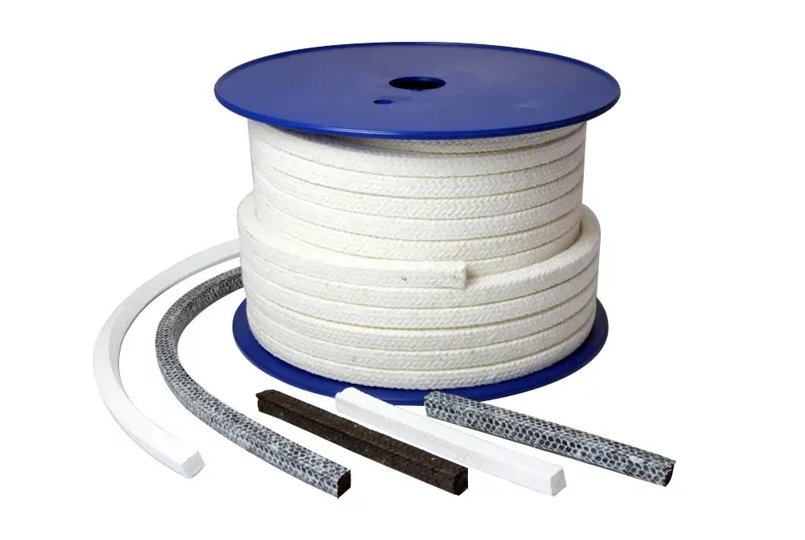
Packing is a traditional method for sealing moving valve stems and rotating shafts.
Packing material is installed inside a stuffing box around the shaft or stem. A gland compresses the packing, causing it to expand radially and maintain contact with the moving surface.
Common packing materials include:
- Graphite
- PTFE
- Braided fiber materials
- Composite packing
- Metal-reinforced packing
Packing seals are widely used because they are relatively simple and can often be adjusted during service by changing gland compression.
However, the contact between the packing and moving surface also creates friction.
Over time, wear can reduce sealing performance, which is why packing systems often require inspection and maintenance.
Mechanical Seals
Mechanical seals are widely used around rotating shafts.
A typical design uses two precision sealing faces:
- One face moves with the shaft
- One face remains stationary
Springs or bellows maintain contact between the sealing surfaces.
Secondary seals, such as O-rings, can also be used between the mechanical seal components and the shaft or housing.
Mechanical seals can provide very low leakage and are commonly used where packing friction or leakage would be unacceptable.
They are widely found in:
- Pumps
- Compressors
- Rotating process equipment
- High-speed shafts
- Industrial fluid systems
Compared with simple packing, mechanical seals usually require more precise components, installation, alignment, and maintenance.
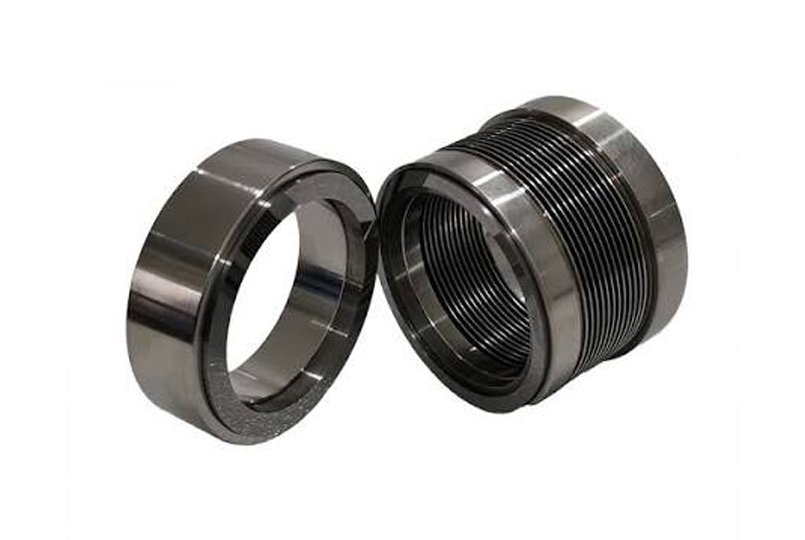
Bellows Seals
Bellows seals use a flexible bellows element to accommodate movement while maintaining separation between the process medium and the external environment.
In valve applications, one end of the bellows can be connected to the valve stem while the other is attached to the valve body.
As the stem moves, the bellows expands and contracts. Because the movement is accommodated by deformation of the bellows rather than sliding contact between conventional sealing surfaces, this design can provide very reliable containment.
Bellows seals are often considered for media that are:
- Toxic
- Corrosive
- Flammable
- Hazardous
- Sensitive to external contamination
The main limitations are usually movement range, fatigue life, design complexity, and cost.
Labyrinth Seals
A labyrinth seal controls leakage by forcing fluid or gas through a long and complex path.
Instead of maintaining direct rubbing contact with the shaft, a series of grooves and narrow clearances creates repeated pressure drops and turbulence.
This makes labyrinth seals useful for high-speed rotating equipment because friction can be very low.
However, labyrinth seals normally reduce leakage rather than creating an absolute barrier.
Performance depends strongly on the clearance between the rotating and stationary components.
For applications requiring tighter leakage control, labyrinth seals may be combined with other sealing methods.
Ferrofluidic Seals
Ferrofluidic seals use a magnetic fluid held in place by a magnetic field.
The magnetic fluid forms a series of liquid sealing rings around a rotating shaft.
Because the seal is liquid, the shaft can rotate with very low mechanical contact.
This technology is particularly useful in specialized environments such as:
- Vacuum systems
- Precision equipment
- Semiconductor equipment
- Clean processing systems
- Specialized rotating machinery
Ferrofluidic seals can achieve excellent sealing performance, but their application is limited by temperature, fluid compatibility, magnetic system design, and cost.
Static Seals vs. Dynamic Seals
The main difference is whether relative movement occurs at the sealing interface.
| Factor | Static Seal | Dynamic Seal |
|---|---|---|
| Relative movement | None or negligible | Continuous or intermittent movement |
| Sealing principle | Compression and deformation | Contact pressure while allowing movement |
| Friction | Usually low | Important design factor |
| Wear | Relatively limited | Continuous concern |
| Heat generation | Normally limited | Can increase with speed and friction |
| Typical components | Gaskets, static O-rings, sealants | Packing, dynamic O-rings, mechanical seals |
| Design | Compression and contact pressure | Leakage, friction, lubrication and wear |
| Maintenance | Usually lower | Often higher |
An O-ring is a good example of why seal geometry alone does not determine whether a seal is static or dynamic.
The same basic O-ring shape can be used as a static seal between two fixed components or as a dynamic seal around a moving piston or shaft.
The application determines the sealing condition.
Why Dynamic Seals Are More Difficult to Design
Static seals can often maintain continuous contact with little mechanical disturbance after assembly.
Dynamic seals cannot. Every movement can affect the sealing interface.
Friction
Contact between the seal and moving surface creates resistance.
Excessive friction can:
- Increase actuation force
- Generate heat
- Accelerate seal wear
- Damage the shaft or rod surface
- Cause stick-slip behavior
Wear
Dynamic sealing surfaces repeatedly slide against each other.
Seal material, surface roughness, lubrication, pressure, and speed therefore have a direct effect on service life.
Heat
Higher operating speed generally means more frictional heat.
Excessive heat can soften, harden, or degrade elastomer materials and lubricants.
Surface Finish
A dynamic seal normally has much greater sensitivity to the surface it runs against.
A surface that is too rough may abrade the seal.
A surface that is too smooth may also affect lubrication retention in some systems.
Lubrication
Lubrication can reduce friction and wear, but not every application allows lubricants.
Medical, food-contact, vacuum, semiconductor, and clean-process equipment may require specific lubricant systems or dry-running designs.
For this reason, dynamic seal design should always consider the complete tribological system rather than only the seal itself.
How to Choose Between Sealing Systems
Choosing the right sealing method starts with the application rather than the seal material.
Several factors should be reviewed together.
Media Compatibility
The sealing material must be compatible with the fluid or gas it contacts.
Important questions include:
- Is the medium corrosive?
- Does it contain oils or fuels?
- Is it an oxidizing chemical?
- Is the medium a gas or liquid?
- Does it contain abrasive particles?
- Is contamination acceptable?
- Is the medium hazardous?
A material that performs well mechanically may still fail quickly if it swells, hardens, cracks, or dissolves after chemical exposure.
Pressure
System pressure affects both seal geometry and material selection.
Higher pressure increases the force acting on the seal and can push soft materials into gaps between components.
Seal extrusion, gland geometry, clearance, material hardness, and backup structures may therefore become increasingly important as pressure rises.
Temperature
Temperature influences almost every sealing material.
At high temperatures, elastomers may lose mechanical properties, harden, or experience accelerated compression set.
At very low temperatures, some materials become less flexible and may no longer maintain reliable contact with the sealing surface.
The operating temperature should therefore be reviewed together with the actual medium and pressure rather than as an isolated specification.
Motion
For a dynamic seal, the type and speed of movement are critical.
A slowly reciprocating valve stem and a high-speed rotating shaft place very different demands on a seal.
Important parameters include:
- Linear speed
- Rotational speed
- Stroke length
- Frequency
- Direction changes
- Start-stop cycles
Higher movement speed generally increases the importance of friction, wear, lubrication, and thermal management.
Leakage Requirement
Not every application has the same acceptable leakage rate.
A general industrial water system may tolerate a sealing approach that would be unacceptable for:
- Hazardous chemicals
- Vacuum equipment
- Medical devices
- Semiconductor systems
- Fuel systems
- Sensitive gases
For medical applications, the seal may also need to be reviewed together with material documentation, cleanliness, manufacturing controls, and the final device environment.
The leakage requirement should be defined early because it strongly influences seal type, material, manufacturing tolerance, and cost.
Service Life and Maintenance
The lowest-cost seal is not always the lowest-cost sealing solution.
A simple packing seal may be economical in equipment where maintenance is easy.
A more expensive sealing system may make more sense where the equipment is difficult to access or where downtime is costly.
Consider:
- Expected operating life
- Maintenance intervals
- Replacement difficulty
- Equipment downtime
- Safety consequences of leakage
Cost and Manufacturing Complexity
Seal performance should always be balanced against manufacturing and maintenance cost.
For many simple static applications, a molded rubber gasket or O-ring may be sufficient.
A highly engineered metal or mechanical sealing system should normally be used only when operating conditions justify the added complexity.
The objective is not to select the most advanced seal.
It is to select the simplest sealing system that reliably meets the application requirements.
Choosing Seal Materials
Seal design and material selection should be considered together.
Silicone Rubber
Silicone offers flexibility across a broad temperature range and can be molded into complex gasket and seal geometries.
It is commonly considered for applications involving:
- Temperature cycling
- Electrical equipment
- Medical devices
- Consumer products
- Industrial equipment
- Soft sealing interfaces
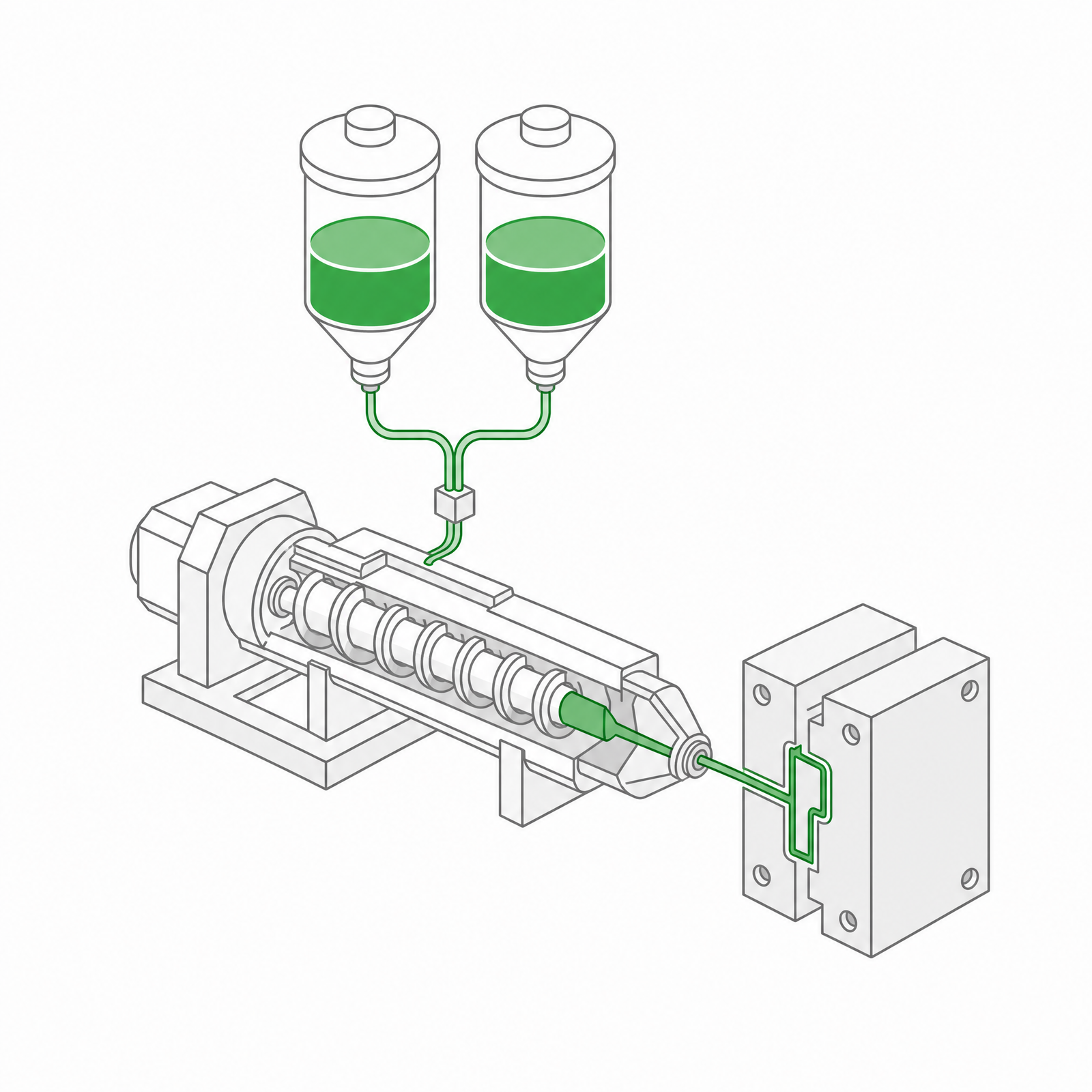
Liquid silicone rubber, or LSR, is particularly useful when a design requires small features, integrated sealing lips, complex geometry, or high-volume molding.
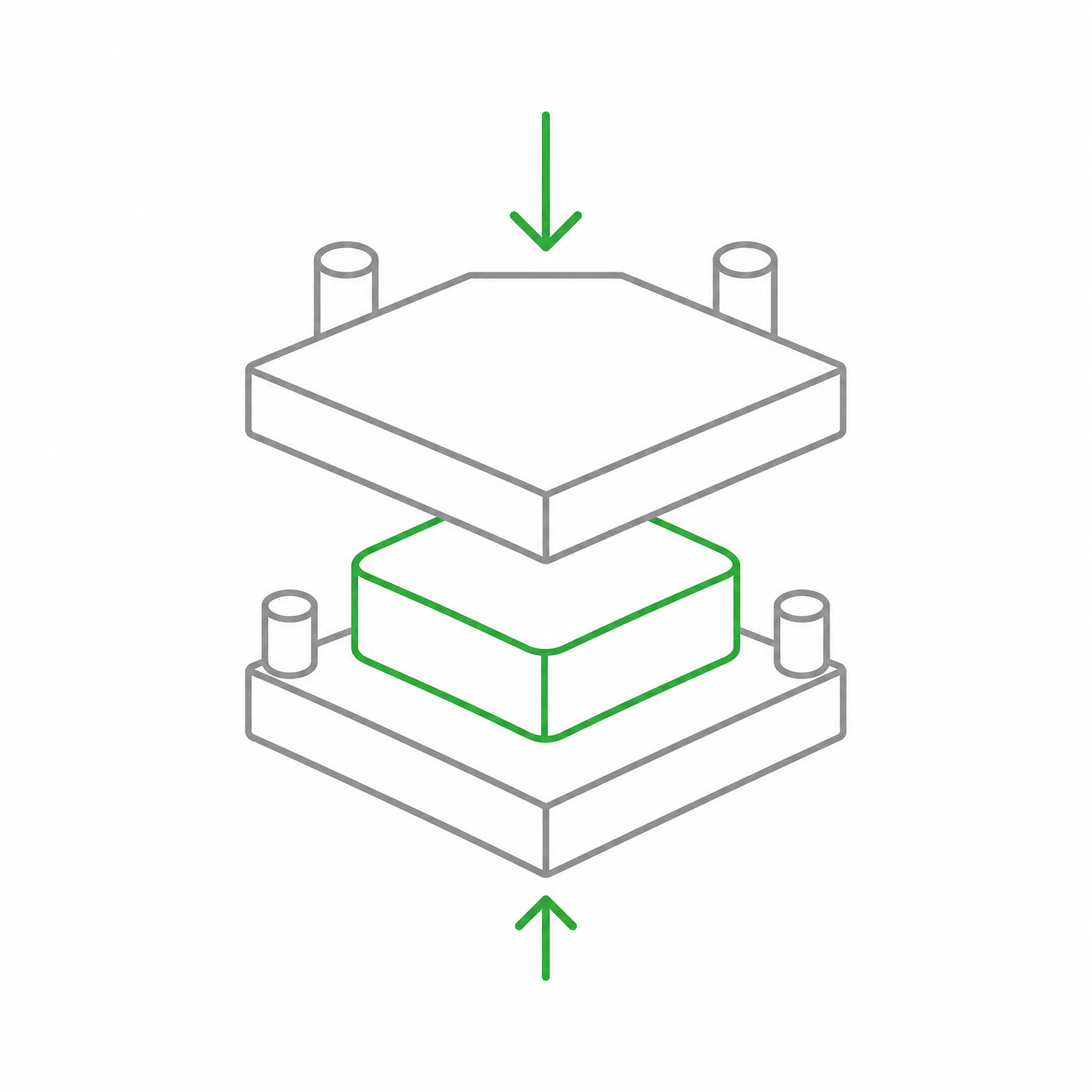
For precision molded silicone rubber seals, LSR injection molding can produce complex three-dimensional features and repeatable sealing geometry in an automated process. Solid silicone rubber and other rubber compounds can also be manufactured through compression molding when geometry, material behavior, production volume, and tooling economics make it the more practical route.
NBR
NBR is commonly selected where oils, fuels, and hydrocarbon-based fluids are present.
Typical applications include:
- Hydraulic systems
- Pneumatic equipment
- Automotive systems
- Industrial machinery
Its suitability still depends on temperature and the exact chemical environment.
FKM
FKM is used when higher temperature resistance and stronger chemical resistance are required.
It is commonly found in demanding automotive, industrial, chemical, and fluid-handling applications.
Automotive seals must retain contact despite temperature changes and vibration. Check the compound against the fluids it will encounter, then verify that the production process reproduces the approved seal consistently.
PTFE
PTFE provides excellent chemical resistance and low friction.
These characteristics make it useful in both static and dynamic sealing systems, particularly where aggressive chemicals or low-friction movement are important.
However, PTFE behaves differently from elastomeric rubber and requires appropriate seal and gland design.
Graphite and Metal
Graphite and metallic sealing materials are commonly considered when temperatures or pressures exceed the practical operating limits of many elastomers.
They are especially common in valves, piping, process equipment, and high-temperature industrial systems.
How Manufacturing Process Affects Seal Design
Material selection is only part of developing a custom seal. The production process also determines which geometries, tolerances, surface details, and production volumes are practical.
LSR injection molding is well suited to high-volume silicone rubber seals with complex geometry, thin features, and repeatable dimensions.
Compression molding is widely used for silicone and other rubber seals where compound choice, part geometry, tooling cost, or production volume makes it a better fit.
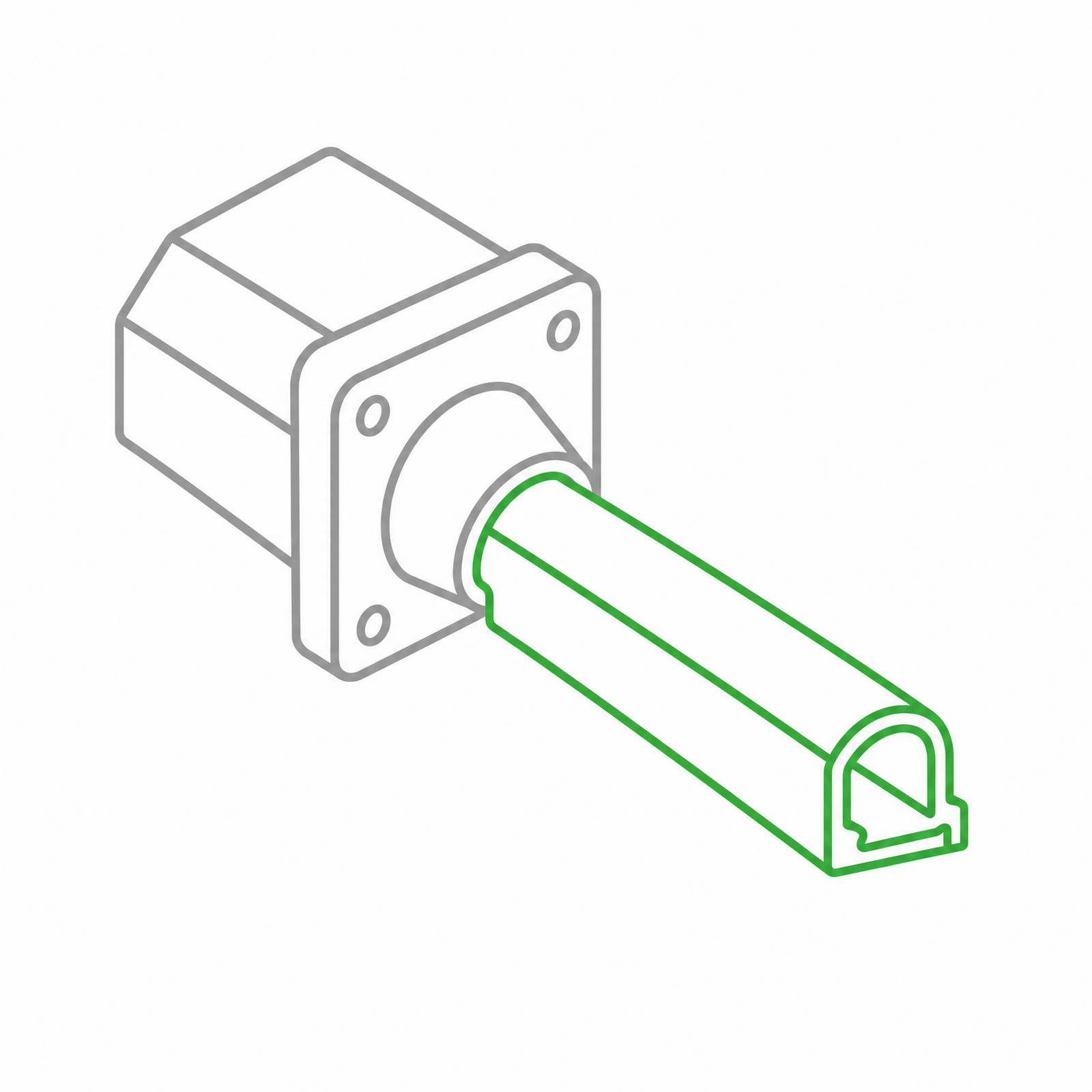
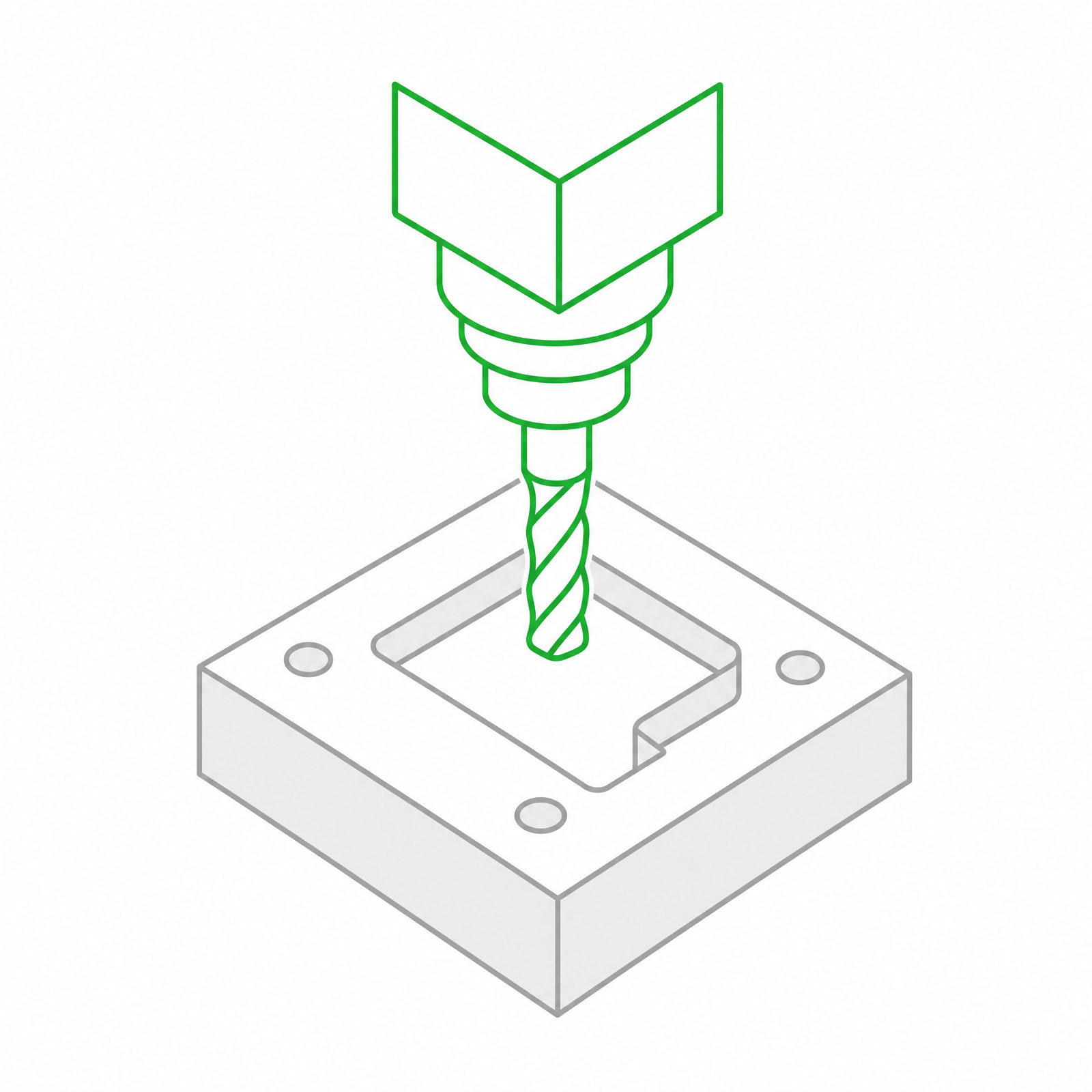
Extruded seals are more suitable for continuous cross-sections such as cords, tubing, channel seals, and long sealing profiles. Tool design is also important. Parting lines, flash locations, venting, gland geometry, sealing lips, and dimensional tolerances should be reviewed before production tooling is released. For molded sealing parts with demanding features, silicone mold tooling should therefore be considered as part of the seal development process rather than as a separate manufacturing step.
After molding or extrusion, the part may need trimming or post-curing before it is ready for assembly. Define any bonding and functional tests as part of that finishing route.
Static and Dynamic Sealing in the Same Product
Many products use both types of seals at the same time.
A valve is a good example.
The connection between the valve body and bonnet may use a static gasket because the two components remain fixed after assembly.
At the same time, the valve stem moves during opening and closing, so the stem requires a dynamic sealing system, such as packing or a bellows seal.
The same principle applies to pumps, actuators, cylinders, motors, connectors, and many other mechanical assemblies.
One product may therefore contain several sealing technologies, each designed around a different interface.
Considerations Before Selecting a Seal
Before choosing a sealing material or design, define the operating conditions as clearly as possible.
Ask:
- Are the mating components stationary or moving?
- What is the direction and speed of movement?
- What fluid or gas will contact the seal?
- What are the minimum and maximum temperatures?
- What pressure must the seal withstand?
- How much leakage is acceptable?
- Is lubrication available?
- What is the mating surface material and finish?
- How much installation space is available?
- How often will the equipment cycle?
- What service life is required?
- Can the seal be serviced or replaced easily?
- Are regulatory or cleanliness requirements involved?
- What production volume is expected?
- Does the seal require a standard size or custom geometry?
These questions usually narrow the range of suitable sealing systems much faster than starting with material alone.
For a custom molded sealing component, these conditions should be reviewed before selecting the final material and manufacturing process.
Conclusion
Static and dynamic seals solve the same basic problem—preventing unwanted leakage—but they operate under very different mechanical conditions.
Static seals work between components with little or no relative movement. Gaskets, static O-rings, sealants, and metal seals are common examples. Their performance mainly depends on compression, contact pressure, surface condition, and long-term material recovery.
Dynamic seals control leakage where components move relative to one another. The design must accommodate that movement without excessive friction or wear. Different systems, such as packing or mechanical seals, manage the contact in different ways.
The correct seal therefore cannot be selected from pressure or material alone.
The complete operating system should be considered:
Media + Temperature + Pressure + Motion + Surface + Leakage Requirement + Service Life
Develop the compound and seal geometry together. The material’s hardness affects compression, while groove dimensions determine how much space it has to deform. Tooling and production controls must keep that relationship consistent.
A well-designed sealing system is not simply one that prevents leakage when new. It should continue to seal reliably throughout the expected operating life of the product.
 LSR Injection Molding
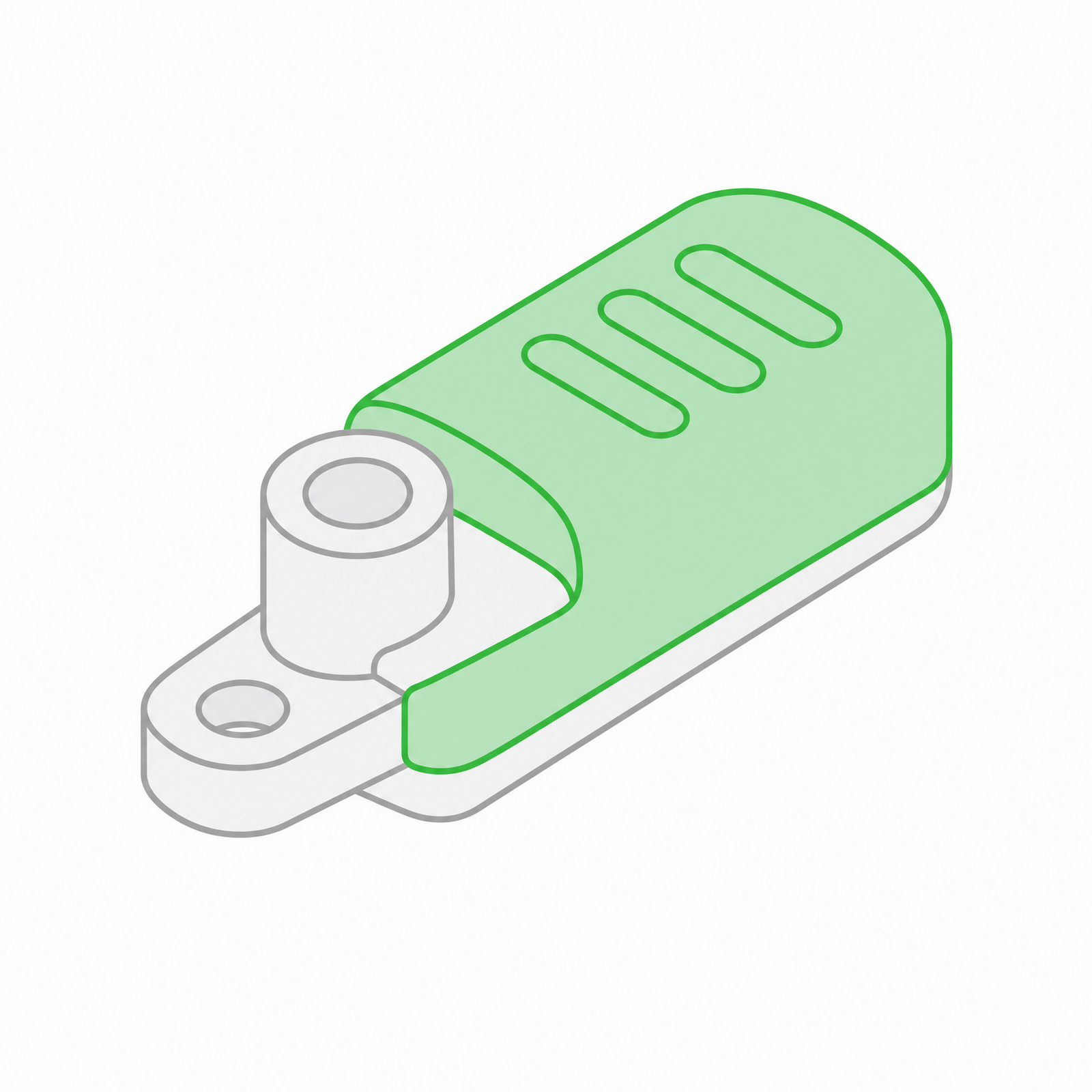 Silicone Rubber Overmolding
 Compression Molding
 Silicone Rubber Extrusion
 In-house Tooling