
What is Liquid Silicone Rubber?
Liquid silicone rubber, often called LSR, is a two-part liquid silicone rubber based on polysiloxane chemistry. It is usually supplied as Part A and Part B. Part A contains the base polymer and platinum catalyst. Part B contains the crosslinker. After the two parts are mixed in the correct ratio, the material cures quickly under heat and forms an elastic silicone rubber part.
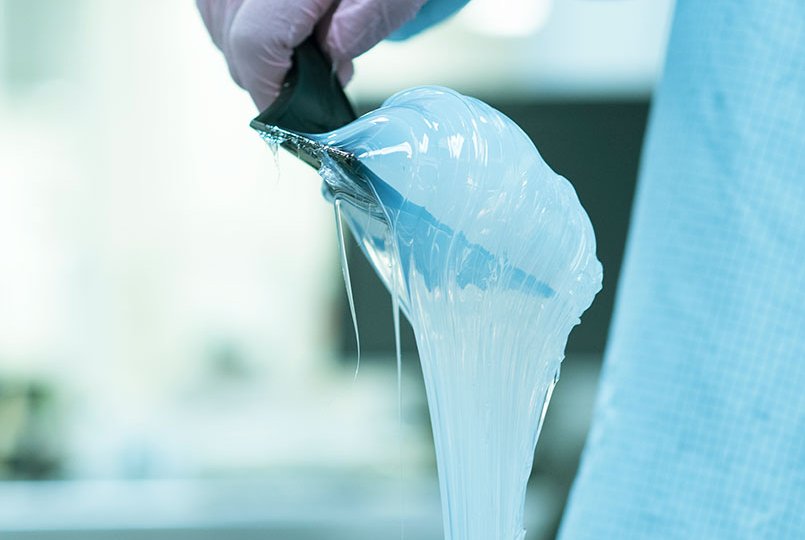
Liquid silicone materials can be classified by their curing chemistry or intended use. Addition-cure and condensation-cure systems behave differently during processing. Suppliers also offer application-specific grades, such as optical LSR or compounds developed for food contact, alongside formulations with special electrical or bonding properties.
LSR remains flexible across a broad temperature range and can be molded into detailed parts. Its liquid form allows automated metering and injection, which helps maintain repeatability in high-volume production. Properties such as transparency or suitability for medical contact depend on the selected grade.
LSR is used where a flexible component must be molded accurately in repeat production. Its applications range from small electronic seals to medical components. The material grade and process need to be selected for the particular use.
Many engineers and buyers still see LSR mainly as an expensive material. In practice, the right LSR grade and process can reduce labor, improve consistency, lower scrap, and support large-scale production. A clear understanding of LSR types, properties, processing methods, and selection rules helps avoid wrong material choices and unnecessary cost.
Types of Liquid Silicone Rubber
Addition-Cure LSR
Addition-cure LSR is also called platinum-cured LSR. It is the mainstream material in the current market and accounts for more than 90 percent of many LSR applications.
It cures through an addition reaction between silicon-hydrogen groups and vinyl groups under platinum catalysis. The curing process does not create by-products.
Addition-cure systems are useful when rapid curing and low odor are important. Transparent or medical-contact applications require a suitable grade, with performance confirmed after processing.
The main advantages are high molding efficiency, good dimensional accuracy, and easier access to food-grade and medical-grade certifications. The main limitation is cost. Platinum-cured LSR can also be affected by sulfur-, nitrogen-, phosphorus-, or tin-containing substances. These substances may poison the catalyst and cause incomplete curing.
Typical applications include medical consumables, baby care products, food-contact parts, and precision electronic components. For deeper material background, see our article on platinum-cured silicone.
Condensation-Cure Liquid Silicone
Condensation-cure liquid silicone is an earlier type of liquid silicone material. Its use has gradually decreased in high-end applications.
It usually uses organotin catalysts. Crosslinking occurs through dealcoholization or dehydrogenation reactions, and the process produces small-molecule by-products.
This material is lower in cost and less sensitive to catalyst poisoning. It can also cure at room temperature. However, it cures more slowly, has higher shrinkage, may release small volatile molecules, and has weaker biocompatibility. It is generally not suitable for food-grade or medical-grade certification.
Typical applications include potting compounds, mold-making silicone, and general industrial sealing parts where regulatory requirements are lower.
LSR Grades by Application
General Industrial-Grade LSR
General industrial-grade LSR is the basic LSR category for common industrial use. It offers balanced performance, moderate cost, and many hardness options.
Typical hardness ranges from Shore A 0 to Shore A 80. Common applications include industrial seals, O-rings, silicone rubber gaskets, silicone rubber keypads, and vibration-damping pads.
Food-Grade LSR
Food-grade LSR is designed for food-contact safety. It is non-toxic, low odor, heat resistant, and suitable for direct or indirect food contact when the correct certified grade is selected.
Common standards include FDA 21 CFR 177.2600, GB 4806.11, and LFGB. Typical applications include baby bottle nipples, silicone kitchenware, baking molds, food sealing rings, and drinking-water components.
Medical-Grade LSR
Medical-grade LSR is used for products that need strong biocompatibility and high material purity. It is designed to be non-sensitizing, non-irritating, and suitable for sterilization when the correct grade is used.
Common references include ISO 10993, USP Class VI, and medical device registration requirements. Typical applications include medical tubing, respiratory masks, syringe seals, and selected implant-related components.
Functional LSR
Functional LSR uses modified formulations to meet special performance needs.
Conductive LSR contains conductive fillers such as nickel-coated graphite or silver-coated copper. It can be used for EMI shielding, silicone rubber keypads, and electrical contact parts. You can also read our guide to conductive silicone rubber.
Thermally conductive LSR contains fillers such as aluminum oxide or boron nitride. It is used for heat transfer in electronic assemblies where gap filling, compression behavior, and thermal conductivity must be balanced.
Flame-retardant LSR contains flame-retardant additives and can be formulated to meet UL 94 V-0 requirements for electrical and electronic parts.
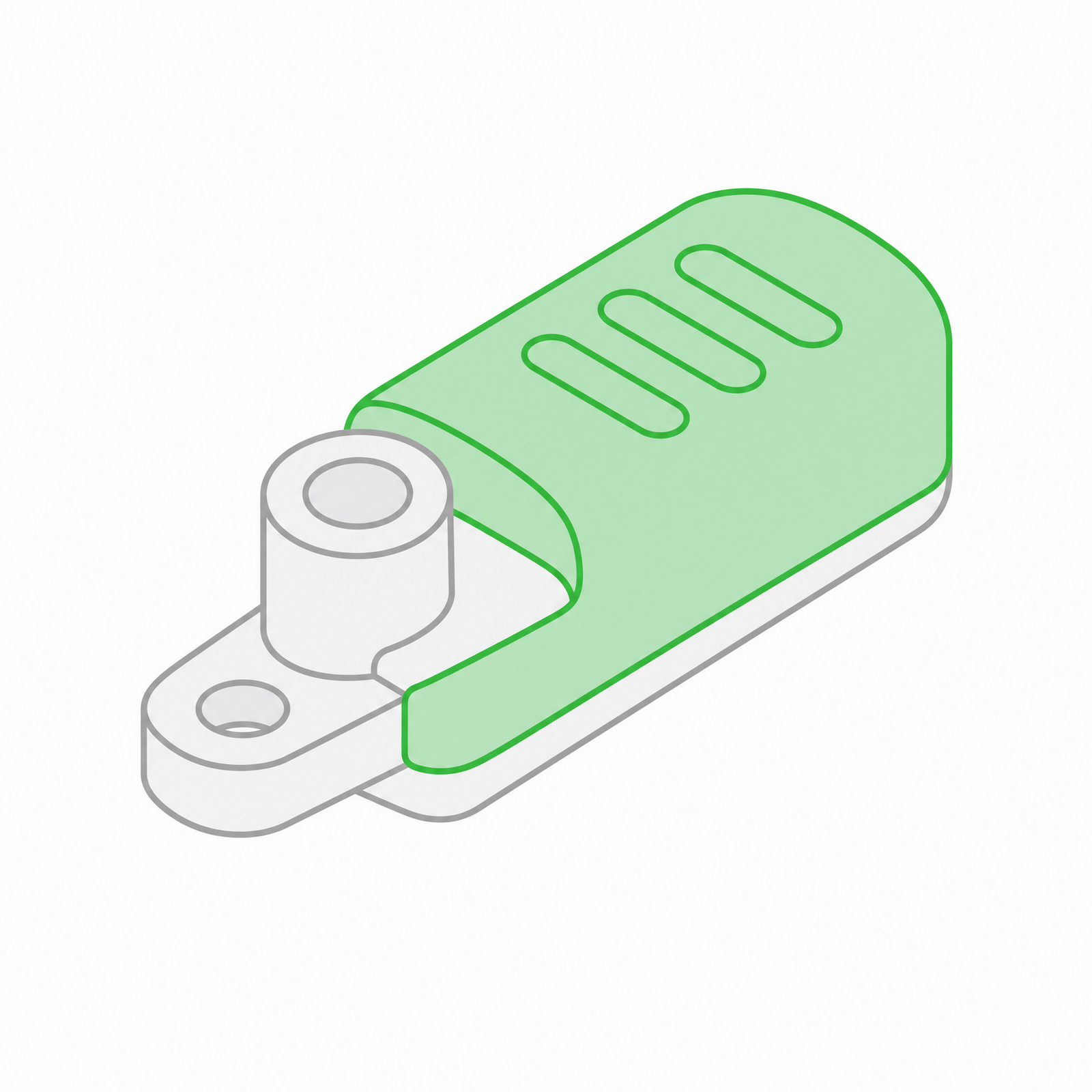
Self-bonding LSR can bond directly to selected plastics or metals without primer. It is useful for two-shot molding and silicone rubber overmolding.
Optical-grade LSR can reach more than 95 percent light transmission in suitable formulations. It is used for optical lenses, light guides, and transparent components. For more detail, see optically clear silicone.
Properties of Liquid Silicone Rubber
Wide Temperature Range
LSR can usually be used for long periods from about -60°C to 200°C. Some grades can tolerate short-term exposure above 250°C. It also remains flexible at low temperatures, which is difficult for many organic rubbers and plastics.
This wide temperature range allows LSR parts to keep sealing performance and elasticity in both cold and high-temperature environments.
Excellent Aging and Weather Resistance
The silicone-oxygen backbone has high bond energy. It resists damage from UV, ozone, heat, moisture, and oxidation. In outdoor use, LSR can maintain stable performance for many years.
Its weathering resistance is much better than many common organic rubbers. In some outdoor sealing applications, service life can be several times longer than EPDM, depending on the environment and design.
Good Biocompatibility and Safety
After curing, addition-cure LSR is low odor, non-toxic, non-irritating, and suitable for many food-contact and medical applications when the correct grade is selected. It can meet standards such as FDA, LFGB, and ISO 10993.
This makes LSR a preferred material for baby care, medical, and food-contact products.
Strong Electrical Insulation
LSR is an excellent electrical insulating material. It has high dielectric strength, stable dielectric properties, arc resistance, and corona resistance. It is widely used in electrical insulation, high-voltage sealing, cable accessories, and electronic assemblies.
High Flow and High Precision
Before curing, LSR has very low viscosity and flows easily into fine mold details. It can fill small cavities, thin walls, and complex structures. With the right mold and process control, LSR parts can reach very tight dimensional tolerances.
This makes LSR suitable for precision silicone rubber products that are difficult to produce with traditional solid silicone rubber.
Fast Curing and High Production Efficiency
LSR cures very quickly in heated molds. Typical curing time can range from seconds to a few minutes, depending on part size and wall thickness. This is much faster than many compression-molded silicone rubber processes.
When paired with automated liquid injection molding equipment, LSR can support very high daily output and stable mass production.
High Material Utilization
LSR injection molding uses a closed feeding and metering system. Material utilization can be close to 100 percent, with very little flash or trimming waste. The curing process also produces no by-products in addition-cure systems, which helps keep the production environment clean.
How Liquid Silicone Rubber Cures and Handles in Production
LSR is a two-part material. Correct handling and processing are important for stable product quality.
Step 1: Material Preparation and Storage
Confirm that Part A and Part B are the correct matching grades. Check shelf life, which is usually 6 to 12 months depending on the supplier.
Store the material at room temperature, around 25°C, in a dry, sealed, and dark environment. Avoid high temperature and direct sunlight.
If the material was stored at low temperature, bring it back to room temperature before use. In many cases, it should be conditioned for about 24 hours before processing.
Step 2: Mixing
For addition-cure LSR, the standard mixing ratio is usually A:B = 1:1 by weight or volume. Always follow the supplier’s technical data sheet.
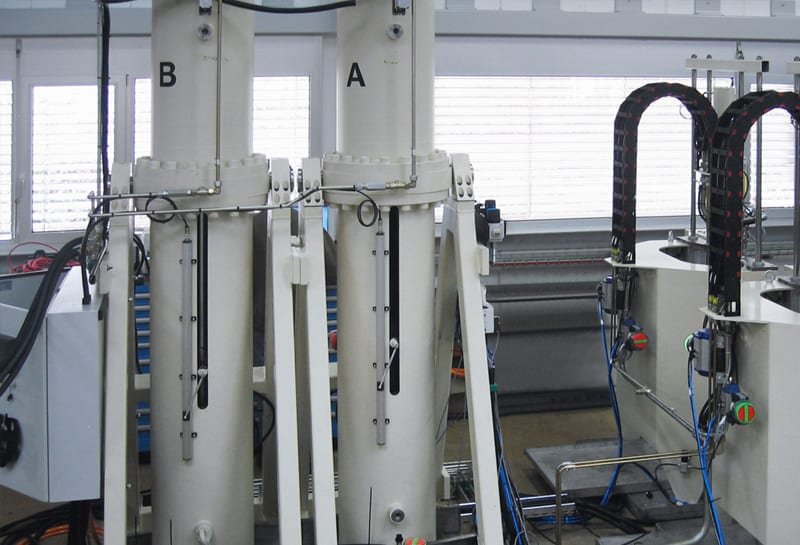
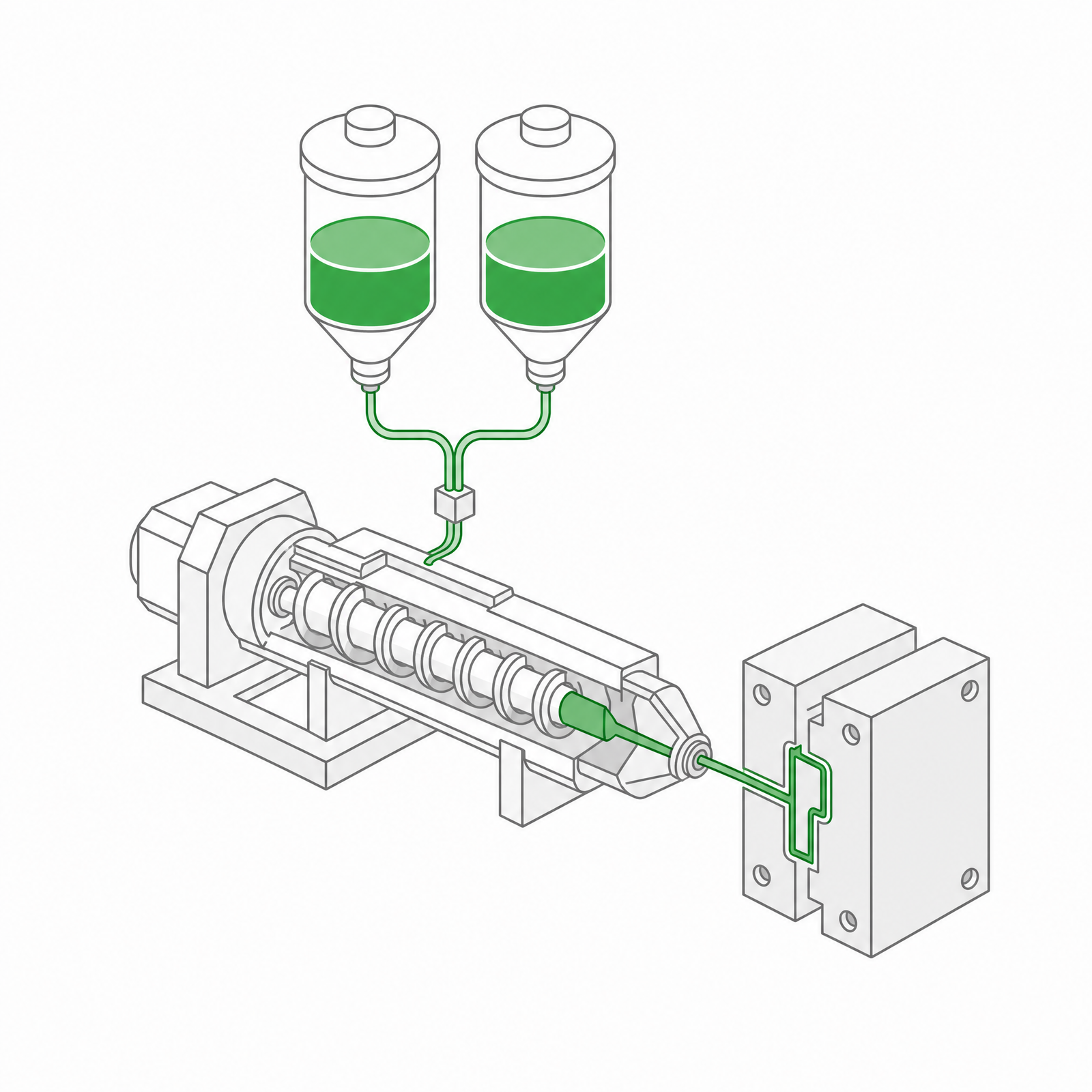
In mass production, an LSR injection molding machine uses a metering and mixing system to combine the two parts automatically. This gives high accuracy and good batch-to-batch consistency.
For small trial runs or sampling, the two parts can be weighed and mixed manually. Mix for about 3 to 5 minutes and scrape the container wall and bottom to avoid unmixed material.
Mixing must be complete because poor mixing can cause weak curing and poor part performance. The mixing speed should not be too high, or air bubbles may be trapped. After mixing, the material has a limited pot life, often about 1 to 4 hours at room temperature.
Step 3: Degassing
Degassing may be needed when mixed material contains air bubbles. Bubbles can affect both appearance and mechanical performance.
A common method is vacuum degassing at about -0.09 MPa or better for 3 to 5 minutes. In injection molding, the machine or mold may include a vacuum system, so separate degassing is not always required.
Step 4: Curing and Part Forming
In liquid injection molding, the mixed material is fed into the LSR injection unit and injected into a heated mold by screw or plunger. It then cures quickly under heat.
Typical curing temperature is about 150°C to 200°C. Curing time depends on wall thickness and part geometry, but it often ranges from 10 seconds to 2 minutes. Mold temperature should be controlled evenly, with the upper and lower mold temperature difference usually kept within about +/-5°C.
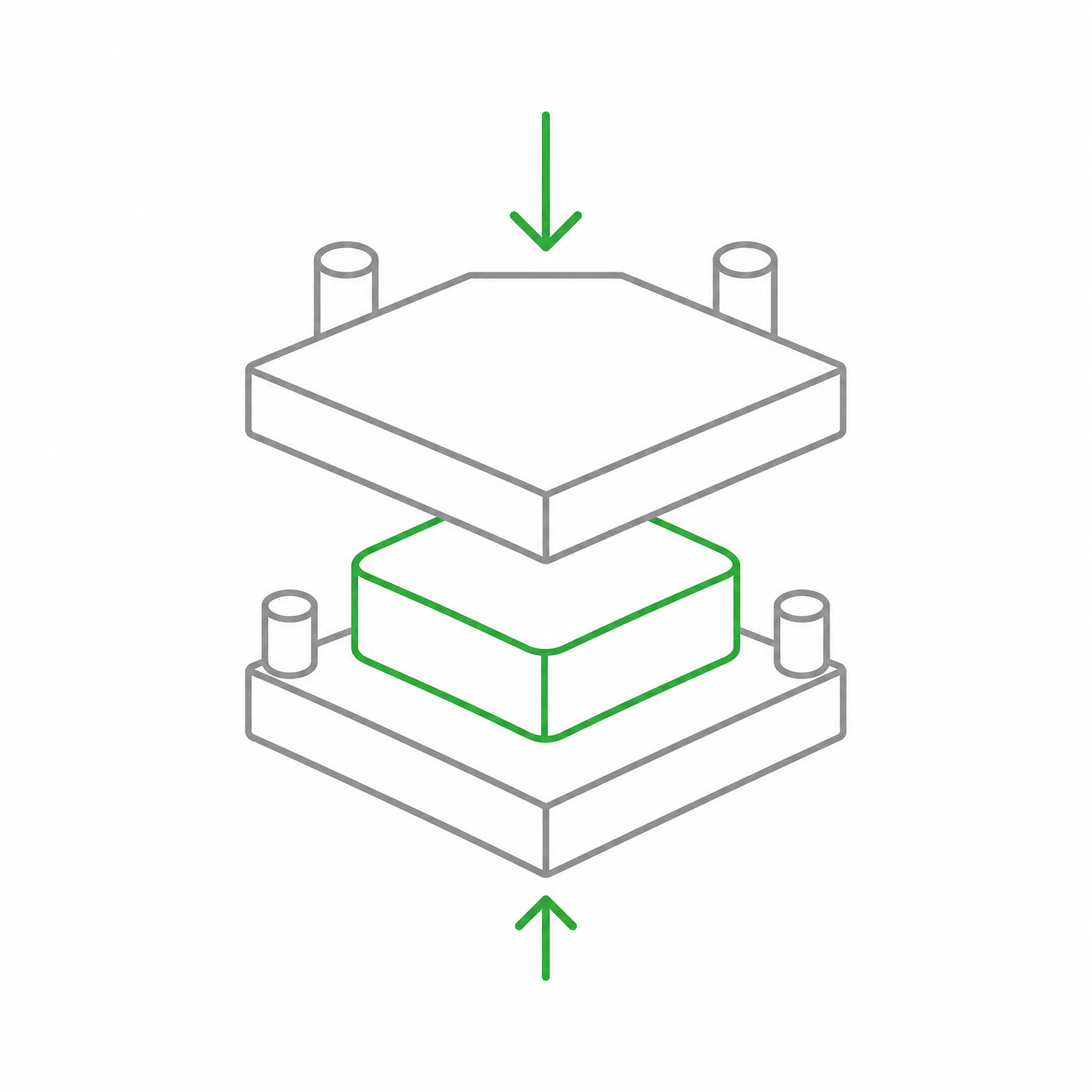
For some non-injection applications, mixed liquid silicone can be poured directly into a mold or part cavity and cured at room temperature or with heat, depending on the formulation.
Step 5: Post-Curing
Freshly molded parts may contain a small amount of low-molecular volatile material and may have a slight odor. Food-grade and medical-grade parts often require post-curing.
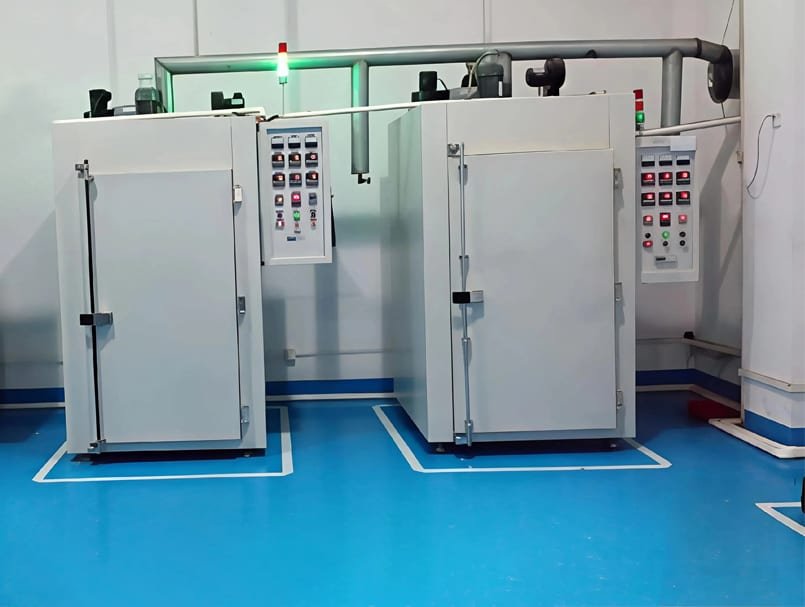
Typical post-curing conditions are 200°C for 4 hours or 180°C for 6 hours in an oven, depending on the material and product requirement.
Post-curing helps remove volatiles, stabilize dimensions, improve mechanical properties, and reduce odor.
Important Processing Notes
Addition-cure LSR is sensitive to catalyst poisoning. Contact with sulfur, nitrogen, phosphorus, or tin compounds may deactivate the platinum catalyst and cause no cure or incomplete cure.
During production, avoid contact with latex gloves, sulfur-containing materials, organotin compounds, and some plastics or rubbers. Molds, containers, and tools should be clean before use.
When Should You Choose Liquid Silicone Rubber?
LSR is worth considering for detailed parts that need consistent geometry at production volume. Thin walls and small molded features often benefit from its liquid processing route. Choose a grade that meets the specific appearance and contact requirements rather than assuming all LSR behaves the same way.
LSR may not be the most economical route for a large, simple part made in small quantities. HCR compression molding may meet the specification with a lower tooling investment. Compare the processes against the actual dimensions and order volume, then confirm that the material meets the application’s requirements.
 LSR Injection Molding
 Silicone Rubber Overmolding
 Compression Molding
 Silicone Rubber Extrusion
 In-house Tooling