
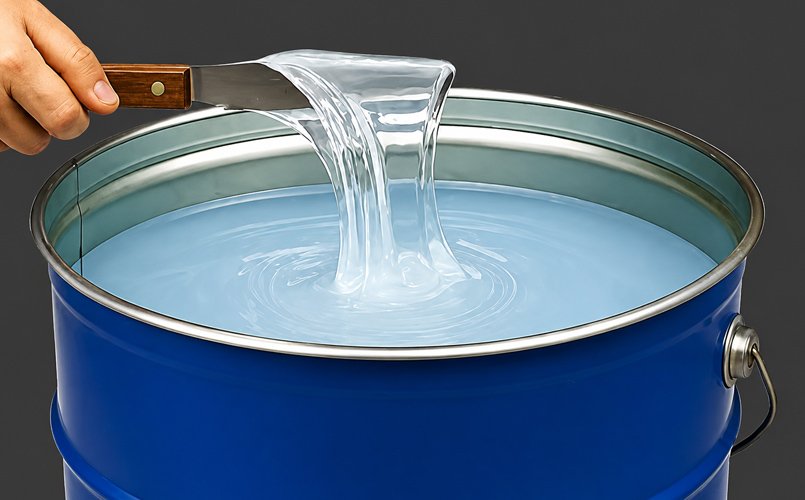
What Is Silicone?
Silicone is a synthetic elastomer built on a silicon-oxygen (siloxane) backbone, which is different from organic rubbers like natural rubber, EPDM, or nitrile that rely on carbon-carbon (C-C) chains. The Si-O bond gives silicone its signature combination of heat resistance, flexibility, and electrical insulation.
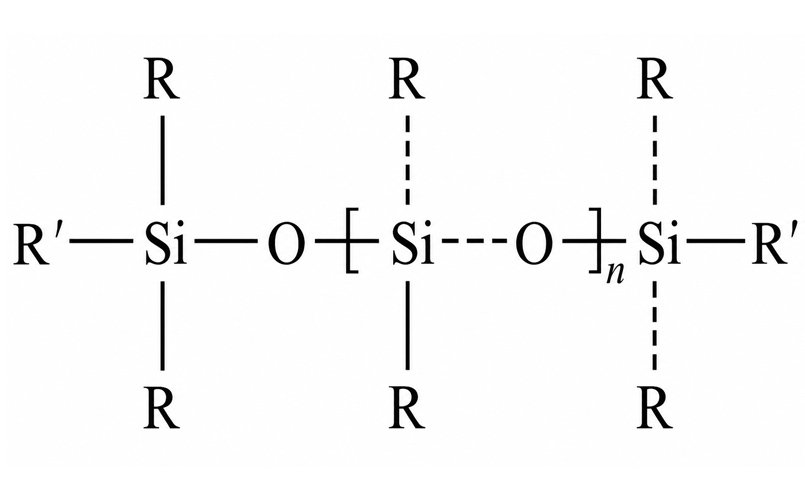
The basic structure is a polysiloxane chain where silicon and oxygen atoms alternate along the backbone with organic groups—usually methyl (CH₃)—attached to each silicon atom. This creates a semi-inorganic, semi-organic material with molecular weight ranging from about 30,000 for room-temperature vulcanized (RTV) grades up to 80,000 or more for high-temperature vulcanized (HTV) grades.
Engineers can modify silicone by swapping the methyl groups for other substituents, which produces the silicone family that includes dimethyl silicone (MQ), methyl vinyl silicone (VMQ), methyl phenyl silicone (PVMQ), fluorosilicone (FVMQ), nitrile silicone, and phenylene silicone. Vinyl groups improve vulcanization and lower compression set, while phenyl groups improve low-temperature flexibility and radiation resistance. Trifluoropropyl groups provide oil and fuel resistance, cyano groups add resistance to non-polar solvents, and phenylene groups raise mechanical strength from about 110 kgf/cm² up to 170–180 kgf/cm².
The global silicone market is projected to reach $24–25 billion by 2026, with elastomers accounting for over 40% of that market. Growth is strongest in automotive, healthcare, electronics, and renewable energy.
How Is Silicone Produced?
The production process of silicone starts with ordinary sand and ends with a highly engineered polymer. Here are the five main steps.
Step 1: Isolate Silicon From Silica
The first step is isolating silicon from silica. Manufacturers heat a large volume of quartz sand to temperatures as high as 1800°C. The result is pure, isolated silicon. Once it cools, the silicon is ground into a fine powder.
Step 2: Combine Powder With Methyl Chloride
The fine silicon powder is mixed with methyl chloride. Applying heat again activates a reaction between the components, forming methyl chlorosilane. This mixture contains several compounds. The most predominant of these is dimethyldichlorosilane, which is the primary building block of silicone.
Step 3: Distill the Mixture
Getting from dimethyldichlorosilane to silicone requires a complex distillation process to separate the various components of methyl chlorosilane from one another. Because chlorosilanes have different boiling points, this step involves heating the mixture to a series of precise temperatures.
Step 4: Add Water
Following distillation, combining water with dimethyldichlorosilane causes a separation of hydrochloric acid and disilanol. The hydrochloric acid then acts as a catalyst for the disilanol, causing it to condense into polydimethylsiloxane.
Step 5: Polymerize the Silicone
Polydimethylsiloxane has a siloxane bond. This bond is the backbone of silicone. Polymerizing silicone involves several different methods depending on the desired properties of the finished product. The resulting polymer can then be formulated into HTV, RTV, or LSR grades through the addition of fillers, crosslinkers, and other additives. With the chemistry and production process now clear, the next step is to understand why this molecular structure translates into such different performance from conventional rubbers.
Key Properties of Silicone
Take a look at the following sections covering the performance characteristics that matter most for material selection.
Temperature Resistance
Silicone operates from -60°C to +260°C in standard grades, and specialized formulations push these limits further.
At the high end, silicone performs where organic rubbers fail.
- At 120°C the estimated service life exceeds 20 years, and 150°C for 5 years
- At 200°C it lasts over 10,000 hours of continuous use
- At 350°C short-term exposure is possible
- With proper fillers and additives, 375°C is achievable
At 120°C the estimated service life exceeds 20 years.
Silicone does not release heat during vulcanization, which eliminates thermal runaway risks during processing. At high temperatures silicone actually outperforms organic rubbers because most organic rubbers lose strength rapidly above 100°C while silicone retains usable mechanical properties at 200°C and beyond.
At the low end, standard grades reach -60°C to -50°C before turning brittle, modified grades go down to -80°C, and special formulations hit -115°C. Low-phenyl PVMQ has a glass transition as low as -120°C. Silicone does not rely on plasticizers for low-temperature flexibility since plasticizers migrate and evaporate over time. Silicone’s flexibility is intrinsic to its molecular structure, and the helical chain with freely rotating methyl groups prevents the chain from locking up at low temperatures.
Compression Set
Compression set measures how much a material stays deformed after compression is removed, and silicone scores 7–10% after 70 hours at 150°C under load. This property matters for O-rings in hot hydraulic systems, gaskets in engine compartments, seals in steam equipment, and long-term implantable medical devices. The low compression set comes from the siloxane chain’s mobility, which allows the chains to rearrange under stress and spring back when the load is removed. Organic rubbers with rigid carbon backbones cannot do this as effectively.
Electrical Properties
Silicone is one of the most reliable electrical insulators available, and its dielectric properties stay stable across temperature ranges from cryogenic to 250°C+, frequency ranges from DC to microwave, and environmental conditions including water immersion.
Key numbers tell the story:
- Volume resistivity: 1–100 TΩ·m
- Corona resistance: Over 35,600 hours at 3kV (polyethylene fails in 24 hours; PTFE in 33.5 hours)
- Arc resistance: Over 180 seconds per ASTM
- Dielectric constant and loss: Nearly constant across frequency
Silicone is highly hydrophobic because the non-polar methyl groups repel water, so even in humid environments the insulation stays intact. One caveat is to avoid high-pressure steam, since hydrolysis can degrade the siloxane chain under those conditions.
Weathering and UV Resistance
Silicone has no carbon-carbon double bonds in its backbone, and these double bonds are the weak points where UV and ozone attack organic rubbers. The Si-O bond is inherently resistant to ozone at 150 ppm, UV radiation over decades, and oxidative aging with minimal change over 20+ years outdoors.
The Si-O bond length is about 1.5× the C-C bond length and its dissociation energy is higher, so photochemical cleavage is energetically unfavorable. This is why silicone sealants on building facades and automotive weatherstrips routinely outlast the structures they protect.
Gas Permeability
Silicone has the highest gas permeability of any commercial elastomer—30 to 50 times higher than natural rubber—and it also shows selective permeability:
| Gas | Permeability (Natural Rubber = 100) |
|---|---|
| Hydrogen | 1,070 |
| Oxygen | 2,200 |
| Nitrogen | 3,300 |
| Carbon Dioxide | 1,600 |
| Air | 2,700 |
The CO₂/O₂ selectivity ratio is about 5:1, which makes silicone membranes useful for oxygen enrichment in medical and industrial settings, artificial gills for diving, gas separation for CO₂ capture, modified atmosphere packaging for food, and medical devices with controlled gas exchange. The high permeability comes from the siloxane chain’s rotational freedom and the large free volume created by the bulky methyl groups. The semi-ionic Si-O bond reduces interchain packing density, so gas molecules find easy pathways through the polymer.
Mechanical Properties
Silicone’s mechanical profile is unusual because it has moderate room-temperature strength but superior high-temperature retention.
Typical values for filled, vulcanized grades:
- Hardness: 20–90 Shore A, (best balance at 40–60 Shore A)
- Tensile strength: 50–120 kgf/cm² (4.9–11.8 MPa)
- Elongation at break: 200–800%
- Tear strength: 10–40 kgf/cm (9.8–39.2 N/mm)
At room temperature, silicone’s tensile strength is lower than natural rubber or SBR, but at elevated temperatures the situation reverses. At 100°C silicone retains 59% of tensile strength, 82% of elongation, and 71% of modulus, while organic rubbers lose most of their strength above their glass transition temperatures. This crossover makes silicone the only practical choice for high-temperature dynamic seals and gaskets.
Property variation depends on several factors. Crosslink density raises modulus and hardness but lowers elongation. Filler type and loading matter—fumed silica is the standard reinforcing agent used in 68% of commercial formulations. Vinyl content improves crosslinking efficiency and reduces compression set, and post-curing is essential for optimal compression set and volatile removal.
Chemical Resistance
Silicone resists some chemicals well and fails against others, so know your environment before specifying.
It handles dilute acids and bases well—in 10% sulfuric acid at room temperature for 7 days, volume change is under 1%—and it also resists polar solvents like ethanol and acetone while shrugging off ozone and UV exposure. Cooking fats, food oils, and water at moderate temperature and pressure are not a problem either.
But it fails against concentrated sulfuric acid, strong alkalis like concentrated NaOH or KOH, non-polar solvents like toluene and benzene, chlorinated solvents, and high-pressure steam. The recommended limit for long-term steam exposure is about 50 psi or 0.34 MPa.
For oil and fuel environments, specify fluorosilicone (FVMQ). The trifluoropropyl side groups provide hydrocarbon resistance comparable to fluorocarbon rubbers, and the material keeps silicone’s temperature flexibility while resisting aromatic fuels and biofuels.
Biocompatibility
Silicone is one of the most inert materials known to biology. It is non-toxic, odorless, and tasteless, and no known organism can metabolize it. It causes minimal tissue reaction and can be sterilized by gamma radiation, ethylene oxide, or autoclave. Unlike PVC, it has no plasticizer migration.
These properties make it the material of choice for medical implants like breast implants, joint spacers, and catheters. It is also used in baby products like bottle nipples and pacifiers, in surgical equipment such as tubing, seals, and masks, and in pharmaceutical processing for bioreactor gaskets.
Types of Silicone
Silicone has three main processing categories, they are HTV, RTV, and LSR, plus a range of specialty grades for regulated industries.
HTV (High-Temperature Vulcanized) Silicone
HTV silicone is a high-viscosity solid rubber that requires heat and pressure to vulcanize. The molecular weight is 400,000–800,000, and it is processed by mill mixing with fillers and curing agents. Vulcanization happens at 150–200°C under pressure, and post-curing is recommended for best properties. HTV is used for molded seals, extruded profiles, calendered sheets, and high-strength industrial parts.
RTV (Room-Temperature Vulcanized) Silicone
RTV silicone has lower viscosity with a molecular weight of 30,000–60,000 and reactive end groups, and it cures at room temperature. Condensation cure reacts with atmospheric moisture and releases alcohol or acetic acid as a byproduct, while addition cure uses platinum-catalyzed hydrosilylation and produces no byproducts. RTV is used for sealants, adhesives, mold-making, potting compounds, and electronic encapsulation.
LSR (Liquid Silicone Rubber)
LSR is a pumpable, two-component system for injection molding that combines HTV performance with thermoplastic processing speed. The low viscosity allows automated metering, cure takes seconds to minutes at 150–200°C, and LSR injection molded Productsachieves tolerances down to ±0.05 mm. It is ideal for high-volume manufacturing.
Recent developments include ultra-soft LSR at Shore A 10 with over 900% elongation for wearables and smart textiles, and self-adhesive LSR that bonds directly to metals and plastics without primers.
Specialty Grades
Specialty grades address specific regulatory and functional requirements. Food-grade and FDA grades meet 21 CFR 177.2600 for kitchenware and food processing. Mdical-grade silicone meets ISO 10993 biocompatibility standards for implants and surgical devices. Flame-retardant grades carry UL94 V-0 certification for electronics and aerospace interiors, Electrically conductive grades offer 0.01–10 Ω·m resistivity for EMI shielding and antistatic applications. Thermally conductive grades reach up to 1.3 W/m·K for heat sinks and thermal pads. Oil-resistant FVMQ handles fuel and solvent exposure in automotive fuel systems, and radiation-resistant PVMQ withstands 10⁸–10⁹ R of gamma radiation for nuclear and aerospace use.
Applications of Silicone
Automotive
Automotive is the largest consumer of silicone, accounting for about 30% of total consumption, and a typical vehicle contains 5–10 kg of silicone parts.
- Engine seals and gaskets must survive 200°C+ under-hood temperatures, turbocharger hoses face heat, oil, and pressure cycling
- Spark plug boots need electrical insulation plus thermal resistance.
- Electric vehicle battery seals protect lithium-ion cells from moisture and thermal events
- Fuel system components use fluorosilicone for compatibility with biofuels and aromatic hydrocarbons.
Electric vehicles are actually increasing silicone demand because battery thermal management and high-voltage insulation requirements are stricter than in internal combustion engines. As EV adoption accelerates, silicone consumption in this sector will continue to grow.
Medical and Healthcare
Medical and healthcare is a fast-growing segment at 6% annual growth.
- Implantable devices such as pacemaker leads and neurological stimulators rely on silicone’s long-term biocompatibility
- Drug delivery systems use silicone tubing for insulin pumps and implantable ports
- Surgical instruments need seals for laparoscopic equipment
- Respiratory care products like CPAP masks and anesthesia circuits depend on silicone for comfort and safety
- Wound care uses silicone seals in negative pressure therapy systems.
- Baby products from bottle nipples to pacifiers use silicone because it is the safest material for infant contact
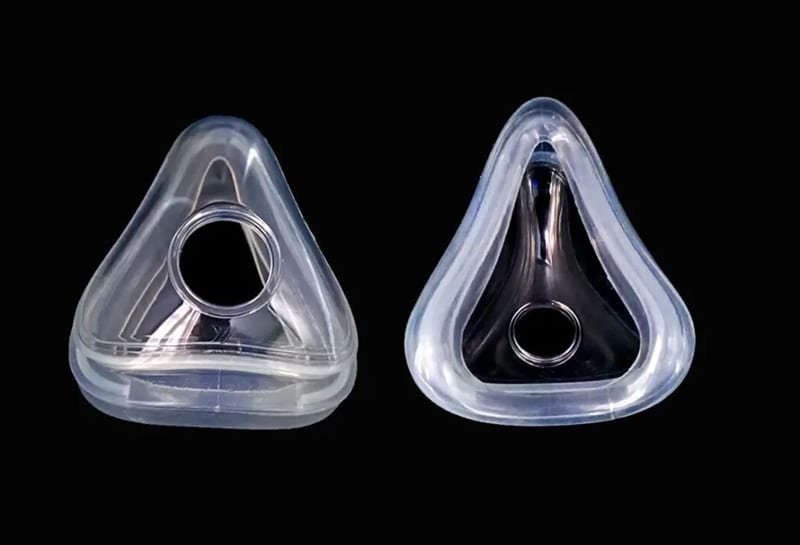
The trend toward medical devices and wearable health monitors is driving demand for soft, skin-contact LSR with embedded sensors. This convergence of medical device design and consumer electronics is opening new application areas for silicone.
Electronics and Electrical
Silicone protects and insulates electronic and electrical systems.
- Power cables and connectors need high-voltage insulation that does not degrade
- LED lighting uses silicone for lens molds and thermal management gaskets
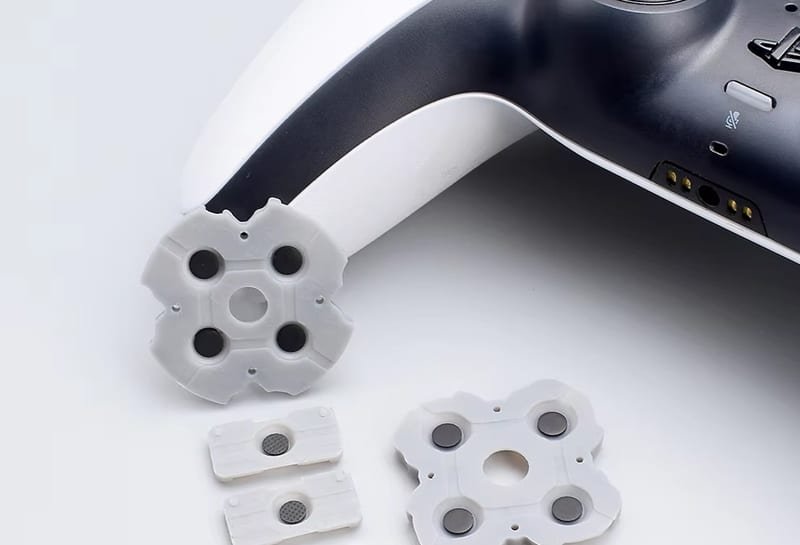
- Consumer electronics use conductive silicone for keyboard contacts and thermal pads for heat dissipation
- Aerospace wiring needs fire-resistant, lightweight insulation
- Solar panels use silicone encapsulants and edge seals designed for 25-year lifespans
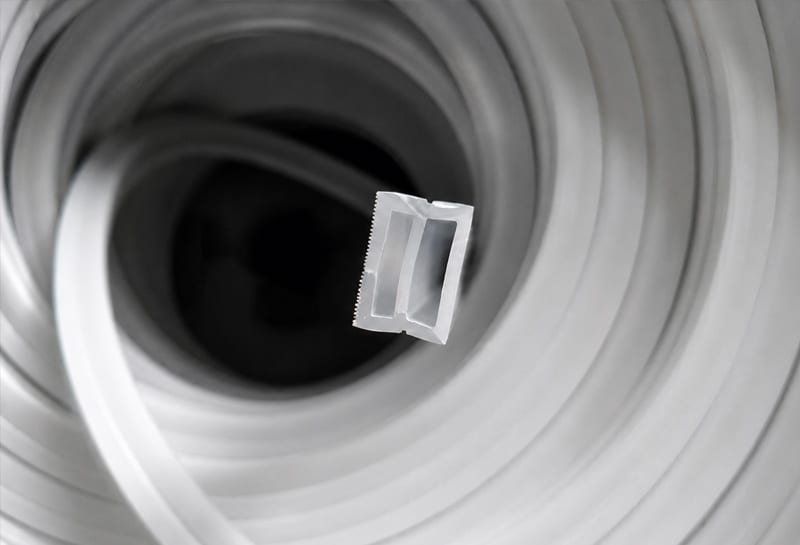
The corona resistance of over 35,600 hours at 3kV makes silicone essential for high-voltage transformers and switchgear, since organic insulation materials would fail catastrophically under these conditions.
Food Processing and Consumer Goods
FDA-compliant silicone is ubiquitous in food processing and consumer products.
- Baking molds and mats are non-stick, heat-resistant, and dishwasher-safe,
- Food storage containers use silicone for airtight seals.
- Appliance gaskets in pressure cookers, rice cookers
- Kettles rely on silicone’s heat resistance
- Processing equipment in dairies and breweries uses silicone tubing and seals.
Construction
Silicone sealants are the industry standard for building facades where they provide 20+ years of weatherproofing without maintenance. Glazing systems use silicone for structural bonding of glass curtain walls, expansion joints accommodate thermal movement without degradation, and infrastructure applications include bridge deck sealing and tunnel waterproofing.
Silicone sealants outlast acrylic and polyurethane alternatives, which crack and harden within 5–10 years. The initial cost of silicone is higher, but the lifecycle cost is lower because replacement and maintenance are minimized.
Summary
Silicone sits at a unique intersection of inorganic stability and organic flexibility. It works where other materials fail. From cryogenic space applications to sterilized operating rooms, from jet engine heat to delicate medical implants, silicone delivers consistent performance. As industries push for higher temperatures, longer service life, stricter safety standards, and sustainable manufacturing, demand for advanced silicone materials will keep growing.
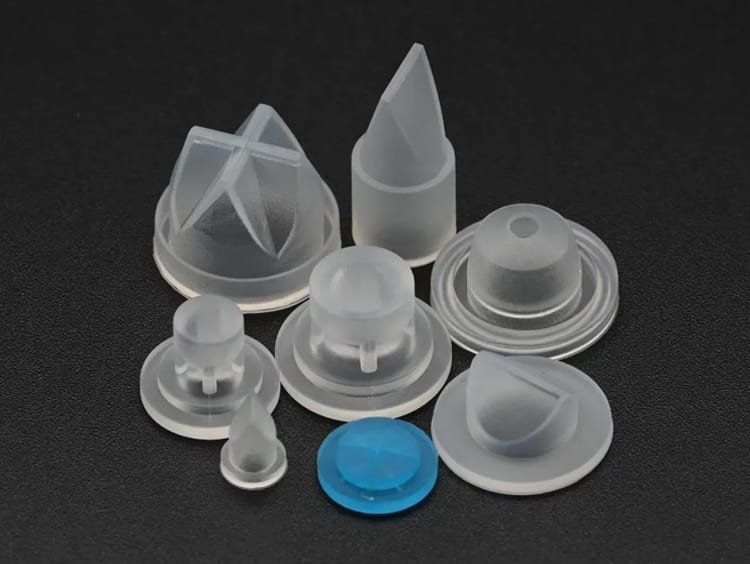 LSR Injection Molding
 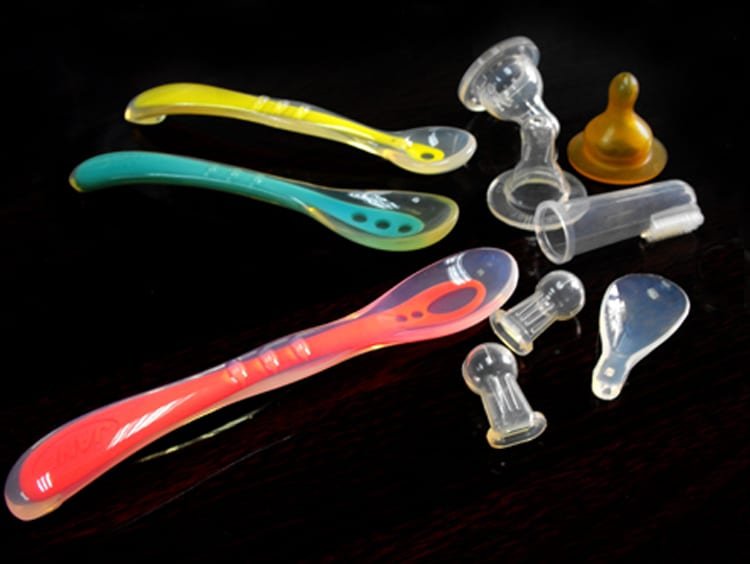 Silicone Overmolding
 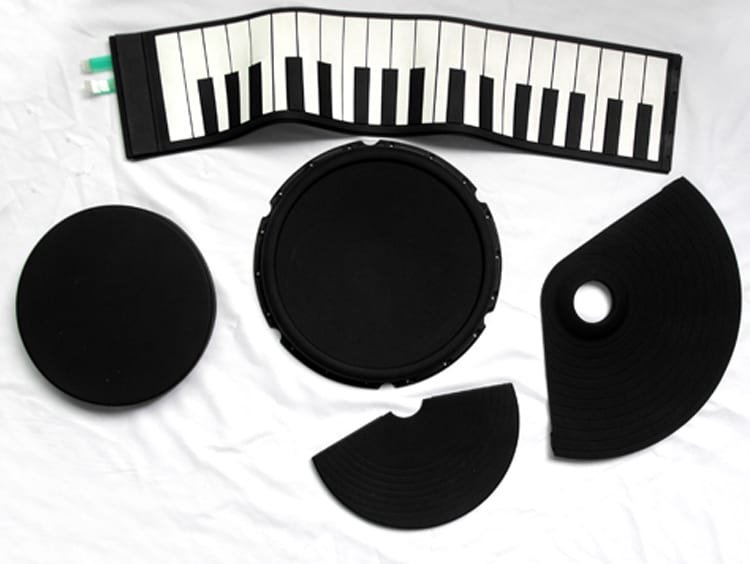 Compression Molding
 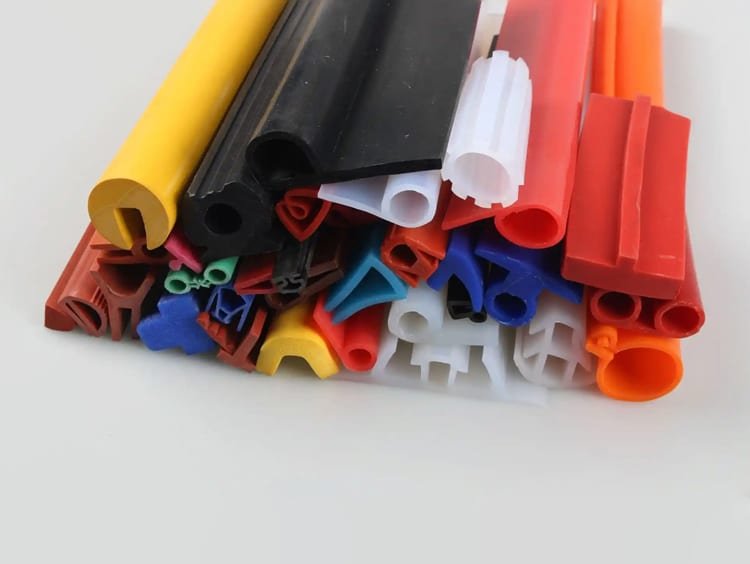 Silicone Extrusion
 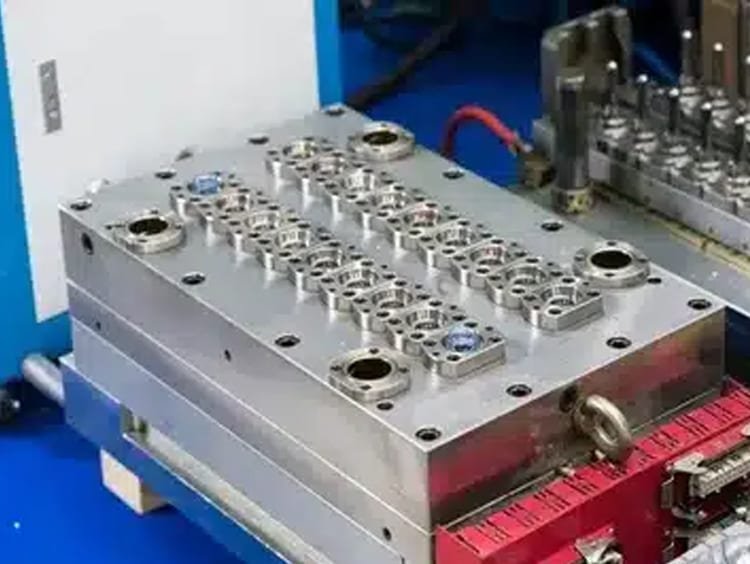 In-house Tooling