
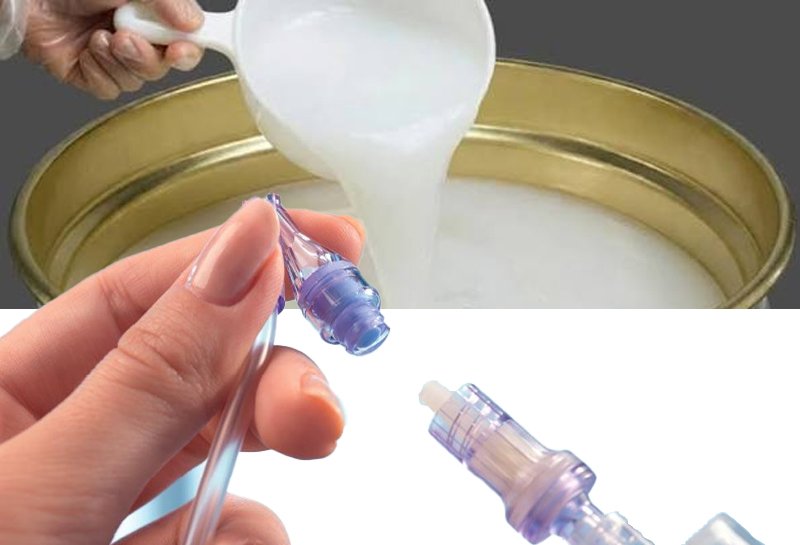
What is Platinum-cured Silicone?
Platinum-cured silicone is not silicone rubber made from platinum. Silicone rubber needs a curing agent or catalyst to harden. When a platinum compound is used as the curing catalyst, the material is called platinum-cured silicone. It is also known as addition-cure silicone.
| Silicone Type | Curing Agent |
|---|---|
| General silicone rubber | Organic peroxide |
| Platinum-cured silicone | Platinum compound |
The silicone rubber used in molding is usually a thermoset material. After the material is placed into a mold, heat and pressure are applied. A chemical reaction takes place inside the mold. The silicone molecules crosslink and harden into the final rubber part.
General silicone rubber often uses organic peroxide as the curing agent. Platinum-cured silicone uses a platinum compound instead. This difference affects the curing reaction, odor level, processing behavior, and final material cleanliness.
The odor often found in general silicone rubber does not come from the silicone itself. It usually comes from the organic peroxide curing agent and its decomposition by-products.
Platinum-cured silicone has very little odor. It can also offer good tear strength and low compression set. Silicone rubber is already a safe and stable material, but platinum-cured silicone is cleaner because it does not use organic peroxide as the curing agent. This makes it suitable for food, medical, and hygiene-related products.
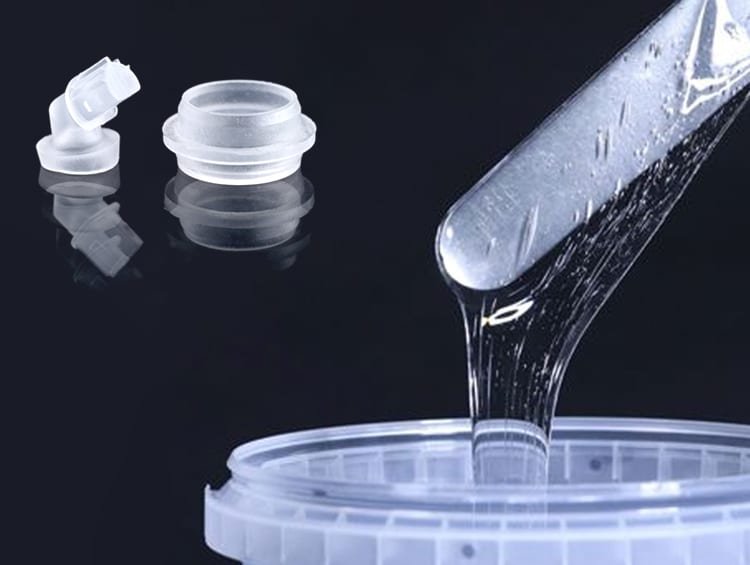
Properties Of Platinum-cured Silicone
The table below compares platinum-cured silicone with general silicone rubber that uses organic peroxide as the curing agent.
| Item | General Silicone Rubber | Platinum-Cured Silicone |
|---|---|---|
| Curing agent | Organic peroxide | Platinum compound |
| Reaction type | Free-radical reaction | Addition reaction |
| Rubber curing temperature | 155 to 175 °C | 110 to 130 °C |
| Odor | Noticeable silicone-specific odor | Almost no odor |
| Cure inhibition | Rarely occurs | Can occur |
| Usable material life after compounding | About 1 month | About 1 day |
| Material storage | Room temperature | Refrigerated storage required |
Compared with peroxide-cured silicone, platinum-cured silicone cures at a lower temperature. This means it needs less heat to complete the curing reaction.
It is also more sensitive. Heat, mixing conditions, or contact with certain substances can affect the cure. Compounds that contain sulfur, phosphorus, nitrogen, or tin may cause cure inhibition. If these substances are mixed into the material or touch the material surface, the silicone may not cure properly. The surface may also remain tacky.
Platinum-cured silicone also has a shorter usable life after the catalyst is mixed in. The time between mixing and molding is limited. This makes the material harder to process than general peroxide-cured silicone.
In production, platinum-cured silicone needs good process control. It is not a material that should be handled without experience.
Features Of Platinum-cured Silicone
The main features of platinum-cured silicone include:
- It uses a platinum catalyst as the curing system.
- It cures at a lower temperature, usually around 120°C.
- It has almost no odor.
- It is sensitive to cure inhibition, so processing control is important.
- It has a short pot life after the curing system is mixed.
- It produces very little outgassing after molding, making it a clean and safe material choice.
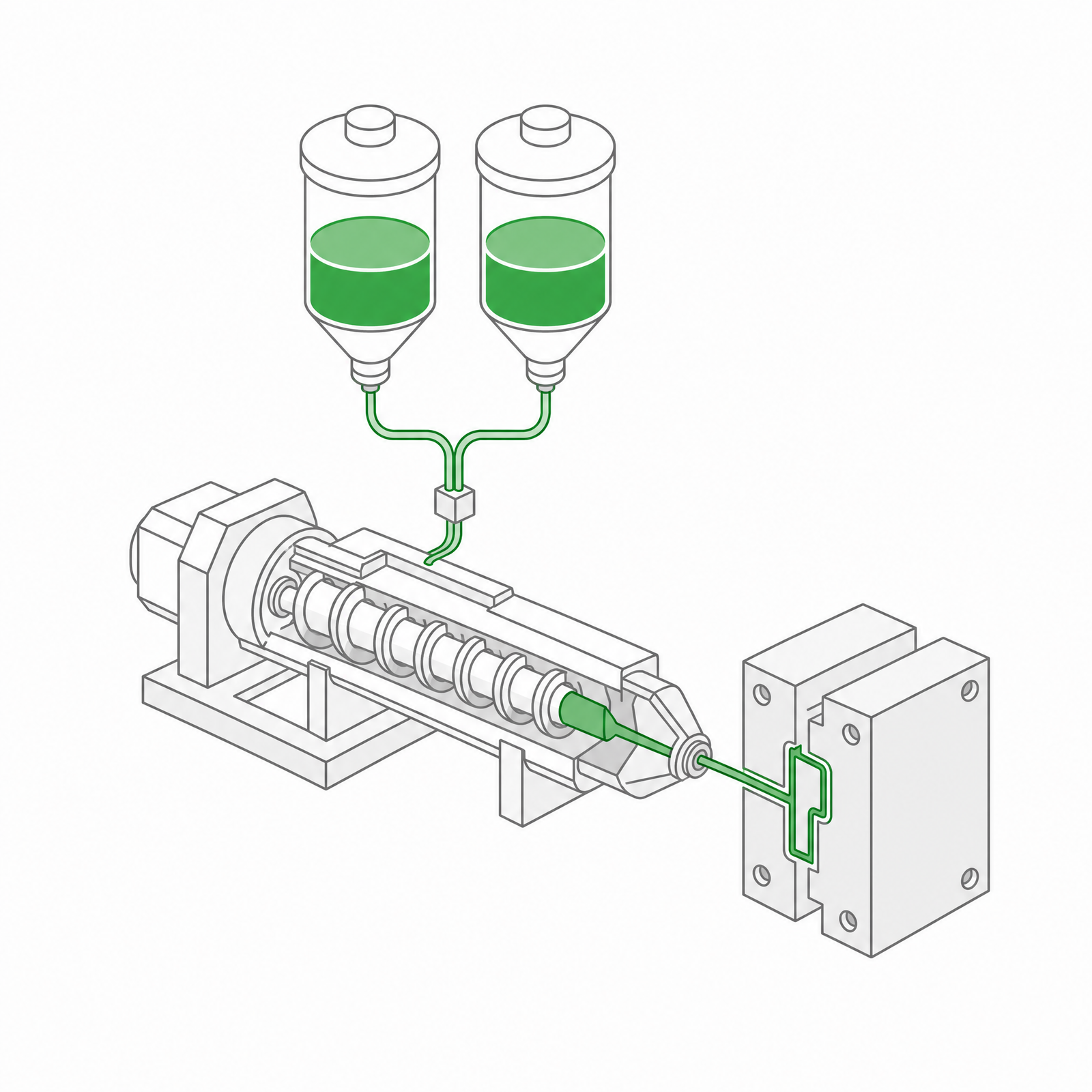
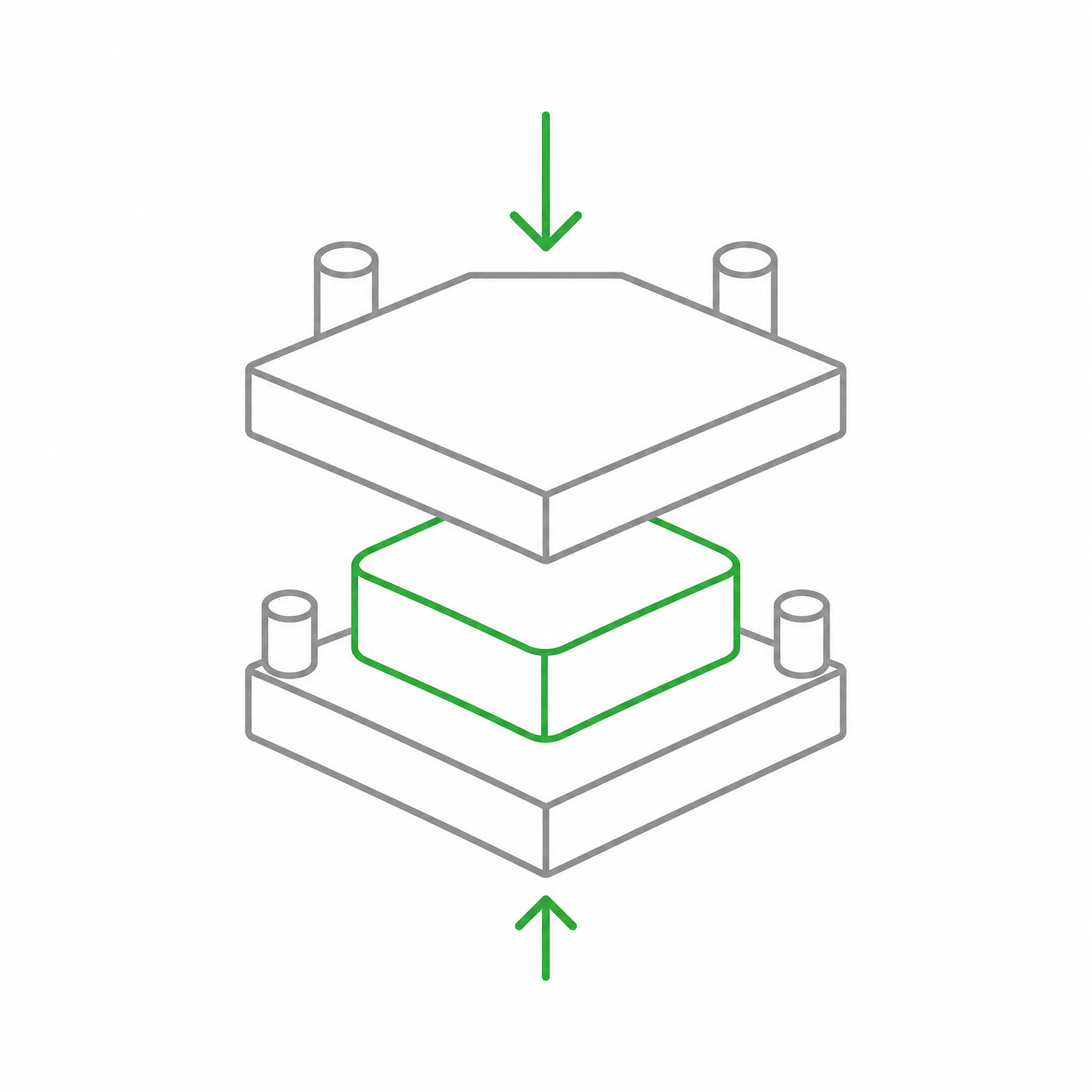
These features explain why platinum-cured silicone rubber is common in LSR injection molding and selected silicone rubber compression molding projects.
Applications Of Platinum-cured Silicone
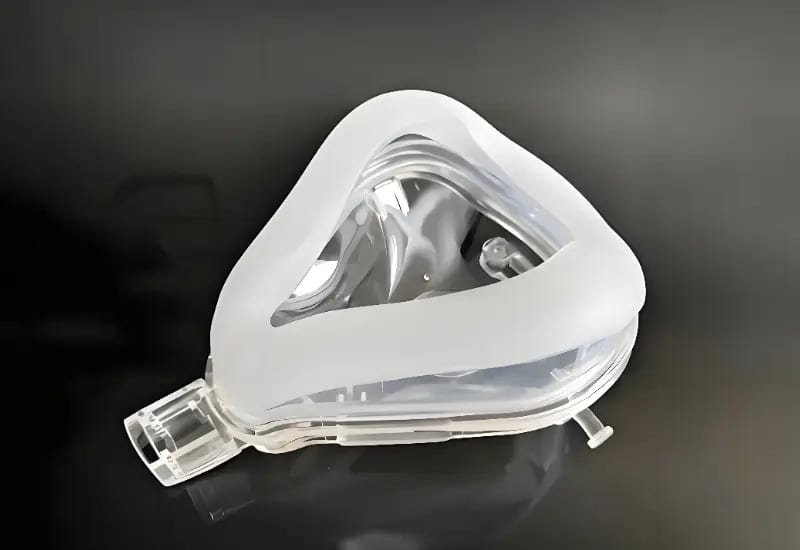
Medical Silicone Rubber Products
Platinum-cured silicone rubber is widely used in medical silicone rubber products. For medical parts that contact the human body, blood, body fluids, or drug solutions, platinum-cured silicone rubber is often preferred. This is especially important when the rubber part may contact fluids that later enter the body.
From a practical point of view, many medical-grade silicone rubber products are made from platinum-cured silicone rubber. This is one reason it is often selected for medical silicone rubber molding.
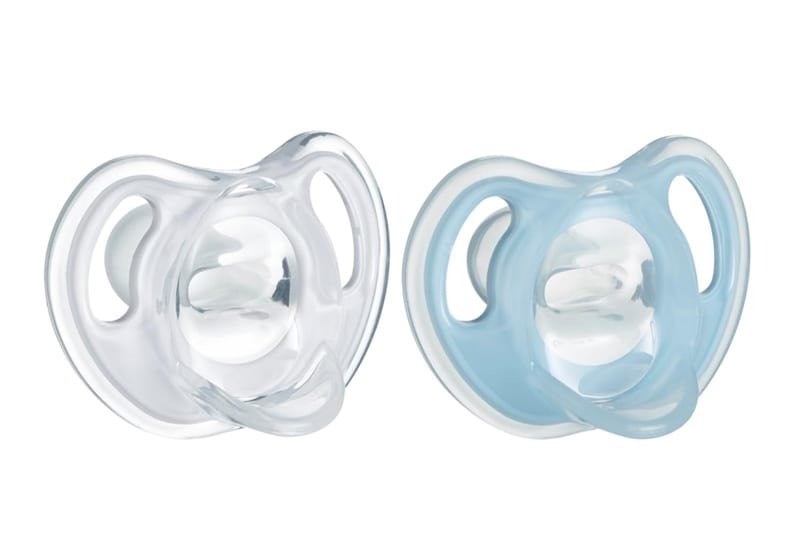
Food-contact Silicone Rubber Products
General silicone rubber can also meet many food safety requirements. However, peroxide-cured silicone may have a distinct odor. This can be a problem in food-related applications where smell matters.
In some cases, parts made from general silicone rubber may need to be boiled in water before use to reduce odor. Platinum-cured silicone rubber is often used for food and hygiene products because it is safe, clean, and almost odorless. It is a strong material option for food-grade silicone rubber molding.
Products That Need Low Temperature Silicone Molding
Platinum-cured silicone is also useful when silicone rubber must be molded at a lower temperature.
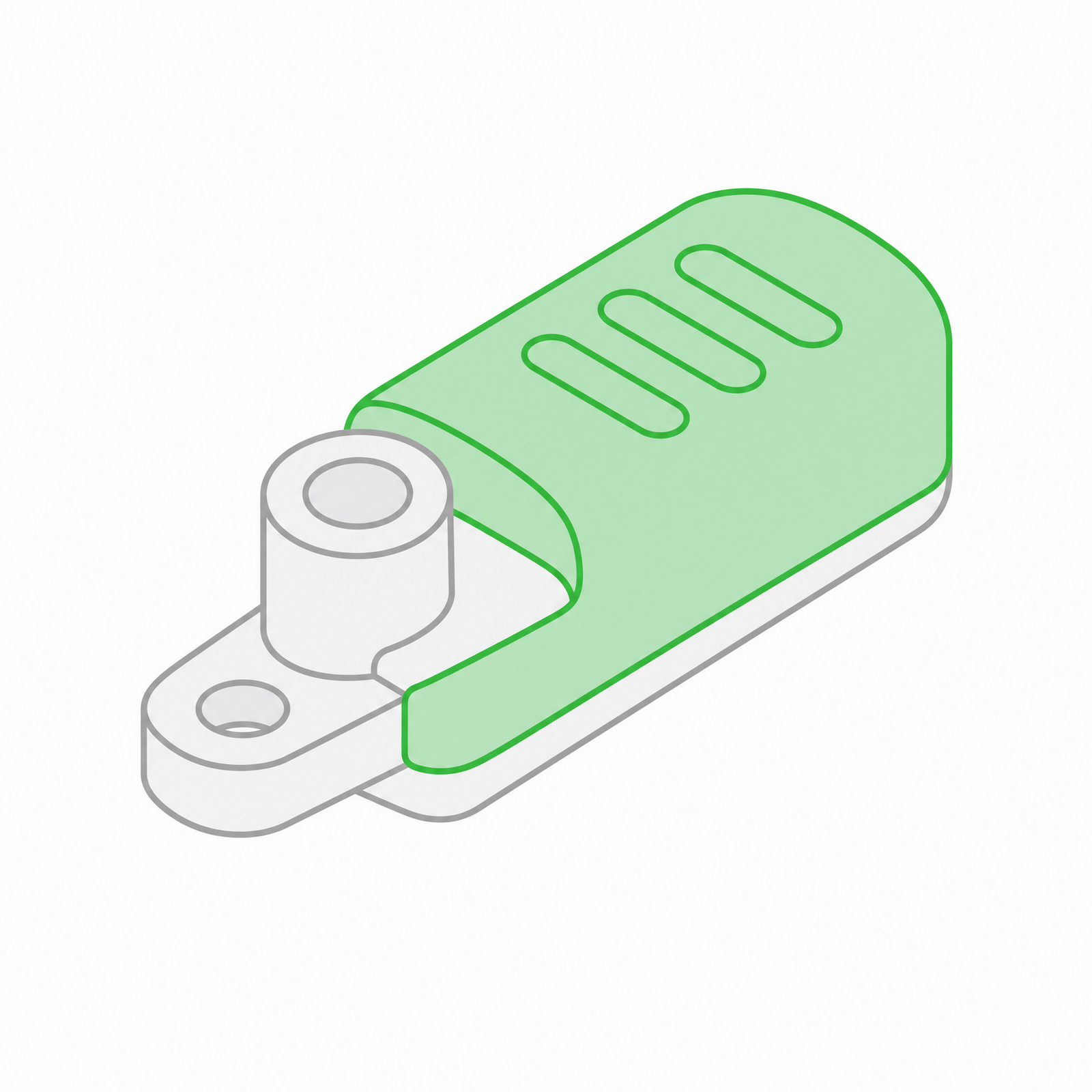
For example, in overmolding, silicone rubber may be bonded or molded together with hard plastic parts such as PC or nylon. These plastics may not tolerate high molding temperatures well.
Because platinum-cured silicone can cure at a lower temperature, it is suitable for insert molding processes where the inserted plastic part must be protected from heat damage. This makes it a good choice for integrated silicone-and-plastic components.
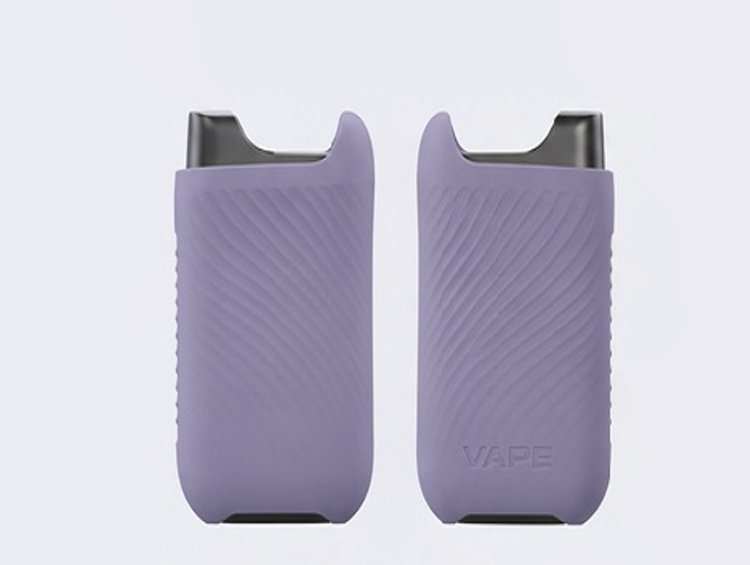
What to Consider
Platinum-cured silicone is clean and useful, but it needs careful processing.
The material should be stored under the conditions recommended by the supplier. Many platinum-cured silicone compounds require refrigerated storage. Once the curing system is mixed, the usable time is short, so production planning matters.
Tooling, mixing equipment, release agents, pigments, and inserts should also be reviewed for cure inhibition risk. Sulfur, phosphorus, nitrogen, tin, and some contaminated surfaces can interfere with the platinum addition reaction.
Review the curing system alongside the part design and manufacturing process. Platinum-cured silicone is often considered where low odor or low volatile content matters. Food-contact and medical applications still require evidence for the intended use, while insert molding also requires checking compatibility with the substrate.
 LSR Injection Molding
 Silicone Rubber Overmolding
 Compression Molding
 Silicone Rubber Extrusion
 In-house Tooling