
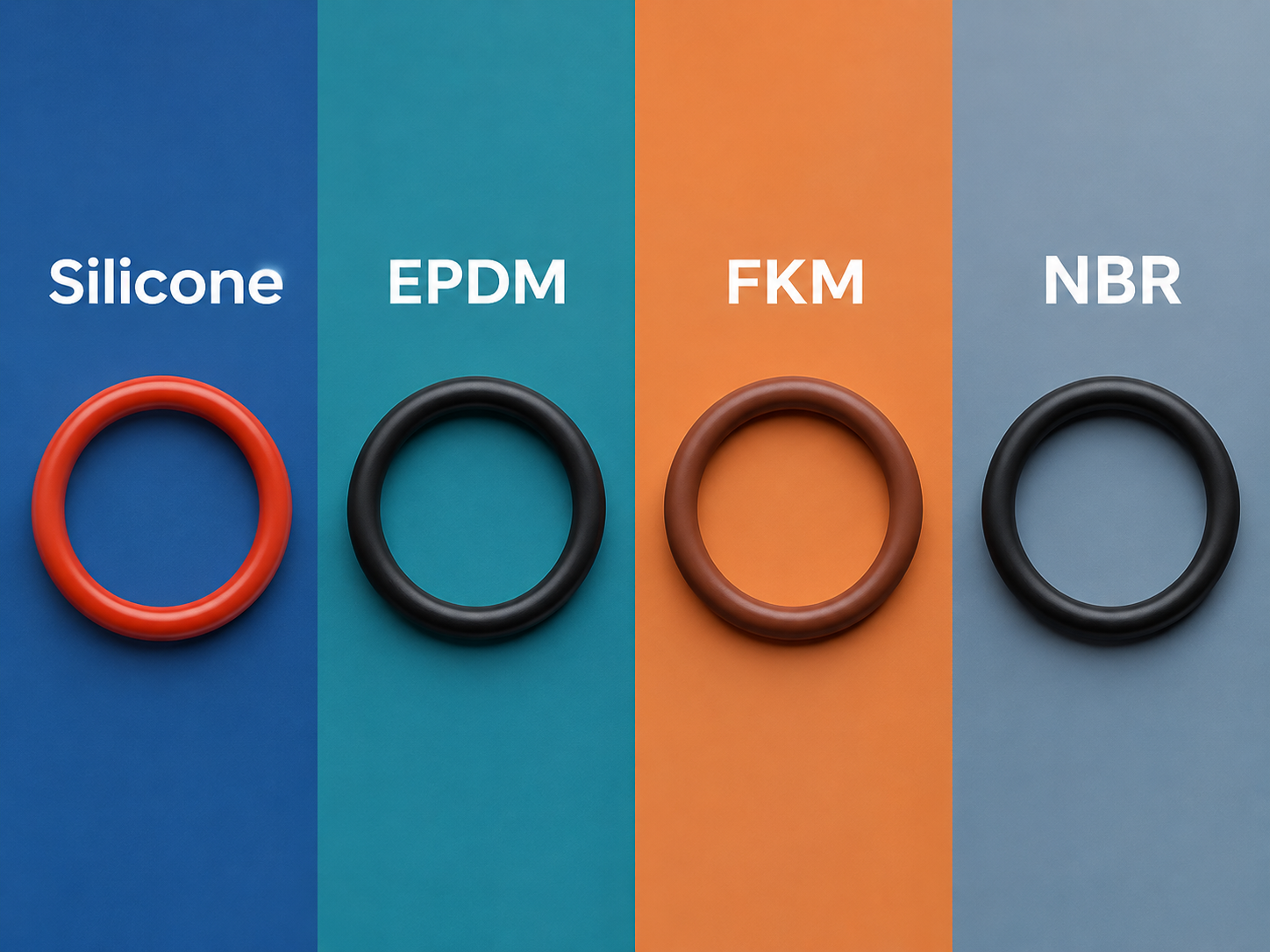
Two O-rings can share the same inside diameter, cross-section and 70 Shore A hardness and behave very differently in service. In a mineral-oil hydraulic valve, a nitrile O-ring can retain its fit while an EPDM ring swells. In a hot-water valve, a suitable EPDM compound is often the better starting point. The outside dimensions give no indication of how either ring will respond to the fluid.
Choosing a custom O-ring begins with the medium that reaches the seal and the temperature at the sealing interface. The pressure differential, type of motion and available clearance then determine whether the selected material can work in the groove. The final specification should identify the compound grade as well as the dimensions and hardness.
Start With the Medium the O-Ring Actually Sees
Record the fluid grade, concentration and additives. Include lubricants and cleaning agents that reach the seal during assembly, maintenance or washdown. A process valve may see one fluid in operation and a different chemical during cleaning. Both exposures affect material selection.
Mineral-Oil Hydraulic Fluids and Lubricants
NBR is a practical starting point for many mineral-oil systems at moderate temperatures. Compare HNBR when an NBR seal wears or hardens too quickly under heat. FKM O-rings are worth considering when hot-oil resistance is a priority, though a general-purpose grade can recover too slowly at cold startup. Check the fluid formulation and temperature at the seal over the full cycle. Water-glycol and phosphate-ester hydraulic fluids need their own compatibility review.
Gasoline, Diesel and Blended Fuels
Compare fuel-resistant grades of NBR, HNBR and FKM. Aromatic content and blend components such as ethanol or biodiesel can change how much the rubber swells and how readily fuel permeates it. Use the actual blend when comparing compounds.
Hot Water, Steam and Water-Glycol Coolant
Start with an EPDM compound qualified for the specific fluid or steam cycle. For steam, record the temperature, pressure and exposure time. If the same seal also sees another medium that calls for a fluorocarbon, compare an FKM grade with documented resistance to the hot-water or steam exposure.
Outdoor Air and Ozone
EPDM and silicone rubber (VMQ) are useful candidates for outdoor seals. Check recovery at the minimum service temperature, any exposure to petroleum oils and whether the seal rubs or flexes in service. A compound that works in a static cover can wear at a sliding contact.
Acids, Alkalis and Organic Solvents
Compare a compatible FKM, FFKM or other application-specific compound at the exact concentration and service temperature. Standard FKM can be unsuitable for some ketones, amines or strong alkalis. FFKM is worth considering when the medium rules out less costly materials. Check the specific grade for chemical resistance, cold recovery and compression set.
Refrigerant and Compressor Oil
Consider refrigeration grades of NBR, HNBR or FKM where compatibility data support the combination. Test the refrigerant and compressor oil together through standstill and startup. Include pressure cycling where the seal experiences it in service.
Use fluid immersion testing to measure volume, hardness and strength changes after exposure. ASTM D471 provides a basis for comparing the effect of a liquid on rubber under defined conditions. A swollen O-ring can consume the free space in its groove and increase friction in a moving joint. Shrinkage reduces squeeze and can open a leak path. Relate the measured changes to the available gland volume and the minimum contact needed in the assembly.
Check Hot Operation and Cold Starts Separately
Continuous Heat and Steam Cleaning
In a hot-oil circuit, begin by comparing HNBR and FKM against the actual oil and the time spent at operating temperature. A seal that remains under compression during long hot periods can lose recovery or contact force. Leakage may first show up when the equipment cools and the joint contracts. Specify compression set testing at a representative temperature and duration. For a joint that must maintain contact force over long periods, add compression stress relaxation data or a leak test after aging in the assembled groove.
Steam cleaning changes the shortlist. A compound selected for hot oil may react differently in saturated steam or in the detergent used before the steam step. An EPDM grade with data for the cleaning cycle is a practical starting point for equipment free of petroleum oil. Where the same seal sees both oil and steam, test candidate formulations through the full sequence, including intermediate rinses and cooldown.
Low Temperature and Thermal Cycling
Silicone rubber (VMQ) is a useful candidate for cold static covers and housings when the medium is compatible and the gland protects the ring from abrasion or extrusion. In cold fuel or oil service, compare low-temperature grades of NBR, HNBR or FKM. General silicone flexibility should not be used to qualify an O-ring for cryogenic service. A seal exposed directly to a liquid cryogen needs a design and materials qualified for that temperature.
Low-temperature retraction data such as TR10 from ASTM D1329 help compare how readily compounds recover in the cold. Then cold-soak the assembly and check leakage or breakaway force at the first operating cycle. Where the unit heats and cools repeatedly, repeat the seal test after cycling. The O-ring and the housing can change dimensions at different rates, which shifts squeeze even when the room-temperature fit is satisfactory.
Match the O-Ring to the Type of Motion
Static Flanges, End Covers and Fittings
A static joint needs enough contact to remain sealed after long periods under compression. EPDM may fit a water-service flange, NBR a mineral-oil fitting, and silicone a cold outdoor enclosure without abrasive motion. Groove depth sets the installed squeeze at closure. Groove width provides room for the rubber to deform and for any increase in volume from heat or fluid exposure. Check both the minimum and maximum squeeze using the section and hardware tolerances. ISO 3601-2 provides standard O-ring housing dimensions where the applicable series fits the design. See the O-ring design guide for groove and stretch calculations.
Reciprocating Cylinders and Actuators
A hydraulic or pneumatic O-ring that slides against a rod or bore has to start moving, retain lubrication and survive repeated contact with the surface. NBR is common in compatible mineral-oil systems, and HNBR can be useful where heat and wear are higher. Check breakaway force after a long dwell, wear during cycling and leakage at the full stroke. In dry or lightly lubricated air service, increased squeeze can raise friction and contribute to sticking or twisting. A dedicated rod or piston seal is often a better design for frequent cycling, long strokes or demanding speed and pressure combinations.
Rotary Shafts
A standard O-ring can serve as a stationary secondary seal or, with a purpose-designed groove, in some low-speed rotary applications. Continuous sliding produces heat, and an O-ring installed in tension on a rotating shaft can tighten as it heats, increasing friction further. For high-speed continuous rotation, start with a dedicated rotary lip seal or mechanical seal suited to the shaft speed, pressure and lubricant. The static and dynamic seal comparison discusses the differences in greater detail.
Account for Pressure, Vacuum and Special Service
High Pressure and Extrusion
Pressure pushes the O-ring toward the low-pressure clearance. Once rubber moves into the gap, pressure cycling or motion can cut small pieces from its edge. Calculate the largest clearance under load, including machining tolerances, eccentricity, wear and hardware deflection. Reducing the gap and adding a PTFE backup ring on the low-pressure side are practical ways to protect the seal. If pressure reverses, provide extrusion support for both directions and allow room for the backup rings in the gland.
Hardness values such as 70, 75 and 90 Shore A are common ordering options. A harder compound can improve extrusion resistance, but it takes more force to install and may conform less readily at a cold or uneven joint. Select hardness together with the available gap, pressure and cold-sealing requirement. In high-pressure gas service with rapid venting, check for rapid gas decompression damage. A backup ring supports the edge against extrusion, while decompression resistance depends on the compound and the pressure-release conditions.
Vacuum and Gas Containment
Outgassing, permeation and leakage along the metal-to-rubber interface are separate effects. Outgassing releases compounds from the seal into the chamber. Permeation moves gas through the rubber. Interface leakage follows a path created by damage, contamination or poor contact. A low-outgassing grade can still permit too much gas permeation for the equipment. Specify the gas, temperature, bakeout conditions and allowable leakage, and inspect the gland finish for scratches across the contact band. Where the vacuum or bakeout requirements exceed what a suitable elastomer can support, evaluate a metal seal. For helium service, see the helium O-ring selection article.
Food, Medical and Radiation Exposure
For repeated food contact, check the finished compound against the applicable requirements for the target market and the intended food and cleaning conditions. For medical O-rings, match the biological evaluation to the device’s actual type and duration of contact. Confirm that the selected silicone, EPDM or FKM grade can also withstand the specified sterilization or cleaning process. Changes in recovery or dimensions after repeated cycles can affect sealing even when the initial samples fit.
Radiation exposure can change crosslink density or break polymer chains, leading to hardening, softening or loss of elastic recovery. Qualification should account for radiation type, accumulated dose, dose rate, temperature and the atmosphere around the seal. After representative exposure, measure recovery and verify the seal at its installed squeeze against the equipment’s leakage limit.
Verify the Seal Before Setting a Replacement Interval
Measure the finished inside diameter and cross-section, then check the groove and mating surface for marks or burrs that can damage the ring. Use the specified compound, cure and any required post-cure in qualification samples. A change in formulation or cure can change swelling and recovery even when dimensions and Shore A hardness remain within tolerance.
An immersion or compression set result can identify a weak candidate before assembly testing. The service decision comes from the finished seal under representative conditions. Define the allowable leakage before testing, then measure it after the heat, fluid, startup or motion cycles that the equipment will actually see. If the joint leaks only at cold startup, a room-temperature pressure check will miss the failure. If leakage rises after repeated hot shutdowns, include those cycles when establishing the maintenance interval. The same conditions should guide inspection of returned seals and any change to the replacement schedule.
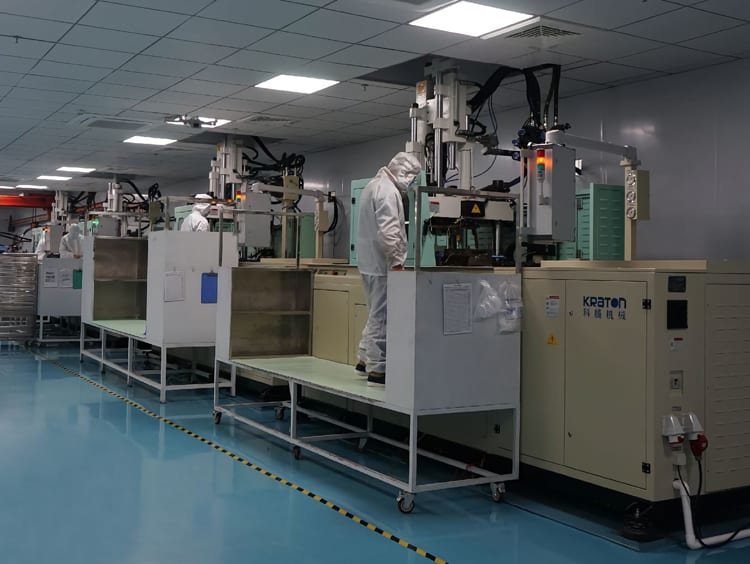 LSR Injection Molding
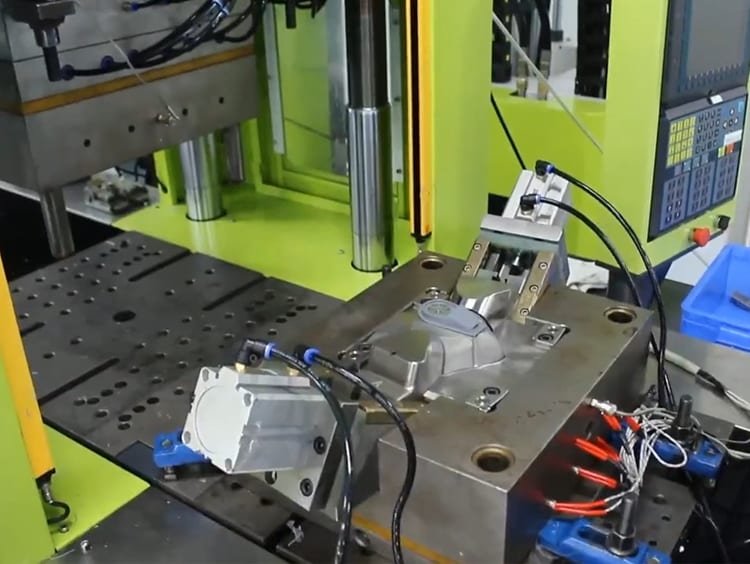 Silicone Rubber Overmolding
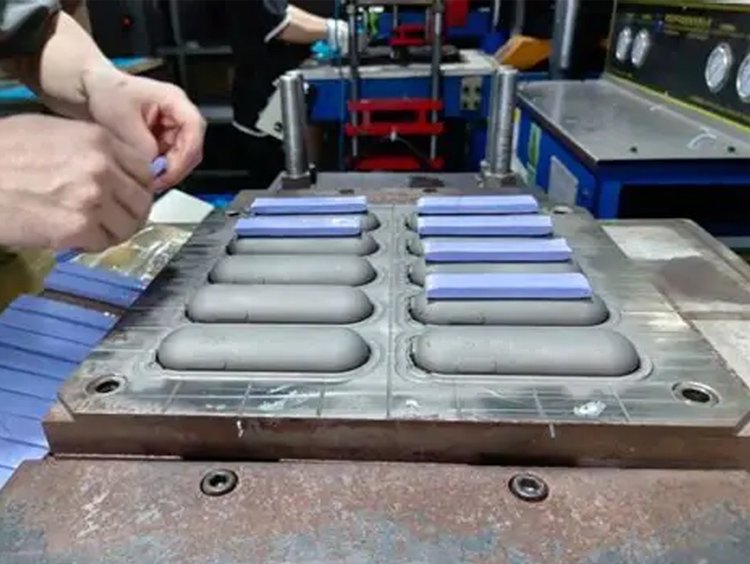 Compression Molding
 Silicone Rubber Extrusion
 In-house Tooling